
Introduction: The Critical Role of Talc in Plastic Manufacturing
Talc, a naturally occurring hydrated magnesium silicate mineral, is one of the most widely used functional fillers in the plastic industry. Its incorporation into plastic products—ranging from polypropylene (PP) automotive parts and polyethylene (PE) films to engineering plastics and masterbatches—offers significant benefits, including enhanced stiffness, dimensional stability, heat resistance, and reduced production costs. For manufacturers, the quality, particle size distribution, and purity of talc additives are paramount. Achieving the optimal talc powder specifications requires sophisticated, reliable, and efficient grinding and processing equipment. This comprehensive guide explores the essential production equipment needed to produce high-quality talc additives, focusing on key technologies, their working principles, and how they can optimize your manufacturing process.
Understanding the Requirements for Talc Additives in Plastics
Before delving into the machinery, it is crucial to understand the specific requirements for talc used in plastic products. The ideal talc additive must meet stringent criteria:
- Particle Size and Distribution: For most plastic applications, talc is required to be ground to an ultrafine powder, typically in the range of 5-45 microns (325 to 2500 mesh). A narrow, consistent particle size distribution ensures uniform dispersion in the polymer matrix, leading to superior mechanical properties and surface finish.
- Purity and Whiteness: High purity and brightness are essential, especially for light-colored or transparent plastic products. Contaminants can cause discoloration and weaken the final product.
- Low Moisture Content: Moisture can lead to defects like splay and bubbling during injection molding or extrusion. Efficient drying and grinding processes must minimize moisture pickup.
- Consistency: Batch-to-batch consistency is non-negotiable for large-scale industrial production to maintain stable product quality and processing conditions.
Core Equipment for Talc Powder Production
Modern talc processing plants utilize a combination of crushers, mills, classifiers, and dust collection systems. The choice of primary grinding mill is the single most critical decision affecting capacity, energy consumption, and final product quality. Below, we analyze the most effective solutions for different production scales and fineness requirements.
1. Ultrafine Grinding for High-Performance Plastics (45-5μm)
For manufacturing high-end plastic products requiring superior stiffness and surface quality, such as automotive interior parts and high-gloss appliances, talc must be processed to an ultrafine powder. The SCM Series Ultrafine Mill is specifically engineered for this demanding application. With an output fineness ranging from 325 to 2500 mesh (45-5μm), it delivers the precision required for critical applications.
Technical Advantages:
- High Efficiency & Energy Saving: The SCM mill boasts a capacity up to 2 times that of traditional jet mills while consuming 30% less energy. Its intelligent control system automatically adjusts parameters based on finished product granularity feedback, ensuring optimal performance.
- High-Precision Classification: The vertical turbine classifier ensures precise particle size cutting, completely eliminating coarse powder mixing for uniform finished products.
- Durable Design: Special material rollers and rings extend the service life of wear parts several times over, while the shaftless screw grinding chamber ensures stable operation.
- Eco-friendly & Low Noise: Pulse dust collection efficiency exceeds international standards, and a soundproof room design can reduce noise to levels as low as 85 dB.
Working Principle: The main motor drives three layers of grinding rings to rotate at high speed. Materials are dispersed into the grinding path by centrifugal force, crushed by roller pressure, and ground layer by layer until they meet the fineness specification. The finished product is then collected by a cyclone collector and a pulse dust removal system.
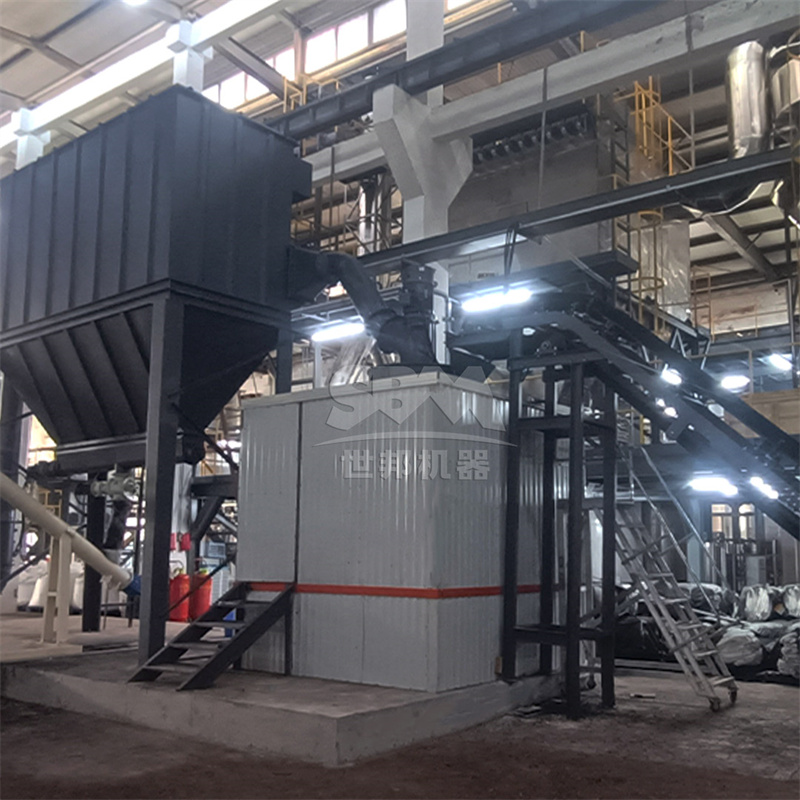
For manufacturers producing masterbatches or compounding talc for polyolefins, the SCM800 model is an excellent entry-level choice. It offers a capacity of 0.5-4.5 t/h with a main power of 75kW and handles feed sizes up to 20mm. For larger operations, the SCM1680 can process up to 25 t/h with a 315kW main motor.
2. Versatile and Economical Grinding (600-45μm)
When the production goal is a broader spectrum of talc additives for applications like general-purpose PP compounds or PVC fillers, the MTW Series European Trapezium Mill and LM Series Vertical Roller Mill offer unmatched versatility and cost-effectiveness.
MTW Series European Trapezium Mill (30-325 mesh)
This mill is renowned for its robust construction and low operating costs. Key technical advantages include:
- Anti-wear Shovel Design: Combined shovel blades reduce maintenance costs, and the curved design extends grinding roller life.
- Optimized Arc Air Duct: Reduces airflow energy loss and improves transmission efficiency by up to 30%.
- Integral Bevel Gear Drive: Achieving transmission efficiency up to 98%, this design saves space and reduces installation costs.
The MTW138Z model, for example, can produce 6-17 t/h of talc powder at a fineness of 10-325 mesh, making it ideal for medium-to-large scale operations.
LM Series Vertical Roller Mill (30-325 mesh, up to 600 mesh)
The LM series stands out for its integrated design, which combines crushing, grinding, drying, and classifying in a single unit. This reduces floor space by 50% and infrastructure costs by 40%. Its intelligent control system and fully sealed negative pressure operation ensure environmental compliance and consistent product quality. A key feature is its low operating cost, with energy consumption 30-40% lower than traditional ball mill systems and wear part life increased by 3 times due to the non-contact design between rollers and table.
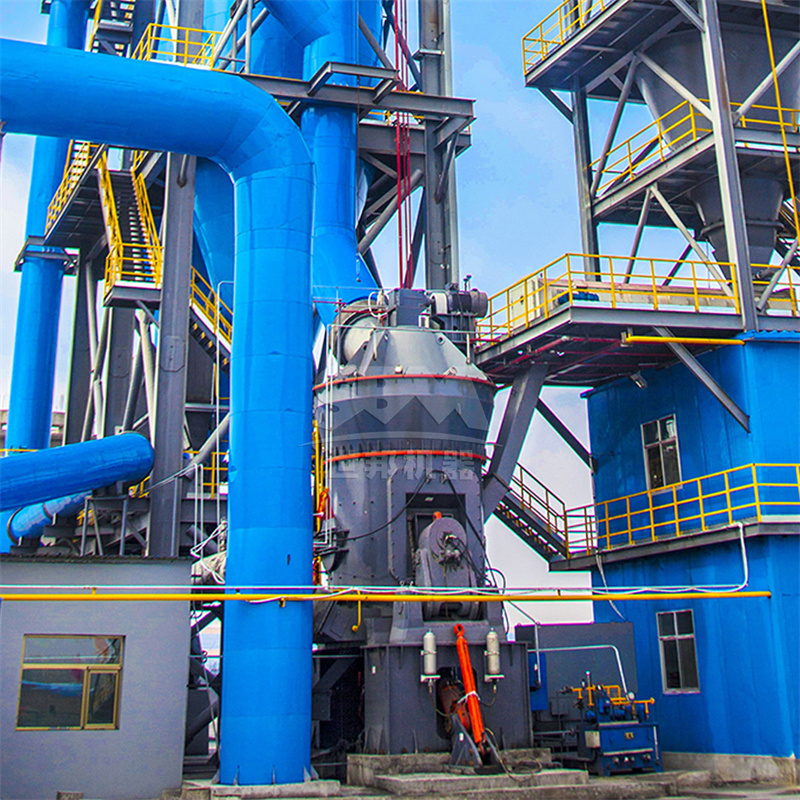
For very large-scale operations needing high throughput, the LM280K model delivers a capacity of 50-170 t/h with a main power of 1250kW. For finer applications, the LM220X-GX (Vertical Fine-powder Mill) can achieve 325-600 mesh with a capacity of 4-30 t/h.
3. Specialized Solutions for Pre-Grinding and Large Capacity
For operations that require pre-processing talc before fine grinding or need extremely high throughput for upstream processes, specialized mills like the Hammer Mill and LM-Y Vertical Pre-grinding Mill are ideal.
The Hammer Mill is perfect for coarse crushing (0-3mm) talc ore. Its high wear-resistant liners and high crushing ratio make it a reliable choice for preliminary size reduction. The PC4015-132 model can process 40-70 t/h, preparing the material for subsequent fine milling.
For the most advanced cement or mineral pre-grinding applications, the LM-Y Vertical Pre-grinding Roller Mill integrates sand making and grinding functions. Using the principle of bed grinding, it reduces energy consumption by 30-50% compared to conventional ball mills. The LM340Y model can handle up to 100t/h with a main power of 2500kW.
Why Choosing the Right Equipment Matters
Selecting the right machinery for talc additive production directly impacts the profitability and product quality of a plastic manufacturing operation. High-quality equipment ensures:
- Optimal Particle Morphology: Different mills produce talc particles with varying shapes (e.g., lamellar vs. blocky). The lamellar shape provided by vertical roller mills and ultrafine mills is particularly beneficial for improving the barrier properties and stiffness of plastic films and sheets.
- Cost Reduction: Energy-efficient mills like the SCM and LM series directly lower electricity bills. Durable wear parts reduce the frequency and cost of replacement.
- Environmental Compliance: Modern pulse dust collectors and negative pressure systems ensure that talc processing plants meet strict environmental regulations, avoiding fines and shutdowns.
- Process Control: Intelligent control systems allow for remote monitoring and automatic adjustments, reducing labor costs and human error, ensuring consistent, high-quality output every batch.
Special Recommendation: For manufacturers seeking the best balance of ultrafine fineness (325-2500 mesh), energy efficiency, and high capacity, we strongly recommend the SCM Series Ultrafine Mill. Its ability to produce uniform, ultra-fine talc powder with no coarse particle contamination makes it the ideal choice for high-performance plastic masterbatch and compounding applications. For those requiring a versatile, high-capacity solution for medium-to-fine grinding (30-325 mesh), the LM Series Vertical Roller Mill offers unmatched integration, low operating costs, and scalability. Both product lines represent the pinnacle of modern grinding technology, backed by our commitment to quality and innovation.
Conclusion: Investing in Your Production Future
The production of high-quality talc additives for plastics is a sophisticated process that demands advanced machinery. From the ultra-fine grinding capabilities of the SCM series to the versatile high-capacity operation of the LM series, understanding the specific advantages of each technology is critical. By investing in the correct equipment, manufacturers can achieve superior product quality, lower operational costs, and a more sustainable manufacturing footprint. Whether you are producing masterbatches, auto parts, or consumer goods, the right grinding solution is the cornerstone of success in the competitive plastic additives market.
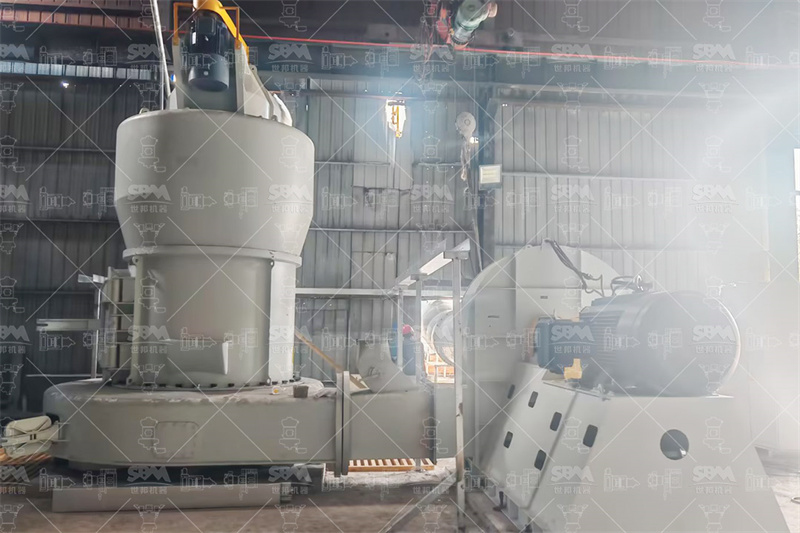
For more detailed technical specifications and to discuss your specific talc grinding needs, we invite you to consult with our engineering experts to design the optimal production line for your business.