
Introduction
In the chemical industry, limestone powder is a fundamental raw material used in the production of calcium carbonate, desulfurization agents, fillers, and various chemical intermediates. The quality of the final chemical product is directly influenced by the fineness, purity, and consistency of the limestone powder. Therefore, selecting the right production equipment is not merely a purchasing decision; it is a strategic investment that impacts operational efficiency, product quality, and long-term profitability. This guide provides manufacturers with a comprehensive framework for choosing chemical-grade limestone powder production equipment, covering key technical parameters, equipment types, and performance considerations.
Understanding Chemical-Grade Limestone Requirements
Chemical-grade limestone typically requires a calcium carbonate (CaCO3) content of 95% or higher, with strict limits on impurities such as silica, magnesium oxide, and iron. The required fineness varies by application: high-grade chemical products often demand powders between 325 mesh (45 microns) and 2500 mesh (5 microns). For instance, PVC pipe fillers may use 800 mesh powder, while paper coating pigments require 1250 mesh or finer. The choice of grinding equipment must therefore accommodate both the hardness of limestone (Mohs hardness of 3-4) and the specific particle size distribution required by the end-use application.
Key Factors in Equipment Selection
When evaluating limestone powder production equipment, manufacturers should consider the following critical factors: Feed size and capacity – Does the equipment accept the typical quarry output of 20-50mm? Output fineness range – Can it achieve both coarse grinding (30-325 mesh) and ultra-fine grinding (325-2500 mesh)? Energy efficiency – What is the specific power consumption per ton of finished product? Classification precision – Does the classifier prevent coarse powder mixing? Wear resistance – How long do the grinding components last when processing abrasive limestone? Emission control – Does the system meet environmental regulations for dust and noise? A systematic evaluation of these factors will narrow down the equipment options to those that align with your production goals.
Grinding Equipment Options for Limestone
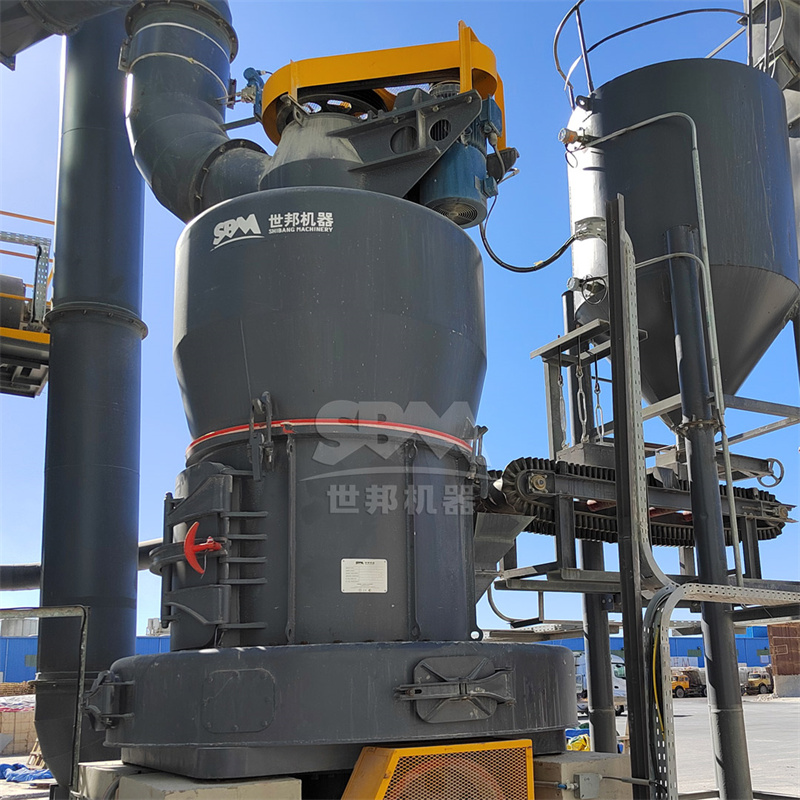
The market offers several types of mills suitable for limestone grinding. Ball mills are traditional workhorses capable of large throughput (up to 450 t/h) and output fineness of 0.074-0.8mm, but they suffer from high energy consumption and limited ultra-fine capability. Hammer mills provide coarse crushing to 0-3mm at low cost but cannot achieve fine powder. Medium-speed trapezium mills (like the MTM series) offer a balance of capacity and fineness (45-325 mesh) with energy-saving features. For ultra-fine chemical-grade powder, ultrafine mills and vertical roller mills are the preferred choices due to their high classification precision and low energy consumption per ton. Among these, the SCM Series Ultrafine Mill and the LM Series Vertical Roller Mill stand out as top-tier solutions for chemical manufacturers seeking consistent quality and operational economy.
In-Depth Analysis: SCM Series Ultrafine Mill
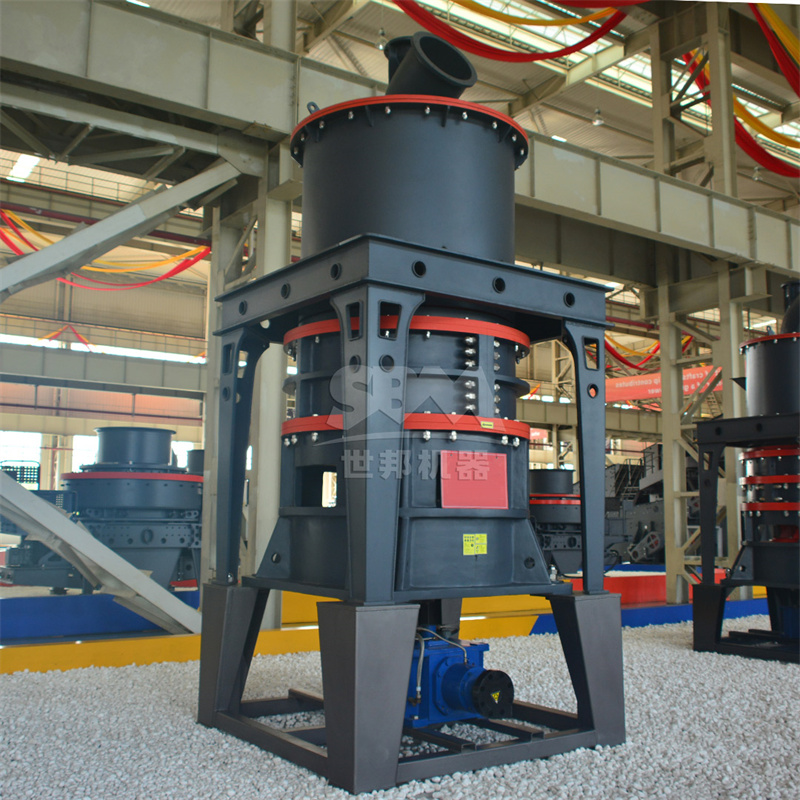
For manufacturers requiring ultra-fine limestone powder between 325 and 2500 mesh (45-5 microns), the SCM Series Ultrafine Mill is an excellent choice. With a feed size of ≤20mm and capacity ranging from 0.5 to 25 ton/h depending on the model, this mill is specifically designed for high-precision fine grinding. Its vertical turbine classifier ensures precise particle size cutting without coarse powder mixing, which is critical for chemical applications where uniformity determines product performance. The special material rollers and rings extend service life, reducing downtime and maintenance costs. Notably, the SCM mill offers capacity twice that of jet mills with 30% lower energy consumption, making it a cost-effective solution for high-value chemical powders. The intelligent control system automatically adjusts the grinding parameters based on finished product granularity feedback, ensuring consistent quality round the clock. For manufacturers producing chemical-grade calcium carbonate for coatings, plastics, or adhesives, the SCM Series delivers the fineness and consistency required.
In-Depth Analysis: MTW Series European Trapezium Mill
When the target fineness is in the 30-325 mesh range (600-45 microns) and higher throughput is needed, the MTW Series European Trapezium Mill is an ideal candidate. This mill handles feed sizes up to 50mm and offers capacities from 3 to 45 ton/h. Its optimized arc air duct and anti-wear shovel design reduce maintenance costs and improve transmission efficiency. The integral bevel gear drive achieves 98% transmission efficiency, saving space and reducing energy losses. The wear-resistant volute structure with non-resistance flow design improves air selection efficiency, ensuring that the finished limestone powder meets chemical-grade specifications. Patented technologies, including the internal suction oil lubrication system and advanced pulse dust removal, make the MTW mill both reliable and environmentally friendly. For chemical manufacturers who need large volumes of 200-mesh or 325-mesh limestone powder for desulfurization or glass manufacturing, the MTW Series offers proven performance and low operating costs.
Comparison of Key Parameters
To help manufacturers make an informed decision, the following comparison highlights the distinct advantages of each mill series: SCM Ultrafine Mill – Input ≤20mm, fineness 325-2500 mesh, capacity 0.5-25 t/h, best for ultra-fine high-value chemical powders; MTW Trapezium Mill – Input ≤50mm, fineness 30-325 mesh, capacity 3-45 t/h, best for medium-fine bulk production; LM Vertical Roller Mill – Input ≤50mm, fineness 30-325 mesh (up to 600 mesh for special models), capacity 3-250 t/h, best for large-scale integrated production with lowest energy consumption per ton. Each series employs different grinding principles: SCM uses multi-layer grinding rings and rollers, MTW uses trapezium-shaped rollers and rings, and LM uses a vertical grinding table and rollers. The choice ultimately depends on the required throughput, desired fineness, and available investment budget.
Recommendations for Chemical Manufacturers
Based on our extensive experience in the mineral processing industry, we recommend the following configurations: For manufacturers producing ultra-fine chemical-grade limestone powder (800-2500 mesh) for high-end applications such as paper coating, paint, or pharmaceutical fillers, the SCM Series Ultrafine Mill is the optimal solution. Its ability to produce uniform particles without coarse contamination and its energy-saving design make it a superior choice. For manufacturers focusing on medium-fineness powders (100-325 mesh) for construction chemicals, animal feed, or water treatment, the MTW Series European Trapezium Mill offers excellent throughput and reliability. Both series incorporate advanced environmental protection features, including pulse dust collection systems and soundproof enclosures, meeting stringent international emission standards.
Installation and Operational Considerations
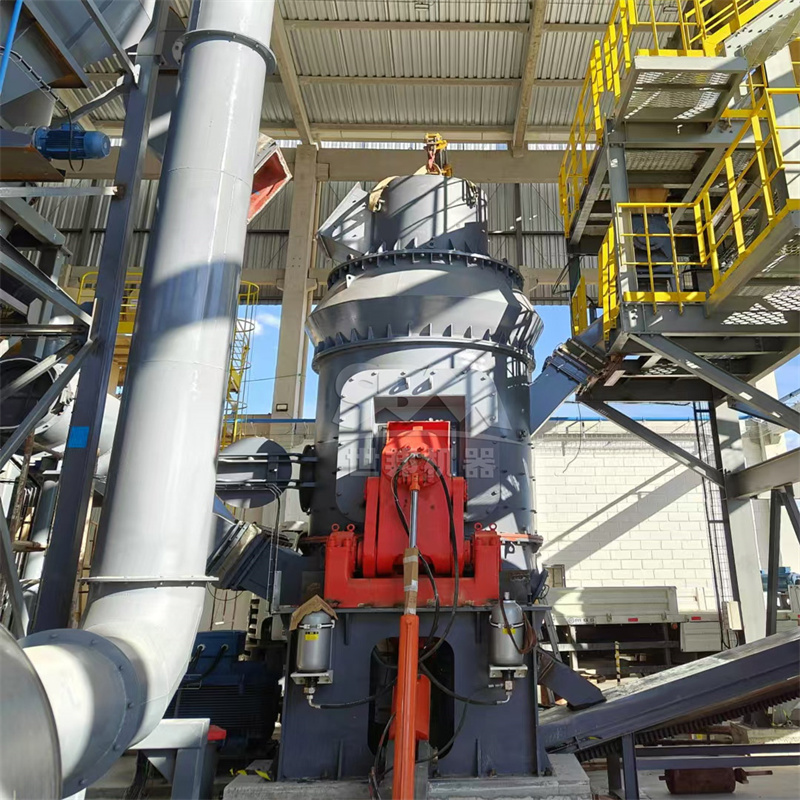
Beyond selecting the mill itself, manufacturers must consider the entire production line, including feeding systems, conveyors, classifiers, dust collectors, and product storage. The SCM and MTW series both offer compact designs that reduce floor space requirements. For new installations, the LM Series Vertical Roller Mill can be installed outdoors, reducing infrastructure costs by up to 40%. It is also critical to plan for adequate ventilation and compressed air supply for pneumatic conveying and dust collection. Training operators on the intelligent control systems will maximize uptime and product consistency. Regular maintenance schedules, particularly for grinding rollers, rings, and classifier blades, should be established based on the abrasiveness of the limestone and the operating hours.
Conclusion
Choosing the right chemical-grade limestone powder production equipment is a multi-faceted decision that requires balancing production capacity, product quality, energy efficiency, and total cost of ownership. The SCM Series Ultrafine Mill excels in ultra-fine grinding with high precision and low energy consumption, while the MTW Series European Trapezium Mill delivers high capacity for medium-fineness applications. Both product lines are backed by decades of engineering expertise and are designed to meet the rigorous demands of the chemical industry. We encourage manufacturers to conduct on-site trials and consult with our technical team to determine the best configuration for their specific raw materials and finished product specifications. With the right equipment, you can achieve superior limestone powder quality, lower production costs, and a competitive edge in the global chemical market.