
Introduction
Attapulgite, also known as palygorskite, is a magnesium aluminum phyllosilicate mineral renowned for its unique colloidal, thixotropic, and sorption properties. Its applications span across industries, from drilling fluids and animal feed binders to paint thickeners, catalyst carriers, and environmental adsorbents. The processing of raw attapulgite ore into high-value powder products—ranging from coarse granular material to ultrafine micronized powders—requires precision, efficiency, and reliability. Choosing the right production equipment is not merely a purchasing decision; it is a strategic investment that directly impacts your plant’s profitability, product quality, and operational uptime. This article provides a professional guide to selecting the most efficient machinery for attapulgite powder production, with a focus on the critical stages of grinding and classification.
Understanding the Attapulgite Processing Challenge
Raw attapulgite typically contains impurities such as quartz, dolomite, and clay minerals. The first step involves crushing and drying, but the core value addition lies in the grinding and classification stages. The desired final particle size dictates the technology required. For example:
- Coarse to medium powder (600-45 μm / 30-325 mesh): Used in feed binders and some industrial absorbents. This range typically requires high-capacity, robust mills capable of handling material with moderate hardness.
- Fine powder (45-5 μm / 325-2500 mesh): Required for high-performance drilling fluids (yield point control), thickeners, and paint additives. This demands ultrafine grinding equipment with precise classification to avoid coarse particle contamination.
- Ultrafine powder (<5 μm): Niche applications like high-end rheology modifiers. This often requires specialized mills like jet mills or vertical roller mills with multiple classifiers.
The choice of equipment must balance capital expenditure (CAPEX), operational expenditure (OPEX), energy consumption, and product consistency.
Key Factors in Equipment Selection
1. Feed Size and Material Characteristics
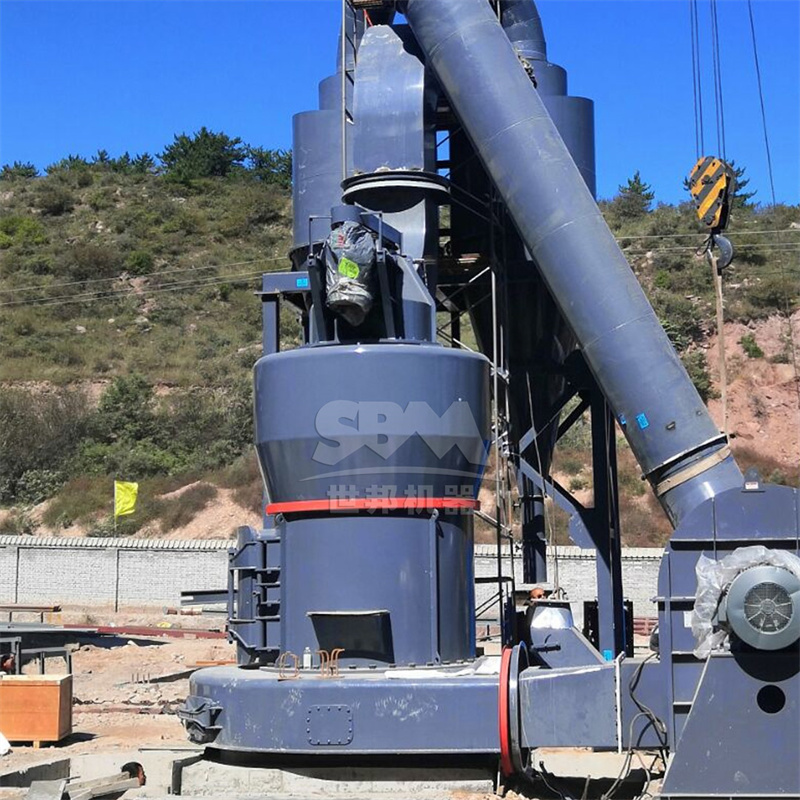
The maximum feed size of your crushing system will determine the type of mill you can use. For example, our MTW Series European Trapezium Mill can accept a feed size of up to 50mm, making it ideal for a system where primary crushing is moderate. In contrast, the SCM Series Ultrafine Mill requires a feed of ≤20mm, necessitating a secondary crusher before it. Additionally, the moisture content of attapulgite (which is naturally hydrophilic) must be considered; mills with hot air circulation functions (like our LM Series Vertical Roller Mill) can simultaneously dry and grind material, saving energy and space.
2. Target Fineness and Capacity
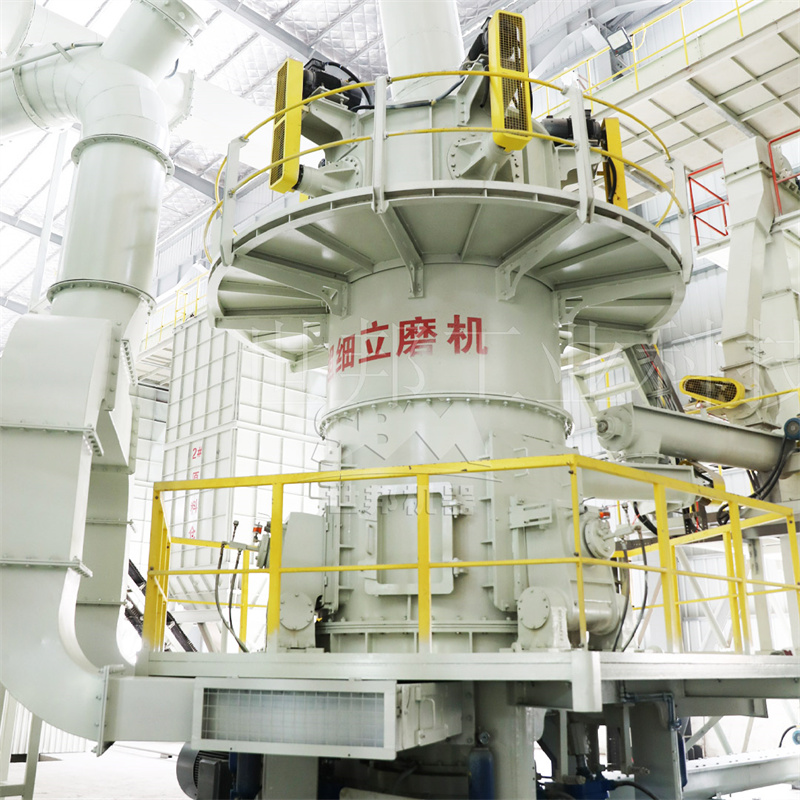
This is the most critical parameter. If your target is 325 mesh (45 μm) with a capacity of 10-20 tons per hour, the MTW Series or LM Series Vertical Roller Mill would be the most efficient choice. For instance, the MTW175G model can produce 9.5-25 t/h at a fineness of 10-325 mesh, providing a broad operating window. If you require ultrafine powder down to 2500 mesh (5 μm), you must shift to specialized equipment. Our SCM Series Ultrafine Mill is engineered for this exact purpose, offering a capacity of 0.5-25 t/h with an output fineness adjustable between 325 and 2500 mesh. Its capacity is twice that of a jet mill for the same output, with 30% lower energy consumption, making it the most cost-effective solution for high-value attapulgite products.
3. Energy Efficiency and Operating Costs
Grinding is an energy-intensive process. You must analyze the cost per ton. Traditional ball mills have high wear rates and energy consumption. Modern systems like the LM Series Vertical Roller Mill operate on a bed-of-material grinding principle, where the rollers never contact the table directly. This results in 30-40% lower energy consumption compared to ball mills and extends the life of wear parts by three times. Similarly, the MTM Series Medium-speed Trapezium Mill features an intelligent spring pressure system that automatically compensates for roller wear, extending service life by 30% and maintaining consistent performance without frequent maintenance stops.
4. Classification Precision
In attapulgite processing, the presence of even a small percentage of coarse particles can ruin the rheological properties of a drilling fluid or the smoothness of a paint coating. Therefore, the classification system is as important as the mill itself. The SCM Series Ultrafine Mill uses a vertical turbine classifier that achieves a very sharp particle size cut. It provides automatic feedback to control the fineness, ensuring no coarse powder mixing. For larger capacities requiring precise flux, the LM Series Fine-Powder Mill (LM130X-GX to LM220X-GX) with its multi-stage dynamic classifier technology can achieve a fineness of 325-600 mesh (even up to 800 mesh for special formulations) with high throughput.
5. Environmental and Operational Considerations
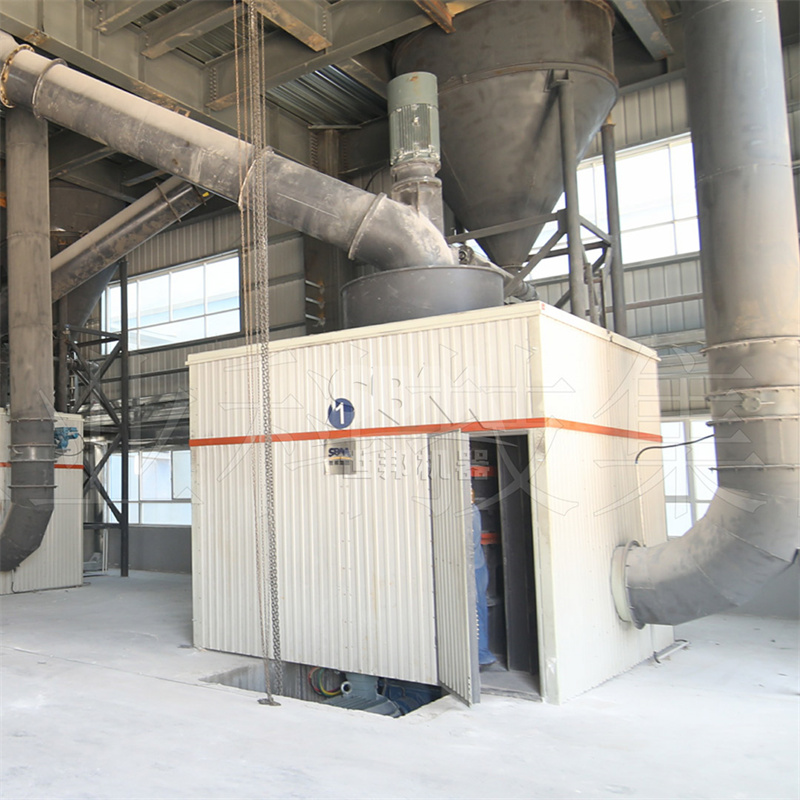
Governments worldwide are tightening emission standards. Your equipment must be dust-tight and quiet. All our mills, from the MTW Series to the Ball Mill for coarse grinding, are designed with negative pressure operation and pulse dust collectors. The SCM Series features a soundproof room design and dust collection efficiency that exceeds international standards. If you are in a region with strict noise regulations, the MTM Series with its dual damping spring and seal strip technology is an excellent choice.
Recommended Equipment for Your Attapulgite Plant
Given the above parameters, we recommend two flagship machines that cover the vast majority of attapulgite processing needs.
For coarse to medium fineness (600-45 μm / 30-325 mesh) with high capacity:
We strongly recommend the MTW Series European Trapezium Mill. Its integral bevel gear drive (98% transmission efficiency), optimized arc air duct, and anti-wear shovel design make it the most robust and low-maintenance choice for bulk production. Models like the MTW215G can easily handle 15-45 t/h, making it perfect for large-scale feed binder or industrial absorbent production. Its ability to accept a 50mm feed size simplifies your upstream crushing circuit.
For fine and ultrafine powder (45-5 μm / 325-2500 mesh):
For high-value products like ultrafine attapulgite for oil drilling and paint, we recommend the SCM Series Ultrafine Mill. It is the undisputed leader in energy efficiency for this fineness range. With production capacity up to 25 t/h on the SCM1680 model, it rivals the throughput of larger mills but with a fraction of the energy cost. The durable design featuring special material rollers and rings means you spend less on replacement parts, and the intelligent control system guarantees the uniform quality your customers demand for high-end applications.
Conclusion: A Strategic Partnership
Selecting efficient attapulgite powder production equipment is a multi-faceted decision that hinges on your raw material, target fineness, capacity requirements, and budget. A ball mill might be cheap initially but will cost you more in energy and wear over time. A jet mill produces very fine powder but consumes enormous energy. The modern generation of roller mills and ultrafine mills offers the best balance of efficiency, product quality, and longevity.
We invite you to partner with us to design a customized solution for your attapulgite plant. Whether you need the rugged reliability of the MTW Series for high-volume grinding or the precision and energy savings of the SCM Series Ultrafine Mill for your premium product lines, our engineering team can provide a complete process flow sheet, from feeding to packaging, ensuring that your investment yields the highest return.