
Introduction to Clay Processing
Clay is one of the most versatile and widely used minerals in the world. From construction materials and ceramics to paper coating and pharmaceuticals, the applications of processed clay are vast. For manufacturers and miners, understanding the equipment required to transform raw clay into a high-value finished product is crucial. The efficiency of your operation hinges on selecting the right machinery for each stage of the process, from primary crushing to ultra-fine grinding.
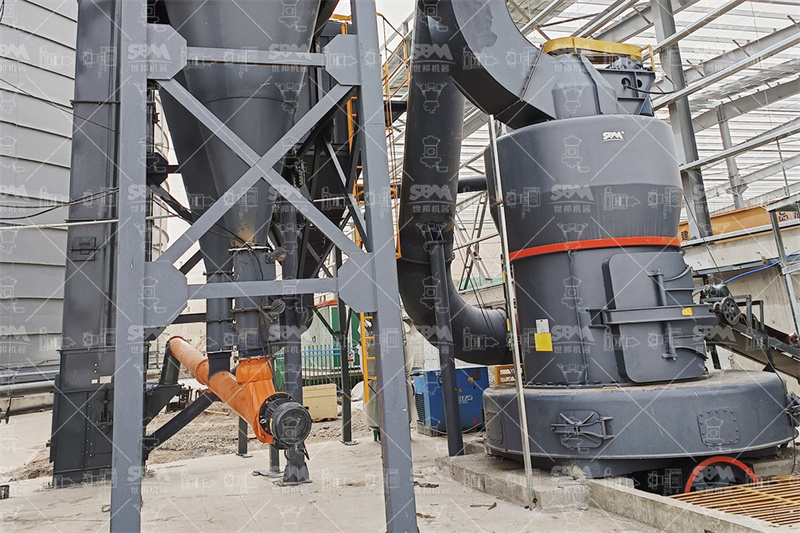
Stage 1: Primary and Secondary Crushing
The first step in clay processing is reducing the size of the run-of-mine material. Raw clay often comes in large, cohesive lumps that need to be broken down. For primary crushing, a Hammer Mill is an excellent choice due to its high capacity and ability to handle sticky materials. Our PC series hammer mills, such as the PC4015-132, can process up to 70 tons per hour, reducing feed material up to 40mm down to a fine 0-3mm output. For larger operations, a robust Jaw Crusher may precede the hammer mill to handle exceptionally large boulders.
Stage 2: Fine Grinding and Milling (45μm – 600μm)
Once the clay is crushed, the next phase involves fine grinding to achieve a specific particle size distribution. For medium to fine powders (typically 30-325 mesh or 600-45μm), several options are available:
MTW Series European Trapezium Mill
This mill is designed for high capacity and low energy consumption. With an integral bevel gear drive achieving up to 98% transmission efficiency and an optimized arc air duct, the MTW series is a workhorse for medium-sized operations. It features a unique anti-wear shovel design that reduces maintenance costs. With models like the MTW215G offering capacities up to 45 tons per hour and feed sizes up to 50mm, it is ideal for large-scale bentonite or kaolin processing.
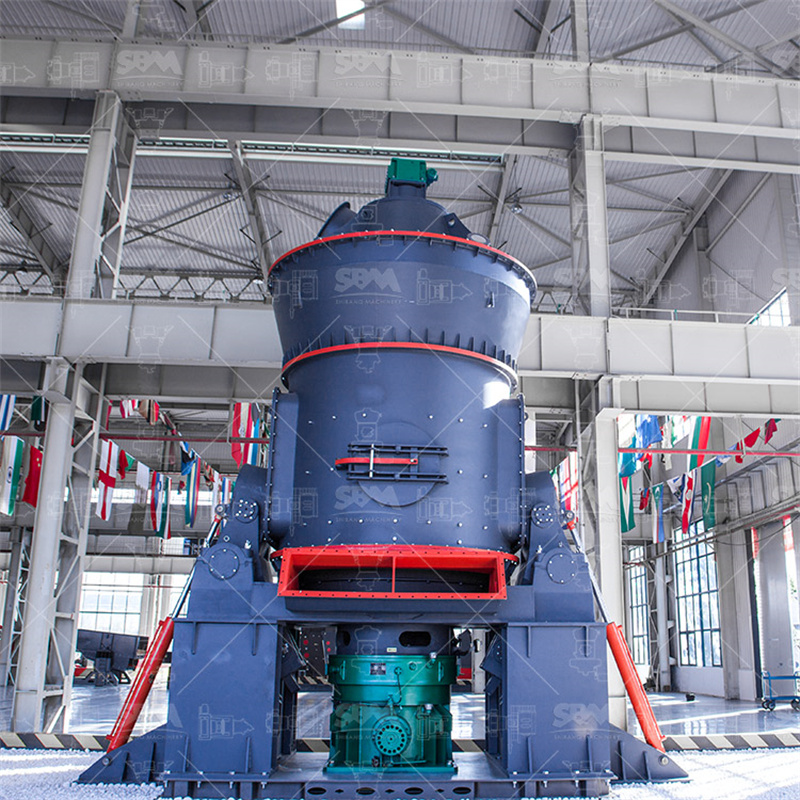
LM Series Vertical Roller Mill
For operations seeking the lowest possible operating cost and a fully integrated system, the LM Series Vertical Roller Mill stands out. It integrates crushing, grinding, drying (using hot air), and classification into a single unit, reducing floor space by 50%. Its non-contact grinding rollers and table design significantly reduce wear. For large-scale clay processing, the LM190K model, with a capacity of 23-68 tons per hour and a fineness range of 170-40μm, provides an excellent solution.
Stage 3: Ultra-Fine Grinding (5μm – 45μm)
High-value applications like paper coating, cosmetics, and advanced ceramics require ultra-fine clay powders with a fineness of 325-2500 mesh (45-5μm). This is where specialized equipment is required.
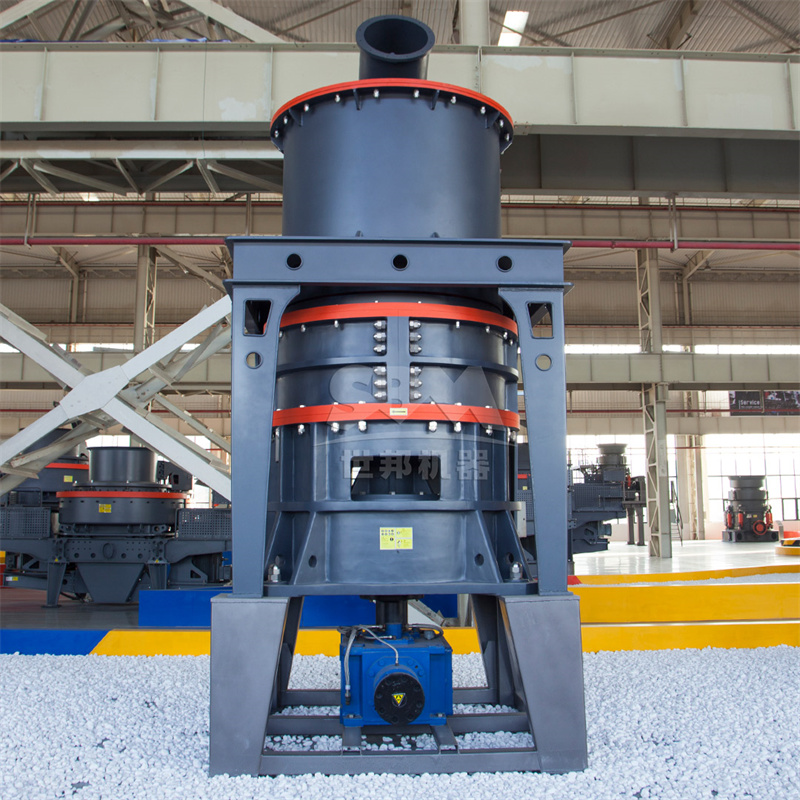
SCM Series Ultrafine Mill
When maximum fineness and high efficiency are the primary goals, the SCM Series Ultrafine Mill is the preferred choice. This mill is specifically engineered for producing powders in the 45-5μm range. It offers a capacity that is 2x that of jet mills while consuming 30% less energy. The secret lies in its vertical turbine classifier, which provides precise particle size cutting with no coarse powder mixing. The durable design featuring special material rollers and rings extends the service life of the mill, ensuring that your investment pays off over the long term. For example, the SCM1000 model can produce 1.0 to 8.5 tons per hour of ultra-fine clay, making it ideal for premium product lines.
We highly recommend the SCM1250 Ultrafine Mill for manufacturers who need a balance of high capacity (2.5-14 t/h) and ultra-fine output. Its robust 185kW main motor and advanced intelligent control system with automatic finished product granularity feedback ensure consistent quality with minimal operator intervention.
Stage 4: Classification and Dust Collection
Regardless of the grinding method used, efficient classification and dust collection are vital for product quality and environmental compliance. Modern mills integrate dynamic classifiers that can be adjusted to produce different fineness grades from the same raw material. Pulse dust collectors are now standard, ensuring that the air leaving the system meets strict environmental standards. Our mills incorporate internationally advanced pulse dust removal technology, achieving collection efficiencies that exceed international standards.
Stage 5: Drying and De-agglomeration
Some clays, such as kaolin, have a high natural moisture content. While the LM Vertical Roller Mill can handle drying via hot air during the grinding process, other scenarios require separate drying equipment. Rotary dryers or flash dryers are commonly used to reduce moisture to below 1% before milling. After drying, the clay often forms agglomerates that need to be broken up, which can be effectively handled by a hammer mill or a specialized de-agglomerator.
Choosing the Right Equipment for Your Clay
The choice of equipment depends heavily on the type of clay (kaolin, ball clay, fire clay, bentonite), the desired final particle size, and the production capacity. For standard industrial powders (200 mesh), the MTM Series Medium-speed Trapezium Mill or the MRN Pendulum Mill are reliable and cost-effective. For higher capacities in the medium range, the MTW or LM series are superior. For the lucrative ultra-fine market, the SCM Series Ultrafine Mill or the LUM Ultrafine Vertical Roller Mill are the industry standards.
Miners and manufacturers should also consider the total cost of ownership, including energy consumption, wear parts cost, and maintenance downtime. Modern mills like our LM and SCM series offer intelligent control systems that optimize performance and reduce manual labor.
Another excellent option for achieving medium to fine fineness (30-325 mesh) with high throughput is the MRN Pendulum Mill. Featuring a thin oil lubrication system for maintenance-free operation and a scientific configuration that reduces energy consumption, it is a robust solution for continuous industrial production.
Conclusion
Building an efficient clay processing plant requires a deep understanding of the material and the available technology. From the initial breaking of raw lumps to the precise classification of micron-sized particles, every step demands specialized machinery. By investing in high-efficiency, durable equipment like the SCM Ultrafine Mill and the LM Vertical Roller Mill, manufacturers and miners can ensure high yields, lower operating costs, and a superior final product that meets the demanding specifications of the global market.