
Introduction to Barite Processing
Barite (barium sulfate, BaSO4) is a critical mineral widely used in the oil and gas drilling industry as a weighting agent in drilling fluids, as well as in the production of barium chemicals, paint pigments, and radiation shielding materials. The processing of barite involves several key stages: crushing, grinding, and beneficiation. Selecting the right equipment for each stage is crucial for maximizing efficiency, product quality, and profitability. This comprehensive guide explores the top equipment solutions for barite processing, from primary crushing to ultra-fine grinding.
Stage 1: Primary and Secondary Crushing of Barite
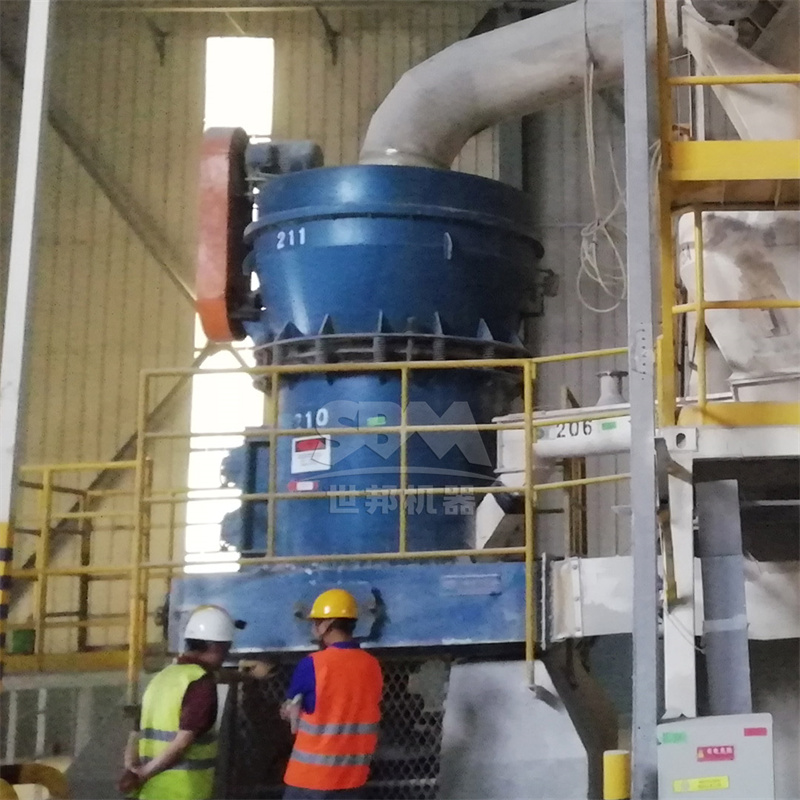
The first step in barite processing is reducing the run-of-mine ore to a manageable size for grinding. Barite ore typically has a hardness of 3-3.5 on the Mohs scale, making it relatively soft but abrasive. The crushing stage generally involves a jaw crusher for primary crushing, followed by a hammer mill or cone crusher for secondary reduction. Hammer mills are particularly effective for barite due to their high reduction ratio and ability to handle materials up to 40mm feed size, producing output sizes down to 0-3mm. Our PC Series Hammer Mill (models PC4008-75, PC4012-90, and PC4015-132) offers capacities ranging from 8 to 70 tons per hour with robust high-manganese steel wear-resistant liners for long service life. For operations requiring finer crushing before grinding, the hammer mill serves as an excellent pre-grinding solution, ensuring optimal feed size for downstream milling equipment.
Stage 2: Grinding – The Heart of Barite Processing
Grinding is where the majority of value addition occurs in barite processing. Depending on the required final product fineness, different mill types are employed. For standard barite powder (200-325 mesh, used in drilling fluids), medium-speed mills and vertical roller mills are industry standards. For ultra-fine barite powder (1250-2500 mesh, used in high-end applications like paint and plastics), specialized ultra-fine grinding mills are required.
Standard Grinding: MTW Series European Trapezium Mill
For producing barite powder in the 30-325 mesh range (600-45μm) with capacities from 3 to 45 tons per hour, the MTW Series European Trapezium Mill is an industry-leading choice. This mill features an integral bevel gear drive system with 98% transmission efficiency, an anti-wear shovel design that reduces maintenance costs, and an optimized arc air duct that minimizes energy loss. The patented internal suction oil lubrication system ensures reliable operation under continuous heavy loads. With models ranging from MTW110 (capacity 3-9 t/h) to MTW215G (capacity 15-45 t/h), this mill series can handle feed sizes up to 50mm and provides precise classification through its vertical turbine classifier. For barite processing plants requiring consistent quality drilling-grade powder, the MTW mill delivers exceptional performance with reduced operating costs.
Large-Scale Grinding: LM Series Vertical Roller Mill
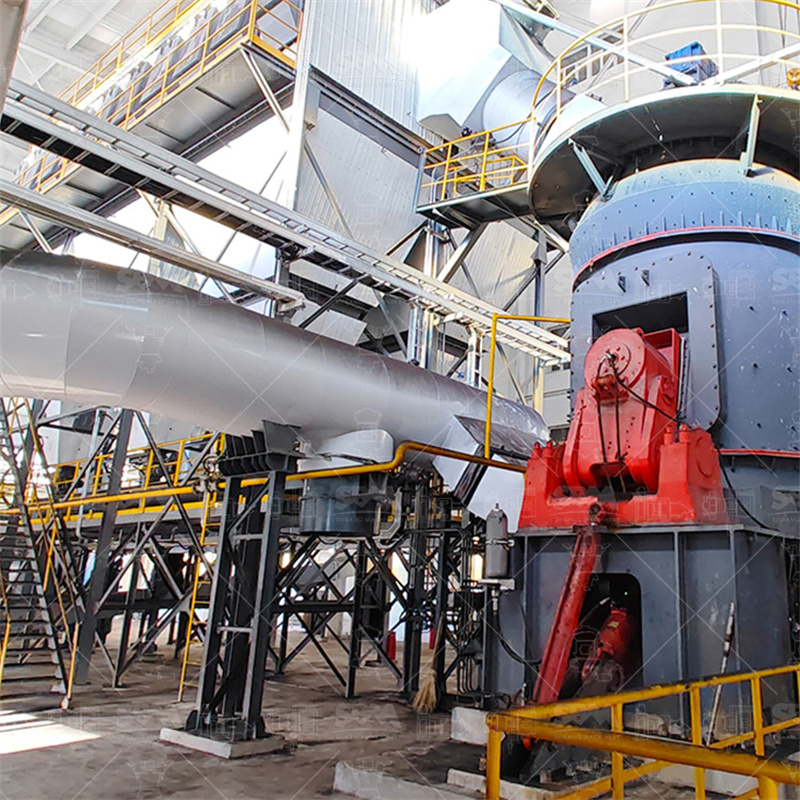
For high-capacity barite grinding operations, the LM Series Vertical Roller Mill offers unmatched efficiency. Available in capacities from 3 to 250 tons per hour, this integrated system combines crushing, grinding, and classification in one unit, reducing floor space by 50% and infrastructure costs by 40%. The non-contact design between rollers and table extends wear part life by three times, while energy consumption is 30-40% lower than traditional ball mill systems. The LM series features intelligent expert-level auto-control with real-time monitoring, allowing for remote or local operation. The fully sealed negative pressure operation ensures dust emissions below 30mg/Nm³ and operating noise below 85dB, making it an environmentally friendly solution. For barite processors handling large volumes, models like LM190K (23-68 t/h) or LM220K (36-105 t/h) provide the perfect balance of capacity and energy efficiency.
Ultra-Fine Grinding: SCM Series Ultrafine Mill
When the application demands barite powder in the 325-2500 mesh range (45-5μm), the SCM Series Ultrafine Mill is the equipment of choice. With a feed size of ≤20mm and capacities from 0.5 to 25 tons per hour, this mill achieves twice the capacity of traditional jet mills while consuming 30% less energy. The vertical turbine classifier ensures precise particle size cutting with no coarse powder mixing, guaranteeing uniform finished products essential for high-end applications. The shaftless screw grinding chamber ensures stable operation, while special material rollers and rings extend service life several times over conventional designs. The pulse dust collection system exceeds international environmental standards, and the soundproof room design maintains noise levels below 85dB. Models range from SCM800 (0.5-4.5 t/h, 75kW main power) to SCM1680 (5.0-25 t/h, 315kW main power), offering flexibility for various production scales. For manufacturers targeting the premium barite market for paper-making, plastics, or high-density coatings, the SCM mill delivers the consistent ultra-fine particle size distribution required.
Stage 3: Beneficiation – Improving Barite Purity
Natural barite often contains impurities such as quartz, calcite, iron oxides, and clay minerals that must be removed to achieve the required purity (typically 92-98% BaSO4 for drilling grade, and higher for chemical applications). Beneficiation methods include gravity separation (jigging, shaking tables, spiral concentrators), flotation, magnetic separation, and acid leaching. While our primary focus is on size reduction equipment, the grinding stage plays a crucial role in beneficiation by liberating barite particles from gangue minerals. The choice of mill directly impacts liberation efficiency – over-grinding can lead to slime generation that complicates subsequent separation, while under-grinding results in poor liberation.
Recommended Grinding Approach for Beneficiation Feed
For barite ore requiring beneficiation, we recommend using the MTM Series Medium-speed Trapezium Mill, which features intelligent pressure regulation through a spring pressure system that automatically compensates for roller wear, extending roller and ring life by 30%. The innovative horizontal pull-rod connection protects main shaft bearings, while the dual damping system with springs and sealing strips eliminates equipment resonance. With output fineness of 45-325 mesh (0.038-0.6mm) and capacities from 3 to 22 tons per hour, the MTM mill provides the ideal particle size distribution for efficient gravity or flotation separation. The multi-stage dust collection options ensure compliance with environmental standards while maintaining continuous operation.
Choosing the Right Equipment: A Decision Framework
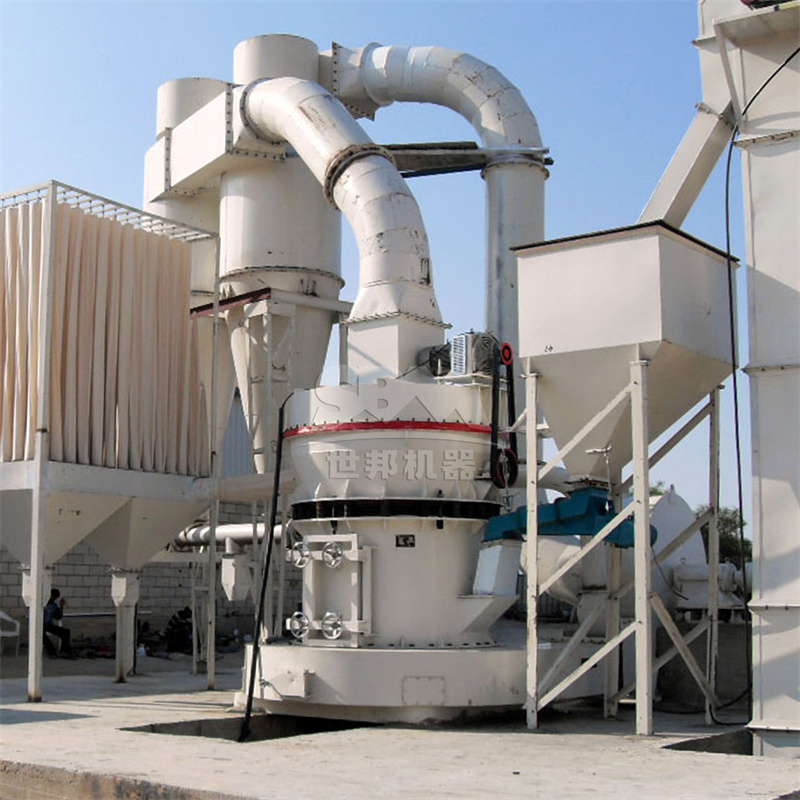
Selecting the optimal barite processing equipment depends on several factors: feed size and hardness, required product fineness, capacity requirements, energy costs, and environmental regulations. For small to medium operations (under 10 t/h) producing standard drilling-grade powder, the MTM trapezium mill offers the best cost-performance ratio. For large-scale operations (over 20 t/h) requiring maximum energy efficiency, the LM vertical roller mill is the superior choice. For ultra-fine products (below 45μm), the SCM ultrafine mill is the only option that combines high capacity with ultra-fine output. Pre-crushing with our PC hammer mill ensures optimal feed size for any grinding mill, improving overall system efficiency.
Conclusion: Integrated Solutions for Barite Processing Success
Successful barite processing requires a holistic approach that matches each stage of the size reduction process to the specific requirements of the final product. Our comprehensive range of crushing and grinding equipment – from hammer mills for primary reduction to ultrafine mills for premium products – provides barite processors with reliable, efficient, and cost-effective solutions. With patented technologies including intelligent control systems, energy-saving designs, and environmentally compliant dust collection, our equipment helps operators maximize yield while minimizing operating costs and environmental impact. Whether you are processing barite for oil drilling, chemical production, or industrial fillers, our team can help design the optimal processing circuit tailored to your specific ore characteristics and production goals. Contact us today for a consultation and equipment recommendation based on your material analysis and capacity requirements.