
Introduction
In the modern cement industry, the production of high-quality pulverized coal is a critical process that directly impacts combustion efficiency, clinker quality, and overall operational costs. As energy prices continue to rise and environmental regulations become increasingly stringent, cement plants worldwide are seeking advanced grinding solutions that can deliver finer coal powders with lower energy consumption and higher throughput. This article explores the latest innovations in pulverized coal production equipment, focusing on how high-efficiency mills can significantly boost combustion performance while reducing production costs.
The Importance of Pulverized Coal Quality
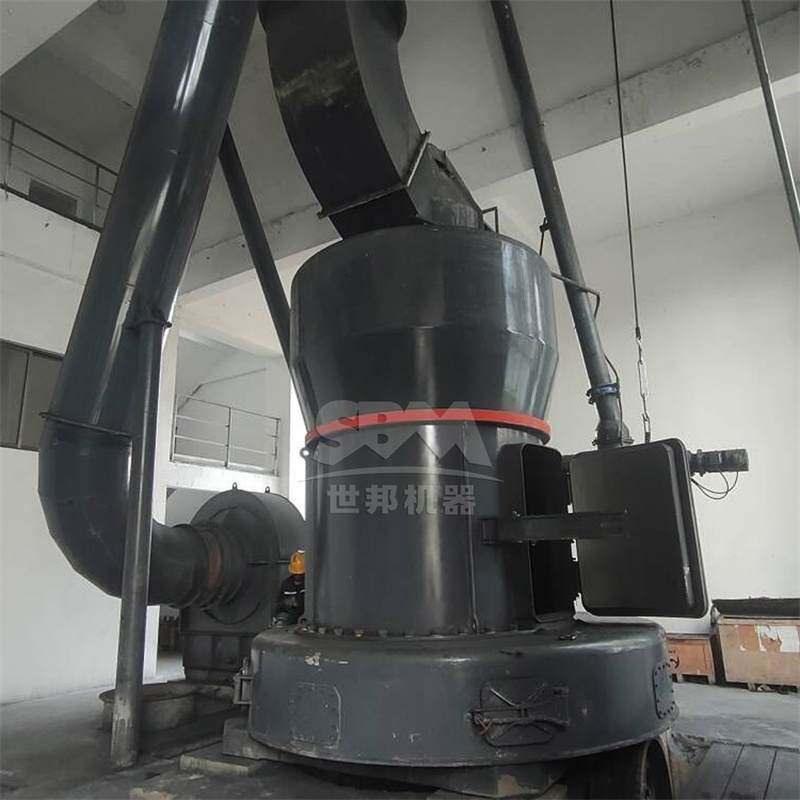
Pulverized coal serves as the primary fuel in cement kilns and precalciners. The fineness, uniformity, and moisture content of the coal powder directly influence combustion characteristics. Finer coal particles provide a larger surface area for rapid ignition and complete combustion, leading to higher flame temperatures and improved heat transfer to the clinker. Conversely, coarse or inconsistent coal powder results in incomplete combustion, increased unburned carbon in fly ash, and higher fuel consumption. Traditionally, cement plants have relied on ball mills for coal grinding. While reliable, ball mills suffer from high energy consumption, significant wear, and limited ability to produce ultra-fine powders below 45 microns. Modern vertical roller mills and ultra-fine grinding technologies offer a compelling alternative, delivering superior efficiency and product quality.
Key Challenges in Coal Grinding for Cement
Cement plants face several challenges when grinding coal. First, the material is abrasive, causing rapid wear of grinding elements. Second, coal is often moist, requiring efficient drying during the grinding process. Third, safety concerns related to coal dust explosions necessitate systems that operate under negative pressure with inert gas or proper ventilation. Finally, the need to produce consistent, high-quality coal powder requires precise classification and particle size control. Addressing these challenges requires robust equipment designs that incorporate wear-resistant materials, intelligent control systems, and high-efficiency classifiers. Our company has developed a comprehensive range of mills specifically engineered to meet these demands.
Technical Solutions for Efficient Coal Grinding
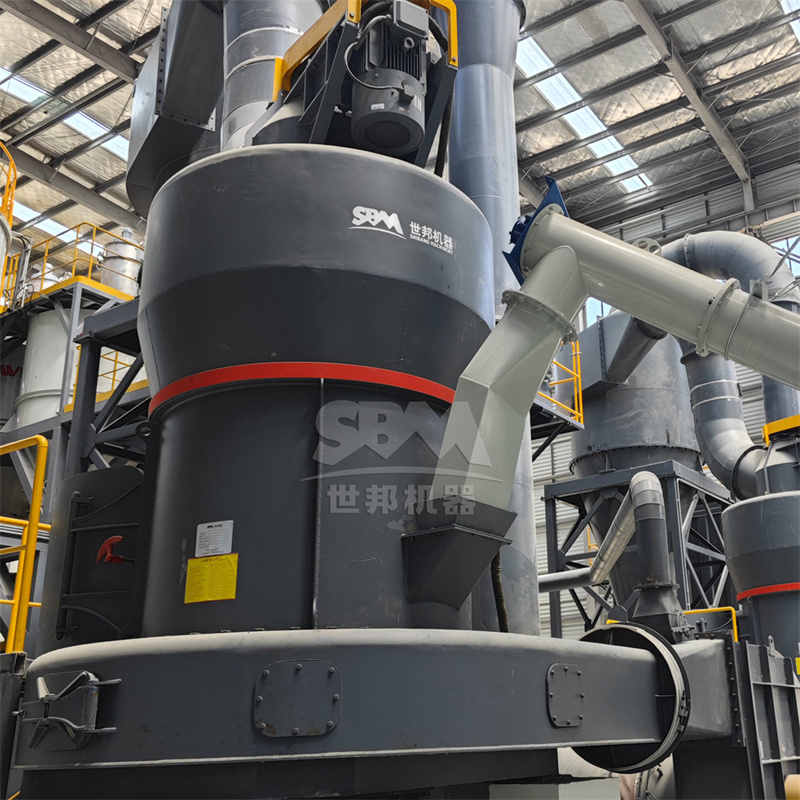
To achieve optimal combustion, coal powder fineness typically ranges from 5% to 20% residue on a 90-micron sieve, with finer grinds required for high-efficiency burners. Advanced grinding technologies now enable cement plants to reach these specifications with significantly lower energy consumption. For example, the LM Series Vertical Roller Mill offers a dedicated coal mill series (LM80M to LM280M) with capacities ranging from 3 to 90 tons per hour and fineness control down to 5% residue on a 90-micron sieve. The integrated design combines crushing, grinding, drying, and classification in a single unit, reducing the floor space by up to 50% compared to traditional ball mill systems. More importantly, energy consumption is 30-40% lower, directly reducing operational costs. For applications requiring ultra-fine coal powder for specialized burners or co-firing processes, the SCM Series Ultrafine Mill is an ideal solution. Capable of producing powders between 325 and 2500 mesh (45 to 5 microns), this mill doubles the capacity of jet mills while consuming 30% less energy. Its intelligent control system provides automatic feedback on product granularity, ensuring consistent quality. The vertical turbine classifier achieves precise particle size cutting with no coarse powder mixing, guaranteeing uniform finished products. The SCM800 model, with a capacity of 0.5-4.5 t/h and main power of 75kW, is particularly suitable for smaller cement plants or specialized applications. For larger operations, the SCM1680 delivers up to 25 t/h with a 315kW main motor.
Operational and Economic Benefits
The adoption of high-efficiency coal grinding equipment yields substantial operational and economic benefits. Firstly, reduced energy consumption directly lowers electricity costs, which represent a significant portion of cement production expenses. The LM series, for instance, can cut power usage by up to 40% compared to ball mills. Secondly, improved grinding efficiency translates to higher throughput from the same footprint, enabling plants to increase production without expanding facilities. Thirdly, the enhanced particle size uniformity of the final coal powder improves combustion stability. This leads to lower excess air requirements, reduced NOx emissions, and better clinker quality. The durable design of modern mills also minimizes downtime. Special material rollers and rings in the SCM series extend service life several times over, while the shaftless screw grinding chamber ensures stable operation. The MTW series European Trapezium Mill features an anti-wear shovel design and combined shovel blades that reduce maintenance costs, along with an integral bevel gear drive achieving 98% transmission efficiency. These engineering innovations mean that the total cost of ownership over the equipment’s lifecycle is significantly lower than traditional systems.
Environmental and Safety Considerations
Environmental compliance is a major driver for upgrading coal grinding equipment. High-efficiency mills are designed with fully sealed negative pressure systems, preventing dust leakage and ensuring operator safety. The pulse dust collection technology used in our mills exceeds international emission standards, and soundproof room designs keep noise levels below 85 decibels. For coal grinding specifically, the systems are engineered to operate safely with inert gas environments where necessary. The intelligent control systems also provide real-time monitoring of critical parameters such as temperature, pressure, and vibration, allowing operators to respond quickly to any abnormal conditions and prevent potential hazards. By investing in modern grinding technology, cement plants can not only improve their environmental footprint but also create a safer working environment.
Case Studies and Performance Data
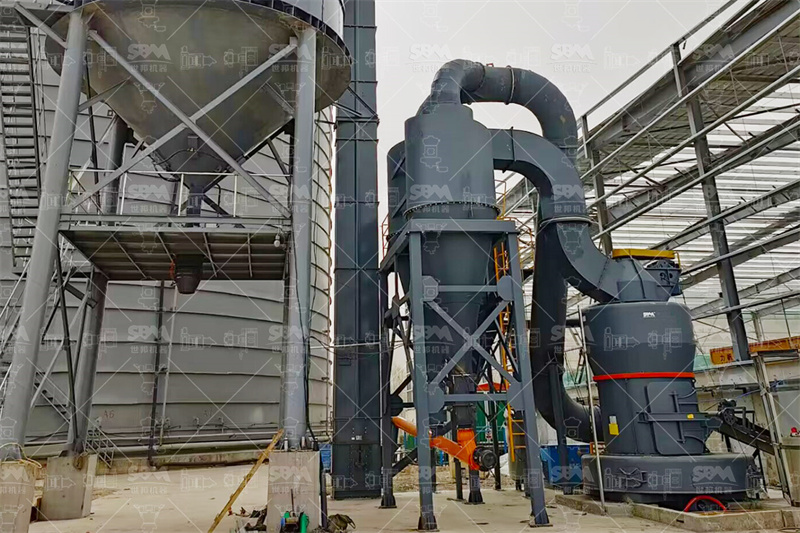
Field installations of the LM and SCM series mills in cement plants have demonstrated remarkable results. One cement plant in Southeast Asia replaced its existing ball mill system with an LM220K vertical roller mill for coal grinding. The results showed a 35% reduction in specific energy consumption, from 32 kWh/t to 20.8 kWh/t. The coal powder fineness improved to a consistent 12% residue on 90 microns, leading to a 5% reduction in specific fuel consumption in the kiln. Annual electricity cost savings exceeded $150,000, with the investment payback period being less than 18 months. Another plant producing high-quality pulverized coal for injection into a precalciner adopted the SCM1250 ultra-fine mill. The plant achieved a product fineness of 800 mesh (approximately 15 microns), enabling complete combustion and eliminating unburned carbon in the final clinker. The mill’s automatic granularity feedback system reduced operator intervention by 70%, while maintenance costs decreased by 40% due to the long-lasting wear parts.
Conclusion
The cement industry is under continuous pressure to reduce costs, improve energy efficiency, and meet stricter environmental standards. Upgrading to high-efficiency pulverized coal production equipment is one of the most effective investments a plant can make. Our advanced mills, particularly the LM Series Vertical Roller Mill for large-scale, high-capacity applications and the SCM Series Ultrafine Mill for ultra-fine powder requirements, provide proven solutions that boost combustion, reduce energy consumption, and lower overall production costs. By choosing the right technology, cement plants can achieve immediate financial returns while positioning themselves for a more sustainable future.