
Introduction
In the gypsum board manufacturing industry, the quality of the core raw material—gypsum powder—directly determines the final product’s strength, fire resistance, and surface smoothness. Selecting the right grinding equipment is not merely a matter of purchasing a machine; it is a strategic decision that impacts production efficiency, energy costs, and product consistency. This article provides a comprehensive guide on how to choose gypsum powder production equipment for board raw materials, focusing on key factors that ensure high-quality output.
Understanding Raw Material Requirements for Gypsum Boards
Gypsum board manufacturers typically require a finely ground powder with a specific particle size distribution. The ideal fineness for plasterboard core materials usually falls between 100 and 200 mesh (150-75 μm). However, surface paper bonding and setting time control may demand even finer fractions. Therefore, any equipment considered must offer precise particle size control and uniform output.
Key Factor 1: Output Fineness and Classification Precision
The most critical parameter is the ability to achieve and maintain the desired fineness. For standard gypsum board production, a fineness range of 80-325 mesh is common. However, for high-end or lightweight boards, finer powders down to 600 mesh may be required.
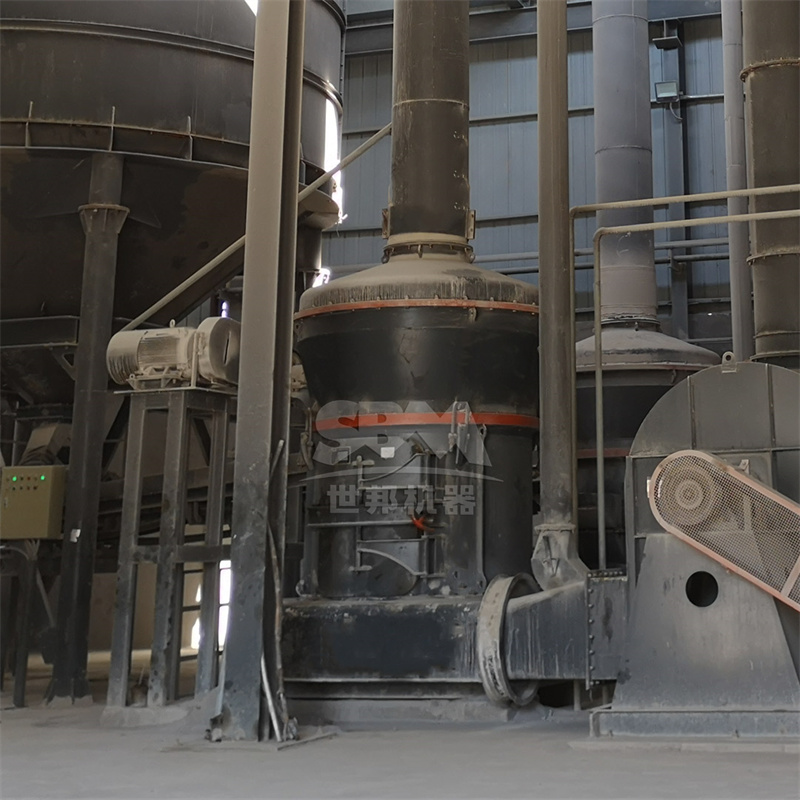
Equipment with high-precision classification systems, such as vertical turbine classifiers, can ensure that no coarse powder contaminates the finished product. This is vital because oversized particles can cause surface defects, weaken the board structure, and lead to uneven setting. Our SCM Series Ultrafine Mill (45-5μm) utilizes a vertical turbine classifier that achieves precise particle size cutting, ensuring a uniform finished product without coarse powder mixing. This makes it an excellent choice for manufacturers who require consistent, high-quality gypsum powder for board production.
Key Factor 2: Production Capacity and Energy Efficiency
Balancing throughput with operating costs is a constant challenge. Large-scale gypsum board plants need equipment capable of processing tons of material per hour. However, high capacity cannot come at the expense of excessive energy consumption, which can erode profit margins.
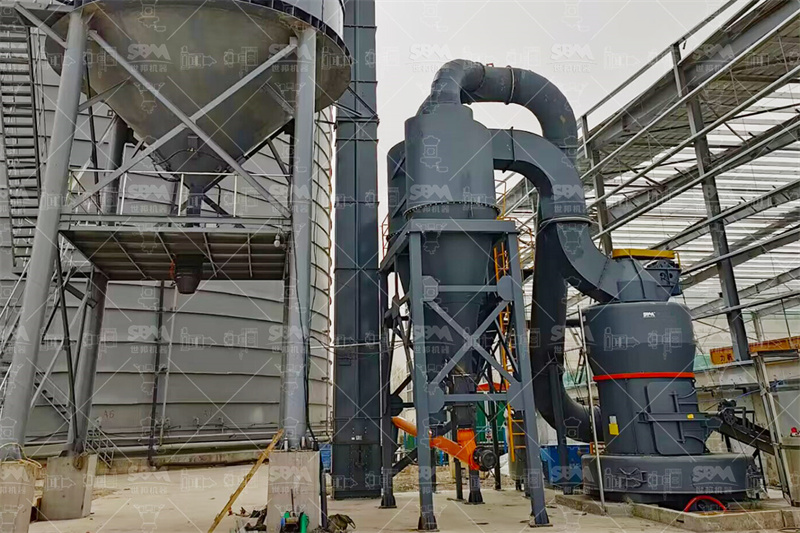
When evaluating capacity, consider the entire system’s energy efficiency. For instance, our LM Series Vertical Roller Mill (600-45μm) offers an integrated design that combines crushing, grinding, and selection in one unit, reducing floor space by 50% and infrastructure costs by 40%. More importantly, its energy consumption is 30-40% lower than traditional ball mill systems. With a capacity range of 3-250 ton/h, the LM series is ideal for large-scale operations that prioritize both high output and low operating costs. The SCM Series also boasts 2x the capacity of jet mills with 30% lower energy consumption, making it suitable for mid-to-high capacity requirements.
Key Factor 3: Equipment Durability and Maintenance
Gypsum is abrasive, and constant grinding causes wear on rollers, rings, and other internal components. Downtime for maintenance can severely disrupt production schedules. Therefore, choosing equipment designed for durability is essential.
Look for features like special material rollers and rings, wear-resistant volute structures, and anti-wear shovel designs. Our SCM Series uses special alloy materials for rollers and rings, extending service life several times over compared to standard components. Similarly, the MTW Series European Trapezium Mill employs a combined shovel blade design and a wear-resistant volute structure, which can reduce maintenance costs by up to 30%. This ensures continuous, stable operation with minimal interruptions.
Key Factor 4: Environmental Compliance and Noise Levels
Modern manufacturing facilities must adhere to strict environmental regulations. Dust emissions and noise pollution are significant concerns in grinding operations. Equipment design should incorporate effective dust collection and soundproofing measures.
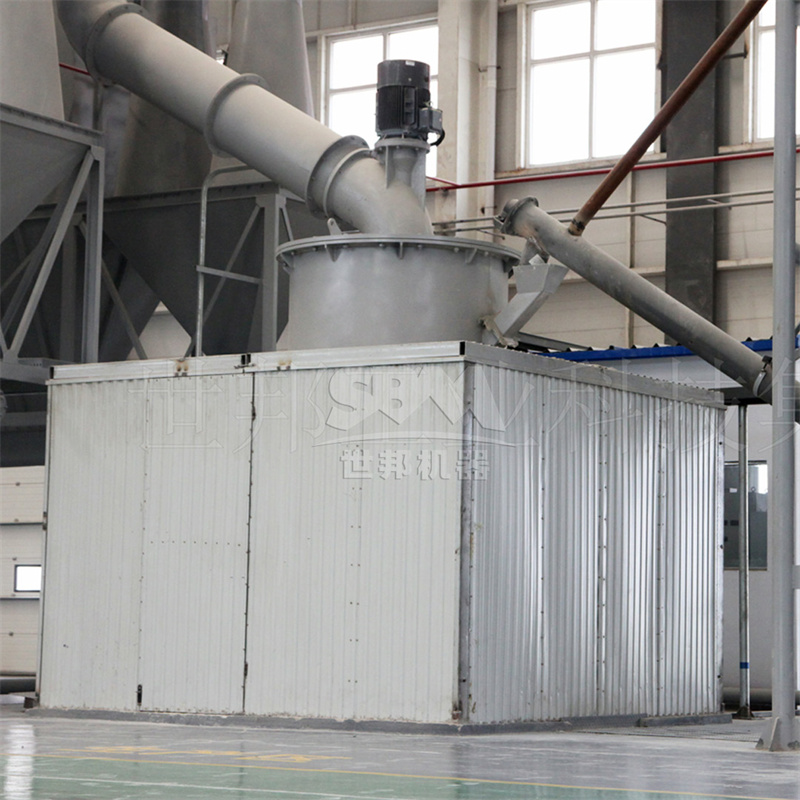
Pulse dust collection systems with efficiency exceeding international standards are a must. Our SCM Series includes a pulse dust removal system that ensures eco-friendly operation. Additionally, soundproof room design keeps noise levels low, creating a better working environment. The LM Series operates under fully sealed negative pressure with dust emissions ≤20mg/m³, guaranteeing compliance with the most stringent environmental regulations.
Comparing Equipment Options for Different Needs
| Requirement | Recommended Equipment | Key Advantage |
|---|---|---|
| Ultra-fine powder (325-2500 mesh) | SCM Series Ultrafine Mill | Highest precision classification, low energy consumption |
| High capacity, medium fineness (30-325 mesh) | LM Series Vertical Roller Mill | Lowest operating cost, integrated design |
| Standard fineness (10-325 mesh), high reliability | MTW Series Trapezium Mill | Excellent wear resistance, easy maintenance |
Key Factor 5: Intelligent Control and Automation
Consistency is king in board manufacturing. Human error in adjusting grinding parameters can lead to batch-to-batch variations. Intelligent control systems that automatically monitor and adjust parameters ensure stable product quality around the clock.
Both the SCM Series and LM Series feature advanced automation. The SCM allows for automatic finished product granularity feedback, while the LM Series boasts an expert-level auto-control system supporting remote switching and real-time parameter monitoring. This reduces manual intervention, enhances consistency, and allows operators to manage the process with minimal supervision.
Conclusion
Choosing the right gypsum powder production equipment for board raw materials requires a careful evaluation of fineness requirements, capacity needs, energy efficiency, durability, environmental impact, and control systems. By prioritizing these key factors, manufacturers can ensure high-quality output, lower production costs, and a competitive edge in the market. Whether the need is for ultra-fine powder using a mill like the SCM Series or high-volume, cost-efficient grinding with the LM Series Vertical Roller Mill, investing in the right technology is the foundation for premium gypsum board production.