
Introduction to Lithium Mica Beneficiation
Lithium mica, a key source of lithium for the rapidly expanding electric vehicle and energy storage industries, presents unique challenges in mineral processing. Unlike hard rock lithium minerals such as spodumene, lithium mica (including lepidolite and zinnwaldite) typically exhibits a flaky, platy crystal structure and often contains higher levels of gangue minerals. Effective processing requires a multi-stage approach that integrates crushing, grinding, classification, and flotation or magnetic separation. The selection of appropriate grinding equipment is critical, as it directly impacts the liberation of lithium-bearing minerals, the efficiency of downstream separation processes, and the overall operational cost. This comprehensive guide explores the various types of milling equipment used in lithium mica processing, provides criteria for equipment selection, and discusses optimization strategies to maximize lithium recovery and product quality.
Understanding the Grinding Requirements for Lithium Mica
Lithium mica ores are typically hard and abrasive, requiring robust grinding solutions. The primary goal of the grinding stage is to achieve sufficient liberation of lithium mica particles from gangue minerals like quartz, feldspar, and clay minerals, without over-grinding which can lead to slimes that interfere with flotation. The target grind size for lithium mica flotation is generally in the range of 150 to 400 microns (100-40 mesh) for coarse liberation, while finer grinding may be required for complex ores. Depending on the final product specification—whether it is a flotation concentrate for downstream hydrometallurgical processing or a direct saleable lithium powder—the comminution circuit must be designed for flexibility in particle size distribution.
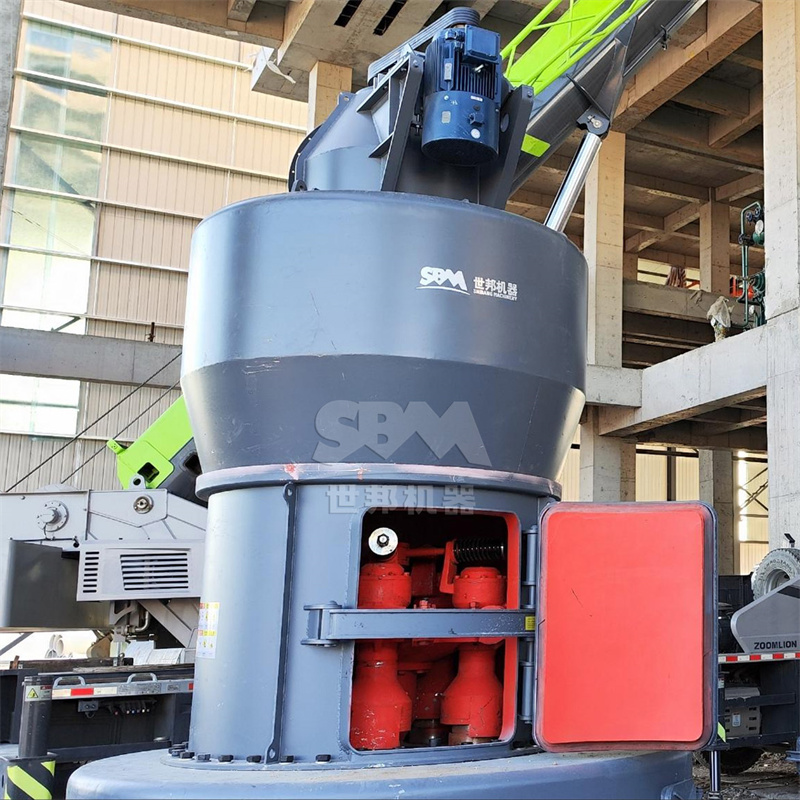
Type 1: Ball Mills – The Traditional Workhorse
Ball mills have long been the industry standard for wet and dry grinding applications, including lithium mica processing. Their ubiquitous nature is due to their reliability, high capacity, and ability to handle a wide range of feed materials. In a ball mill, steel balls or ceramic media cascade within a rotating drum, crushing the ore through impact and attrition. For lithium mica, ball mills are often used in the primary grinding stage or in regrind circuits. While effective, traditional ball mills suffer from high energy consumption and significant wear on liners and grinding media. Additionally, they are less efficient at producing ultrafine powders, often leading to a high proportion of slimes. For applications where relatively coarse grinding (above 100 mesh) is acceptable and throughput is the primary concern, ball mills remain a viable option. However, for more precise particle size control and higher efficiency, modern alternatives are now preferred.
Type 2: Vertical Roller Mills (VRMs) – The Modern Efficiency Standard
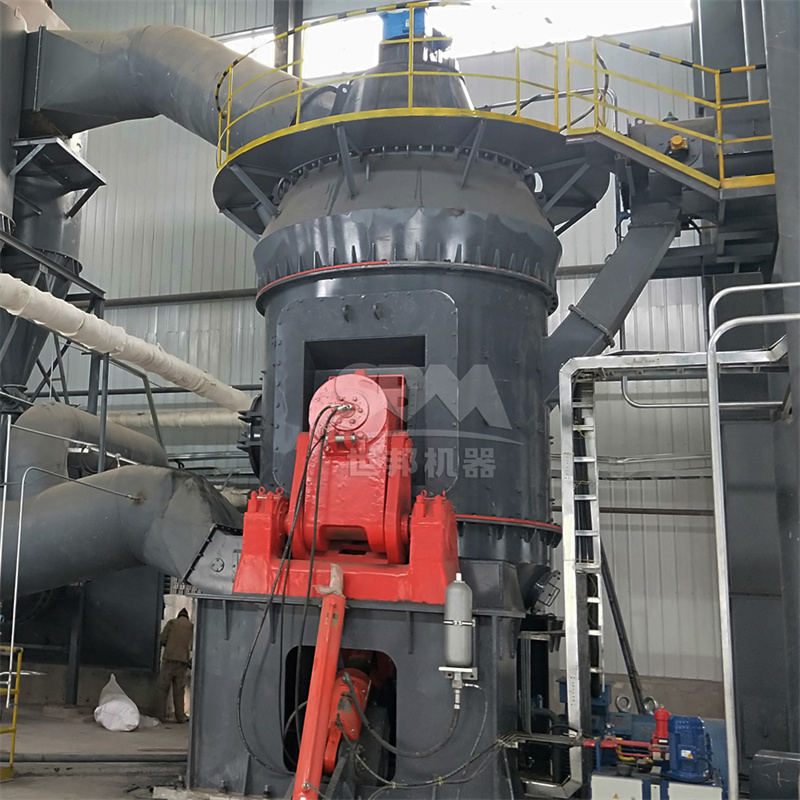
Vertical Roller Mills (VRMs) have revolutionized the mineral grinding industry due to their low energy consumption, compact footprint, and integrated classification capabilities. The working principle involves a rotating grinding table and hydraulically loaded grinding rollers that crush the material bed. In the context of lithium mica processing, VRMs offer significant advantages. They can dry, grind, and classify the ore in a single unit, simplifying the circuit. The bed of material grinding principle reduces direct metal-to-metal contact, leading to lower wear rates and reduced contamination of the lithium concentrate with iron. This is particularly important for battery-grade lithium products. Our LM Series Vertical Roller Mill exemplifies this technology. With an integrated design that combines crushing, grinding, and selection, it reduces floor space by up to 50% and infrastructure costs by 40%. The LM series operates with a non-contact design between rollers and table, increasing wear part life by three times compared to traditional mills. Energy consumption is 30-40% lower than ball mill systems, making it an ideal choice for large-scale, energy-conscious lithium mica operations.
Type 3: Ultra-Fine Grinding Mills – For High-Grade Concentrates
As lithium markets demand higher purity concentrates and fine particle sizes for direct leaching, ultra-fine grinding technology becomes indispensable. Mills capable of producing powder in the 325-2500 mesh range (5-45 microns) are essential for unlocking maximum lithium recovery from refractory ores. Lithium mica, when ground to this fineness, allows for complete liberation and enhanced chemical reactivity in downstream processing (e.g., sulfuric acid leaching or lime roasting). However, this comes at a higher energy cost. The key is to achieve high throughput while maintaining a precise particle size distribution without coarse contamination.
For this demanding application, the SCM Series Ultrafine Mill provides a compelling solution. Designed for outputs from 0.5 to 25 tons per hour, the SCM mill specializes in producing finished powder from 325 to 2500 mesh. Its technical advantages are critical for lithium mica: it achieves twice the capacity of jet mills while consuming 30% less energy. The vertical turbine classifier ensures high-precision particle size cutting, preventing coarse powder mixing—a common problem that degrades flotation or leaching efficiency. The shaftless screw grinding chamber and special material rollers ensure stable and durable operation, even with the abrasive nature of mica. For processors targeting high-value, fine lithium mica products, the SCM Series is the recommended equipment.
Type 4: European Trapezium Mills – Versatile Mid-Range Processing
For operations requiring a balance between throughput, capital cost, and product fineness (typically 30-325 mesh), European trapezium mills offer excellent versatility. These mills use a rotating assembly of grinding rollers acting against a fixed ring. The ‘trapezium’ shape of the roller and ring surfaces increases the grinding efficiency and material retention time. Our MTW Series European Trapezium Mill features an integral bevel gear drive with 98% transmission efficiency and a patented anti-wear shovel design that reduces maintenance costs. With an arc air duct that reduces energy loss and a robust volute structure, the MTW series handles feed sizes up to 50mm and outputs 3-45 tons per hour. This mill is particularly effective for the second stage of grinding after primary crushing, preparing the material for flotation circuits.
Critical Factors for Equipment Selection
Choosing the right mill for lithium mica processing depends on several parameters beyond just capacity and fineness. Ore hardness and abrasion index dictate the wear rate and power requirements. Moisture content determines the need for hot air or drying capabilities. Particle size distribution requirements for the next stage (e.g., flotation vs. leaching) heavily influence whether a standard mill, a VRM, or an ultra-fine mill is required. The contamination risk from grinding media is also crucial. For high-end lithium products, iron-free or ceramic-lined mills are necessary to prevent metallic contamination. Finally, energy cost and environmental regulations often push operators toward high-efficiency VRMs or modern pendulum mills over older technologies. Intelligent control systems, like those in the LM and SCM series, provide automated feedback on granularity and reduce manual intervention, significantly optimizing operational costs.
Optimization Strategies for Grinding Circuits
Optimization of the grinding circuit is a continuous process. Key strategies include pre-crushing to reduce the feed size to the mill, which can significantly increase throughput and reduce specific energy consumption. Classifier efficiency is paramount; a high-efficiency dynamic classifier allows for a sharp cut point, reducing the recirculation load and preventing over-grinding of valuable lithium minerals. Implementing process control automation (such as the expert system in the LM mill) maintains consistent product quality despite variations in feed characteristics. Regular wear part monitoring—including grinding rollers, rings, and classifier blades—ensures that the mill operates at peak efficiency. For lithium mica, maintaining the correct slurry density in wet circuits or adjusting air flow in dry circuits (VRMs) is critical to prevent the mica platelets from floating out prematurely or being trapped in the coarse recirculation loop.

Conclusion
The processing of lithium mica requires a nuanced approach to comminution. While traditional ball mills have a place in coarser circuits, the trend is clearly toward high-efficiency vertical roller mills for bulk grinding and ultra-fine mills for high-value product finishing. Equipment selection must be data-driven, considering ore characteristics, final product requirements, and total cost of ownership. By leveraging modern mill technologies like the LM Series for energy savings and the SCM Series for precision fine grinding, lithium producers can achieve higher recovery rates, lower operational costs, and produce a higher-quality concentrate that meets the stringent demands of the lithium battery supply chain. Investing in the correct grinding technology is not just a processing decision; it is a strategic advantage in the competitive lithium market.