
Introduction
In the global energy landscape, thermal power plants remain a cornerstone of electricity generation, particularly in regions where coal is abundant and cost-effective. The efficiency, environmental compliance, and operational stability of these plants are directly tied to the performance of their coal pulverization systems. As coal quality varies and emission standards tighten, the demand for advanced pulverized coal production equipment has never been higher. This article provides a comprehensive overview of the key technologies driving modern coal grinding mills, and offers a practical selection guide for thermal power plant engineers and decision-makers.
Key Technologies in Modern Coal Grinding Mills
1. High-Efficiency Grinding Mechanisms
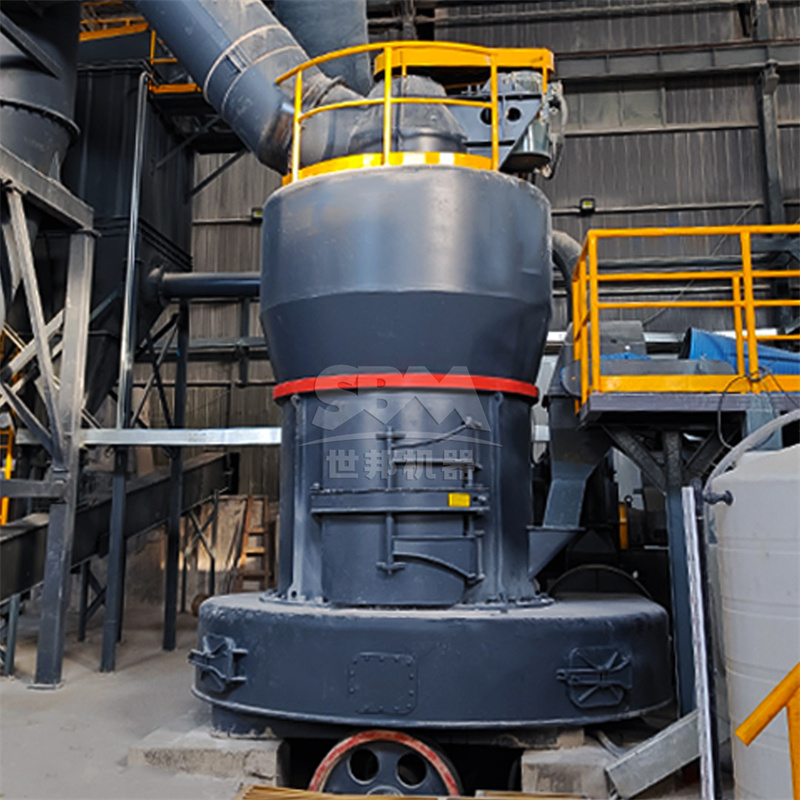
Traditional ball mills, while reliable, are notoriously energy-intensive. Modern equipment leverages bed-of-material grinding principles, where coal particles are crushed between rotating rollers and a stationary grinding table or ring. This method significantly reduces energy consumption by 30-50% compared to ball mills, as mechanical energy is directly applied to the material layer rather than wasted on lifting steel balls. The vertical roller mill (VRM) and trapezium mill designs exemplify this technology, offering superior grinding efficiency and a smaller footprint.
2. Precision Air Classification
The quality of pulverized coal is defined by its fineness and uniformity. Advanced classifiers, such as vertical turbine classifiers and dynamic multi-rotor systems, allow for precise particle size cutting. This ensures that no coarse particles escape the grinding circuit, which is critical for complete combustion in the boiler. For example, achieving a fineness of 80% passing through a 200-mesh sieve (74 microns) is standard, but modern mills can achieve up to 325 mesh or finer for specialized applications.
3. Intelligent Control Systems
Industry 4.0 has arrived in the coal yard. Modern mills are equipped with PLC-based expert control systems that automatically adjust grinding pressure, classifier speed, and feed rate based on real-time feedback from particle size analyzers and mill load sensors. This intelligent control reduces human intervention, ensures consistent product quality, and optimizes energy consumption across varying load conditions.
4. Durable Wear Components
Coal is an abrasive material, making wear resistance a paramount concern. Leading manufacturers now use specialized alloy materials for rollers, grinding rings, and liners. Technologies such as combined shovel blades, shaft-less screw grinding chambers, and modular roller assemblies extend the service life of wear parts by several times, drastically reducing maintenance downtime and operational costs.
Selection Guide for Thermal Power Plants
Selecting the right pulverizer is a critical engineering decision. The following factors must be considered:
1. Coal Properties
The Hardgrove Grindability Index (HGI), moisture content, and ash content of the coal are primary determinants. High-moisture coals may require hot air drying integrated into the mill. Low-HGI coals require mills with higher grinding pressure and robust construction.
2. Required Capacity and Fineness
Large utility boilers (300MW to 1000MW) require high-capacity mills capable of producing 50 to 100 tons of pulverized coal per hour. The fineness requirement (typically 70-80% through 200 mesh) dictates the classifier design and mill speed.
3. Energy Efficiency and Operating Cost
With electricity prices fluctuating, total cost of ownership is paramount. Vertical roller mills typically consume 30-40% less power than ball mills. Additionally, integrated designs that combine grinding, drying, and classification in one unit reduce auxiliary equipment and infrastructure costs by up to 40%.
4. Environmental Compliance
Strict regulations on dust emissions and noise pollution mandate the use of sealed, negative-pressure operating systems. High-efficiency pulse dust collectors with emission levels below 10 mg/Nm³ and soundproof housing are essential for modern plant compliance.
Recommended Products for Thermal Power Plant Applications
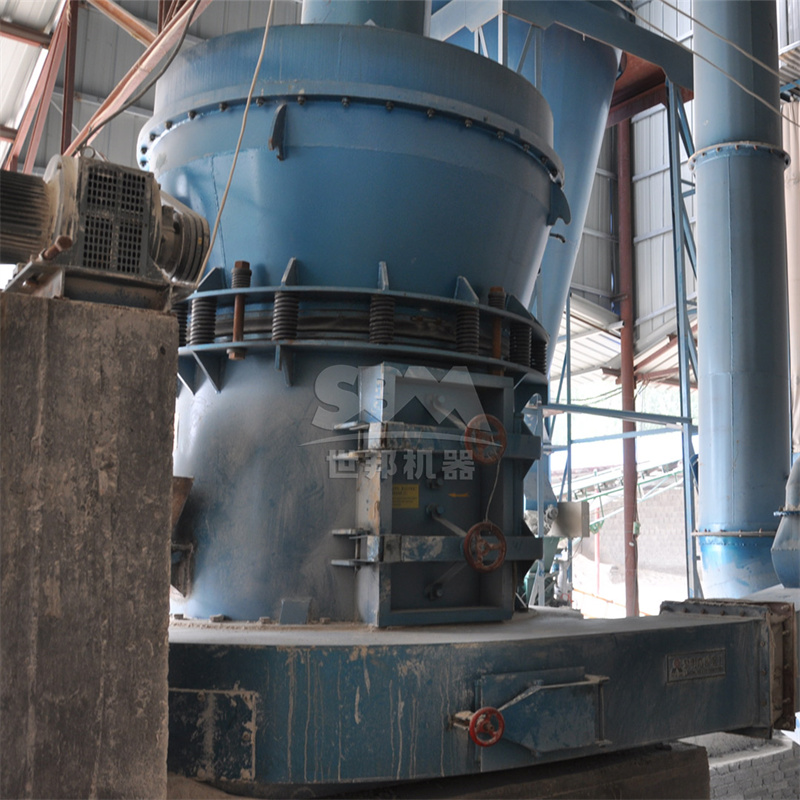
Based on extensive R&D and field experience in mineral processing, we strongly recommend two series of mills that are ideally suited for coal powder preparation in thermal power plants.
SCM Series Ultrafine Mill (45-5μm)
For plants requiring ultra-fine coal powder for enhanced combustion efficiency, the SCM Series Ultrafine Mill is the optimal choice. With an output fineness ranging from 325 to 2500 mesh, it is the leader in fine grinding. Its capacity is double that of traditional jet mills, with 30% lower energy consumption. The intelligent control system with automatic product granularity feedback ensures stable quality. The vertical turbine classifier provides precise particle size cutting without coarse powder mixing.
- Key Models:
- SCM1250: Capacity 2.5-14 t/h, Main Power 185kW
- SCM1680: Capacity 5.0-25 t/h, Main Power 315kW
These models are ideal for specialized applications where combustion demands high fineness to reduce carbon burnout loss.
MTW Series European Trapezium Mill (600-45μm)
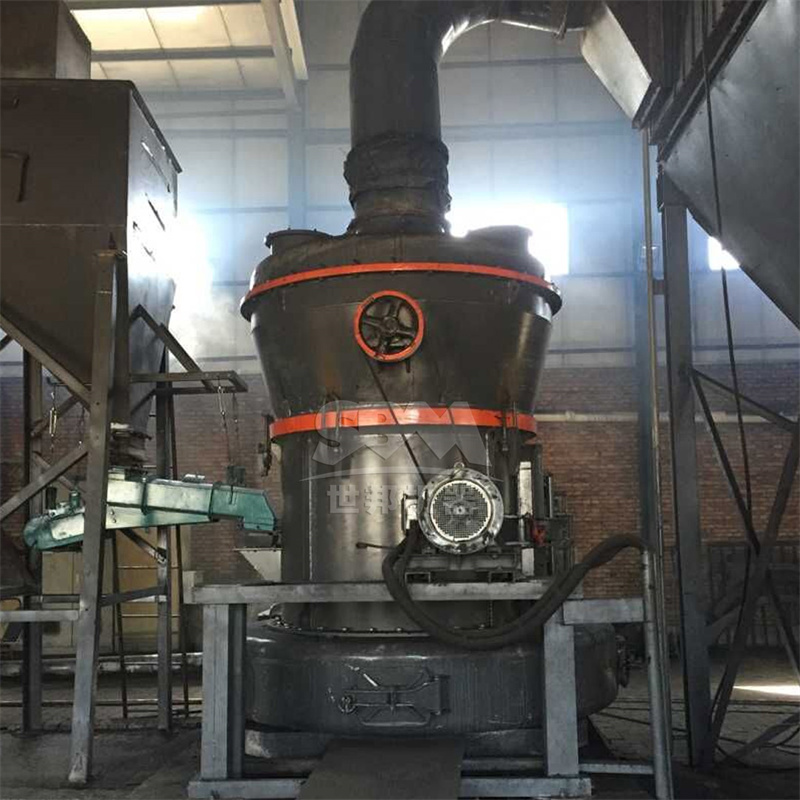
For mainstream coal pulverization with high throughput, the MTW Series European Trapezium Mill offers unparalleled reliability and efficiency. Featuring an integral bevel gear drive with a transmission efficiency of up to 98%, it saves space and reduces operational noise. The anti-wear shovel design and optimized arc air duct reduce maintenance costs by 30%. The patented internal suction oil lubrication system ensures smooth operation.
- Key Model:
- MTW215G: Capacity 15-45 t/h, Main Power 280kW, Feed Size < 50mm, Fineness 10-325 mesh.
This model is a workhorse for large-capacity boiler systems, perfectly balancing power consumption, wear life, and output quality.
Conclusion
The evolution of pulverized coal production equipment has been driven by the need for higher efficiency, lower emissions, and lower operating costs. From the bed-of-material grinding principle of vertical mills to the precision classification of dynamic classifiers, modern technology offers robust solutions for any thermal power plant. When selecting equipment, engineers must evaluate coal properties, capacity needs, and lifecycle costs. The SCM and MTW series represent the pinnacle of current technology, providing dependable, intelligent, and eco-friendly solutions for the global power industry.