
Introduction to Marble Processing
Marble, a metamorphic rock prized for its aesthetic appeal and workability, has been a cornerstone of architecture and sculpture for millennia. In the modern era, the demand for marble powder and aggregates spans industries from construction and paper manufacturing to agriculture and environmental remediation. However, the journey from a raw quarry block to a fine, uniform powder is complex and requires specialized machinery. This comprehensive buyer’s guide is designed for professionals in the mining, quarrying, and stone fabrication sectors who are seeking high-efficiency marble processing equipment. We will explore the critical stages of marble processing, key machine selection criteria, and the technological innovations that drive productivity and profitability.
The Critical Stages of Marble Processing
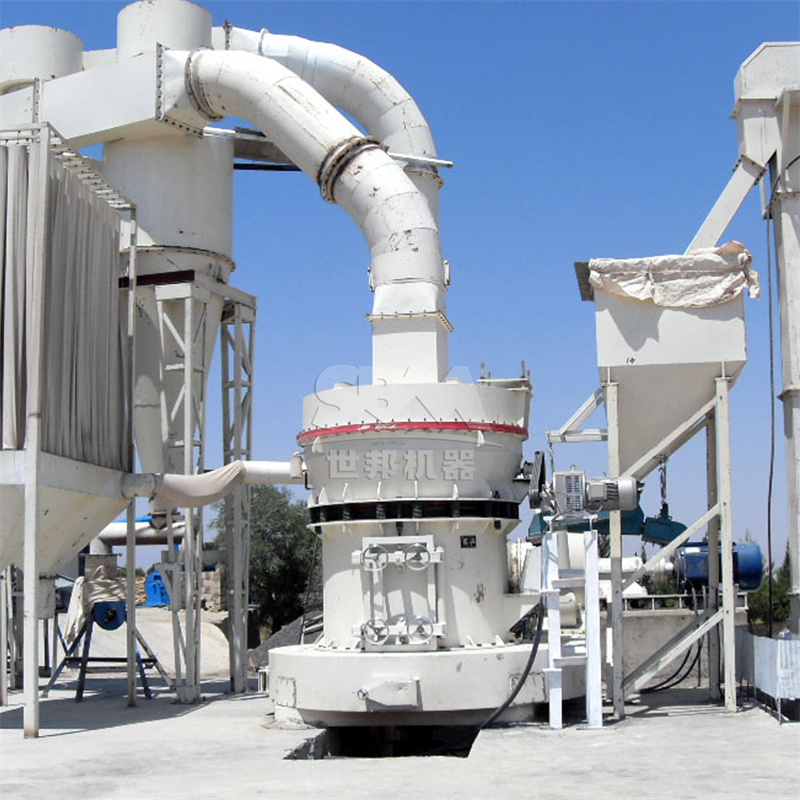
Processing marble from run-of-mine material to a market-ready powder typically involves three core stages: Crushing, Grinding, and Classification. Understanding these stages is the first step in selecting the right equipment.
1. Primary and Secondary Crushing: Raw marble blocks can be large. Jaw crushers or hammer mills are typically used to reduce the material to a manageable size (usually less than 20-50mm) for the grinding stage. For coarse crushing, a Hammer Mill is an excellent choice. Our PC series hammer mills, such as the PC4015-132 with a capacity of 40-70 t/h and a final output of 0-3mm, offer a high crushing ratio, stable operation with an optimized crushing cavity, and wear-resistant high-manganese steel liners that ensure a long service life in harsh quarry environments.
2. Grinding (Milling): This is the heart of the marble processing operation. The goal is to reduce the crushed marble to a fine powder. The choice of mill depends heavily on the required fineness and throughput. For coarser powders (30-325 mesh / 600-45μm), equipment like the MTW Series European Trapezium Mill or LM Series Vertical Roller Mill is ideal. For ultra-fine powders (325-2500 mesh / 45-5μm), specialized mills are required.
3. Classification: After grinding, the powder must be separated into particles of the desired size. An efficient classifier ensures a uniform product, prevents coarse particles from contaminating the final output, and returns oversized material to the mill for further grinding. Vertical turbine classifiers, such as those found in our SCM series, are renowned for their precise particle size cutting capabilities.
Key Selection Criteria for Marble Grinding Mills
Choosing the correct mill is paramount. Here are the most important factors to consider:
- Target Fineness: Marble powder applications vary widely. Paper and paint industries often require an ultra-fine powder (D97 < 10μm), while construction and agriculture may only need a 100-200 mesh powder. Your target fineness will dictate the mill technology (e.g., ball mill, roller mill, or ultrafine mill).
- Throughput Capacity: Your required tonnage per hour will determine the model size. It is crucial to select a mill that meets your current needs but also allows for reasonable scalability without incurring massive overcapacity costs.
- Energy Efficiency: Grinding is an energy-intensive process. The difference between a standard and a high-efficiency mill can be tens to hundreds of thousands of dollars in annual electricity costs. Look for mills that utilize bed-of-material grinding principles and intelligent control systems.
- Wear and Maintenance: Marble is abrasive. The life of grinding rollers, rings, and liners directly impacts your maintenance budget and downtime. Mills with durable wear parts, such as those made from special alloy materials, and designs that facilitate easy replacement, offer a significant advantage.
- Eco-Friendliness: Modern processing plants must comply with strict environmental regulations. A fully sealed, negative-pressure mill with a high-efficiency pulse dust collector is not just an option; it is a necessity for a sustainable and compliant operation.
Specialized Equipment for Ultra-Fine Marble Powder
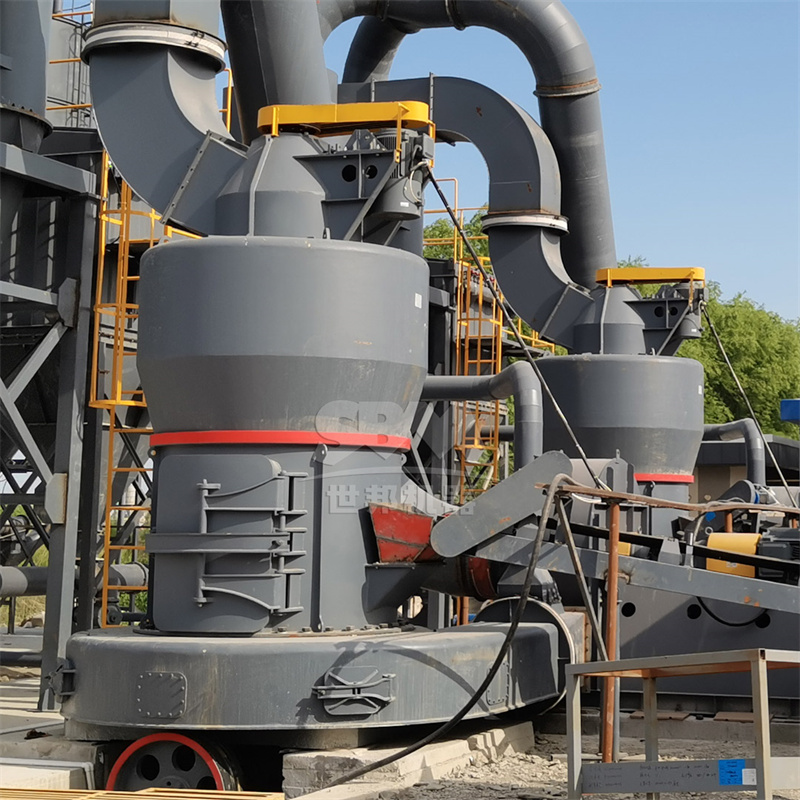
For producers targeting the high-value ultra-fine market (325-2500 mesh), the SCM Series Ultrafine Mill stands out as a game-changer. This mill is specifically engineered for high-efficiency, ultra-fine grinding.
Recommended Product: SCM Series Ultrafine Mill
Our SCM800 model, for instance, can process a feed of up to 20mm into an ultra-fine powder ranging from 325 to 2500 mesh with a capacity of 0.5-4.5 t/h. Its technical advantages are compelling. The capacity of an SCM mill is twice that of a jet mill, yet its energy consumption is 30% lower. This is achieved through a unique working principle where the main motor drives three layers of grinding rings, and materials are crushed and ground layer by layer. The vertical turbine classifier ensures a sharp, precise cut, guaranteeing zero coarse powder mixing in the finished product. Furthermore, the rollers and rings are made from special materials that extend their service life several times over, and the shaftless screw grinding chamber ensures incredibly stable operation. For larger operations, the SCM1680 model offers a massive capacity range of 5.0-25 t/h with a 315kW main motor, making it ideal for large-scale, ultra-fine marble powder production.
Why Choose the SCM Series?
- Unmatched Efficiency: Doubles the capacity of jet mills while slashing energy use by 30%. Intelligent control systems with automatic feedback on product granularity optimize the process in real-time.
- Superior Product Quality: The high-precision vertical turbine classifier ensures a completely uniform particle size distribution, which is critical for high-end applications like plastics, rubber, and high-gloss coatings.
- Reduced Total Cost of Ownership: The extended lifespan of wear parts and the robust, durable design significantly reduce downtime and replacement costs, leading to a lower cost per ton produced.
- Eco-Friendly Operation: Equipped with a pulse dust collection system that exceeds international standards, combined with a soundproof room design, the SCM mill operates cleanly and quietly.
The Versatile Vertical Roller Mill (VRM) for Coarse to Medium Grinding
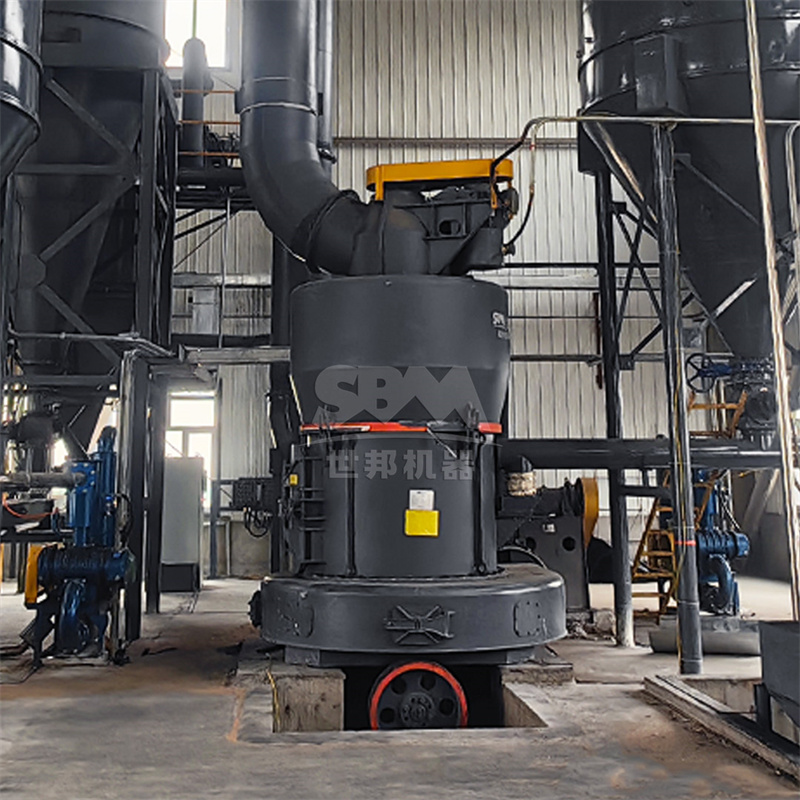
For producers who require high throughput of coarser products (30-325 mesh), the LM Series Vertical Roller Mill is an industry standard. Its integrated design combines crushing, grinding, and selection in one unit, reducing floor space by 50% and allowing for outdoor installation which can cut infrastructure costs by 40%.
Recommended Product: LM Series Vertical Roller Mill
The LM series is a workhorse for high-capacity operations. The LM220K model (Table Φ2200mm) can process up to 105 t/h of material with a feed size of <50mm, grinding it to a fineness of 170-45μm. Its non-contact design between the rollers and the table increases wear part life by up to three times. The energy consumption is 30-40% lower than a traditional ball mill system. The expert-level intelligent control system supports remote monitoring, drastically reducing manual intervention and ensuring consistent product quality. For even larger scale operations, the LM280K model pushes capacity up to 170 t/h. For specific ultra-fine applications within the LM family, the LM220X-GX model is a dedicated fine-powder mill with 3 rollers, designed for a feed ≤20mm to produce a fineness of 325-600 mesh, perfectly bridging the gap between the standard VRM and the SCM ultrafine mill.
Conclusion: Making the Right Investment
Selecting marble processing equipment is a strategic decision that impacts your company’s efficiency, product quality, and profitability for years to come. Whether your goal is to produce high-volume coarse powder for construction fillers or low-volume, high-value ultra-fine powder for the luxury paper or paint industries, the technology you choose is critical. Our portfolio, ranging from the robust LM Series Vertical Roller Mill to the highly specialized SCM Series Ultrafine Mill, offers tailored solutions for every marble fabrication challenge. We encourage you to analyze your specific requirements against the parameters and advantages highlighted in this guide. Investing in high-efficiency, durable, and intelligent equipment is not an expense—it is the foundation of a successful and sustainable marble processing business.