
Introduction
Titanium dioxide (TiO₂) is the most widely used white pigment in the plastics industry, prized for its high refractive index, chemical stability, and opacity. However, the performance of titanium colorants in plastic products is critically dependent on the quality of pigment dispersion. Poor dispersion leads to visible streaks, reduced tinting strength, and compromised mechanical properties. This article explores the challenges of titanium pigment dispersion in plastic masterbatch production and presents advanced milling solutions designed to optimize particle size distribution, reduce energy consumption, and ensure consistent product quality.
The Challenge of Pigment Dispersion in Plastics
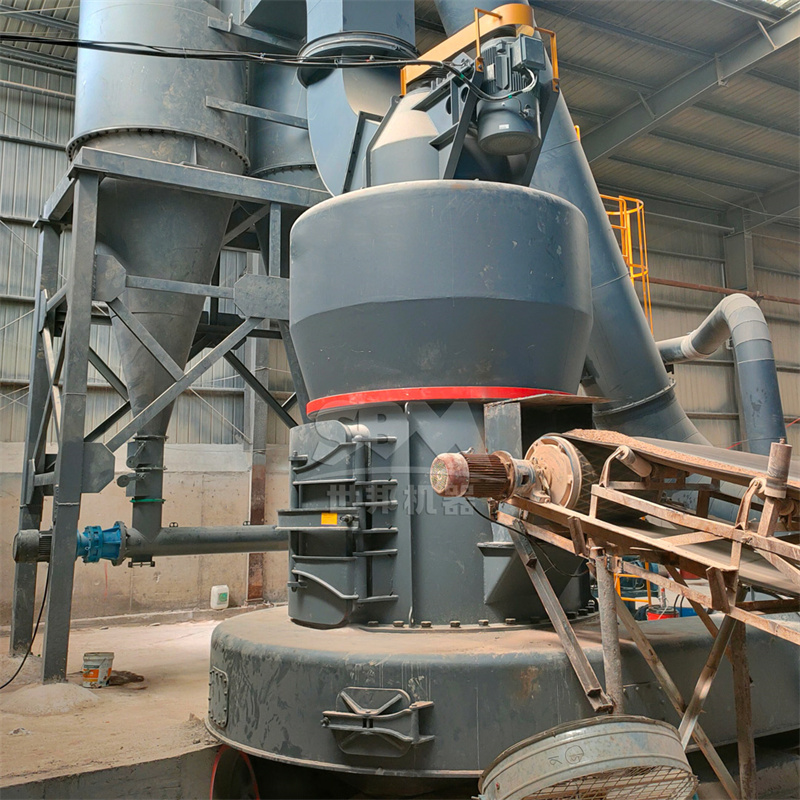
Titanium dioxide pigments typically have primary particle sizes ranging from 200 to 350 nanometers. In manufacturing, these particles tend to agglomerate due to surface forces and static charge. Achieving uniform dispersion requires breaking these agglomerates down to individual particles or small clusters. The degree of dispersion directly affects key performance metrics: color consistency, gloss, hiding power, and UV stability. In the production of plastic masterbatch, the pigment is compounded with a carrier resin and various additives. The milling equipment used must deliver precise particle size reduction while maintaining throughput efficiency.
Key Parameters for Milling Titanium Colorants
When selecting equipment for titanium colorant production, several critical parameters must be considered. Input feed size determines the initial handling requirements—most high-performance mills can accept materials up to 20-50mm. The desired output fineness for titanium dioxide is typically between 325 mesh (45μm) and 2500 mesh (5μm), depending on the application. High-end applications such as thin film extrusion or fiber spinning require ultrafine particles below 10μm to eliminate surface defects. Capacity requirements vary from small laboratory batches of 0.5 tons per hour to industrial-scale production exceeding 250 tons per hour. Energy efficiency, wear resistance, and environmental compliance are equally important factors in modern plant design.
Advanced Grinding Technologies for Pigment Dispersion
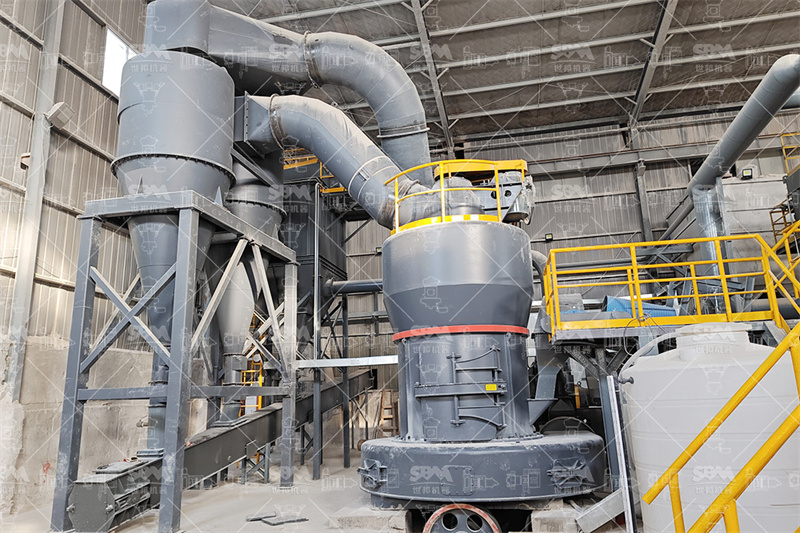
Our company offers a comprehensive range of milling equipment specifically engineered for demanding pigment applications. The SCM Series Ultrafine Mill achieves output fineness from 325 to 2500 mesh (45-5μm), making it ideal for high-end titanium colorant production. This mill delivers twice the capacity of jet mills while consuming 30% less energy. The patented vertical turbine classifier ensures precise particle size cutting without coarse powder contamination, guaranteeing uniform finished products. Intelligent control with automatic granularity feedback maintains consistent quality during continuous operation. For applications requiring output fineness between 30 and 325 mesh (600-45μm), the MTW Series European Trapezium Mill offers exceptional reliability with its integral bevel gear drive achieving 98% transmission efficiency. The anti-wear shovel design and optimized arc air duct reduce maintenance costs by up to 30%. Both mills feature eco-friendly pulse dust collection systems that exceed international emission standards, with soundproof room designs ensuring noise levels below 85 decibels.
Product Recommendation: SCM Series Ultrafine Mill
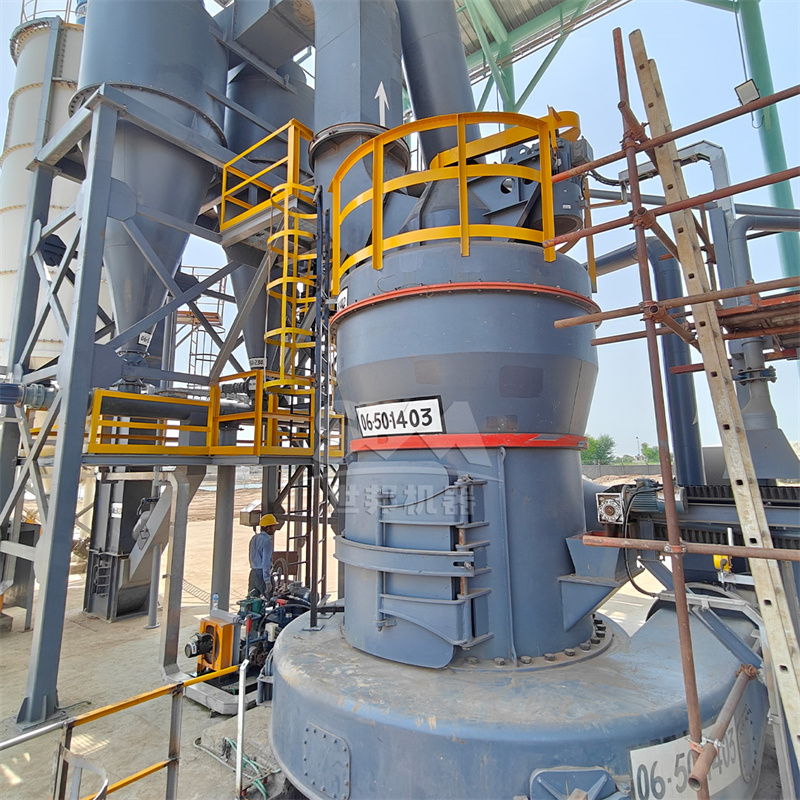
For producers of high-performance titanium colorant masterbatch, we strongly recommend the SCM Series Ultrafine Mill (45-5μm). Its capability to achieve ultra-fine particles down to 5 microns is unmatched for applications requiring maximum opacity and color strength. The SCM1250 model, with a capacity of 2.5-14 tons per hour and 185kW main power, represents the ideal balance for medium to large-scale production. The three-layer grinding ring mechanism ensures materials are crushed and ground layer by layer, achieving uniform particle distribution. The special material rollers and rings extend service life several times over compared to conventional mills, resulting in lower total cost of ownership. For customers seeking even higher throughput, the SCM1680 model delivers 5-25 tons per hour with a 315kW main motor.
Product Recommendation: MTW Series European Trapezium Mill
Alternatively, for producers focused on macro-scale pigment dispersion with high output requirements, the MTW Series European Trapezium Mill (600-45μm) offers exceptional value. The MTW215G model achieves 15-45 tons per hour capacity with a 280kW main power, making it one of the most efficient mills in its class. The curved shovel design extends grinding roller life while the non-resistance flow volute structure reduces maintenance costs by 30%. The internal suction oil lubrication system, protected by independent intellectual property rights, ensures trouble-free operation over extended periods. This mill excells in applications where the final fineness range of 30-325 mesh is acceptable, such as general-purpose masterbatch for injection molding and blow molding.
Optimizing Efficiency Through Integrated Design
Modern pigment milling lines benefit greatly from integrated system design. Our LM Series Vertical Roller Mill reduces floor space by 50% compared to traditional ball mill systems, with infrastructure costs lowered by 40%. The non-contact design between rollers and table increases wear part life by three times, while energy consumption is 30-40% lower. For pre-grinding applications, the LM-Y Vertical Pre-grinding Roller Mill offers additional flexibility, reducing power consumption by 30-50% through bed grinding principles. These integrated solutions allow pigment manufacturers to build compact, efficient production lines that reduce capital expenditure while improving product consistency.
Particle Size Distribution and Quality Control
The quality of titanium colorant dispersion is ultimately determined by particle size distribution (PSD). A narrow PSD ensures uniform color development and predictable processing behavior. Our classifiers utilize multi-stage adjustment technology to achieve precise particle separation. The dynamic classifier on the LM series, combined with the vertical turbine classifier on the SCM series, provides multiple levels of classification to meet the most stringent specifications. Real-time monitoring systems track key parameters including motor load, classifier speed, and airflow, enabling automatic adjustments to maintain consistent output quality. For industries requiring traceability, our intelligent control systems log production data that can be integrated with plant-wide quality management systems.
Environmental and Operational Considerations
Environmental compliance is increasingly important in pigment manufacturing operations. Our milling equipment is designed with fully sealed negative pressure systems that prevent dust leakage. The pulse dust collection efficiency exceeds international standards, achieving emission levels below 10 mg/m³. Soundproof room designs reduce operating noise to below 85 decibels, meeting workplace safety requirements without compromising accessibility for maintenance. The modular design of our mills allows for rapid roller and liner replacement, reducing downtime by up to 40% compared to conventional designs. Combined shovel blade assemblies on the MTW series further reduce maintenance intervention frequency.
Conclusion
Producing high-performance titanium colorants for plastic products requires sophisticated milling equipment that balances particle size precision, throughput efficiency, and operational reliability. Our SCM Series Ultrafine Mill and MTW Series European Trapezium Mill represent the cutting edge of pigment dispersion technology, offering solutions for every scale of production from 0.5 to 250 tons per hour. By choosing equipment with intelligent control systems, durable wear components, and integrated environmental protection, pigment manufacturers can achieve consistent quality while reducing energy consumption and total cost of ownership. Contact our engineering team to discuss your specific requirements and discover which configuration best optimizes your titanium colorant production process.