
Introduction
Cement manufacturing is a complex process that requires precise control over raw material preparation, clinker grinding, and gypsum processing. Among these stages, the grinding of cement clinker and the addition of gypsum play a critical role in determining the final quality of cement, including its fineness, setting time, and strength development. The selection of advanced grinding equipment directly impacts production efficiency, energy consumption, and the consistency of the finished product. This article explores how modern grinding and processing equipment, such as vertical roller mills, ultrafine mills, and trapezium mills, enhance both cement quality and production efficiency.
The Role of Clinker Grinding in Cement Quality
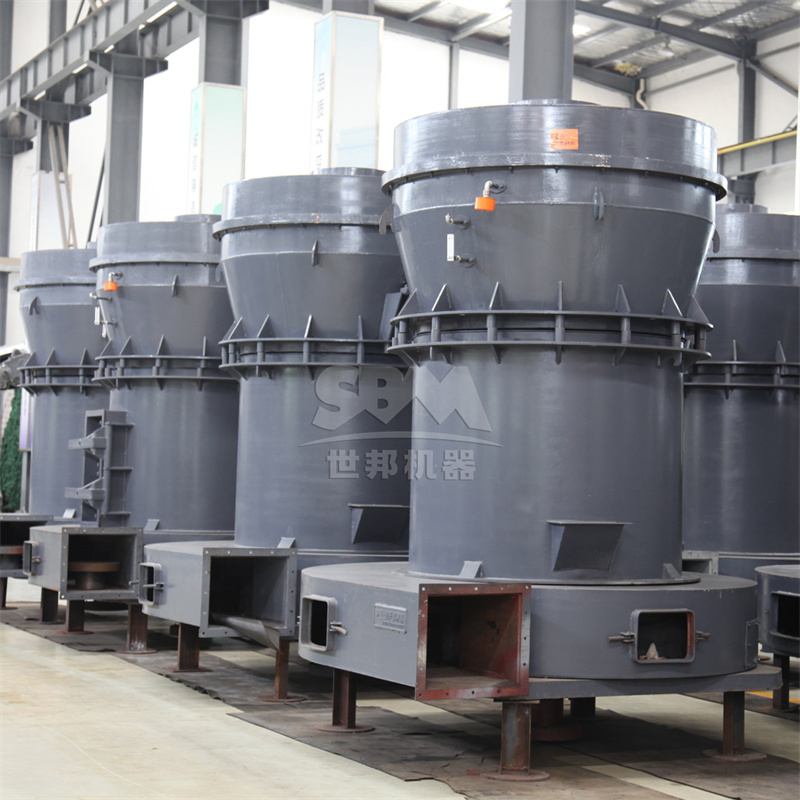
Clinker grinding is the final step in cement production, where clinker nodules are ground into a fine powder. The fineness of the cement directly influences the rate of hydration and strength development. Finer cement particles react more quickly with water, leading to higher early strength, but excessive fineness can increase energy consumption and reduce mill throughput. Therefore, achieving the optimal particle size distribution (PSD) is essential for balancing quality and efficiency.
Modern grinding mills are designed to produce uniform particle sizes with minimal coarse fractions. Advanced classification systems, such as dynamic classifiers, ensure that only particles meeting the specified fineness exit the mill. This precision leads to more consistent cement quality and reduces the need for post-grinding sieving or blending. Moreover, the ability to adjust fineness on the fly allows manufacturers to respond quickly to changing market demands or raw material variations.
Gypsum Processing and Its Effect on Cement Performance
Gypsum (calcium sulfate dihydrate) is added to clinker during grinding to control the setting time of cement. Without gypsum, cement would set rapidly upon mixing with water, rendering it unworkable. The grinding equipment must efficiently mix and grind gypsum with clinker to ensure uniform distribution. If gypsum is not properly ground, it can lead to false set or flash set, compromising the quality of concrete.
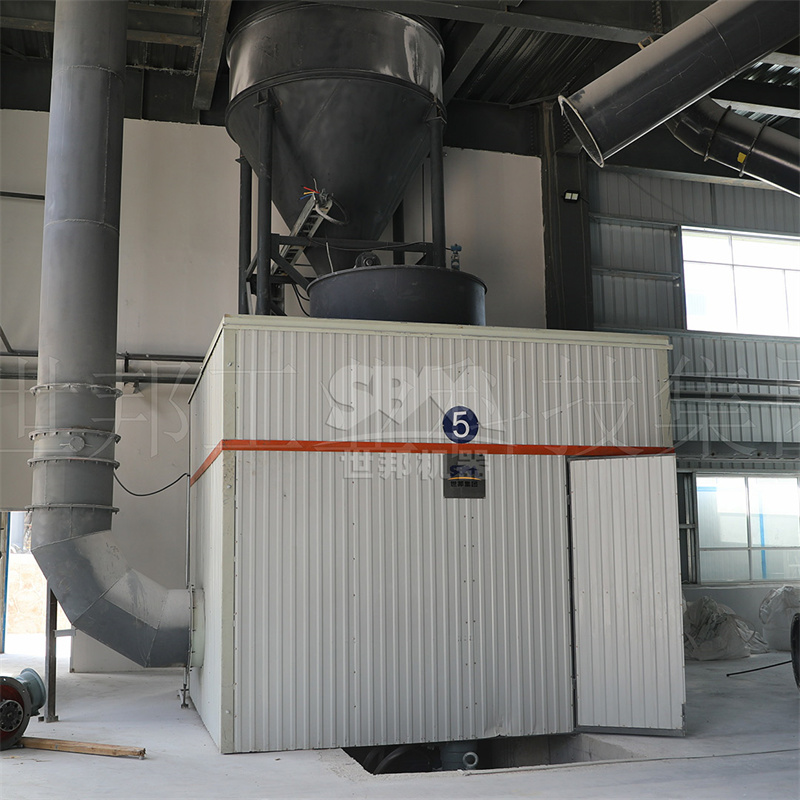
Equipment such as the SCM Series Ultrafine Mill is ideal for processing gypsum into a fine powder (325-2500 mesh) that blends seamlessly with clinker. The high-precision classification system of the SCM mill ensures that gypsum particles are uniformly dispersed, preventing localized over-sulfation and ensuring consistent setting times. Additionally, the energy-efficient design of the SCM mill reduces the overall power consumption of the grinding circuit.
Vertical Roller Mills: A Game-Changer for Efficiency
Vertical roller mills (VRMs) have revolutionized the cement industry by integrating drying, grinding, and classification into a single unit. The LM Series Vertical Roller Mill is a prime example of this technology. It offers significant advantages over traditional ball mills, including a 30-40% reduction in energy consumption and a 50% reduction in floor space. The integrated design also allows for outdoor installation, reducing infrastructure costs by up to 40%.
In clinker grinding, VRMs produce cement with a narrow PSD, which improves workability and strength development. The non-contact design between rollers and table extends the life of wear parts by three times, reducing maintenance downtime. Intelligent control systems monitor parameters such as material bed thickness, mill differential pressure, and product fineness in real time, allowing operators to optimize performance without manual intervention.
For gypsum processing, VRMs can handle the moisture content typical of natural or synthetic gypsum, drying it using hot air from the kiln or auxiliary heat sources. The classifier can be adjusted to produce gypsum powder with a specific surface area suitable for cement applications. This flexibility makes VRMs a versatile choice for both clinker and gypsum grinding.
Ultrafine Mills for Specialty Cement Applications
Some cement applications, such as high-performance concrete or oil well cement, require extremely fine materials. The SCM Series Ultrafine Mill is specifically designed for such applications, producing powders from 325 to 2500 mesh. With a capacity of 0.5 to 25 tons per hour, it is suitable for both small-scale and large-scale operations.
The working principle of the SCM mill involves three layers of grinding rings driven by a main motor. Materials are dispersed by centrifugal force and crushed by roller pressure. The vertical turbine classifier ensures that no coarse particles mix into the final product, guaranteeing uniform fineness. This precision is critical for specialty cements where even slight variations in particle size can affect performance.
Additionally, the SCM mill is equipped with a pulse dust collection system that exceeds international environmental standards. The soundproof room design keeps noise levels below 85 dB, making it suitable for installation in urban or environmentally sensitive areas. For cement producers looking to expand into high-value markets, the SCM mill offers a competitive edge.
Energy Efficiency and Environmental Benefits
Energy consumption is one of the largest cost factors in cement production. Traditional ball mills can consume up to 50% of the electrical energy used in a cement plant. In contrast, modern grinding equipment like the LM Series Vertical Roller Mill reduces energy consumption by 30-40% compared to ball mills. This is achieved through the use of a grinding bed principle, where material is crushed between rollers and a rotating table, rather than by impact and attrition in a tumbling mill.
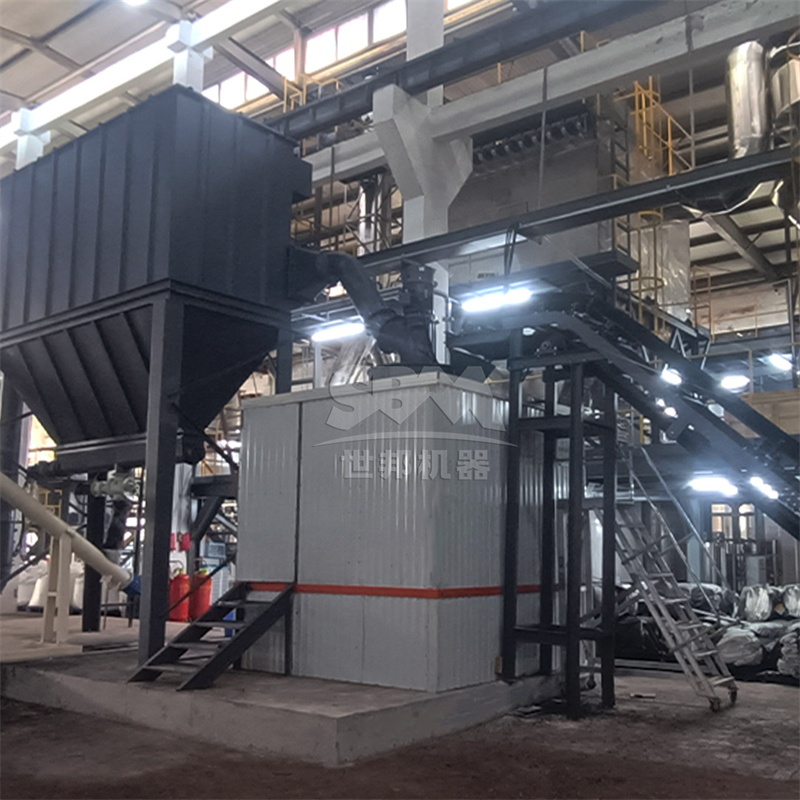
Environmental benefits also extend to dust and noise control. Pulse dust collectors integrated into the SCM and LM series mills capture 99.9% of particulate matter, ensuring compliance with strict emission regulations. The sealed, negative-pressure operation of VRMs prevents dust leakage, while the soundproof enclosures reduce noise pollution. These features are increasingly important as cement plants face tighter environmental scrutiny.
Conclusion
The choice of grinding equipment is a strategic decision that affects cement quality, production efficiency, and operational costs. Advanced mills such as the LM Series Vertical Roller Mill and the SCM Series Ultrafine Mill offer precise control over fineness, improved energy efficiency, and lower maintenance requirements. By investing in modern grinding technology, cement manufacturers can enhance the consistency of their products, reduce environmental impact, and achieve a competitive advantage in the market.
For those seeking a versatile solution for both clinker and gypsum grinding, the MTW Series European Trapezium Mill is also an excellent choice, offering capacities up to 45 tons per hour and fineness down to 600 microns. Whichever equipment is selected, the key is to match the mill’s capabilities with the specific requirements of the production process to maximize returns.