Introduction: The Growing Demand for Lithium Mica Processing
As the global demand for lithium-ion batteries surges, driven by electric vehicles and renewable energy storage, the importance of extracting lithium from unconventional sources has never been greater. Lithium mica, a mineral group including lepidolite and zinnwaldite, represents a significant resource for lithium production. However, to achieve efficient lithium extraction and processing, selecting the right powder production equipment is critical. The grinding and classification stage directly influences the efficiency of subsequent chemical processing, such as acid roasting or leaching. This article provides a comprehensive guide on how to choose the right equipment for lithium mica powder production, focusing on key factors like feed size, capacity, and energy efficiency.
Understanding Lithium Mica Grinding Requirements
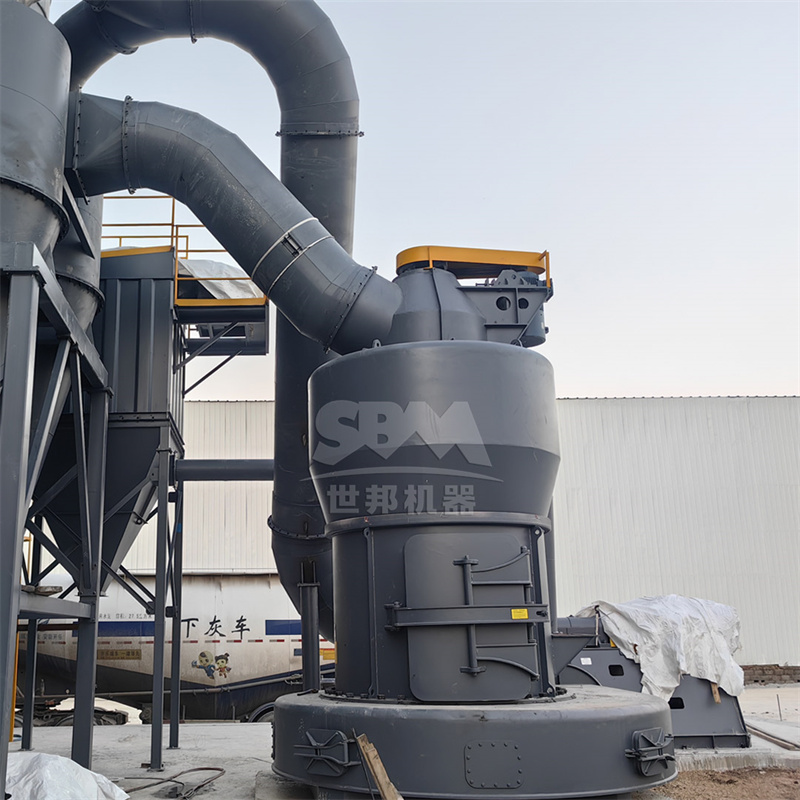
Lithium mica typically requires fine grinding to liberate lithium-bearing minerals and increase the surface area for chemical reactions. The desired fineness often ranges from 325 mesh (45 microns) to 2500 mesh (5 microns), depending on the extraction method. The hardness and abrasiveness of mica, combined with its layered structure, necessitate equipment that can handle high throughput while maintaining consistent particle size. Key considerations include input material size, moisture content, and the required capacity per hour. For instance, an operation processing 10 tons per hour of feed material with a maximum size of 20mm will have very different equipment needs compared to a smaller pilot plant.
Key Selection Criteria for Efficient Lithium Mica Processing
When evaluating production equipment for lithium mica, several technical parameters must be assessed:
1. Output Fineness and Classification Precision: The ability to achieve a consistent, narrow particle size distribution is vital for efficient leaching. Equipment with high-precision classifiers, such as vertical turbine classifiers, ensures no coarse powder mixing, thereby maximizing lithium recovery rates.
2. Energy Consumption and Capacity: Grinding is an energy-intensive process. Selecting equipment with lower energy consumption per ton of product significantly impacts operational costs. For example, advanced mills can offer double the capacity of jet mills with 30% lower energy use, making them ideal for large-scale lithium mica processing.
3. Wear Resistance and Durability: Lithium mica is abrasive. Equipment with specially formulated wear-resistant materials for rollers, rings, and liners reduces downtime and extends service life. Shaftless screw grinding chambers and non-contact roller-table designs further enhance stability and longevity.
4. Environmental and Operational Considerations: Eco-friendly operation with pulse dust collection systems, low noise levels, and intelligent control systems that provide automatic feedback on finished product granularity are essential for modern mining operations. These features reduce manual intervention and ensure compliance with environmental standards.
Recommended Equipment: The SCM Series Ultrafine Mill
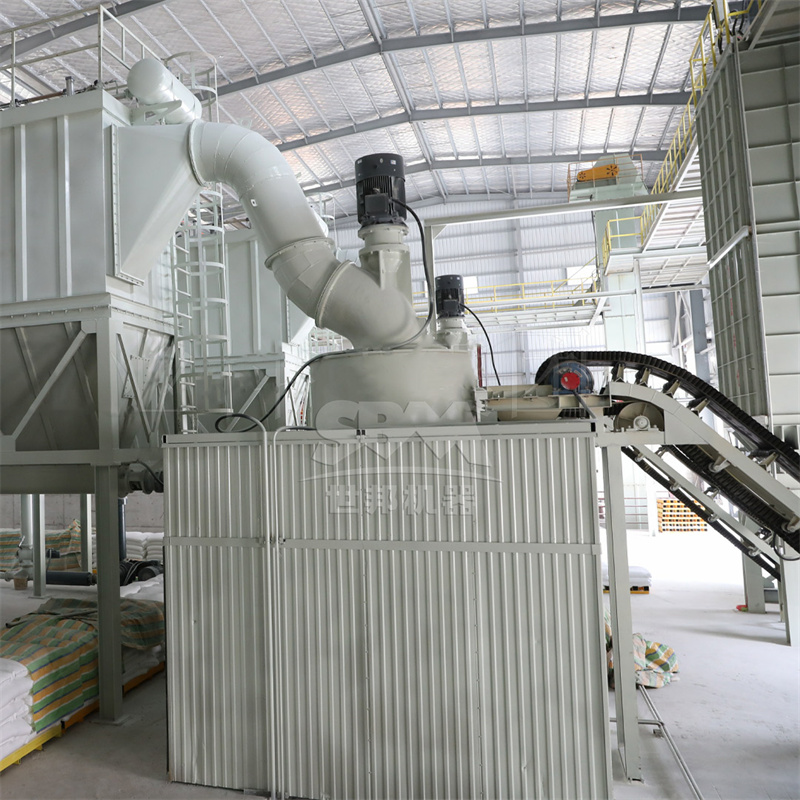
For operations requiring fine to ultra-fine powder (325-2500 mesh), the SCM Series Ultrafine Mill is an outstanding choice. Its core parameters—input size ≤20mm, capacity up to 25 ton/h—align perfectly with lithium mica processing needs. The mill achieves high efficiency through a three-layer grinding ring system where materials are crushed by roller pressure and ground layer by layer. The vertical turbine classifier provides precise particle size cutting, ensuring no coarse powder contamination. With intelligent control and automatic finished product granularity feedback, operators can maintain consistent product quality. The special material rollers and rings extend service life, while the pulse dust collection efficiency exceeds international standards, making it an environmentally responsible solution. For example, the SCM1680 model, with a capacity of 5.0-25 ton/h and a main power of 315kW, is well-suited for industrial-scale lithium mica production.
Recommended Equipment: The LM Series Vertical Roller Mill
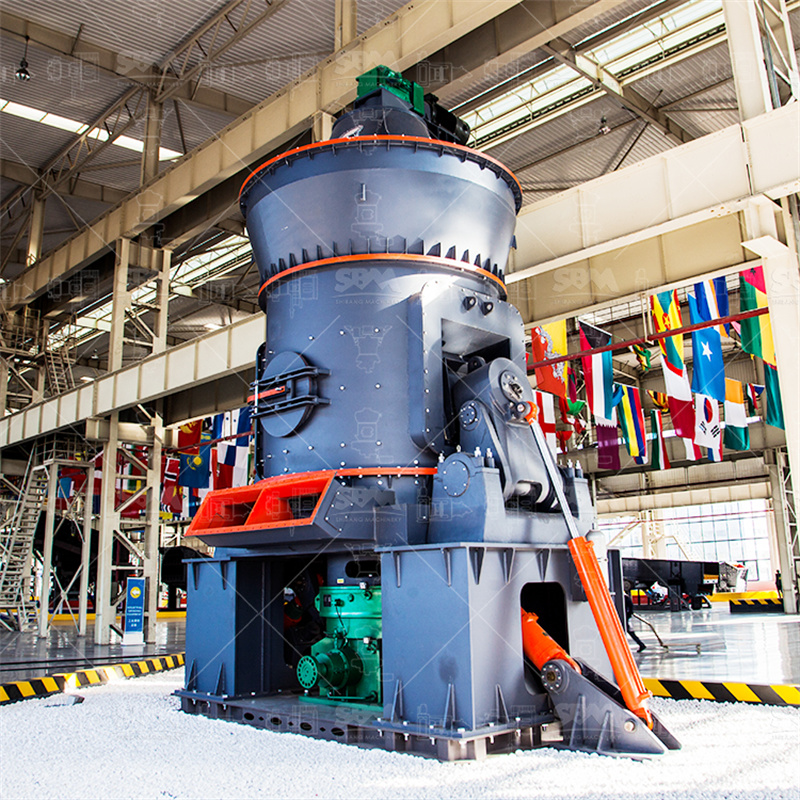
When large throughput and lower operational costs are priorities, the LM Series Vertical Roller Mill offers significant advantages. This system integrates crushing, grinding, and selection, reducing floor space by 50% and infrastructure costs by 40%. Its non-contact design between rollers and grinding table increases wear part life by three times and reduces energy consumption by 30-40% compared to ball mill systems. For lithium mica, the LM series can achieve a fineness of 30-325 mesh with capacities reaching 250 ton/h. The intelligent auto-control system supports remote monitoring and real-time parameter optimization, reducing manual intervention. The fully sealed negative pressure operation ensures dust emissions and noise levels are well within regulatory limits. The LM280K model, with a capacity of 50-170 ton/h, is ideal for large-scale processing plants.
Comparing Other Options for Lithium Mica
Other available equipment includes the MTW Series European Trapezium Mill, suitable for coarser production (30-325 mesh) with capacities up to 45 ton/h, featuring an integral bevel gear drive with 98% transmission efficiency. The MTM Series Medium-speed Trapezium Mill offers intelligent pressure regulation for roller wear compensation, ideal for medium-scale operations. For smaller throughput applications, the MRN Pendulum Mill with thin oil lubrication provides a maintenance-free design. Selecting the correct equipment depends heavily on the specific fineness requirement; for ultra-fine (5-30 micron) applications, the LUM Ultrafine Vertical Roller Mill is another strong candidate.
Conclusion: Strategic Selection for Optimal Extraction
Choosing the right lithium mica powder production equipment is a strategic decision that impacts lithium extraction efficiency, operational costs, and environmental compliance. The SCM Series Ultrafine Mill excels in high-precision ultrafine grinding necessary for modern leaching processes, while the LM Series Vertical Roller Mill provides unmatched efficiency and capacity for larger operations. Both incorporate advanced features such as intelligent control, wear-resistant materials, and eco-friendly designs. By thoroughly evaluating your feed specifications, target fineness, and capacity requirements, you can select equipment that maximizes lithium recovery and ensures long-term profitability in the competitive lithium market. Investing in high-quality, efficient grinding technology is the foundation of successful lithium mica processing.