
Introduction
Granite is one of the hardest and most durable natural stones, widely used in construction, monuments, countertops, and decorative applications. Processing granite efficiently requires a comprehensive understanding of crushing, grinding, and screening equipment. Advanced machinery not only enhances productivity but also ensures precise particle size distribution, energy efficiency, and environmental compliance. This article explores the key machines essential for modern granite processing lines, highlighting the technological advancements that drive the industry forward.
Primary Crushing: Breaking Down the Boulders
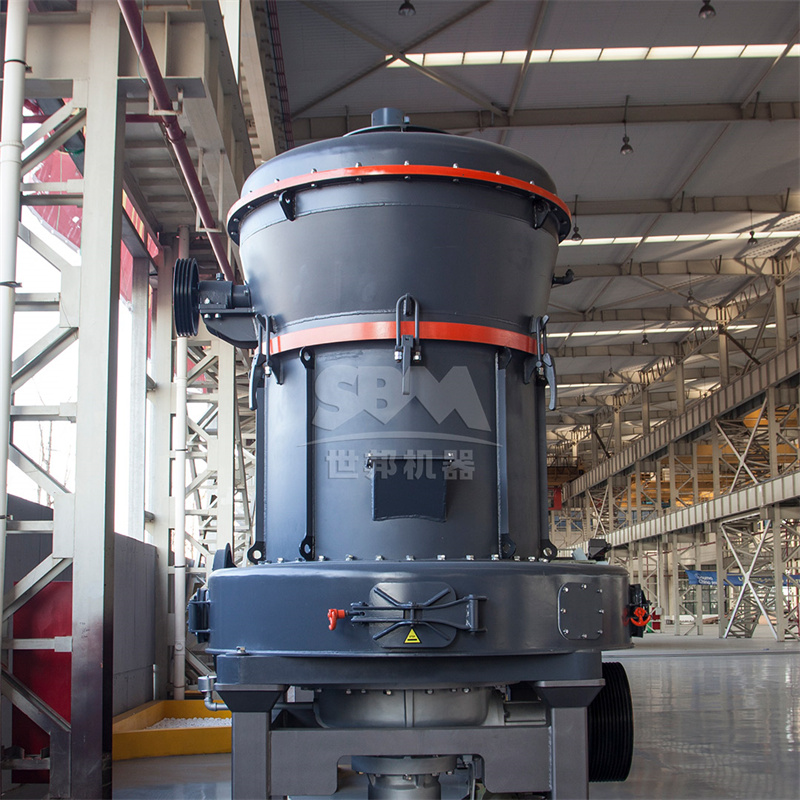
The first stage in granite processing is primary crushing, where large boulders are reduced to manageable sizes. Jaw crushers or gyratory crushers are typically employed for this purpose. These machines utilize compressive force to break the stone, achieving a reduction ratio of up to 6:1. For high-capacity operations, impact crushers may also be used, offering a cubic shape product. Modern primary crushers feature hydraulic adjustment systems, wear-resistant liners, and automated controls to optimize throughput and minimize downtime. The output from primary crushing, usually ranging from 100mm to 300mm, is then conveyed to secondary crushing stages.
Secondary and Tertiary Crushing: Refining the Particle Size
After primary crushing, cone crushers or impact crushers further reduce the material to smaller dimensions. Cone crushers are particularly effective for granite due to their ability to handle high hardness and produce consistent cubical shapes. They operate by compressing the rock between a rotating mantle and a concave bowl. Advanced models offer hydraulic tramp release, automated cavity clearing, and remote monitoring capabilities. For fine crushing, vertical shaft impactors (VSI) are used to achieve excellent shaping and sand production. The secondary crushing stage typically produces material in the 20-60mm range, while tertiary crushing can achieve sizes as fine as 5-15mm.
Grinding Mills: From Coarse to Fine Powder
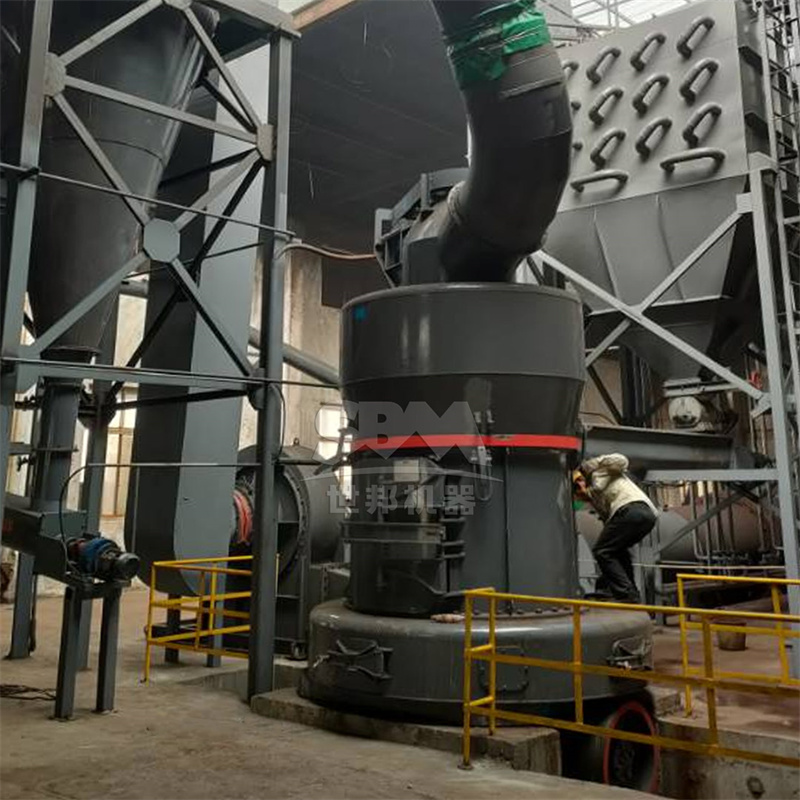
For applications requiring fine or ultra-fine granite powder, grinding mills are indispensable. Depending on the desired fineness, various mill types are selected. For coarse to medium grinding (30-325 mesh), the MTW Series European Trapezium Mill is an excellent choice. Its integral bevel gear drive achieves transmission efficiency up to 98%, and the anti-wear shovel design significantly reduces maintenance costs. The MTW mill can process feed sizes up to 50mm and delivers capacities ranging from 3 to 45 ton/h. For ultra-fine applications (325-2500 mesh), the SCM Series Ultrafine Mill stands out with its high-efficiency classification and energy-saving performance. Its capacity is twice that of jet mills, with 30% lower energy consumption. The SCM mill’s vertical turbine classifier ensures precise particle size cutting, producing uniform finished products without coarse powder mixing.
Advanced Grinding Technologies: The SCM Series Ultrafine Mill
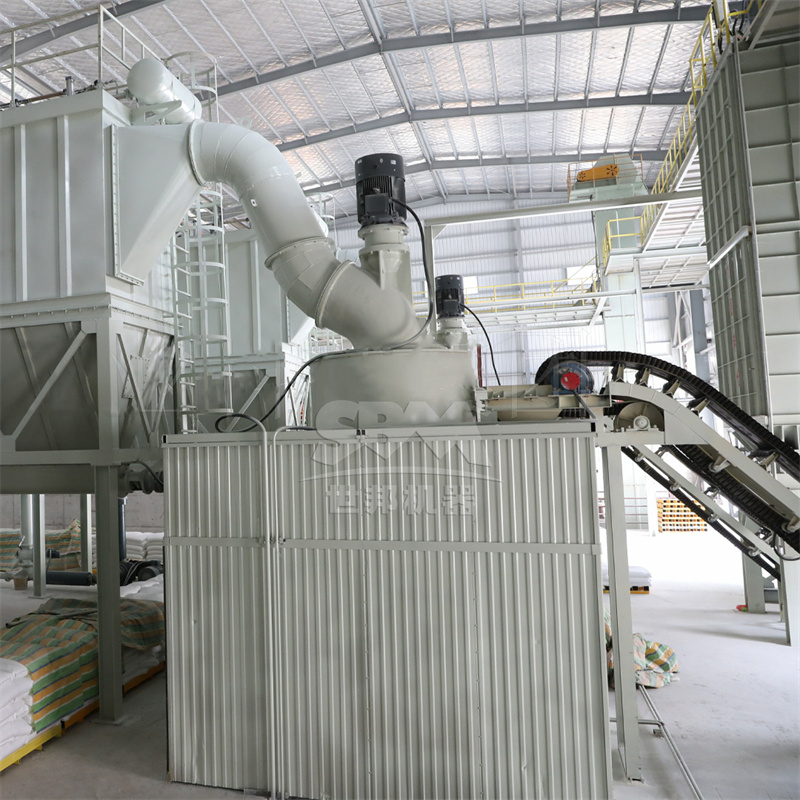
For the production of ultra-fine granite powder used in high-end fillers, coatings, and plastics, the SCM Series Ultrafine Mill is a game-changer. With an output fineness ranging from 325 to 2500 mesh (45-5μm), this mill delivers exceptional performance. Its working principle involves three layers of grinding rings rotating at high speed, dispersing materials into the grinding path by centrifugal force. The rollers and rings are made of special materials that extend service life several times over. The shaftless screw grinding chamber ensures stable operation, while the pulse dust collection system exceeds international environmental standards. Models range from the SCM800 (0.5-4.5t/h) to the SCM1680 (5-25t/h), making it suitable for both small-scale and large-scale production. The intelligent control system provides automatic finished product granularity feedback, ensuring consistent quality.
Efficient Grinding: The MTW Series European Trapezium Mill
When processing granite into medium-fine powders for construction materials or industrial applications, the MTW Series European Trapezium Mill offers unbeatable efficiency. Its optimized arc air duct reduces airflow energy loss, and the high-strength guard plates protect the air duct working surface. The wear-resistant volute structure, with non-resistance flow design, improves air selection efficiency and reduces maintenance costs by 30%. The mill’s combined shovel blades extend grinding roller life, and the curved design further enhances durability. The MTW mill is available in multiple models, including the MTW110 (3-9t/h) and the MTW215G (15-45t/h), with fineness adjustable from 10 to 325 mesh. The internal suction oil lubrication system and internationally advanced pulse dust removal technology ensure reliable and eco-friendly operation.
Vertical Roller Mills: Integrated Crushing and Grinding
For large-capacity granite processing plants, vertical roller mills (VRM) offer integrated crushing, grinding, and classification in a single unit. The LM Series Vertical Roller Mill reduces floor space by 50% compared to traditional ball mill systems, with infrastructure costs reduced by 40%. Its non-contact design between rollers and table increases wear part life by three times, while energy consumption is 30-40% lower. The fully sealed negative pressure operation ensures dust emissions below 20mg/m³, making it environmentally compliant. The LM series can handle feed sizes up to 50mm and achieve fineness from 30-325 mesh, with capacities reaching 250 ton/h. Expert-level auto-control systems support remote and local switching, reducing manual intervention and ensuring stable operation.
Ball Mills: Versatile and Reliable for Coarse Grinding
Ball mills remain a staple in mineral processing due to their high crushing ratio and reliability. For granite, ball mills can operate in both dry and wet modes, covering a wide range of applications from powder preparation to mineral processing. The crushing ratio can reach up to 300:1, and fineness is continuously adjustable from 0.074mm to 0.8mm. Large models feature effective volumes up to 86m³ for continuous production. Grinding media (steel balls) with hardness HRC58-62, combined with wave or step liners, ensure efficient grinding and long service life. Models such as the GMQY3685 (capacity 400-45t/h) demonstrate the scalability of ball mill technology for granite processing.
Screening and Classification: Ensuring Uniform Particle Size
After crushing and grinding, screening is essential to separate the desired particle sizes and ensure product quality. Vibrating screens, such as inclined or horizontal screens, are commonly used in granite processing lines. They can handle multiple deck configurations to separate different size fractions simultaneously. For fine powders, air classifiers or dynamic classifiers integrated into the grinding mill can achieve precise separation without additional equipment. The LM Series Vertical Roller Mill, for example, incorporates a dynamic classifier with multi-stage adjustment technology to control finished product fineness accurately. This integration reduces the need for separate screening units, saving space and energy.
Material Handling and Conveying Systems
Efficient material handling is critical to maintain continuous operation in granite processing plants. Belt conveyors, bucket elevators, and screw conveyors are used to transport material between stages. Dust control is a major concern, so enclosed conveyors and dust collection points are essential. Modern plants use programmable logic controllers (PLC) to automate the entire material flow, from feed to finished product storage. This automation reduces labor costs and improves productivity.
Environmental and Safety Considerations
Granite processing generates dust, noise, and vibration, which must be managed to comply with environmental regulations. Equipment like the SCM Series Ultrafine Mill and MTW Series European Trapezium Mill incorporate pulse dust collectors and soundproof designs to minimize emissions and noise levels below 85dB. Water spray systems and misting nozzles are used in crushing stages to suppress dust. Safety features such as emergency stops, guards, and interlocking systems are mandatory on all machinery. Regular maintenance and inspection schedules ensure equipment operates safely and efficiently.
Case Studies and Applications
In a typical granite powder production line, the process begins with a jaw crusher reducing boulders to 200mm. The material is then fed into a cone crusher for secondary crushing to 20mm. From there, it enters either the SCM Series Ultrafine Mill for ultra-fine powder or the MTW Series European Trapezium Mill for medium fineness. After grinding, air classifiers separate the product, and pulse dust collectors capture fines. The final product is stored in silos or bagged for shipment. Such a line can produce 10-25 ton/h of 800 mesh granite powder for the paint industry or 30 ton/h of 200 mesh powder for construction additives.
Conclusion
Advanced granite processing equipment has transformed the industry, enabling higher productivity, better quality, and lower environmental impact. The key machines—crushers, grinding mills, and screens—must be carefully selected based on the desired output fineness, capacity, and material characteristics. The SCM Series Ultrafine Mill and MTW Series European Trapezium Mill represent the pinnacle of grinding technology for granite, offering efficiency, durability, and precision. By integrating intelligent controls, energy-saving designs, and eco-friendly features, these machines help manufacturers stay competitive in the global market. For any granite processing project, investing in advanced equipment is the foundation of long-term success.