
Introduction: The Critical Role of Talc in Modern Coatings
Talc (hydrated magnesium silicate) is a versatile mineral additive widely used in the coatings industry. Its unique plate-like structure provides numerous benefits, including improved hiding power, enhanced durability, better sandability, and reduced cracking. For manufacturers, selecting the right grinding and milling equipment for talc processing is not just a technical decision—it is a strategic one that directly impacts product quality, production efficiency, and overall operational costs. This comprehensive guide will walk you through the key considerations for choosing the optimal production equipment for talc additives in coatings.
Understanding Talc Properties and Coating Requirements
Before diving into equipment selection, it is essential to understand the specific characteristics of talc and the requirements of coating applications. Talc is naturally soft (Mohs hardness of 1), chemically inert, and has a high aspect ratio. In coatings, talc additives are typically required in two main fineness ranges:
- Coarse to Medium Grades (600-45μm, 30-325 mesh): Used for matt finishes, texture control, and as a functional filler in primers and industrial coatings.
- Ultrafine Grades (45-5μm, 325-2500 mesh): Essential for high-gloss architectural paints, automotive coatings, and specialty applications where smoothness and dispersion are critical.
The choice of equipment must therefore align with your target fineness, production capacity, and energy efficiency goals.
Key Factors in Equipment Selection
1. Required Particle Size and Fineness
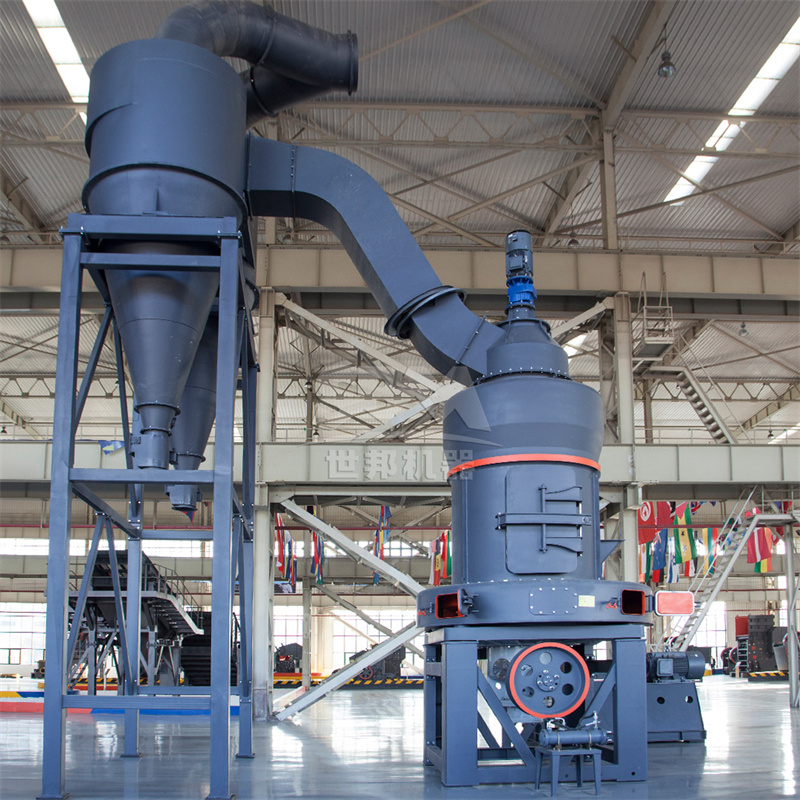
The most fundamental factor is the target particle size distribution. For standard talc additives in general coatings (30-325 mesh), traditional mills may suffice. However, for high-value, performance-driven coatings demanding ultrafine talc (325-2500 mesh), advanced milling technologies are required. The SCM Series Ultrafine Mill is specifically designed for this exact application, achieving output fineness between 45μm and 5μm (325-2500 mesh) with exceptional precision. Its vertical turbine classifier ensures no coarse powder mixing, guaranteeing uniform finished products that meet the strictest coating specifications.
2. Production Capacity and Scalability
Manufacturers must balance current production needs with future growth potential. Equipment should offer a range of capacities to match different scales of operation. For example, the SCM Series offers models from the SCM800 (0.5-4.5 t/h) to the SCM1680 (5.0-25 t/h), allowing manufacturers to scale their production lines efficiently. For larger capacity requirements, the MTW Series European Trapezium Mill provides exceptional throughput, with models like the MTW215G capable of processing 15-45 tons per hour. The MTW series features an integral bevel gear drive with transmission efficiency up to 98%, ensuring that even at high capacities, energy consumption remains optimized.
3. Energy Efficiency and Operating Costs
Energy consumption is one of the largest operational expenses in mineral processing. Modern mills offer significant advantages over traditional technologies. The SCM Ultrafine Mill, for instance, achieves a capacity that is double that of jet mills while consuming 30% less energy. This is made possible through its intelligent control system with automatic finished product granularity feedback, which optimizes grinding parameters in real-time. Similarly, the MTW series incorporates an optimized arc air duct design that reduces airflow energy loss, further lowering operational costs. When evaluating equipment, always consider total cost of ownership, not just initial purchase price.
4. Equipment Durability and Maintenance
Downtime for maintenance directly impacts production efficiency. Talc, while soft, can still cause wear over time, particularly in grinding components. Look for equipment with durable design features. The SCM Series utilizes special material rollers and rings that extend service life several times over, while its shaftless screw grinding chamber ensures stable operation. The MTW series features an anti-wear shovel design with combined shovel blades that reduce maintenance costs and a curved design that extends grinding roller life. Additionally, the wear-resistant volute structure in the MTW series reduces maintenance costs by 30%. These features translate to less downtime and lower long-term costs.
5. Environmental Compliance and Workplace Safety
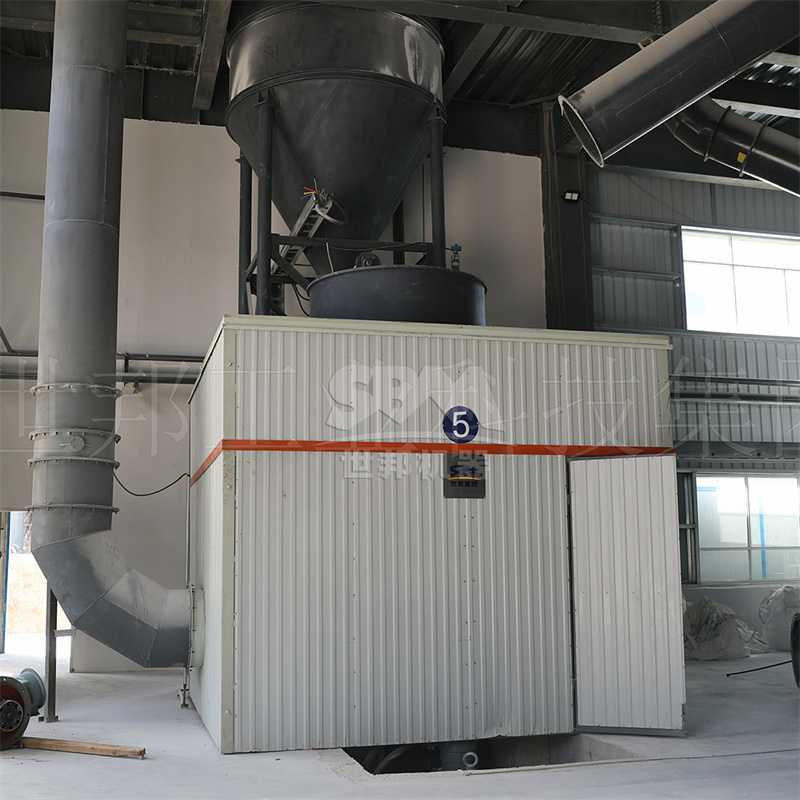
Modern coatings manufacturing must adhere to stringent environmental regulations. Equipment with advanced dust collection and noise reduction systems is no longer optional—it is a necessity. The SCM Series features pulse dust collection efficiency that exceeds international standards, coupled with soundproof room design to keep noise levels within acceptable limits. The MTW series employs internationally advanced pulse dust removal technology and incorporates an internal suction oil lubrication system, which not only improves environmental performance but also enhances equipment reliability.
Comparative Analysis: SCM Series vs. MTW Series for Talc Additives
To help manufacturers make an informed decision, here is a direct comparison of how these two flagship products serve the talc additives market:
| Feature | SCM Series Ultrafine Mill | MTW Series Trapezium Mill |
|---|---|---|
| Target Application | Ultrafine talc (45-5μm) for high-end coatings | Standard to fine talc (600-45μm) for general coatings |
| Fineness Range | 325-2500 mesh (5-45μm) | 30-325 mesh (45-600μm) |
| Capacity Range | 0.5-25 t/h | 3-45 t/h |
| Feed Size | ≤20mm | ≤50mm |
| Energy Saving | 30% lower consumption vs. jet mills | Optimized air duct reduces energy loss |
| Classification Precision | Vertical turbine classifier, no coarse mixing | High-efficiency classifier with precise control |
| Maintenance | Special material rollers, long service life | Anti-wear shovel, 30% lower maintenance cost |
| Best For | Ultrafine powders, premium coating formulations | Medium to large scale, multi-purpose production |
Working Principle Comparison: How Each Mill Processes Talc
Understanding the working principle helps manufacturers appreciate the technological advantages of each system. The SCM Series operates by having the main motor drive three layers of grinding rings to rotate. Talc materials are dispersed into the grinding path by centrifugal force, crushed by roller pressure, and ground layer by layer. The system then completes powder collection using a cyclone collector and a pulse dust removal system. This multi-layer grinding action is particularly effective for achieving the uniform, ultra-fine particles required in high-performance coatings.
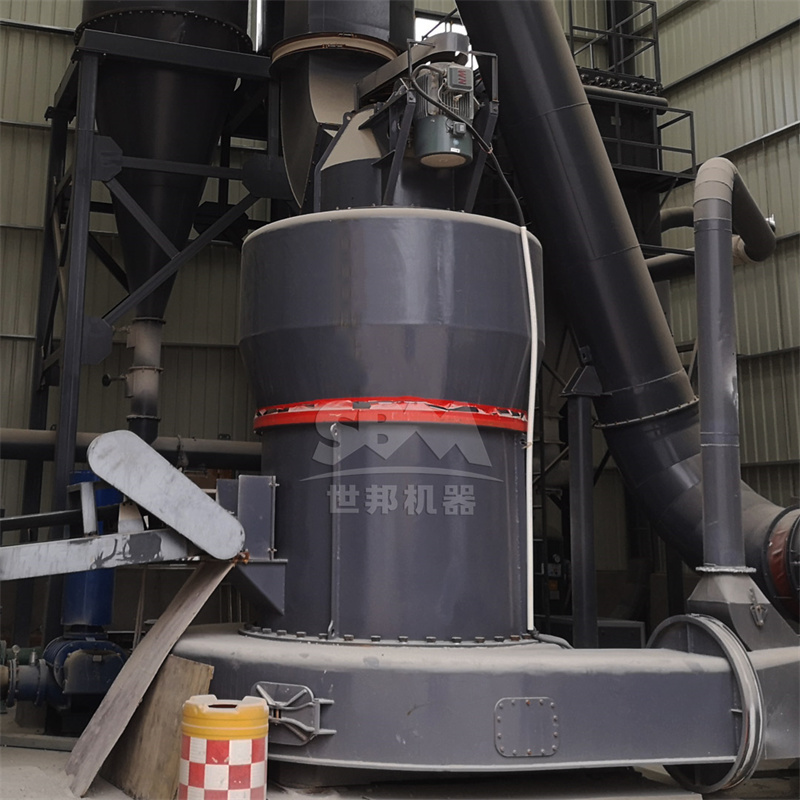
In contrast, the MTW Series employs a trapezium grinding ring and roller design. The main motor drives the grinding rollers to revolve around the central axis while self-rotating to generate centrifugal force. Shovels throw talc materials between the ring and rollers to form a material layer, achieving efficient crushing through extrusion. The classification system then precisely controls the finished product size. This design is optimized for higher throughput while maintaining consistent quality for standard coating additives.
Patented Technologies That Make a Difference
Both the SCM and MTW series are protected by independent intellectual property rights and feature patented technologies that set them apart from conventional mills. The MTW series, for example, benefits from an internal suction oil lubrication system and internationally advanced pulse dust removal technology, which together ensure reliable operation and environmental compliance. These innovations are the result of extensive research and development, ensuring that manufacturers using our equipment gain a competitive edge in quality, efficiency, and sustainability.
Recommendations for Specific Coating Applications
Based on our extensive experience in the coatings industry, here are our targeted recommendations:
- For manufacturers specializing in premium architectural coatings, automotive OEM paints, or high-gloss industrial finishes where ultrafine talc (sub-10μm) is required: The SCM Series Ultrafine Mill (SCM1000 to SCM1680) is the ideal choice. Its ability to achieve 1250-2500 mesh with absolute consistency ensures your coatings achieve the desired gloss, smoothness, and anti-settling properties.
- For large-scale producers of primers, matt paints, and general-purpose industrial coatings requiring consistent 200-325 mesh talc at high throughput: The MTW Series European Trapezium Mill (MTW138Z to MTW215G) offers the best balance of capacity, efficiency, and operating cost. Its durable design and advanced drive system minimize downtime while maximizing production.
Conclusion: Making the Right Investment for Your Future
Choosing the right production equipment for talc additives in coatings is a decision that affects every aspect of your manufacturing operation—from product quality and consistency to operational efficiency and environmental compliance. The SCM Series Ultrafine Mill and MTW Series European Trapezium Mill represent the pinnacle of modern milling technology, each designed to excel in specific segments of the talc processing market. By carefully evaluating your fineness requirements, capacity needs, energy efficiency goals, and maintenance capabilities, you can select the equipment that will drive your coatings business forward. We invite you to contact our technical team for a personalized consultation and equipment demonstration tailored to your specific talc additive production line.