
Introduction
In the modern paper manufacturing industry, kaolin is a critical additive used as a coating pigment and filler to enhance paper brightness, opacity, printability, and surface smoothness. The quality of kaolin powder directly impacts the final product’s performance. To achieve optimal results, paper mills require high-efficiency grinding and classification equipment capable of producing fine, uniform kaolin powder with precise particle size distribution. This article provides a comprehensive overview of the key machines used in kaolin processing for paper manufacturing and offers a practical selection guide to help you choose the most suitable equipment for your production needs.
The Role of Kaolin in Paper Manufacturing
Kaolin, or china clay, is a naturally occurring clay mineral composed mainly of kaolinite. In papermaking, it serves two primary functions: as a filler to improve opacity and reduce cost, and as a coating pigment to enhance gloss, smoothness, and print quality. For these applications, kaolin must be ground to a fine powder, typically with a particle size of 325 mesh (45 microns) or finer. The efficiency of the grinding process and the precision of particle size control are paramount to ensuring consistent product quality and minimizing production costs.
Key Machines for Kaolin Additive Production
The production of high-quality kaolin additive for paper involves several key stages: crushing, grinding, classification, and collection. The choice of equipment at each stage determines the final product’s fineness, uniformity, and production efficiency. Below, we discuss the most important machines used in this process.
1. Ultrafine Grinding Mills
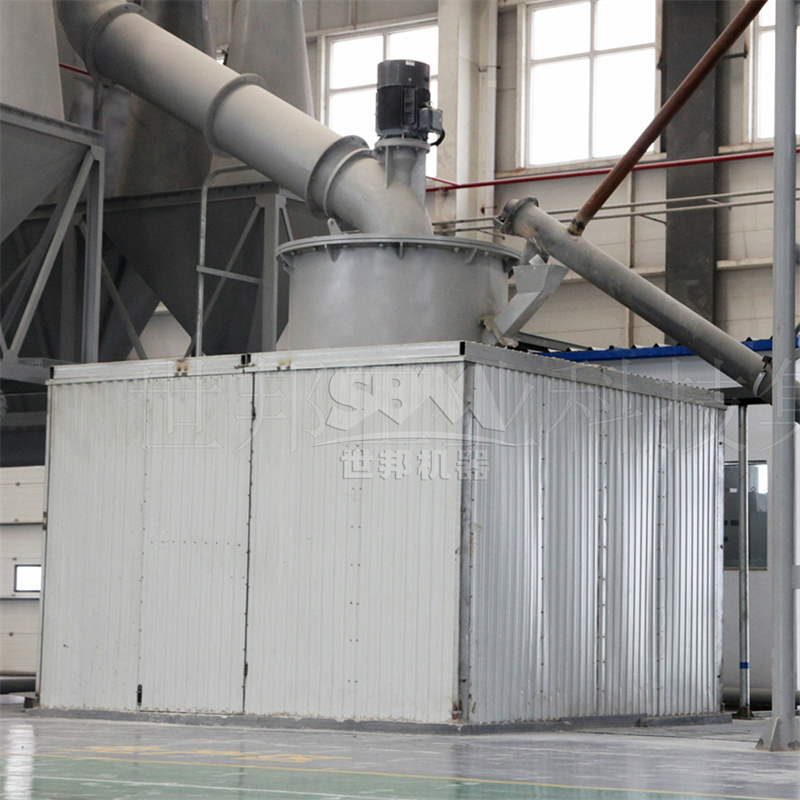
For producing ultra-fine kaolin powder (325-2500 mesh), ultrafine grinding mills are indispensable. These mills offer high capacity and energy efficiency compared to traditional grinding methods. One of the leading solutions is the SCM Series Ultrafine Mill, designed specifically for fine powder processing from 45 to 5 microns. Its unique three-layer grinding ring design and vertical turbine classifier ensure precise particle size cutting without coarse powder mixing. With a capacity range of 0.5 to 25 tons per hour, the SCM series is ideal for medium to large-scale paper additive production. This mill consumes 30% less energy than jet mills while doubling the output, making it a cost-effective choice for demanding applications.
2. High-Capacity Vertical Roller Mills
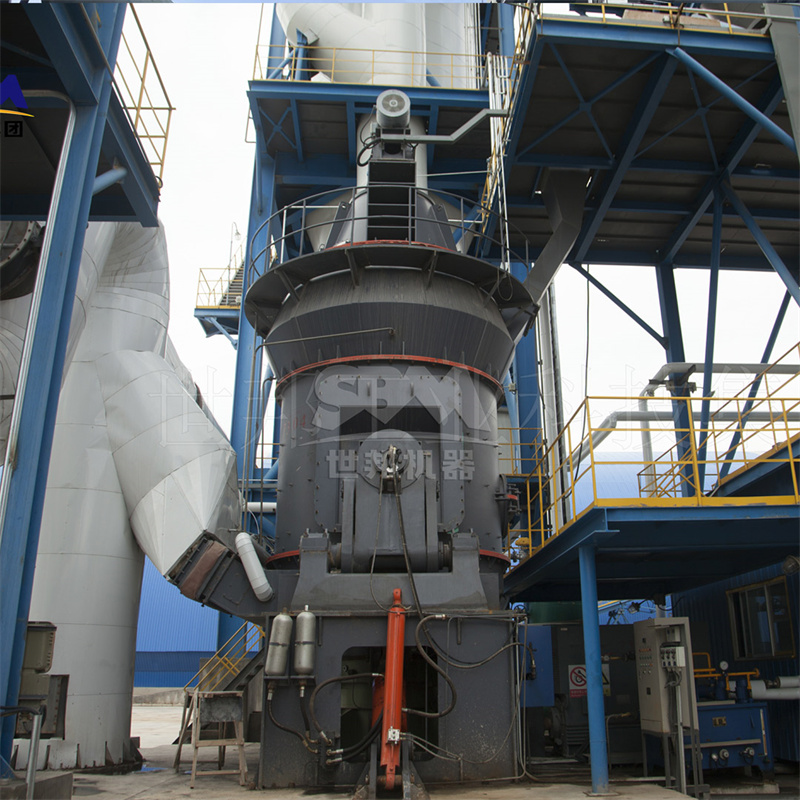
For high-capacity production of kaolin powder with a fineness range of 30-325 mesh, vertical roller mills are widely adopted. They integrate crushing, grinding, drying, and classification into a single system, dramatically reducing floor space and infrastructure costs. The LM Series Vertical Roller Mill offers capacities from 3 to 250 tons per hour, making it suitable for large-scale paper mills. Its non-contact design between rollers and table significantly extends wear part life by three times, while energy consumption is 30-40% lower than ball mill systems. The intelligent control system allows for real-time monitoring and remote operation, ensuring stable and efficient production.
3. High-Precision Classification Systems
Classification is a critical step in ensuring the final kaolin powder meets the required particle size specifications. High-precision classifiers remove coarse particles and ensure uniform fineness. Both the SCM and LM series incorporate advanced classification technologies. The SCM mill features a vertical turbine classifier that achieves precise particle size cutting. The LM series uses a dynamic classifier with multi-stage adjustment technology. For applications requiring even finer and more uniform powders, the LUM Ultrafine Vertical Roller Mill is an excellent choice. It combines efficient grinding with multi-rotor classification technology, ensuring no coarse particles contaminate the final product. The LUM series produces powders in the 325-2500 mesh range with capacities up to 15 tons per hour.
4. Auxiliary Equipment
Beyond the main grinding and classification units, auxiliary equipment such as pulse dust collectors, feeders, and conveyors play a vital role in system efficiency and environmental compliance. Modern mills like the SCM and LM series are equipped with high-efficiency pulse dust collection systems that exceed international emission standards. Soundproofing designs also help maintain low noise levels, creating a safer and more comfortable working environment.
Selection Guide for Kaolin Additive Production Equipment
Choosing the right equipment for your kaolin processing line depends on several factors, including desired fineness, production capacity, feed material characteristics, and budget. Here is a step-by-step guide to help you make an informed decision.
Step 1: Determine Required Fineness
The first step is to define the target particle size for your kaolin powder. For paper coating applications, fineness often needs to be 90% passing 2 microns or finer. For filler applications, 325 mesh (45 microns) may be sufficient. If you need ultra-fine powder (below 45 microns down to 5 microns), the SCM Series Ultrafine Mill or LUM Ultrafine Vertical Roller Mill are the best options. For coarser applications (30-325 mesh), the MTW Series European Trapezium Mill, LM Series Vertical Roller Mill, or MTM Series Medium-speed Trapezium Mill are suitable.
Step 2: Assess Production Capacity
Your required throughput will significantly influence the machine selection. For small to medium capacities (0.5-25 t/h), the SCM Series Ultrafine Mill offers a range of models from SCM800 to SCM1680. For capacities up to 45 t/h with mid-range fineness, the MTW Series European Trapezium Mill is a robust choice, featuring a unique integral bevel gear drive with 98% transmission efficiency. For large-scale operations requiring up to 250 t/h, the LM Series Vertical Roller Mill is the industry standard. Its integrated design reduces floor space by 50% and infrastructure costs by up to 40%.
Step 3: Consider Material Properties
The hardness, moisture content, and abrasiveness of the feed kaolin affect equipment selection. Most kaolin is soft and non-abrasive, so standard grinding elements work well. However, if the feed contains hard impurities or has high moisture, consider equipment with anti-wear features and drying capabilities. The MTW Series features an anti-wear shovel design and optimized arc air ducts, while the LM Series can handle hot air drying for high-moisture materials. For pre-grinding applications or when processing cement clinker additives, the LM-Y Vertical Pre-grinding Roller Mill offers bed grinding principles that reduce energy consumption by 30-50%.
Step 4: Evaluate Energy Efficiency and Operating Costs
Energy consumption is a major cost factor in grinding operations. The SCM Series Ultrafine Mill boasts capacity double that of jet mills with 30% lower energy consumption. The LM Series Vertical Roller Mill consumes 30-40% less power than traditional ball mills. The MTW Series with its integral bevel gear drive achieves 98% transmission efficiency, saving space and reducing installation costs. Additionally, consider the durability of wear parts. The SCM mill uses special material rollers and rings to extend service life, while the LM series non-contact design increases wear part life threefold.
Step 5: Prioritize Automation and Environmental Compliance
Modern paper mills demand intelligent control systems for consistent quality and reduced manual intervention. The LM Series features an expert-level auto-control system supporting remote and local switching, with real-time monitoring of all parameters. The SCM Series includes automatic finished product granularity feedback. Environmental regulations are also critical; all our equipment is designed with fully sealed negative pressure operation and high-efficiency pulse dust collectors to ensure emissions meet or exceed international standards. Soundproof room designs in the SCM series help maintain low noise levels.
Step 6: Compare Models and Specifications
After narrowing down the mill type, compare specific models based on your capacity requirements. For example, if you need a 5-25 t/h ultrafine mill, the SCM1680 model with 315kW main power is ideal. For a mid-range requirement of 3-9 t/h with fineness down to 325 mesh, the MTW110 or MTM100 are excellent choices. For large-scale operations needing 50-170 t/h, the LM280K vertical roller mill with 1250kW power is a proven solution.
Featured Product Recommendation: SCM Series Ultrafine Mill
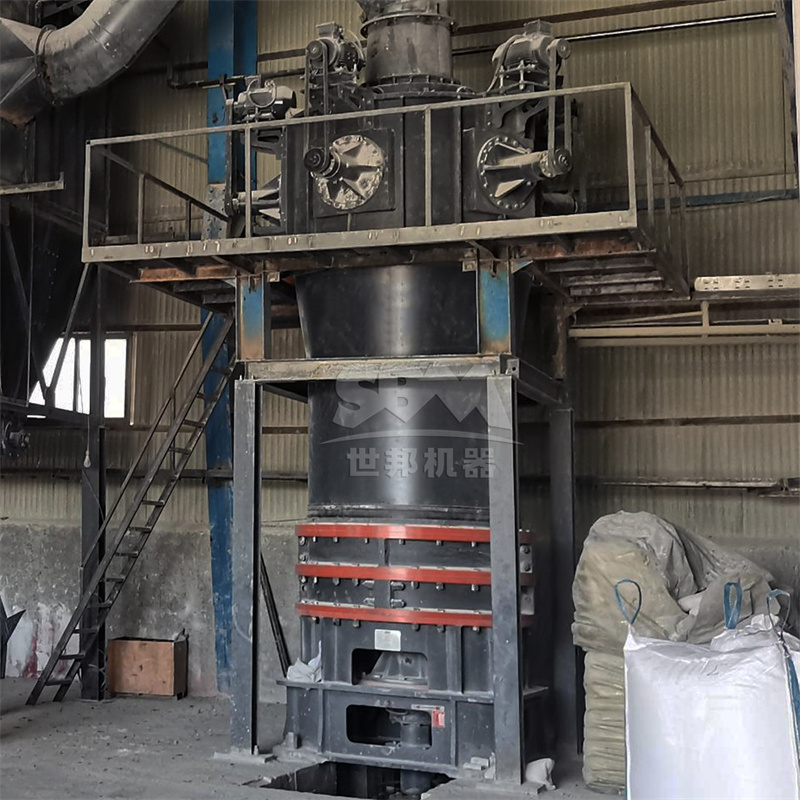
For paper manufacturers seeking the highest quality kaolin additive with ultra-fine particle sizes (325-2500 mesh), we highly recommend the SCM Series Ultrafine Mill. Its advanced three-ring grinding technology and vertical turbine classifier ensure superior product uniformity and no coarse powder contamination. With intelligent control and 30% lower energy consumption than jet mills, it offers significant operational savings. The durable design featuring special material rollers and shaftless screw grinding chamber ensures long-term stable operation. Available in five models (SCM800 to SCM1680) with capacities from 0.5 to 25 t/h, the SCM series can be tailored to meet your specific production targets. It is the ultimate solution for high-efficiency, high-precision kaolin additive production.
Conclusion
Selecting the right equipment for kaolin additive production is crucial for achieving optimal paper quality and manufacturing efficiency. From high-precision ultrafine mills to large-capacity vertical roller mills, each machine offers unique advantages tailored to different production scales and fineness requirements. By carefully evaluating your needs in terms of fineness, capacity, energy efficiency, and automation, you can choose a system that maximizes productivity and minimizes operating costs. Our comprehensive range of mills, including the SCM, LM, MTW, MTM, and LUM series, provides reliable, high-performance solutions for the global paper industry. Contact our technical team today to find the perfect configuration for your kaolin processing line.