
Introduction
Magnesium cementitious materials, particularly magnesium oxychloride and magnesium phosphate cements, have gained significant attention in the construction industry due to their superior fire resistance, high early strength, and excellent abrasion resistance. The production of these materials relies heavily on the quality and fineness of the raw materials, with dolomite being a primary source. Dolomite, a carbonate mineral composed of calcium magnesium carbonate (CaMg(CO₃)₂), requires precise processing to extract the magnesium oxide (MgO) that serves as the reactive component in magnesium-based cements. The efficiency and effectiveness of dolomite processing equipment directly influence the quality, consistency, and economic viability of the final magnesium cementitious products. This article explores how advanced milling technologies, particularly those developed by leading manufacturers, enhance every stage of dolomite processing—from crushing to ultrafine grinding—and discusses their impact on the production of high-performance magnesium cements.
The Role of Dolomite in Magnesium Cement Production
Dolomite is a naturally occurring mineral that serves as a cost-effective alternative to magnesite for producing reactive MgO. The thermal decomposition of dolomite at temperatures between 600°C and 750°C yields a mixture of MgO and CaCO₃, which can be further processed to obtain MgO for cementitious applications. However, the reactivity and purity of the resulting MgO depend significantly on the particle size distribution and surface area of the dolomite feed. Coarse or inconsistently ground dolomite leads to incomplete calcination, resulting in lower MgO yields and reduced cement strength. Therefore, the selection of suitable grinding equipment is crucial to achieving the optimal particle size (typically 45-75 μm) and surface characteristics required for effective calcination and hydration reactions. Modern grinding mills offer precise control over fineness, ensuring uniform particle sizes that maximize the reactivity of MgO and improve the overall performance of magnesium cements.
Key Processing Challenges in Dolomite Grinding
Dolomite is a medium-hard mineral with a Mohs hardness of 3.5-4, making it moderately difficult to grind. Traditional ball mills often exhibit high energy consumption and low efficiency when processing dolomite, as they rely on impact and attrition mechanisms that generate excessive heat and wear. Moreover, achieving ultrafine particles below 75 μm with consistent size distribution presents a significant challenge due to the tendency of ground dolomite to agglomerate. Additionally, dolomite’s high carbonate content can cause caking and coating on grinding media, reducing throughput and increasing maintenance requirements. These challenges demand specialized milling solutions that incorporate advanced classification systems, wear-resistant components, and energy-efficient designs. Equipment such as vertical roller mills and ultrafine mills have proven particularly effective in addressing these issues, providing higher capacity, lower specific energy consumption, and superior product quality compared to conventional mills.
Enhancing Production with Advanced Grinding Technologies
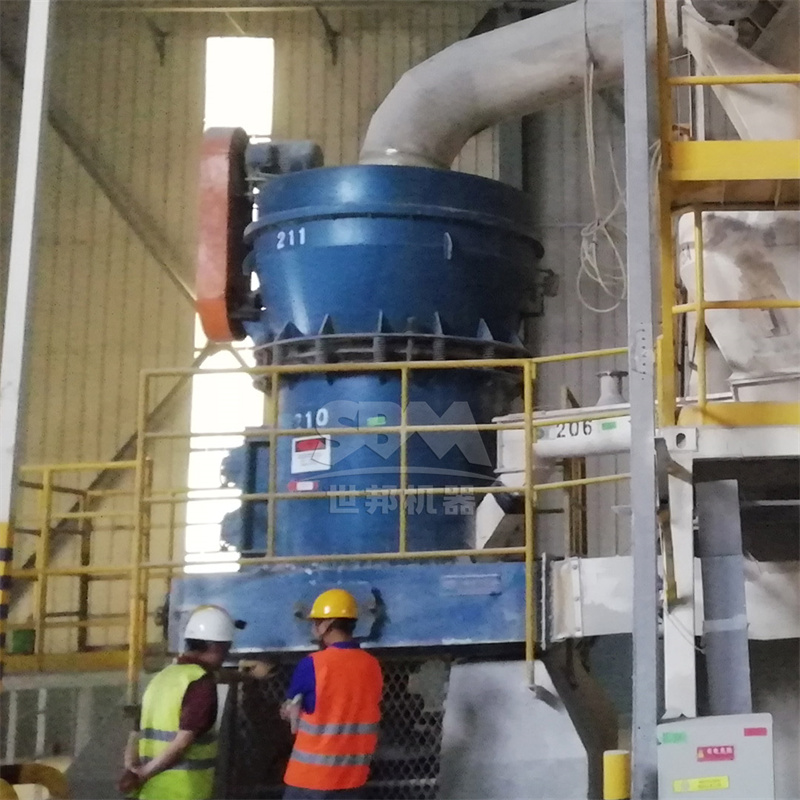
The production of magnesium cementitious materials benefits enormously from the adoption of high-efficiency grinding technologies that are specifically designed for mineral processing. For instance, vertical roller mills, such as our LM Series, integrate crushing, grinding, and classification into a single unit, reducing floor space and infrastructure costs by up to 50%. These mills operate on the principle of bed grinding, where the material is compacted between a rotating grinding table and stationary rollers. This mechanism consumes 30-40% less energy than traditional ball mills and produces a narrow particle size distribution, which is essential for consistent calcination. Furthermore, the LM series features a modular roller assembly and dynamic classifier that enable precise adjustment of fineness, allowing producers to tailor the product to specific cement formulations. For applications requiring ultrafine dolomite powder, our SCM Series Ultrafine Mill is an ideal choice.
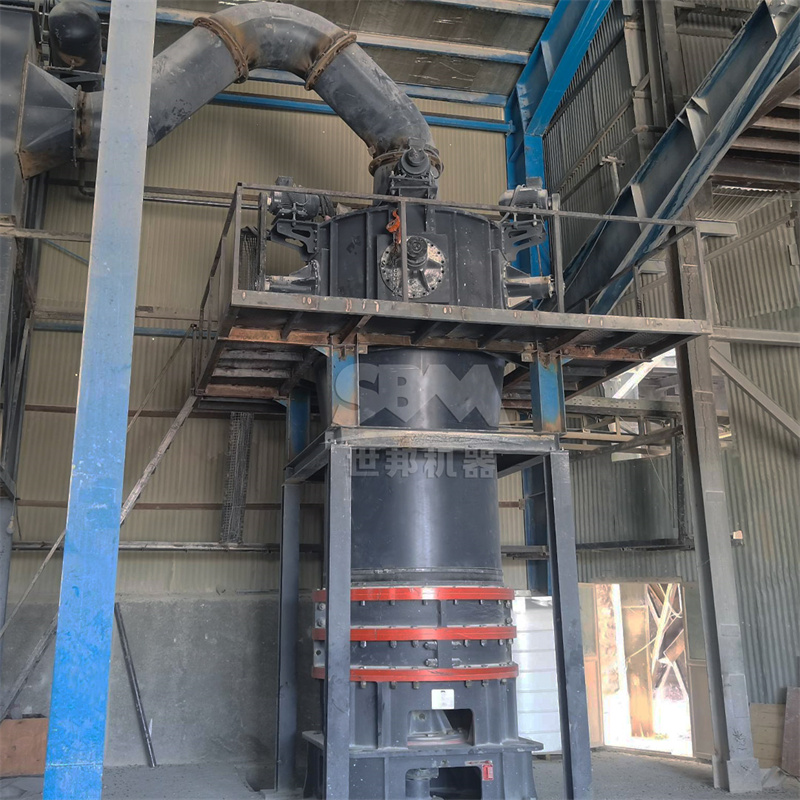
Our SCM Series Ultrafine Mill is engineered to produce ultra-fine powder in the range of 325-2500 mesh (45-5 μm), with a capacity of up to 25 tons per hour. This mill utilizes a three-layer grinding ring design and a vertical turbine classifier that ensures high precision particle size cutting, eliminating any coarse powder contamination. The special material used for the rollers and rings extends service life several times over, reducing downtime and maintenance costs. Additionally, the SCM mill features intelligent control with automatic granularity feedback, ensuring stable and consistent product quality. With its eco-friendly pulse dust collection system and low-noise operation, the SCM Series not only enhances production efficiency but also meets stringent environmental standards. For magnesium cement producers, this means a reliable supply of high-quality dolomite powder that improves the reactivity and strength of the final cementitious material.
The Impact of Fineness on Magnesium Cement Quality
The fineness of dolomite powder is a critical factor in determining the properties of magnesium cementitious materials. Finer particles provide a larger surface area, which accelerates the hydration reaction and increases early strength development. Research has shown that dolomite ground to a particle size of 10-20 μm significantly enhances the compressive strength and durability of magnesium oxychloride cement compared to coarser powders. Moreover, ultrafine dolomite improves the homogeneity of the cement paste, reducing porosity and enhancing resistance to water intrusion. High-precision classification systems in modern mills, such as those in our MTW Series European Trapezium Mill, enable manufacturers to achieve sharp cut points and uniform particle size distributions. This level of control is unattainable with conventional grinding equipment and offers a competitive advantage in the production of premium magnesium cements.
Economic and Environmental Benefits of Modern Dolomite Processing
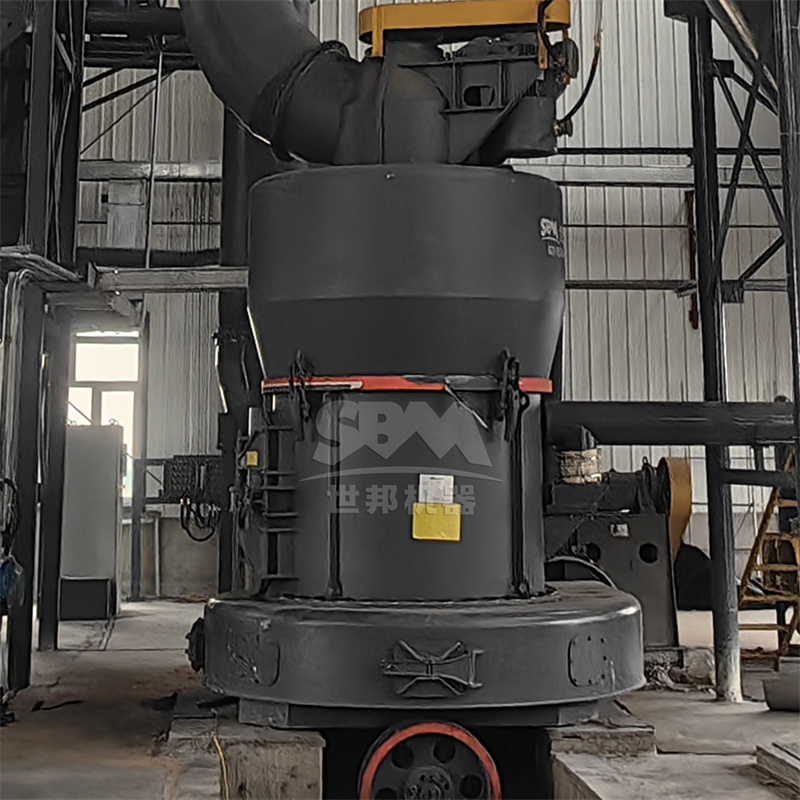
Investing in advanced dolomite processing equipment yields substantial economic and environmental benefits. High-capacity mills reduce the number of machines required and lower energy consumption by 30-50%, directly reducing operational costs. For example, our LM Series Vertical Roller Mill consumes up to 50% less energy than ball mills for the same throughput, and its integrated design minimizes installation and civil engineering costs. Additionally, these mills are equipped with state-of-the-art sealing systems that prevent dust leakage, ensuring a safe working environment and compliance with environmental regulations. The use of durable wear parts, such as high-chrome steel rollers and ceramic-lined classifiers, extends service intervals and reduces replacement costs. Overall, the adoption of these technologies enables magnesium cement producers to increase profitability while promoting sustainable manufacturing practices.
Overcoming Material-Specific Challenges with Customized Solutions
Each dolomite deposit has unique characteristics, including variations in moisture content, hardness, and chemical composition. To optimize processing, equipment manufacturers offer customizable solutions that adapt to these variables. Our European Trapezium Mill (MTW Series) features anti-wear shovel blades and an optimized arc air duct that reduce airflow resistance and improve transmission efficiency, making it suitable for both dry and slightly moist feed materials. For applications with large feed sizes up to 50mm, the MTW series’ integral bevel gear drive ensures high torque and stable operation. Similarly, our MRN Pendulum Mill provides a maintenance-free thin oil lubrication system and is available in configurations with up to six rollers, offering capacities from 2.7 to 83 tons per hour. These versatile machines empower producers to tailor their processing parameters, such as classifier speed and grinding pressure, to achieve optimal product characteristics for specific cement formulations.
Case Study: Enhancing Production Efficiency in a Magnesium Cement Plant
Consider a typical magnesium cement plant that processes 10 tons of dolomite per hour to produce reactive MgO. With a conventional ball mill, achieving a fineness of 45 μm might require 500 kW of power and yield a wide particle size distribution, leading to under-calcined material and lower cement strength. By retrofitting with our SCM1000 Ultrafine Mill, the plant can reduce energy consumption to 132 kW while producing a uniform powder with 98% passing 325 mesh. Operating at a capacity of 8.5 tons per hour, this mill not only doubles the productivity but also improves the reactivity of MgO, enabling a 15% reduction in cement demand without sacrificing strength. Additionally, the mill’s intelligent control system reduces manual intervention by 70%, lowering labor costs and minimizing human error. This case illustrates the transformative impact of modern grinding technology on the economic and operational performance of magnesium cement production.
Integration with Downstream Processes
Dolomite processing equipment must seamlessly integrate with crushers, dryers, and packaging systems to form a complete production line. Our equipment is designed with standard interfaces and can be easily incorporated into existing plants. For example, the SCM Series mill can be configured with a hot air system, enabling simultaneous grinding and drying of dolomite with up to 4% moisture content. This integration eliminates the need for a separate dryer, reducing capital investment and floor space. Similarly, the LM Series vertical mill can operate under negative pressure, reducing dust emissions and improving material flow. By choosing equipment that offers flexibility and scalability, manufacturers can future-proof their operations and adapt to changing market demands, such as producing finer grades of magnesium cement for specialized applications like 3D printing or precast components.
Conclusion
The production of high-quality magnesium cementitious materials depends critically on the efficiency and precision of dolomite processing equipment. Advanced grinding technologies, such as the SCM Series Ultrafine Mill and MTW Series European Trapezium Mill, provide the capability to achieve ultrafine and uniform particle sizes, lower energy consumption, and ensure consistent product quality. These benefits translate into enhanced mechanical properties and durability of magnesium cement products, offering a competitive edge in the emerging green construction market. Furthermore, the economic and environmental advantages of modern mills—reduced operational costs, lower emissions, and minimal maintenance—make them a prudent investment for manufacturers. As the demand for sustainable and fire-resistant building materials grows, adopting state-of-the-art dolomite processing equipment will be a decisive factor in achieving production optimization and market leadership. We invite you to explore our range of mills and discover how they can elevate your magnesium cement production to new heights.