
1. Introduction: The Critical Role of Limestone Powder in Building Materials
Limestone powder is a fundamental raw material in the construction industry, serving as a key ingredient in cement, concrete, mortar, and various building products. The quality and fineness of limestone powder directly influence the strength, durability, and workability of the final construction materials. For plant owners, selecting the right production equipment is not merely a purchasing decision—it is a strategic investment that determines production efficiency, product quality, and long-term profitability. This comprehensive guide will walk you through the essential factors to consider when choosing limestone powder production equipment, ensuring that your plant operates at peak performance while meeting the demanding standards of the building material industry.
2. Understanding Your Production Requirements
Before diving into equipment selection, it is crucial to thoroughly understand your specific production needs. The first consideration is the required output fineness. Building material applications typically require limestone powder with fineness ranging from 30 mesh (coarse) for certain aggregates to 2500 mesh (ultrafine) for high-performance concrete additives. For most general building applications, a fineness of 200-400 mesh is common, while specialized products may demand finer particles. Your choice of equipment must align precisely with these specifications.
Another critical factor is production capacity. Are you planning a small-scale operation producing 5 tons per hour, or a large industrial facility needing 50 tons per hour or more? The equipment dimensions, power requirements, and overall system design will differ significantly based on your capacity targets. Additionally, consider the physical properties of your raw limestone, including moisture content, hardness (Mohs scale), and feed size. These characteristics will influence which milling technology—be it ball milling, vertical roller milling, or ultrafine grinding—will deliver optimal results.
3. Evaluating Grinding Technologies for Limestone
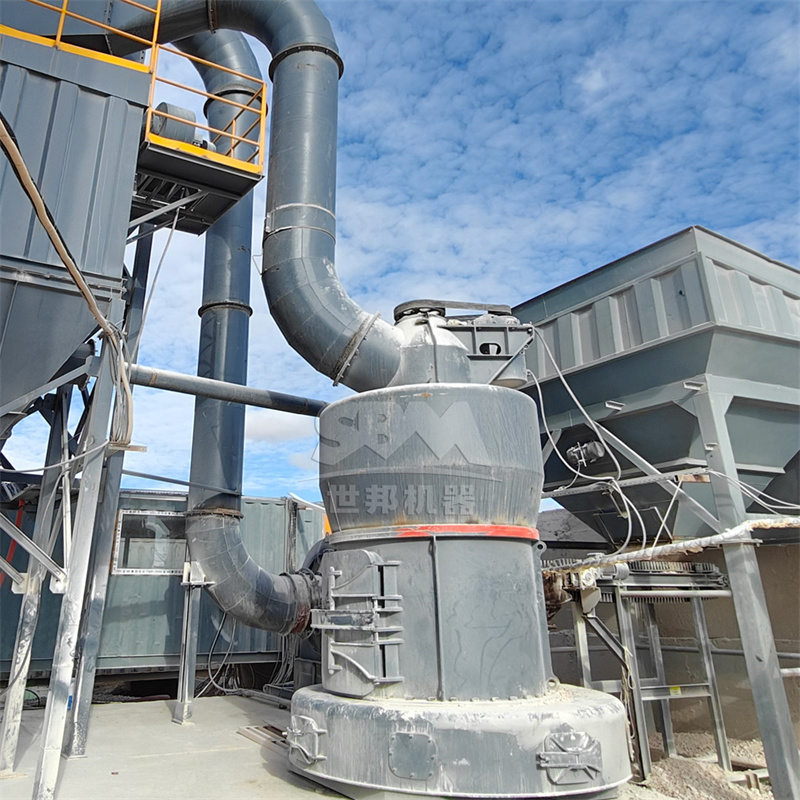
The market offers several grinding technologies, each with distinct advantages and limitations. Traditional ball mills are reliable and versatile but suffer from high energy consumption and large floor space requirements. For plant owners seeking modern solutions, three advanced technologies stand out: vertical roller mills, European trapezium mills, and ultrafine grinding mills.
Vertical roller mills (VRM) like the LM series excel in large-capacity operations with integrated drying, grinding, and classification in a single unit. They are ideal for producing 30-325 mesh limestone powder and offer energy savings of 30-40% compared to ball mills. The LM series includes models ranging from the compact LM130K (10-28 t/h) to the massive LM280K (50-170 t/h), making them suitable for medium to very large plants. A key advantage is the non-contact design between rollers and table, which extends wear part life by up to three times.
European trapezium mills such as the MTW series provide an excellent balance of efficiency and cost-effectiveness for capacities up to 45 t/h. With output fineness adjustable between 30-325 mesh, these mills are perfect for standard building material applications. The MTW215G, for instance, delivers 15-45 t/h with a main power of 280kW, and features an integral bevel gear drive with 98% transmission efficiency.
For applications requiring ultrafine limestone powder (325-2500 mesh) for premium products, the SCM series ultrafine mill is a game-changer. It achieves capacities of 0.5-25 t/h depending on the model and consumes 30% less energy than jet mills while delivering double the capacity. The vertical turbine classifier ensures precise particle size cutting with no coarse powder mixing—a critical requirement for high-performance building materials.
4. The Economic Considerations: Capital vs. Operating Costs
When evaluating equipment options, plant owners must analyze both initial capital expenditure (CAPEX) and ongoing operational expenditure (OPEX). While a cheaper machine may seem attractive initially, its higher energy consumption and maintenance costs can dramatically increase total cost of ownership over the equipment’s lifespan.
Energy efficiency is a primary differentiator. For example, the MTW series trapezium mill incorporates an optimized arc air duct that reduces airflow energy loss and improves transmission efficiency. Similarly, the LM vertical roller mill’s integrated design can reduce floor space by 50%, lowering infrastructure costs by 40%—a significant CAPEX saving. The SCM ultrafine mill’s intelligent control system with automatic finished product granularity feedback optimizes energy usage in real time.
Maintenance costs are equally important. Look for equipment with wear-resistant components. The MTW’s anti-wear shovel design uses combined shovel blades that reduce maintenance frequency, while the LM series features modular grinding roller assemblies that permit quick changes. The SCM’s special material rollers and rings extend service life several times over, ensuring that your plant experiences minimal unplanned downtime.
5. Environmental Compliance and Sustainability
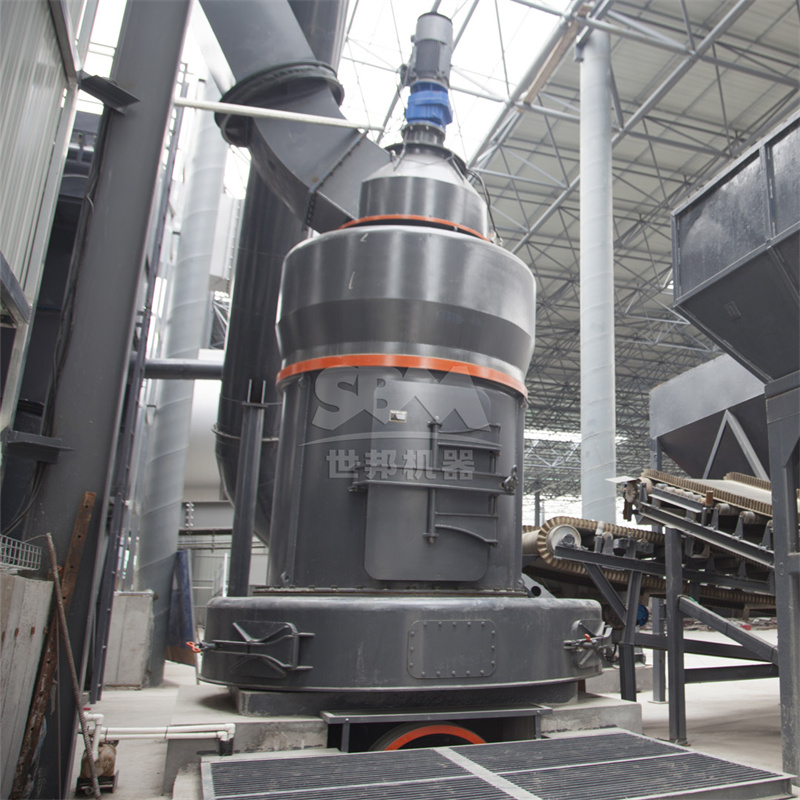
Modern building material plants must adhere to stringent environmental regulations. Equipment selection plays a pivotal role in achieving compliance. Key environmental factors include dust emissions, noise levels, and energy consumption. All advanced grinding systems on the market today offer pulse dust collection systems that exceed international emission standards. For instance, the LM vertical roller mill operates under fully sealed negative pressure, virtually eliminating dust leakage, and its soundproof room design keeps noise levels within acceptable limits.
Energy conservation is another sustainability metric. The LM series consumes 30-40% less energy than traditional ball mill systems, while the SCM ultrafine mill achieves 30% energy savings compared to jet mills. These reductions not only lower operating costs but also shrink the carbon footprint of your limestone powder production. When evaluating suppliers, request detailed environmental performance data and case studies demonstrating regulatory compliance.
6. Intelligent Control and Automation Features
The era of fully manual plant operation is over. Today’s sophisticated equipment comes equipped with intelligent control systems that enhance productivity and product consistency. Look for mills that feature PLC-based automation with real-time monitoring of critical parameters such as grinding pressure, classifier speed, and product fineness. The LM series is renowned for its expert-level auto-control system that supports both remote and local operation, reducing manual intervention and human error.
The SCM ultrafine mill’s intelligent control includes automatic finished product granularity feedback, which continuously adjusts grinding parameters to maintain the desired particle size distribution. This feature is particularly valuable for producing consistent limestone powder for high-grade building materials. Similarly, the MTW series offers multi-stage adjustment for fineness, allowing operators to switch between product specifications quickly and efficiently.
7. Our Recommended Solutions: The SCM Series Ultrafine Mill and MTW Series European Trapezium Mill
Based on our extensive experience serving the building materials industry, we highly recommend two of our flagship products tailored to different production scenarios. For plants focused on producing high-value ultrafine limestone powder (325-2500 mesh) for premium construction additives, the SCM Series Ultrafine Mill is your ideal choice. Its high-efficiency grinding mechanism delivers twice the capacity of jet mills while consuming 30% less energy. The vertical turbine classifier ensures exceptional product uniformity, and the durable design means lower long-term maintenance costs. Available models range from the SCM800 (0.5-4.5 t/h) to the SCM1680 (5-25 t/h), offering flexibility for various plant sizes.
For operations targeting general building material grades (30-325 mesh) with high throughput requirements, the MTW Series European Trapezium Mill provides an unbeatable combination of performance and economy. With capacities from 3 to 45 t/h and a maximum feed size of 50mm, these mills handle limestone efficiently while maintaining excellent production flexibility. The patented internal suction oil lubrication system and internationally advanced pulse dust removal technology ensure reliable, eco-friendly operation. Models such as the MTW138Z and MTW215G have become industry standards for medium-to-large capacity limestone grinding.
Both product lines represent the culmination of decades of engineering innovation, incorporating wear-resistant designs, energy-saving features, and smart automation. We invite you to consult with our engineers to determine which solution best fits your specific production objectives.
8. Case Studies and Real-World Applications
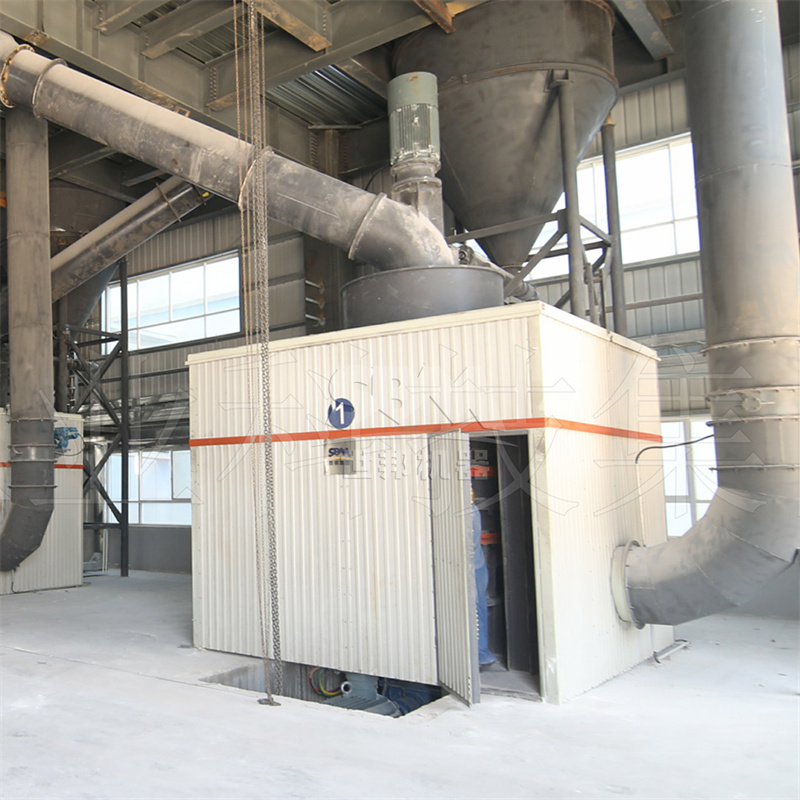
Numerous plant owners have achieved remarkable results by selecting the appropriate equipment. A medium-sized building material producer in Southeast Asia upgraded from a traditional ball mill to the MTW175G trapezium mill and reported a 35% reduction in energy costs while increasing output from 12 to 20 t/h of 200-mesh limestone powder. The improved particle size distribution also enhanced the compressive strength of their concrete blocks by 8%.
In another instance, a specialty mortar manufacturer required ultrafine limestone powder at 800 mesh for a high-end self-leveling flooring compound. They installed an SCM1000 ultrafine mill and achieved a stable production rate of 4.5 t/h with precisely controlled particle size. The plant now dominates the regional market for premium construction chemicals. These examples underscore the importance of matching equipment capabilities to specific product requirements.
9. Installation, Commissioning, and After-Sales Support
Beyond the equipment itself, consider the manufacturer’s installation and support services. Proper installation is critical for achieving optimal performance. The LM vertical roller mill’s integrated design simplifies installation, and with outdoor installation capabilities, you can further reduce construction costs. For the MTW and SCM series, our team provides comprehensive installation supervision and commissioning assistance to ensure your system operates smoothly from day one.
After-sales support is equally vital. Choose a manufacturer that offers readily available spare parts, technical hotlines, and on-site service. Regular preventive maintenance programs can extend equipment life by 20-30% and prevent costly unplanned shutdowns. We recommend scheduling routine inspections of wear parts such as grinding rollers, rings, and classifier blades.
10. Future-Proofing Your Investment
The building materials industry is evolving rapidly, with increasing demands for finer powders, higher efficiency, and sustainable production. When selecting limestone powder production equipment, consider its scalability and adaptability to future product lines. The modular designs of modern mills allow for capacity upgrades by simply replacing or adding grinding components. For instance, upgrading from an SCM900 to an SCM1000 can boost capacity by up to 30% without major civil works.
Additionally, anticipate stricter environmental regulations ahead. Selecting equipment with superior dust collection and noise reduction features today will save significant retrofit costs tomorrow. The LM series’ fully sealed negative pressure operation and low-noise design exemplify future-ready technology.
11. Conclusion: Making an Informed Decision
Choosing the right building material grade limestone powder production equipment is a multi-faceted decision that requires balancing technical specifications, economic factors, environmental compliance, and long-term strategic goals. By thoroughly evaluating your production requirements, understanding the strengths of different grinding technologies, and analyzing total ownership costs, you position your plant for success.
Our SCM series ultrafine mill and MTW series European trapezium mill are proven solutions that address the diverse needs of limestone powder producers. We encourage you to contact our technical team for detailed recommendations, sample testing, and site evaluations. Remember, the right equipment is not an expense—it is an investment in the quality, efficiency, and sustainability of your building material products.