
The Growing Challenge of Ceramic Waste
The global ceramics industry produces millions of tons of waste annually, from defective tiles and sanitary ware to rejected insulators and refractory materials. Historically, this scrap was destined for landfills, consuming valuable land and creating environmental hazards. However, with rising raw material costs and stricter environmental regulations, the industry is undergoing a paradigm shift: treating ceramic waste as a valuable resource rather than a disposal problem.
Ceramic waste is inherently recyclable due to its chemical composition. Rich in alumina, silica, and other oxides, crushed ceramic powder can replace virgin materials in cement production, concrete aggregates, brick manufacturing, and even as fillers in paints and plastics. The key bottleneck lies in processing this hard, abrasive material into a consistently fine powder—a challenge that demands specialized milling technology capable of handling high hardness while maintaining energy efficiency and product uniformity.
From Scrap to Specification: The Processing Workflow
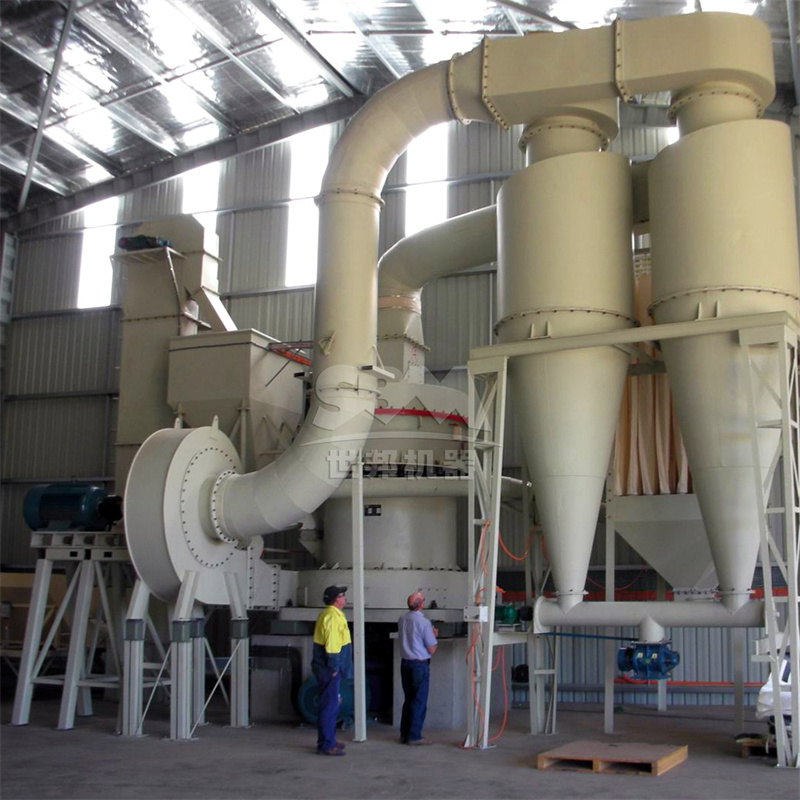
Transforming ceramic rejects into reusable powder involves a multi-stage process. First, large scrap pieces are crushed to below 20–50 mm using jaw crushers or hammer mills. Next, the material undergoes fine grinding where particle size is reduced to between 45 and 2500 mesh, depending on the end-use application. This fine grinding stage is where advanced milling technology determines both quality and profitability.
For construction applications like cement additives or concrete pozzolans, fineness typically ranges from 200 to 325 mesh (45–75 μm). For manufacturing sectors such as ceramic tile production or polymer fillers, ultra-fine powders down to 5–10 μm are often required. The ability to precisely control particle size distribution while processing highly abrasive materials is the defining capability of modern ceramic waste processing equipment.
Introducing the SCM Series Ultrafine Mill
For operations targeting ultra-fine output (45–5 μm / 325–2500 mesh), the SCM Series Ultrafine Mill stands as a purpose-built solution. This equipment excels at transforming ceramic scrap into premium micro-powders essential for high-value applications such as advanced ceramics, rubber reinforcement, and high-performance coatings. Its vertical turbine classifier achieves razor-sharp particle size separation, ensuring zero coarse powder contamination—a critical factor when reusing ceramic powder in precise manufacturing formulas.
The SCM mill’s triple-layer grinding ring design works in tandem with centrifugal force and roller pressure to crush materials layer by layer. Notably, the unit is engineered for energy efficiency, delivering twice the capacity of traditional jet mills while consuming 30% less energy. The pulse dust collection system exceeds international emission standards, and the soundproof housing keeps operational noise at minimal levels, making it ideal for facilities in populated or environmentally sensitive areas.
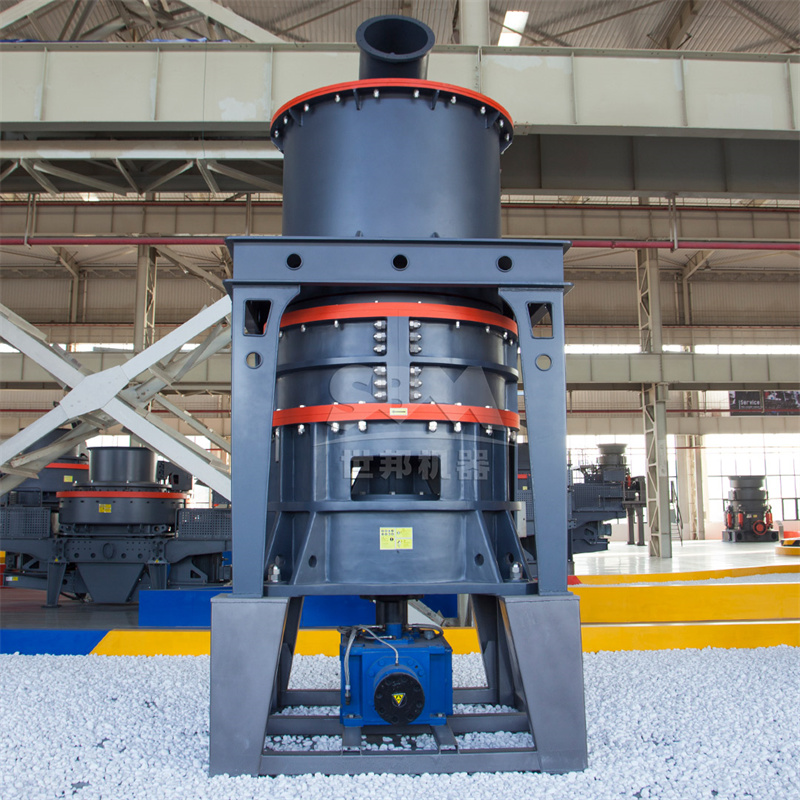
Recommended Model: SCM1250 – This workhorse model processes 2.5 to 14 tons per hour with a main power of 185 kW. It accepts feed sizes up to 20 mm and delivers fineness adjustable from 325 to 2500 mesh. For mid-sized ceramic recycling plants, the SCM1250 offers a perfect balance of throughput and precision, transforming bulky scrap into valuable superfine powder for premium markets.
Versatility in Medium Grinding: The MTW Series European Trapezium Mill
Not all ceramic waste requires ultra-fine pulverization. For applications like cement kiln feed, asphalt filler, or standard construction aggregates, a more economical solution is needed. The MTW Series European Trapezium Mill delivers exceptional performance in the 600–45 μm range (30–325 mesh), processing up to 45 tons per hour depending on configuration.
Engineered with an anti-wear shovel design and optimized arc air duct, the MTW mill reduces maintenance frequency and airflow energy loss simultaneously. The integral bevel gear drive operates at 98% transmission efficiency, substantially lowering power consumption per ton of material processed. This reliability makes the MTW series a trusted workhorse in heavy industrial environments where non-stop operation is essential.
One notable advantage is the patented internal suction oil lubrication system, which eliminates external oil pump requirements and simplifies maintenance. Additionally, the mill’s volute structure with non-resistance flow design enhances air selection efficiency while cutting maintenance costs by 30%.
Recommended Model: MTW138Z – With a capacity range of 6–17 tons per hour and main power of 90 kW, this model efficiently handles ceramic scrap with input sizes up to 35 mm. Its fineness range of 10–325 mesh is directly applicable to producing standard construction-grade pozzolanic powder, significantly reducing clinker factor in cement plants. The MTW138Z provides a cost-effective entry point for recycling facilities aiming to supply the broader construction industry.
Key Technical Comparisons for Optimal Selection
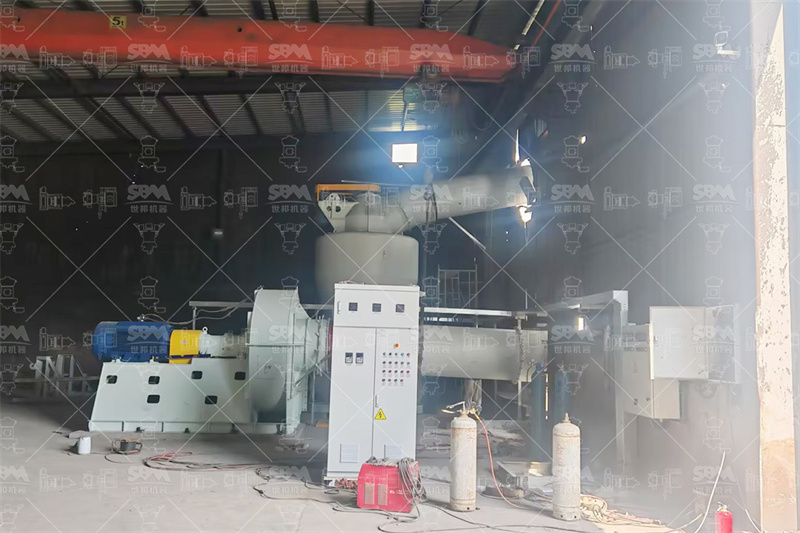
Choosing between ultrafine and medium-grinding equipment depends on the target market. The SCM series, with its 5–25 ton/h capacity across various models, is ideal for operations focusing on specialty products like plastic fillers (requiring 5–10 μm powder) or high-density ceramic bodies. In contrast, the MTW series, which scales up to 45 tons per hour, is optimal for bulk-producing 200–325 mesh powder for cement replacement or brick manufacturing.
Both series incorporate intelligent control systems. The SCM features automatic finished product granularity feedback, ensuring real-time adjustments to maintain consistent quality even when feed material hardness varies. The MTW series employs expert-level control logic (in its LM variant) that supports remote monitoring and reduces manual intervention. These IoT-ready features allow operators to manage multiple machines from a centralized control room, minimizing labor costs and human error.
Durability is another differentiating factor. The SCM’s grinding rollers and rings are made from specially formulated alloys, extending service life several times over compared to standard materials. The MTW counteracts wear through its unique combined shovel blade configuration, which dissipates abrasion stress more effectively. Both designs directly address the extreme abrasiveness of ceramic waste, a common killer of conventional milling equipment.
Economic and Environmental Impact
Integrating ceramic waste processing equipment yields substantial economic returns. A typical facility processing 10 tons per hour of ceramic waste into 325-mesh powder for cement plants can produce approximately 80,000 tons of supplementary cementitious material annually. Given current market prices for fly ash and slag, this represents a revenue stream of several million dollars, while avoiding landfill tipping fees of $50–$100 per ton.
Environmental benefits are equally compelling. Every ton of recycled ceramic powder used in concrete replaces a ton of Portland cement, reducing CO2 emissions by approximately 0.9 tons. Furthermore, processing waste locally cuts transportation emissions associated with virgin aggregate hauling. Lifecycle assessments indicate that recycling ceramic waste via modern milling systems achieves a net carbon negative footprint when displacing virgin material production.
Leading equipment suppliers now offer turnkey solutions including crushers, conveyors, classifiers, and bagging systems. Companies like ours provide end-to-end engineering support, from material testing and process design to installation supervision and after-sales training. This comprehensive approach ensures that facilities achieve their target fineness, capacity, and energy efficiency metrics from day one.
Future Trends in Ceramic Waste Utilization
As construction and manufacturing sectors aggressively pursue circular economy targets, demand for recycled ceramic powders is poised to skyrocket. Innovations in ultra-fine additives are enabling the production of self-healing concrete and photocatalytic surfaces using ceramic micro-fillers. Simultaneously, 3D printing filaments are incorporating ceramic powders at 10–20% loading rates, creating new revenue channels for recyclers equipped with 5–10 μm milling capabilities.
The next generation of processing equipment is focusing on intelligent wear monitoring using vibration sensors and AI-driven predictive maintenance. These developments aim to further reduce unscheduled downtime and energy consumption. Facilities investing in scalable, high-efficiency mills today will be well-positioned to capitalize on these emerging markets.
In conclusion, ceramic waste is rapidly being recognized as a superior secondary raw material. By deploying advanced milling technology such as the SCM Series and MTW Series, recyclers can supply high-quality powders that meet stringent industry specifications, achieving both commercial viability and environmental stewardship.