
Introduction to Coal Gangue Utilization
Coal gangue, an industrial solid waste discharged during coal mining and washing, has become a significant environmental concern. However, with advancements in processing technology, it has transformed into a valuable resource for producing building materials, refractory materials, and chemical products. The first critical step in this valorization process is pulverizing the gangue to a specific fineness, commonly 60-mesh (approximately 250 microns). Selecting the right grinding equipment is a pivotal decision that directly impacts operational efficiency, product quality, and overall profitability. This article provides a comprehensive guide to choosing the most suitable 60-mesh coal gangue powder production equipment, focusing on the delicate balance between efficiency and cost.
Key Considerations for 60-Mesh Production
When targeting a 60-mesh output (roughly 250μm), several factors must be evaluated before making a purchase. First, the raw material characteristics—such as feed size, hardness, and moisture content—dictate the necessary pre-crushing and drying stages. Second, the required capacity, measured in tons per hour (t/h), determines the scale and power of the mill. Third, the desired powder fineness and its consistency are crucial for downstream applications like brick making or cement blending. Finally, capital expenditure (CAPEX) and operational expenditure (OPEX) must be analyzed to ensure a reasonable return on investment. While both ball mills and vertical roller mills can achieve 60-mesh, their efficiency profiles differ dramatically.
Ball Mill vs. Vertical Roller Mill: An Efficiency Analysis
Traditionally, the ball mill has been the workhorse for coal gangue grinding. It operates on the principle of impact and attrition, utilizing rotating steel balls to crush the material. For a 60-mesh product, a ball mill can be effective; however, its energy consumption is notoriously high. Studies indicate that ball mill systems consume 30-40% more energy than vertical roller mill systems for the same fineness. The grinding process in a ball mill generates excessive heat and noise, necessitating additional cooling and soundproofing investments. Furthermore, the wear rate of grinding media and liners is high, leading to frequent maintenance downtime and increased spare parts costs. While the initial CAPEX of a ball mill is lower, the long-term OPEX can offset these savings, especially in high-capacity operations.
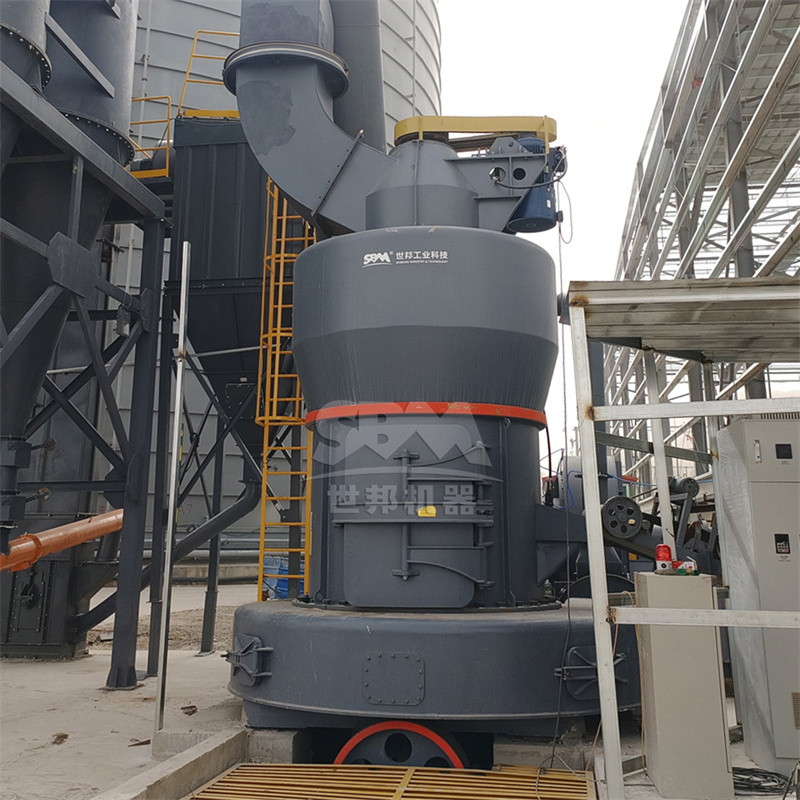
In contrast, the LM Series Vertical Roller Mill offers a paradigm shift in efficiency. Its integrated design combines crushing, grinding, drying, and classification into a single unit. This not only reduces the footprint by up to 50% but also eliminates the need for separate classifiers and elevators. The grinding principle relies on a material bed, where rollers crush the gangue against a rotating table. This bed grinding mechanism is inherently more energy-efficient. The non-contact design between rollers and table reduces wear part consumption, extending service life by up to three times compared to ball mills. For a 60-mesh target, the LM series can adjust its classifier speed to ensure a uniform product with minimal over-grinding, significantly reducing wasted energy.

Analyzing Operational Expenditure (OPEX)
Beyond energy, operational expenditure includes labor, maintenance, and auxiliary materials. A ball mill requires a complex feeding system and a separate air classifier, increasing the points of potential failure. Maintenance on a ball mill involves re-lining the shell and replenishing steel balls, which is labor-intensive and costly. The MTW Series European Trapezium Mill offers a compromise for medium-capacity plants. Its patented integral bevel gear drive boosts transmission efficiency to 98%, a significant improvement over older gearbox designs. Furthermore, its anti-wear shovel design and optimized arc air ducts reduce airflow energy loss, translating to lower operational costs. The use of wear-resistant volute structures minimizes maintenance frequency, meeting the demands of a continuous production line.
Another critical aspect of OPEX is the drying of feed material. Coal gangue often contains residual moisture. The LM vertical mill uses hot air for both drying and conveying the fine powder, eliminating the need for a separate rotary dryer. This co-current drying and grinding process streamlines the operation and lowers thermal energy requirements. The MTW mill, while requiring an external dryer for high-moisture feed, is perfectly suited for materials with less than 6% moisture content, which is common for screened gangue. Thus, assessing the moisture levels of your specific gangue is essential when choosing between these two efficient systems.
Specific Equipment Recommendations
For operations prioritizing maximum throughput and the lowest energy consumption per ton, we strongly recommend the LM130K Vertical Roller Mill. With a grinding table diameter of 1300mm and a capacity of 10-28 t/h at a fineness of 170-40μm, it fully covers the 60-mesh requirement. Its power configuration of 200kW offers a significant energy saving margin. The LM130K is designed for high-efficiency pulverization of non-metallic minerals like coal gangue, featuring a quick-change modular roller assembly that reduces downtime. The automatic control system allows for remote monitoring and real-time adjustment of parameters, ensuring the 60-mesh fineness is maintained with minimal operator intervention, thereby reducing labor costs and human error.
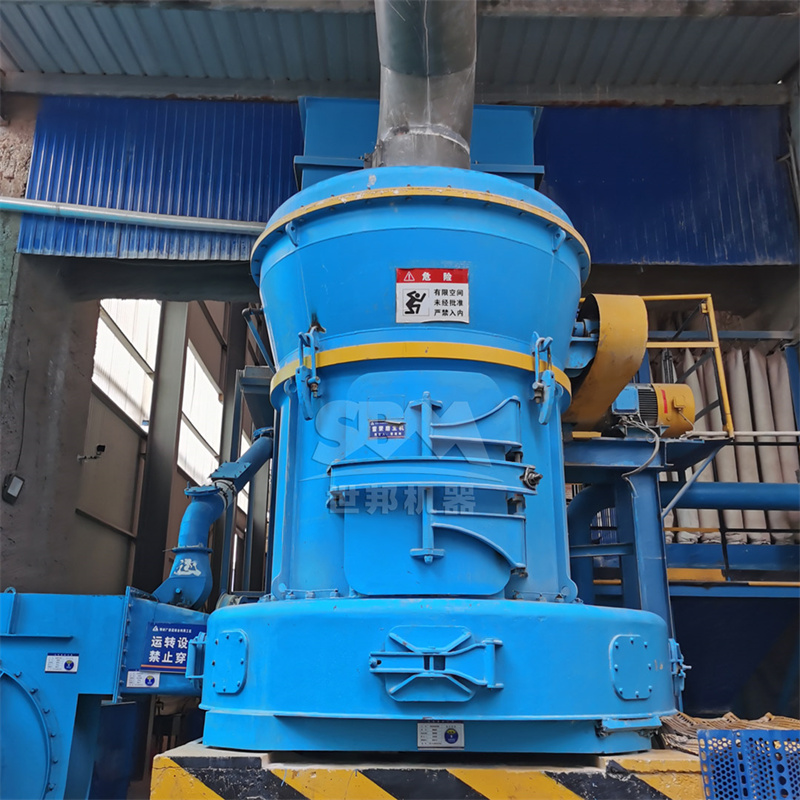
Alternatively, for clients with a slightly lower capacity requirement but a need for exceptional wear resistance and European technology standards, the MTW138Z is an excellent choice. This model boasts a capacity of 6-17 t/h and a fineness range of 10-325 mesh. The ‘Z’ designation signifies an enhanced classifier, providing a sharper cut and more precise particle size distribution—essential if the 60-mesh powder will be used in high-quality brick production. The MTW138Z’s main power is 90kW, with a fan power of 110kW, reflecting its optimized airflow design. Its installation is straightforward, and the integral bevel gear drive reduces the required floor space, offering potential savings in civil engineering costs. This model is a perfect balance of initial investment and long-term reliability.
Lifecycle Cost Comparison and Payback Period
To make a financially sound decision, one must consider the total lifecycle cost (LCC). This includes the purchase price, installation, foundation, auxiliary equipment, energy, maintenance, and spare parts over a 10-year period. A traditional ball mill may have a low purchase price, but energy and media consumption can account for over 60% of the LCC. In contrast, the LM vertical mill’s energy savings of 30-40% directly reduce the largest variable cost. Furthermore, the LM series uses a hydraulic system for roller tensioning, eliminating the heavy gear reducers and large bearings found in other mills, which simplifies maintenance and reduces the need for specialized lubrication. This translates to a payback period that is often shorter than 18 months when comparing the extra energy savings against the higher initial CAPEX.
Cost per ton is another vital metric. The use of a vertical roller mill allows for finer control of the classifier speed. If the objective is strictly 60-mesh, the mill can be optimally adjusted to produce fines without over-milling, which is a common energy wastage in ball mills. Ball mills tend to produce a broad particle size distribution, resulting in a significant amount of ultra-fine powder that might not be usable for the intended application, whereas the vertical mill’s precise cutting ensures that 99% of the output passes the 60-mesh sieve and is captured in the acceptable range. This high yield rate of usable material directly improves the cost-effectiveness of the plant. The LM130K’s system integrates the classifier within the mill body, making this precision possible without additional equipment.
Maintenance and Reliability Considerations
Operational reliability is a non-negotiable factor in continuous industrial processes. A breakdown in the grinding circuit halts the entire production line. The MTW series has incorporated several design features to enhance reliability. The horizontal pull-rod connection protects the main shaft bearing from radial forces, reducing the risk of catastrophic failure. The utilization of highly wear-resistant high manganese steel for liners (a non-resistance flow design) extends the lifespan of critical components, ensuring that the mill operates consistently at peak performance for thousands of hours. For the LM series, the dynamic classifier has multi-stage adjustment technology, allowing for fine-tuning without stopping the machine. This remote-adjustable feature means operators can tweak the fineness to maintain 60-mesh specifications without interrupting the process, which is a critical factor for just-in-time inventory management.
Furthermore, the environmental regulations surrounding dust emissions are becoming increasingly strict. Both our LM and MTW series are equipped with advanced pulse dust collection systems. This high-efficiency filtration ensures that the exhausted air meets international emission standards, avoiding hefty fines for non-compliance. The LM mill operates under negative pressure, preventing any dust leakage. The MTW series also offers an optional soundproof room, reducing noise pollution to below 85 decibels, creating a safer and more pleasant working environment. Investing in cleaner technology not only protects the environment but also enhances the corporate image and reduces liability.
Conclusion: Strategic Selection for Optimal Profitability
Choosing the right 60-mesh coal gangue powder production equipment is not a one-size-fits-all equation. It is a strategic decision that balances initial capital investment against long-term operational costs. While traditional mills may tempt buyers with lower upfront prices, the hidden costs of energy, maintenance, and downtime can quickly erode profit margins. Our analysis demonstrates that investing in modern grinding technology, specifically the SCM Series (for finer requirements) or the LM Series Vertical Roller Mill, represents a superior long-term value. For the specific requirement of 60-mesh at high capacity, the LM130K offers unrivaled energy efficiency (30-40% lower than ball mills) and low wear rates. For medium-scale operations, the MTW138Z provides a perfect synergy of European engineering, precision classification and lower maintenance costs. By calculating the total lifecycle cost and evaluating production efficiency, plant managers can make an informed choice that drives sustainable growth, minimizes waste, and maximizes return on investment.