
Introduction to 200-Mesh Bauxite Powder Production
Bauxite, the primary ore for aluminum production, is also widely used in refractories, abrasives, cement, and chemical industries. When ground to 200 mesh (75 microns), bauxite powder offers excellent performance in high-alumina refractory castables, proppants for oil and gas wells, and as a raw material for fused alumina. Selecting the right grinding equipment for your plant is crucial, as it directly impacts product quality, energy consumption, operational costs, and overall profitability. This article provides a comprehensive guide on how to evaluate and choose the most suitable 200-mesh bauxite powder production equipment, focusing on technical parameters, economic considerations, and material-specific requirements.
Key Factors to Consider Before Choosing Grinding Equipment
When planning a bauxite grinding plant, you must first analyze your raw material characteristics. Bauxite hardness typically ranges from 1 to 3 on the Mohs scale, but its abrasiveness can be high due to alumina content. Moisture content (usually 5-8% in raw bauxite) also affects drying and grinding efficiency. Additionally, you need to define your target capacity (tons per hour), required fineness (D90 at 200 mesh), and whether you need to adjust fineness frequently. These parameters will determine whether you should choose a pendulum mill, a vertical roller mill, or an ultrafine grinding mill. None of these choices is ‘best’ in absolute terms—the optimal equipment is always the one that aligns with your specific production goals and site constraints.
Evaluating Grinding Mechanisms for Bauxite: Roller Mills vs. Other Technologies
For 200 mesh bauxite powder, the most common technologies are pendulum roller mills, vertical roller mills, and ball mills. Ball mills offer high capacity but consume 30-40% more energy than modern roller mills. Pendulum mills (like MTW and MTM series) and vertical roller mills (like LM series) are preferred for their energy efficiency and precise classification. Let’s analyze them in detail.
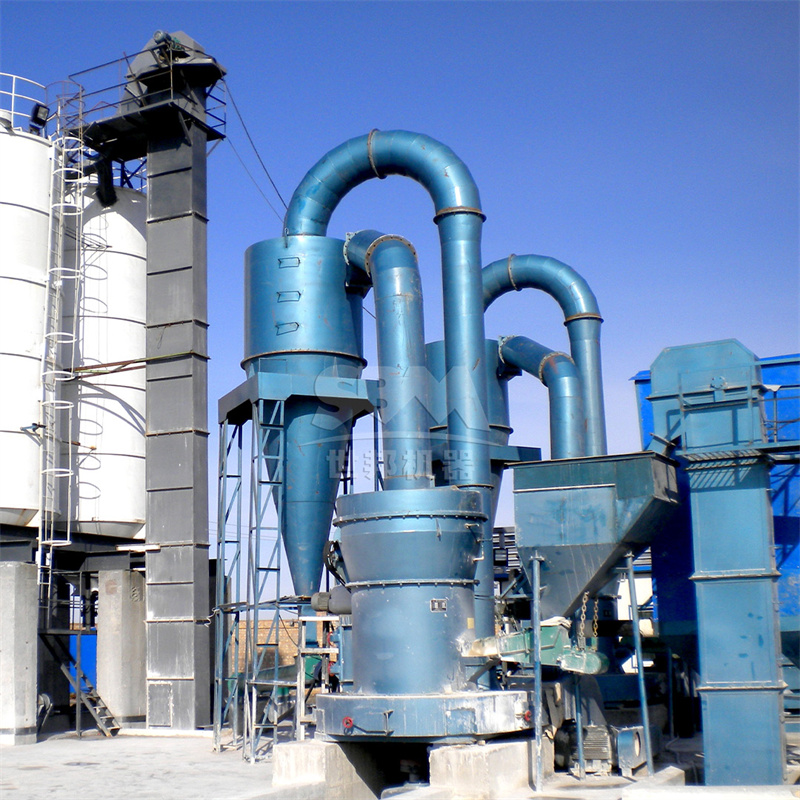
Pendulum Roller Mills: These are ideal for medium-hard materials like bauxite. The grinding rollers press the material against a stationary ring, creating a compressive force. The key advantage is its simplicity and the ability to handle feed sizes up to 50mm, reducing the need for primary crushing. For 200 mesh output, they maintain a stable production rate with minimal fines over-grinding. Our MTW Series European Trapezium Mill exemplifies this technology, delivering output fineness from 30 to 325 mesh and capacities up to 45 t/h.
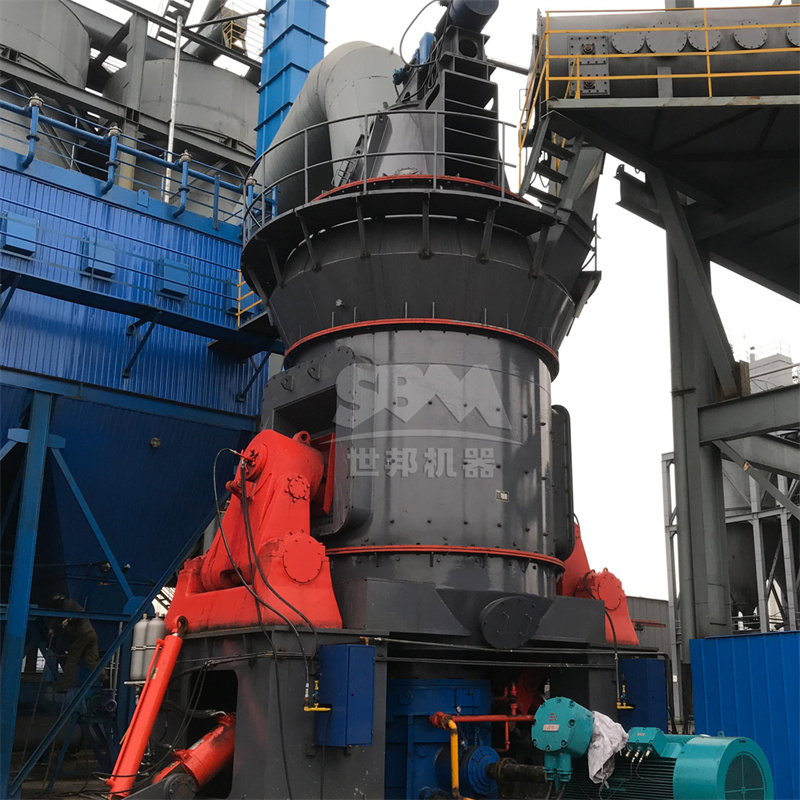
Vertical Roller Mills (VRM): VRMs are designed for large-scale operations. They combine grinding, drying, and classification in one system. The material is ground by rollers on a rotating table. VRMs consume 30-50% less energy than ball mills and have a smaller footprint – a significant advantage for plants with space constraints. The LM Series Vertical Roller Mill stands out with its integrated design, reducing floor space by 50% and supporting outdoor installation.
Fineness and Classification Precision: The 200-Mesh Standard
Producing 200-mesh powder (D75 = 74 μm) requires a classifier with high precision. A good classifier must ensure that the PSD (Particle Size Distribution) is tight, meaning no coarse particles above 75 μm and a controlled percentage of ultrafine particles. In bauxite applications for refractories, even a small amount of coarse particles can cause defects in the final product. Therefore, you must select equipment with a dynamic classifier capable of precise cut points.
- For MTW Series, the vertical turbine classifier offers precise control, ensuring that finished products have a uniform fineness without coarse powder contamination.
- For LM Series, the multi-stage adjustable dynamic classifier technology allows you to fine-tune the fineness while maintaining high yield.
Comparing Our Core Mill Options for 200-Mesh Bauxite
Based on the requirement of 75 μm output, let’s compare two flagship options from our product portfolio: MTW Series European Trapezium Mill and LM Series Vertical Roller Mill. Both are excellent choices, but they serve slightly different operational scales.
| Parameter | MTW Series (e.g., MTW175G) | LM Series (e.g., LM150K) |
|---|---|---|
| Input Size | ≤40mm | ≤38mm |
| Output Fineness | 30-325 mesh (supports 200 mesh perfectly) | 170-40 μm (equivalent 80-325 mesh) |
| Capacity | 9.5-25 t/h | 10-28 t/h |
| Main Power | 160 kW | 200 kW |
| Space Requirement | Medium | Low (50% less footprint) |
| Energy Consumption | Very low | Lowest (30-40% less than ball mill) |
| Maintenance | Low (anti-wear shovel design) | Low (quick-change modular roller assembly) |
If you are planning a medium-sized plant (10-20 t/h) with a focus on simplicity and lower initial investment, the MTW175G is an exceptional choice. Its combined shovel blades reduce maintenance costs, and the optimized arc air duct ensures high transmission efficiency. On the other hand, if you have very large capacity requirements (above 20 t/h) and want to minimize civil works, the LM150K vertical roller mill is more suitable.
Energy Efficiency and Operating Costs
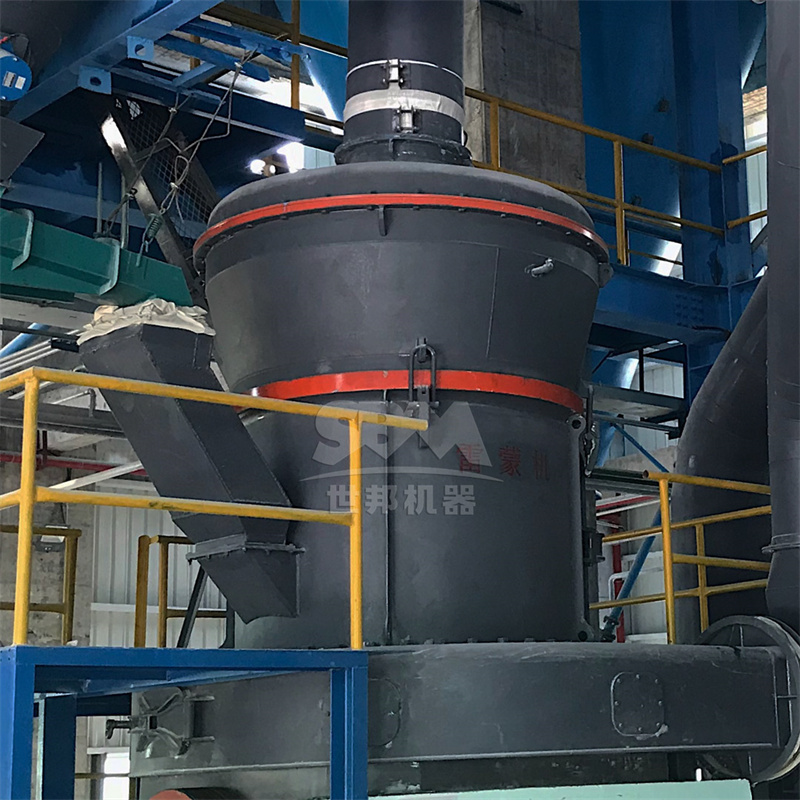
Energy is the largest variable cost in a grinding plant. A 200-mesh bauxite grinding process consumes significant power. Our MTW series uses an integral bevel gear drive with a transmission efficiency of up to 98%, significantly reducing energy loss compared to traditional gearboxes. Additionally, the wear-resistant volute structure reduces maintenance costs by 30% and prevents air leakage, thus improving selection efficiency.
For the LM series, the bed grinding principle (non-contact between rollers and table) reduces wear and energy consumption. The expert-level auto-control system monitors grinding pressure and classifier speed in real time, ensuring the mill always operates at its optimal point. This reduces specific energy consumption by 20-30% compared to conventional grinding systems. When energy costs amount to 60% of total operating costs, these savings translate directly to your bottom line.
Material Handling and Moisture Control
Raw bauxite often contains 5-10% moisture. In a pendulum mill like MTW, the moisture is evaporated by hot air drawn into the mill. The air duct is designed to introduce hot gases from an external heat source. For the LM vertical mill, hot air is directly injected into the grinding chamber, achieving simultaneous grinding and drying. This is particularly effective for bauxite, ensuring you don’t need a separate dryer. If you choose MTW, ensure your feed has low moisture or dry it in advance. For LM, it can handle up to 8% moisture without external drying.
Durability and Wear Parts for Abrasive Bauxite
Bauxite is abrasive due to its corundum content. Therefore, the wear life of grinding rollers, rings, and liners is a critical factor. Our MTW series uses special alloy steel for grinding rollers, extending service life several times over compared to ordinary carbon steel. The curved shovel design further protects the rollers from premature wear. In the LM series, the grinding rollers and table are made of high-chrome alloys with hardening treatments. The modular design allows for quick replacement of rollers, reducing downtime by up to 40%. We recommend inspecting wear parts every 2,000 operating hours and using our OEM replacement parts to ensure peak performance.
Environmental Compliance and Dust Collection
Bauxite grinding generates fine dust that is hazardous to health and the environment. Both MTW and LM series are equipped with advanced pulse dust collectors. In the standard system, a cyclone collector is followed by a pulse jet bag filter, ensuring emissions below 30 mg/Nm³. The entire system operates under negative pressure, preventing dust leakage. This not only complies with stringent environmental regulations but also improves work safety and product recovery.
- Noise level is another consideration. The MTW series incorporates a soundproof room design, keeping noise below 85 dB.
- The LM series uses a fully sealed system, producing noise levels below 75 dB.
Scalability and Automation
Your plant capacity may need to expand in the future. Selecting equipment that can be easily scaled is wise. MTW models range from small (MTW110 at 3-9 t/h) to large (MTW215G at 15-45 t/h), allowing you to start with one unit and add another later. LM series offers larger capacities (up to 250 t/h for some models) but with a single unit, you can also install multiple units. Both series support our PLC-based intelligent control system, which provides real-time monitoring of feeding rate, grinding pressure, and classifier speed. This automation reduces manual intervention and improves consistency.
Case-Specific Recommendation for 200-Mesh Bauxite
For a standard 200-mesh bauxite powder production line with required capacity around 15-20 t/h, we highly recommend two options:
Option 1: SCM Series Ultrafine Mill
Although primarily an ultrafine mill, the SCM series can also efficiently produce 200-mesh powder if you need high flexibility to go to 325 mesh later. Model SCM1250 offers a capacity of 2.5-14 t/h and a fineness from 325-2500 mesh, allowing easy adjustment to 200 mesh. This equipment is more expensive but offers unmatched versatility.
Option 2: MTW Series Trapezium Mill (Specifically MTW175G)
If your target is exclusively around 200 mesh without the need to go below 75 microns, the MTW175G is the ideal cost-performance choice. Its 160kW main power, combined with an input size of ≤40mm, ensures efficient grinding. With the anti-wear design and a capacity of 9.5-25 t/h, this mill ensures a payback period of less than 18 months in most markets. Operating at 200-mesh, it achieves a specific power consumption of only 25-30 kWh per ton, which is lower than ball mills.
Steps to Finalize Your Purchase
- Test Your Material: Send us a 5kg sample of your raw bauxite. We will run a grindability test to determine the exact work index and recommend the optimum model.
- Define Your Electrical Infrastructure: Check your available voltage (380V or 6/10kV). This determines which motor configuration your mill will use.
- Layout Planning: Calculate the required floor space for the mill, classifier, cyclones, and baghouse. Our engineering team can provide a 3D layout to optimize material flow.
- After-Sales Service: Consider the availability of spare parts and technical support. We offer a global service network and a two-year warranty on main components.
Conclusion
Choosing the right 200-mesh bauxite powder production equipment is a decision that affects your plant’s operational excellence for years. By prioritizing materials characteristics, energy efficiency, classification precision, and environmental compliance, you can ensure a substantial return on investment. We have designed the MTW and LM series to meet these exact demands, combining proven technology with robust construction. We invite you to contact our technical team to evaluate your specific bauxite composition and production targets. We will provide a tailored proposal, including a detailed cost analysis and payback calculation. Let us help you build a modern, efficient, and profitable bauxite grinding plant.