
1. Introduction to Superphosphate Processing
Superphosphate, a cornerstone of the modern fertilizer industry, provides essential phosphorus nutrients to crops worldwide. The efficiency of its production line directly impacts yield quality, operational costs, and environmental compliance. As fertilizer manufacturers seek to optimize their processes, the selection of appropriate grinding and processing equipment becomes paramount. This guide provides a comprehensive overview of high-efficiency equipment for superphosphate processing, covering crucial aspects from selection criteria to operational best practices and maintenance schedules.

2. Selection Criteria for Processing Equipment
Choosing the right equipment for superphosphate production involves a careful evaluation of several key parameters. The physical and chemical characteristics of the raw phosphate rock, the required fineness of the final product, and the desired production capacity are the primary determinants.
Raw Material Analysis: The hardness, moisture content, and abrasiveness of the phosphate rock dictate the grinding technology most suitable for the task. Softer, sedimentary rocks may be efficiently processed with impact or attrition mills, while harder, igneous rock types may require the high compressive forces of vertical roller mills.
Fineness Requirements: The agricultural effectiveness of superphosphate is significantly influenced by particle size. A finer, more uniform powder ensures better soil integration and faster nutrient release. For standard superphosphate (SSP), a fineness of 80-100 mesh is common. However, for triple superphosphate (TSP) or enhanced efficiency fertilizers, finer grinds of up to 200-325 mesh may be required to maximize chemical reaction rates and nutrient availability.
Capacity and Throughput: Matching the mill’s capacity to the upstream and downstream processes is critical to avoid bottlenecks. The equipment must handle peak feed rates while maintaining consistent product quality.
3. Overview of Grinding Technologies
Our product line offers a variety of grinding solutions, each engineered for specific operational niches within the fertilizer sector.
3.1 Vertical Roller Mills for High-Volume Grinding
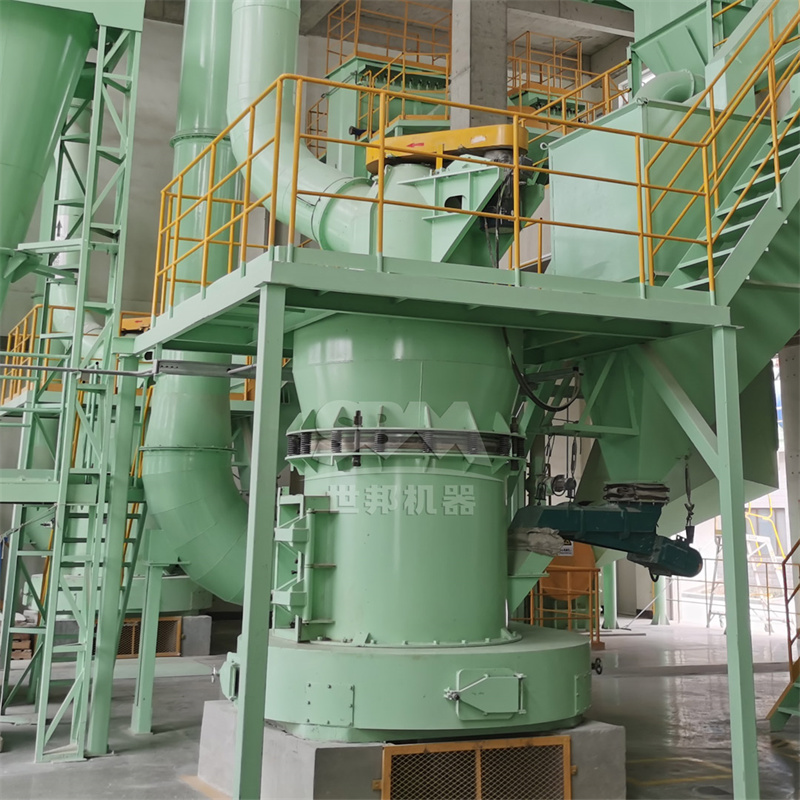
For large-scale superphosphate plants, the LM Series Vertical Roller Mill presents an integrated solution that combines crushing, grinding, drying, and classification. Its low energy consumption, typically 30-40% less than a ball mill system, is a significant operational advantage. The non-contact design between the rollers and the table minimizes wear, ensuring a long service life and stable operation, even with abrasive phosphate rock. The LM series is capable of producing fine powders ranging from 170-40μm (approximately 80-325 mesh) with capacities up to 250 tons per hour, making it an ideal choice for high-throughput production lines.
Product Recommendation: For operations prioritizing energy efficiency and high capacity, we recommend our LM Series Vertical Roller Mill. Its integrated design reduces floor space by 50% and infrastructure costs by 40%, offering an excellent total cost of ownership. Models like the LM170K or larger can seamlessly integrate into existing plant layouts to enhance overall throughput.

3.2 Medium-Speed Mills for Balanced Production
For mid-sized producers or those requiring flexibility in output fineness, the MTW Series European Trapezium Mill and MTM Series Medium-speed Trapezium Mill are excellent options. These mills offer efficient grinding with capacities ranging from 3 to 45 tons per hour and can adjust fineness from 45-325 mesh. The MTW series features an integral bevel gear drive with up to 98% transmission efficiency and an anti-wear shovel design, reducing maintenance costs. These systems are ideal for producing fine powders for both SSP and TSP production, providing a balance of investment cost and operational performance.
3.3 Ultrafine Grinding for Specialty Products
The production of high-value-added products, such as water-soluble fertilizers or suspension concentrates, requires ultrafine particle sizes. Our SCM Series Ultrafine Mill excels in this domain, delivering output fineness ranging from 325 to 2500 mesh (45-5μm). The vertical turbine classifier ensures precise particle size cutting without any coarse powder mixing, guaranteeing the uniform quality essential for high-analysis fertilizer products. With a capacity twice that of jet mills and 30% lower energy consumption, the SCM series is the smart choice for specialized grinding applications.
Product Recommendation: For specialized superphosphate products demanding exceptional fineness and uniformity, we recommend our SCM Series Ultrafine Mill. Its intelligent control system provides automatic finished product granularity feedback, ensuring consistent quality for premium fertilizer formulations.
4. Operation Best Practices
Optimal operation of superphosphate processing equipment is not just about pressing start. It requires a systematic approach to feed control and parameter monitoring.
- Feed Control: Maintain a consistent and uniform feed rate. Fluctuations in feed can lead to inconsistent product fineness and increase vibration, placing unnecessary stress on the mill components. Use a variable speed feeder to modulate the feed based on the mill’s motor amperage.
- Classifier Speed: Adjust the classifier (separator) speed to control the product fineness. An increase in rotor speed results in a finer product. Leave the classifier speed unchanged until operators determine the optimum speed for the desired particle size.
- Airflow Management: The air volume and velocity within the mill system are critical for drying and material conveying. Monitor the system’s differential pressure. A rising pressure differential indicates material build-up, which may require adjusting the feed rate or air flow.
- Moisture Control: For materials like phosphate rock with inherent moisture, the hot air temperature entering the mill must be sufficient to dry the product to the target level without overheating and affecting the equipment’s lubrication system.
5. Preventive Maintenance Strategies
A well-executed preventive maintenance plan is the key to reducing downtime and extending the lifespan of milling equipment. Reactive maintenance can lead to catastrophic failures and costly production halts.
Daily Inspections: Conduct visual inspections for any oil leaks, abnormal noise, or excessive vibration. Check the operation of the lubrication system and ensure that hydraulic units (if present) are functioning correctly.
Weekly Checks: Monitor the wear condition of grinding elements such as rollers and liners. While wear is inevitable, unusual patterns could indicate misalignment. Also, inspect the condition of the classifier blades for wear and material build-up.
Monthly & Quarterly Maintenance: Regularly check and re-torque all structural bolts. Inspect the condition of the air duct seals and the pulse-jet filter bags for blockages or holes. For gear-driven mills, scheduled oil sampling and analysis can predict bearing and gear wear, allowing for timely intervention before a breakdown.
Spare Parts Inventory: Maintain a critical inventory of high-wear spare parts, such as grinding rollers, rings, and shovel blades. Having these components on hand minimizes the waiting time for parts and ensures that scheduled maintenance windows are not extended unduly.
By adhering to a rigorous maintenance schedule, fertilizer producers can maximize the return on their equipment investment. High-quality equipment, like our MTW, LM, and SCM series, are designed for longevity, but their performance is heavily dependent on regular and preventative care.