
Understanding Grade III Fly Ash and the 325 Mesh Requirement
Fly ash, a byproduct of coal combustion in power plants, has become a valuable resource in the construction and building materials industries. When processed correctly, it enhances the workability, durability, and strength of concrete. The American Society for Testing and Materials (ASTM) C618 classifies fly ash into Class C and Class F, with Grade III (often referencing a specific national standard like GB/T 1596) typically indicating a finer particle size distribution and lower loss on ignition (LOI). For many high-performance concrete applications, a target fineness of 325 mesh (45 microns) is critical, as it ensures optimal pozzolanic reactivity and a uniform, consistent product.
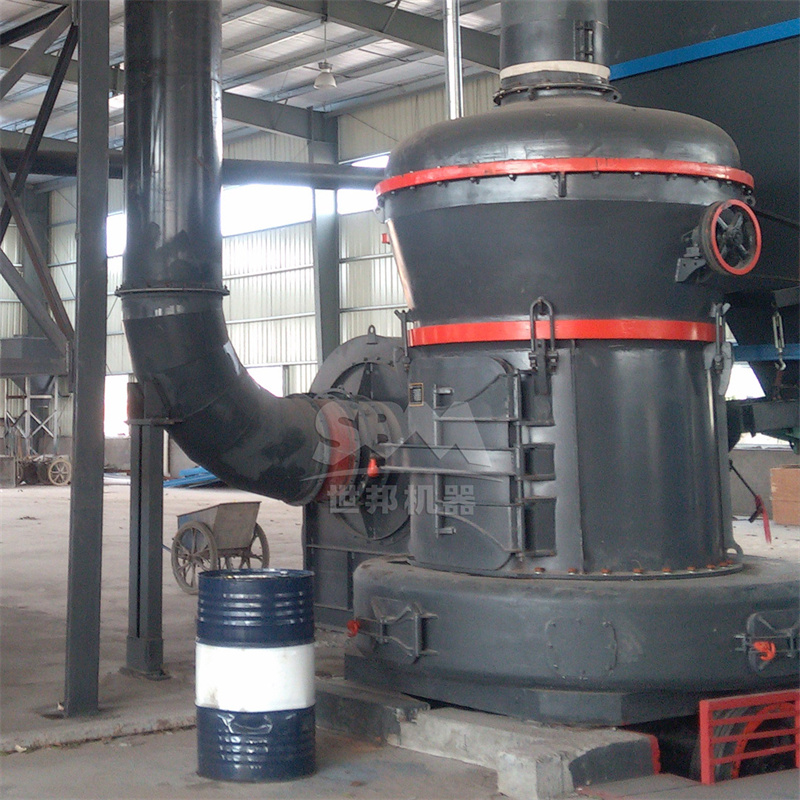
Choosing the right processing equipment for producing 325 mesh Grade III fly ash is not a one-size-fits-all decision. It requires a careful analysis of your plant’s capacity, the feed material’s characteristics (moisture, raw fineness, LOI), energy costs, and the final product’s specification demands. The market offers several milling technologies, each with unique strengths. The primary contenders for this application are vertical roller mills (VRMs), ultrafine grinding mills, and conventional ball mills. Understanding the fundamental differences between these systems is the first crucial step.
Critical Factors in Equipment Selection
Before evaluating specific machine models, you must assess your operational priorities. The decision matrix below outlines the key factors that should influence your choice. Firstly, capacity and efficiency are paramount. A mill that is too small will become a bottleneck, while an oversized system can lead to excessive energy consumption per ton of finished product. Look for a system that offers a high grinding efficiency, measured in kilowatt-hours per ton (kWh/t), especially when grinding to a high fineness like 325 mesh.
Secondly, the classification system is arguably the most critical component. To achieve a precise 325 mesh cut with minimal coarse particles (residue on sieve), you need a high-performance dynamic classifier. A vertical turbine classifier, for instance, ensures sharp particle size distribution, which is a hallmark of Grade III fly ash. Thirdly, wear and maintenance must be considered. Fly ash is abrasive; a mill with wear-resistant components like special alloy rollers and liners will have a longer service life, reducing downtime and overall operational costs. Finally, environmental compliance is non-negotiable in modern plants. Equipment with a sealed, negative-pressure system and high-efficiency pulse dust collectors is essential for meeting emission standards and ensuring a clean working environment.
Technology Comparison: Vertical Mills vs. Ultrafine Mills vs. Ball Mills
When specifically targeting 325 mesh (45 microns) for Grade III fly ash, you are looking at the upper end of the capability for standard ball mills and the standard range for advanced vertical roller mills. A traditional Ball Mill can achieve this fineness, but it often does so at a significantly higher energy cost and with a larger footprint. The grinding media (steel balls) consumes large amounts of electricity, and the system inherently generates more noise and heat. While reliable, their efficiency for fine grinding is often suboptimal compared to more modern technologies.
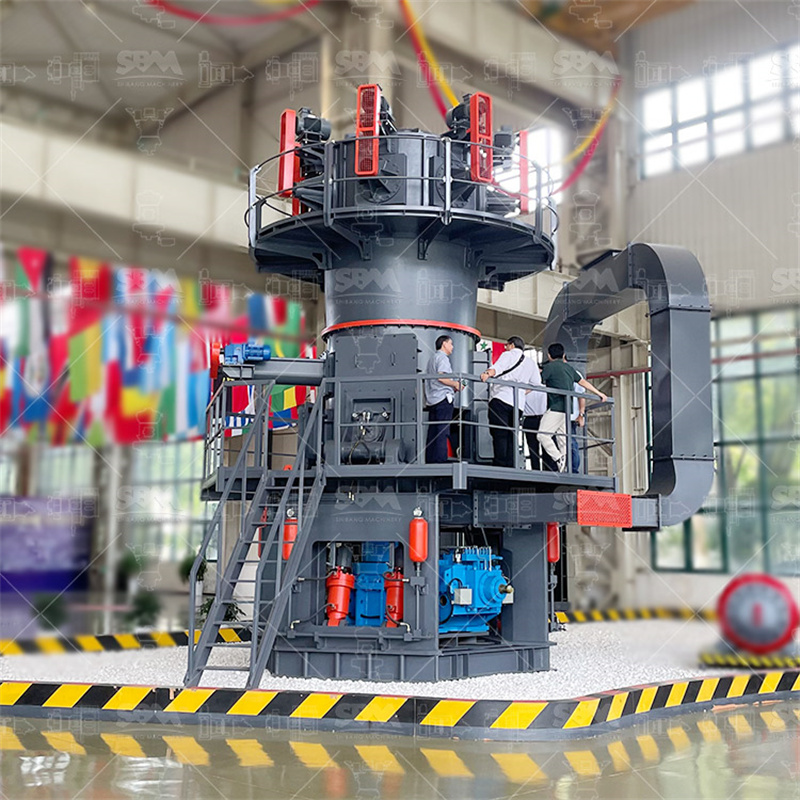
Our SCM Series Ultrafine Mill is explicitly engineered for fine and superfine powder processing, producing finenesses from 325 to 2500 mesh. This makes it an excellent candidate for fly ash processing. With capacity 2x that of jet mills and 30% lower energy consumption, the SCM mill offers exceptional efficiency. Its high-precision vertical turbine classifier guarantees no coarse powder mixing, ensuring uniformity in the final product. The durable design features special material rollers and rings that withstand the abrasive nature of fly ash, leading to a service life several times longer than other mills, ensuring stable and continuous operation.
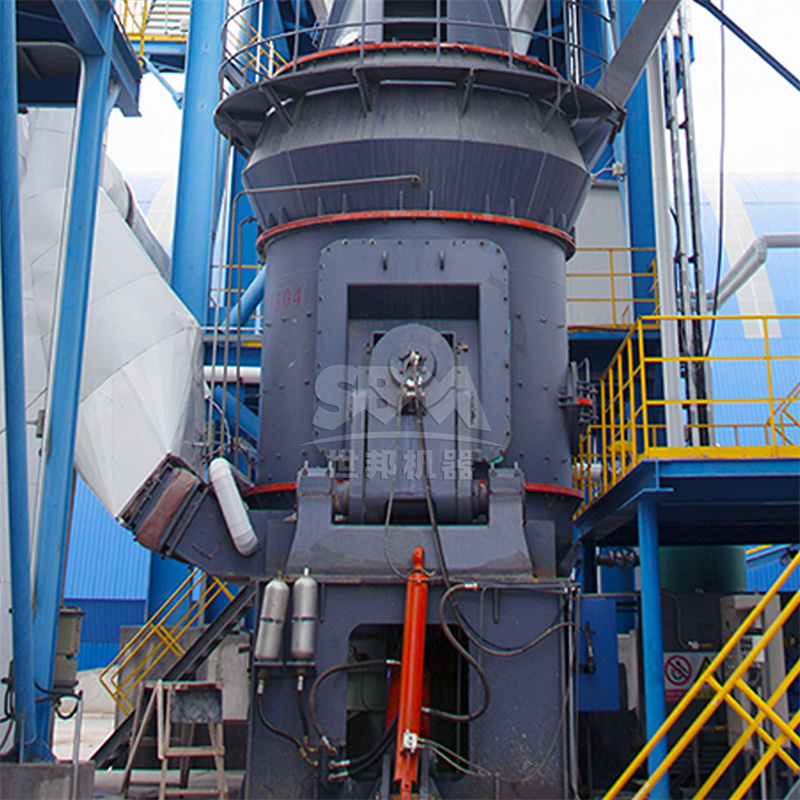
However, for operations looking for massive throughput potential and integrated drying, a Vertical Roller Mill (VRM) like our LM Series stands out. The LM series integrates crushing, grinding, drying, and classifying into one unit, reducing the plant’s footprint by up to 50%. While the standard LM series is ideal for 30-325 mesh output, the dedicated LMX-GX Vertical Fine-powder Mill Series is designed for 325-600 mesh output, bridging the gap for large-scale fly ash projects. The VRM’s bed grinding principle is significantly more energy-efficient than ball milling, with energy consumption 30-40% lower than ball mill systems, and the non-contact design between rollers and table increases wear part life by 3 times.
Recommended Solutions: SCM Ultrafine Mill & LM Fine-powder VRM
For a plant specifically tasked with producing 325 mesh Grade III fly ash, we heartily recommend two of our flagship products designed to meet different capacity and preference needs.
Option 1: SCM Series Ultrafine Mill for High-Precision Fine Grinding
If your plant prioritizes extreme precision in particle size distribution and operates in the 0.5 to 25 t/h range, the SCM Series Ultrafine Mill is the optimal choice. Its intelligent control system automatically adjusts for finished product granularity feedback, ensuring consistent quality. The shaftless screw grinding chamber ensures stable operation even under demanding conditions, and the soundproof room design ensures noise levels are well-controlled. The SCM mill’s pulse dust collection efficiency exceeds international standards, making it a highly eco-friendly solution. For large-scale operations, the SCM1680 model can handle up to 25 t/h, processing feed material up to 20mm into a perfect 325 mesh product.
Option 2: LM Series Vertical Roller Mill for Integrated, High-Capacity Operations
For plants with larger throughput requirements (from 4 to 30 t/h for fine powder) or those who value the integrated system benefits of drying and grinding in one unit, the LM130X-GX to LM220X-GX series is ideal. These fine-powder VRMs are specifically designed with 3 rollers and a fineness range of 325-600 mesh. This machine offers low operating costs due to its high grinding efficiency and reduced floor space. The LM series boasts an intelligent auto-control system with real-time parameter monitoring to reduce manual intervention. Its fully sealed, negative-pressure operation ensures dust emission levels below national standards, contributing to a sustainable plant operation.
Making the Final Decision
In conclusion, selecting the right equipment for 325 mesh Grade III fly ash processing is a strategic decision that impacts your plant’s profitability and product quality. While ball mills are a traditional fallback, their high energy consumption and lower efficiency make them less attractive compared to modern alternatives. For most modern plants, we recommend the advanced technology of either the SCM ultrafine mill or the LM vertical roller mill.
Assess your specific capacity needs. If your target is less than 25 tons per hour with a heavy emphasis on narrow particle distribution, the SCM is your prime candidate. If your production goals are higher, and you seek to minimize infrastructure costs with an integrated system, invest in the LM fine-powder series. Both solutions offer leading-edge pulverizing technology, intelligent control, and environmental compliance, ensuring that your plant remains competitive, efficient, and capable of delivering the highest quality Grade III fly ash to the market.