
Introduction to Dolomite in Rubber Manufacturing
Dolomite, a calcium magnesium carbonate mineral, has become an indispensable additive in the rubber industry. Its primary roles include serving as a reinforcing filler, an acid scavenger, and a processing aid that enhances the physical properties of rubber compounds. The quality of dolomite powder, particularly its particle size distribution and fineness, directly influences the tensile strength, elasticity, and wear resistance of the final rubber products. As rubber manufacturers strive for higher performance and cost-efficiency, the demand for ultra-fine, precisely classified dolomite powder has surged. Achieving this requires specialized grinding equipment designed not only for high throughput but also for exceptional precision and energy efficiency.
The journey from raw dolomite rock to a functional rubber additive involves several critical stages: primary crushing, drying, grinding, and classification. Among these, the grinding stage is the most energy-intensive and technically demanding. Traditional ball mills, while reliable, often fall short in terms of energy consumption and the ability to produce ultra-fine powders without over-grinding. This is where advanced roller mills and vertical mills have revolutionized the industry. These modern machines utilize bed-of-material grinding principles, where materials are crushed between rollers and a rotating table, offering significant advantages over conventional impact or attrition mills.
For rubber applications, the ideal dolomite filler typically requires a fineness ranging from 45 micrometers (325 mesh) down to 5 micrometers (2500 mesh). This broad spectrum necessitates different types of milling solutions. Coarse to medium grinding might be suited for general-purpose fillers, while ultra-fine grinding is essential for high-performance applications like automotive seals, hoses, and premium soles where smooth surface finish and high dimensional stability are paramount. In this context, selecting the right grinding mill is not merely a matter of capacity; it is a strategic decision that impacts product quality, operational cost, and environmental compliance.
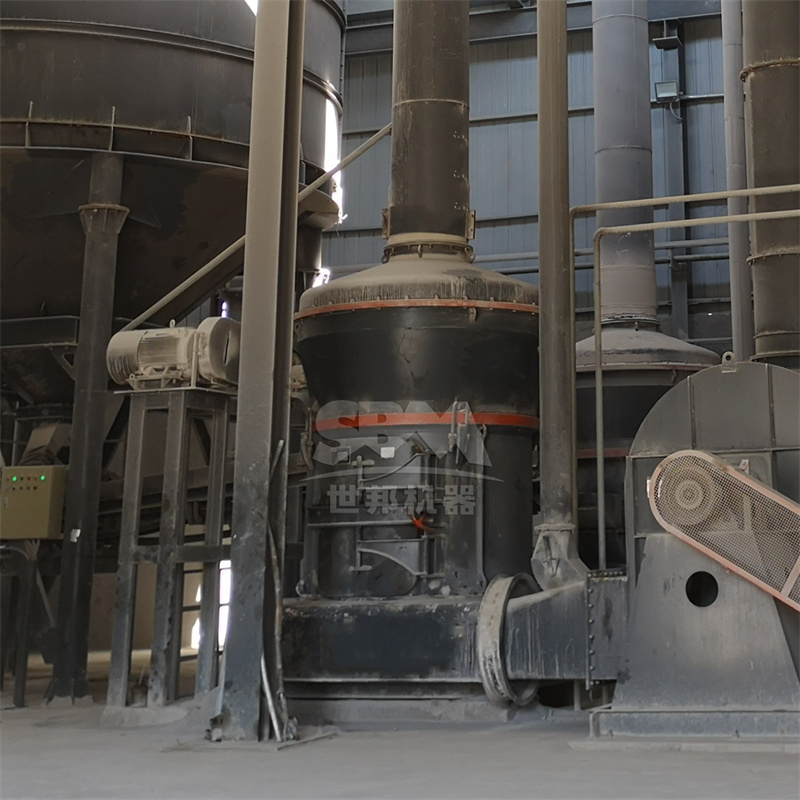
SCM Series Ultrafine Mill: Precision for Premium Fillers
When the requirement escalates to ultra-fine dolomite powder within the 45-5 micrometer range, the SCM Series Ultrafine Mill stands out as a superior choice. Engineered for high-efficiency and energy-saving operations, this mill can produce fineness levels of up to 2500 mesh, making it ideal for high-end rubber products that demand minute particle sizes for enhanced reinforcement. The mill’s core technology lies in its multi-layer grinding ring design. The main motor drives three layers of grinding rings to rotate, dispersing the material by centrifugal force into a grinding path where it is crushed by roller pressure. This layer-by-layer grinding action ensures that the mechanical energy is used effectively to break down the dolomite crystals.
One of the most compelling technical advantages of the SCM series is its throughput and energy profile. When compared to jet mills, the SCM mill doubles the capacity while reducing energy consumption by 30%. This efficiency is critical for large-scale rubber additive producers looking to reduce their carbon footprint and operational expenses. Furthermore, the integration of a vertical turbine classifier ensures high-precision particle size cutting. It effectively prevents the mixing of coarse powder into the finished product, which is a common issue in less sophisticated milling systems. This precision guarantees consistency in the rubber compound, preventing defects like lumps or weak spots in the final vulcanized product.
The durability of the SCM mill is another factor that reduces long-term maintenance costs. The rollers and rings are manufactured from special wear-resistant materials, extending their service life several times over compared to standard components. The shaftless screw grinding chamber ensures stable operation even under intense vibrational forces, which is a common challenge in high-speed milling. Additionally, the system is designed with eco-friendliness in mind. Its pulse dust collection efficiency exceeds international standards, and the optional soundproof enclosure adequately suppresses noise pollution, ensuring that the milling operation can integrate seamlessly into urban or noise-sensitive industrial zones. For a rubber manufacturer seeking top-tier filler quality, the SCM series offers the necessary precision and reliability.
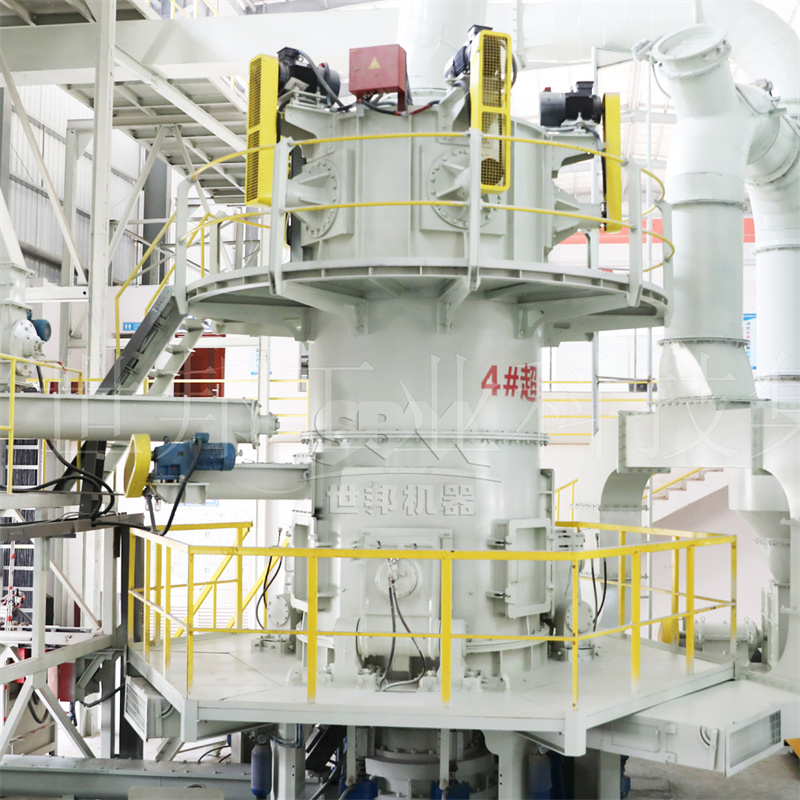
MTW Series European Trapezium Mill: Robust Versatility
While the SCM series excels at ultra-fine applications, the MTW Series European Trapezium Mill provides a robust and versatile solution for medium-fine grinding, typically in the 600-45 micrometer range. This range is often specified for general-purpose rubber goods, shoe soles, and matting where a slightly larger particle size is acceptable, or for further downstream processing. The MTW mill is celebrated for its anti-wear shovel design. The combined shovel blades are engineered to reduce maintenance costs significantly, while the curved design extends the operational life of the grinding roller. This is particularly important when processing abrasive materials like dolomite, which can accelerate wear in standard equipment.
The MTW series utilizes an optimized arc air duct, a design feature that minimizes airflow energy loss and improves transmission efficiency. High-strength guard plates protect the air duct’s working surface, ensuring the internal airflow path remains efficient over long operational periods. In terms of mechanical transmission, the integral bevel gear drive system achieves a remarkable transmission efficiency of up to 98%. This not only saves valuable installation space but also reduces the electrical consumption per ton of finished product. The wear-resistant volute structure employs a non-resistance flow design, which improves air selection efficiency and reduces overall maintenance costs by up to 30%. This makes the MTW mill a highly economical asset for large-volume production of standard dolomite fillers.
Flexibility is a hallmark of the MTW series, with models like the MTW110, MTW138Z, and MTW215G offering capacities from 3 tons to 45 tons per hour. This scalability allows rubber additive producers to match their output precisely to market demand without oversizing their equipment. The patented internal suction oil lubrication system is another first-in-class feature that simplifies maintenance and enhances the operational safety of the gearbox. Combined with internationally advanced pulse dust removal technology, the MTW mill ensures that the production environment remains clean and compliant with global environmental standards.
For operations that require a balance between throughput and fineness, our MRN Pendulum Mill series offers an exceptional alternative within the same class. With a feed size up to 50mm and output fineness down to 30-325 mesh, the MRN series is built for heavy-duty performance. It features a first-in-class thin oil lubrication system that is maintenance-free, eliminating the daily grease-lubrication chores typical of older pendulum mills. Models like the MB5X98 and MB5X298 deliver capacities up to 83 TPH, powered by highly efficient motors. The scientific configuration of the new classifier and isolated cyclone system reduces energy consumption while maintaining precise particle separation, ensuring that the coarse particles do not contaminate the final rubber additive powder.
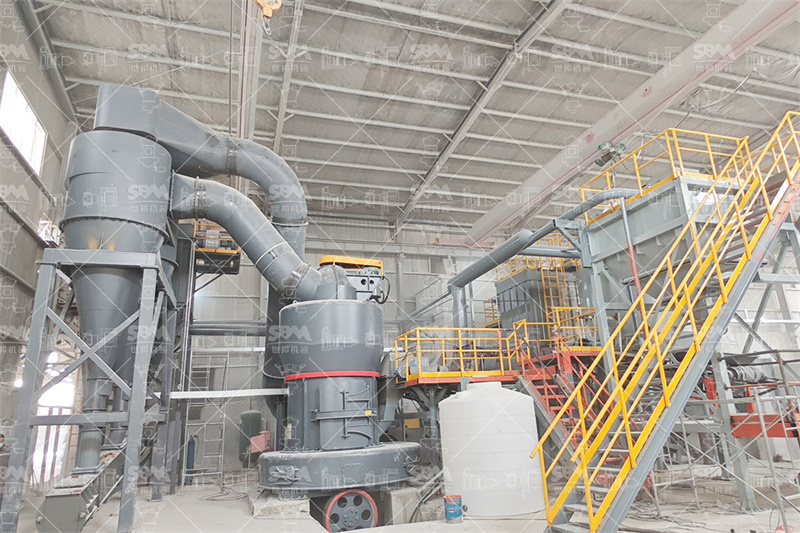
LM Series Vertical Roller Mill: Large-Scale Production Efficiency
For massive industrial scale operations, the LM Series Vertical Roller Mill integrates crushing, drying, grinding, and classifying into a single unit. This integrated design reduces floor space requirements by up to 50% and eliminates the need for separate drying systems when processing materials with high moisture content. The LM mill operates on a bed-of-material principle where the rollers do not directly contact the table, significantly extending the service life of wear parts by up to three times. Energy consumption in this system is 30-40% lower than traditional ball mill systems, making it the most sustainable option for large-scale dolomite additive production.
The LM series is engineered for intelligence. Its expert-level automatic control system supports remote and local switching, allowing for real-time monitoring of grinding pressure, table vibration, and internal temperature. This level of automation reduces manual intervention, ensuring that the final product quality remains consistent around the clock. The fully sealed negative pressure operation guarantees that dust emissions are negligible, and the operating noise is significantly lower than comparable grinding technologies, creating a safer working environment. With models ranging from LM130K to LM280K, the series can achieve capacities from 10 tons to 170 tons per hour, catering to the needs of large integrated rubber chemical parks.
The versatility of the LM series extends beyond just capacity. It supports dynamic classifier adjustments, allowing operators to fine-tune the fineness of the dolomite powder between 170 micrometers and 45 micrometers on the fly. This is particularly useful for manufacturers who produce a range of rubber compounds with different additive specifications. The modular grinding roller assembly, protected by patent rights, enables a quick-change system that minimizes downtime during maintenance. This operational readiness is vital for continuous production environments where stoppages translate directly into financial losses. By choosing a vertical roller mill, rubber additive producers can achieve a competitive edge through lower energy bills and higher system availability.
Comprehensive Processing Solutions and Conclusion
Choosing the right grinding mill is the cornerstone of a successful dolomite additive production line. While the SCM series is the premier choice for ultra-fine filler (45-5μm) that imparts superior mechanical properties to rubber, the MTW and LM series provide excellent alternatives and complementary solutions for medium-fine and bulk production. Often, a processing plant may employ a combination of these machines: a primary crusher to reduce run-of-mine ore to 20mm or 50mm feed size, followed by either an MTW mill for standard 200-325 mesh powder, or an SCM/LM mill for premium grades.
In addition to the primary grinders, our hammer mill series serves as an efficient pre-crushing device, reducing large dolomite stones to 0-3mm particles. This ensures that the main grinding mill receives a consistent and manageable feed size, optimizing its internal grinding efficiency. The PC series hammer mills are robust, featuring high manganese steel liners and an optimized crushing cavity designed for high throughput and low wear. When configured correctly, the entire system from crushing to final classification operates in a balanced, synchronized manner, maximizing yield while minimizing energy waste.
Ultimately, the selection of equipment should be driven by the specific particle size requirements of the rubber product being manufactured. The pursuit of high-quality rubber products begins with high-quality additives, and high-quality additives begin with advanced milling technology. Our portfolio, including the SCM Ultrafine Mill and the MTW European Trapezium Mill, represents the state of the art in grinding technology. These machines are not just pieces of hardware; they are comprehensive solutions designed to address the challenges of energy efficiency, particle precision, environmental stewardship, and total cost of ownership. By partnering with us, rubber manufacturers gain access to this advanced technology, ensuring their products meet the highest industry standards while maintaining operational excellence.