
Introduction to Illite in Fertilizer Production
Illite, a potassium-rich clay mineral, has gained significant traction in the agricultural sector as a premium additive for slow-release fertilizers. Its unique layered structure allows for the intercalation of nutrients, ensuring a steady supply of potassium and trace elements to crops over an extended period. However, the efficacy of illite as a fertilizer additive hinges entirely on its processing quality. Poorly ground illite particles lead to uneven nutrient distribution, clogged application equipment, and reduced bioavailability.
To unlock the full potential of this mineral, fertilizer manufacturers must invest in high-efficiency production equipment capable of delivering ultra-fine, uniformly graded powders. This comprehensive buying guide explores the critical machinery needed for illite processing, focusing on throughput, energy efficiency, and particle size control. We will dissect the technical specifications of leading milling technologies, helping you make an informed investment decision for your production line.
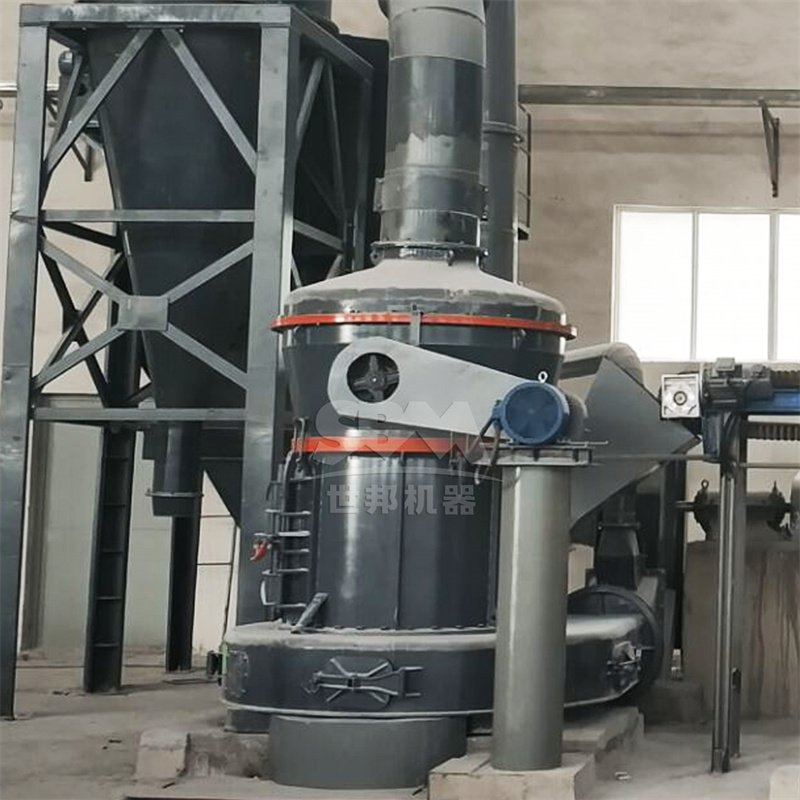
Key Processing Requirements for Illite Additives
The journey from raw illite ore to a functional fertilizer additive involves several stages: crushing, grinding, classification, and collection. The primary challenge lies in the grinding stage, where the mineral’s hardness and moisture content must be managed to achieve a target fineness typically ranging from 325 mesh (45 μm) to 1250 mesh (10 μm). This fine particle size is essential for maximizing the surface area, which facilitates better nutrient adsorption and subsequent release in the soil.
When evaluating equipment, manufacturers must consider three core metrics:
- Energy Consumption: Grinding is an energy-intensive process. Equipment that offers higher capacity per kilowatt-hour directly impacts the profitability of the fertilizer plant.
- Classification Precision: The ability to cut off coarse particles without over-grinding ensures a consistent final product and reduces the load on downstream processes.
- Wear Resistance: Illite is abrasive. Mills constructed with high-wear-resistant alloys for rollers and grinding rings are crucial to minimize downtime and maintenance costs.
Top-Tier Grinding Solutions: The Ultrafine Advantage
For manufacturers targeting premium slow-release fertilizers, the demand for ultra-fine illite powder (below 45 μm) is increasing. This is where the SCM Series Ultrafine Mill emerges as a market leader. Engineered for high-precision output, this equipment is distinguished by its vertical turbine classifier, which guarantees sharp particle size distribution without the risk of coarse powder contamination.
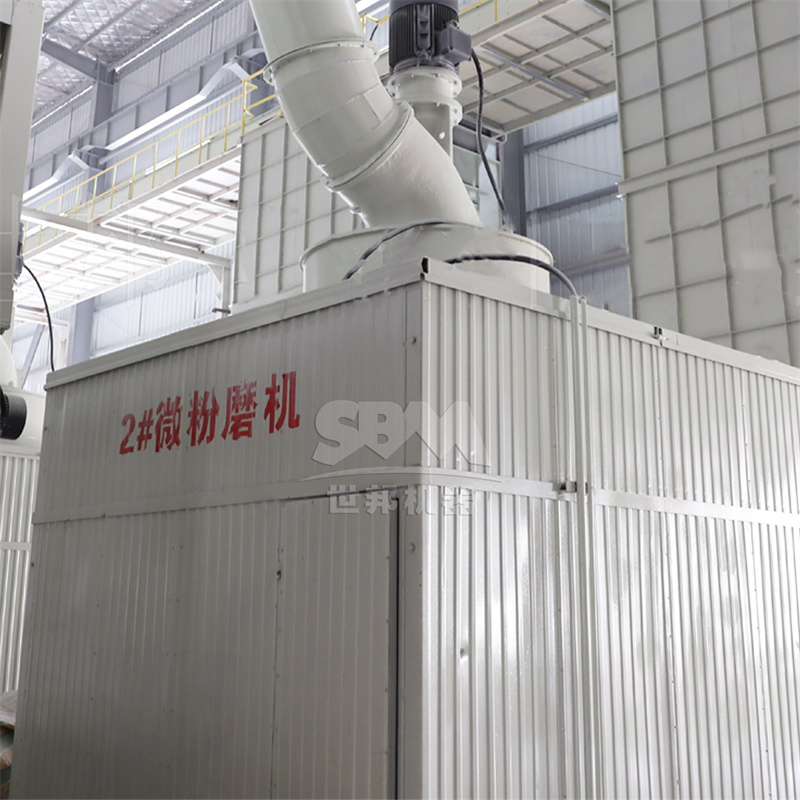
The SCM series is not merely a grinder; it is a complete system designed for intelligent operation. It incorporates automatic finished product granularity feedback, ensuring consistent quality without constant manual oversight. From an economic standpoint, its capacity is double that of traditional jet mills while consuming 30% less energy, a critical factor for high-volume production. Furthermore, the design emphasizes durability, with specially treated rollers and rings that extend operational life several times over, making it a robust solution for continuous industrial use.
Recommended Product: SCM1250 Ultrafine Mill
For medium-to-large-scale fertilizer operations aiming to expand their ultra-fine additive production, we highly recommend the SCM1250 Ultrafine Mill. This model strikes an optimal balance between throughput and finesse.
- Capacity: 2.5 – 14 ton/h
- Main Power: 185 kW
- Feed Size: ≤20 mm
- Output Fineness: 325-2500 mesh
This specific model is engineered to process illite efficiently, converting it into a high-value micro-powder that enhances the nutrient release profile of your fertilizer products. Its pulse dust collection system ensures an eco-friendly operation, meeting stringent international standards.
The High-Capacity Alternative: Vertical Roller Mills
When the production scale requires massive tonnage output, the LM Series Vertical Roller Mill presents a compelling case. Its integrated design, which combines drying, grinding, and classification in a single unit, leads to a 50% reduction in floor space and a 40% reduction in infrastructure costs. For the fertilizer industry, this translates to lower capital expenditure and simpler plant layouts, especially in retrofitting scenarios.
The LM Series operates on a bed-grinding principle, where materials are crushed layer by layer, leading to a 30-40% lower energy consumption compared to ball milling systems. For illite processing specifically, where moisture removal might be necessary, this mill can utilize hot air for simultaneous drying and grinding. It also features non-contact between rollers and the grinding table, which extends wear part life by three times, reducing the cost per ton of finished additive significantly.
Recommended Product: LM150K Vertical Roller Mill
Businesses diversifying into various fertilizer grades, from standard compound fertilizers to specialized blends, will find the LM150K to be an incredibly versatile asset.
- Table Diameter: Φ1500 mm
- Capacity: 13 – 38 ton/h
- Fineness: 170-40 μm
- Feed Size: ≤40 mm
- Power: 280 kW
The LM150K excels in continuous, heavy-duty operation. Its intelligent control system allows for remote monitoring and automated adjustment of process parameters, ensuring that the illite additive maintains the exact chemical and physical properties required for high-efficiency fertilizers.
Comparative Analysis: Selecting the Right System
Choosing between the SCM and LM series depends entirely on your product line strategy. If your market demands high-value, ultra-fine illite powder for premium slow-release fertilizers (where price per ton is less sensitive to energy costs), the SCM Series Ultrafine Mill is the superior choice due to its unmatched classification precision.
Conversely, if your operation focuses on high-volume production of standard illite additives (typically 80-200 mesh) for bulk blending fertilizers, the LM Series Vertical Roller Mill offers the lowest total cost of ownership, driven by its massive throughput capabilities and reduced energy footprint.
Conclusion and Investment Strategy
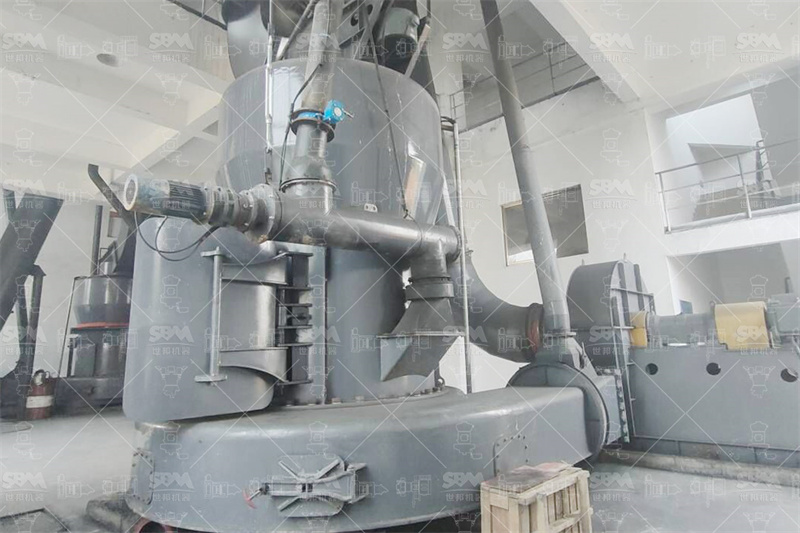
Investing in high-efficiency production equipment is not merely a capital purchase; it is a strategic move toward product differentiation. As the agricultural industry moves toward precision farming, the demand for consistent, high-quality illite additives will continue to rise. By integrating heavy-duty machines like the SCM or LM series, manufacturers can ensure their illite processing lines are future-proof, capable of adapting to stricter quality standards and higher energy costs.
We advise conducting on-site material testing with our engineering team to validate the exact parameters for your illite source. With the right equipment configuration—whether it is the precision of the SCM or the power of the LM—your production line will achieve the high efficiency necessary to lead the market in fertilizer innovation.