
Introduction to Modern Powder Production
The production of fine powders from clinker and limestone is a cornerstone of the building materials, metallurgy, and chemical industries. As market demands shift towards higher fineness, greater production efficiency, and stricter environmental compliance, the selection of appropriate grinding equipment becomes a pivotal decision. The process of converting raw clinker or limestone into a usable powder requires sophisticated machinery that balances energy consumption, particle size distribution, and throughput. Understanding the mechanics and application scope of different mills is essential for plant managers and process engineers aiming to optimize their operations. This guide provides a comprehensive analysis of key equipment categories used in this industry, focusing on their technical advantages and ideal use cases to assist in the decision-making process.
Ball Mills: The Workhorse for Coarse Grinding
For decades, the Ball Mill has served as the industry standard for size reduction. It operates on a simple principle: a rotating cylindrical shell lifts steel grinding media via centrifugal force, which then cascade down to crush and grind the material through impact and attrition. With a typical output fineness ranging from 0.074mm to 0.8mm, ball mills are incredibly versatile. They support both dry and wet grinding modes, making them applicable across cement clinker production, mineral processing, and chemical synthesis. The key advantage lies in their high crushing ratio and ability to handle large throughputs, with capacities reaching up to 450 tons per hour for massive industrial models. However, they are generally less energy-efficient than newer vertical mill technologies and often require a larger floor footprint. They remain a reliable choice for projects prioritizing simplicity and proven technology over maximum energy efficiency.
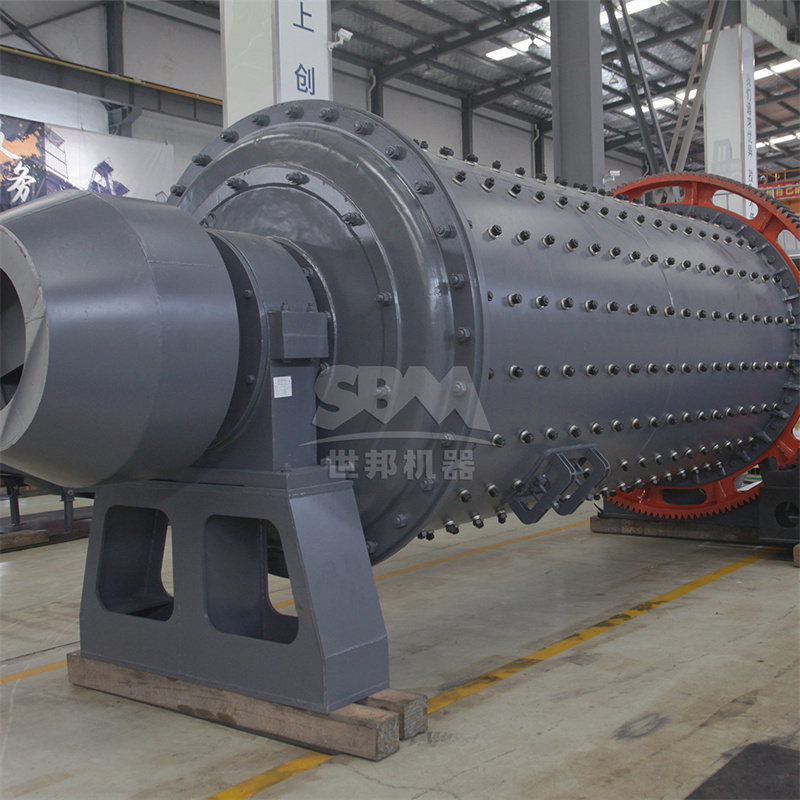
When selecting a ball mill, configuration parameters such as grinding media hardness (typically High Chrome with HRC58-62) and liner types (wave or step) are critical. Large models like the GMQY3685 require high-voltage motors (6-10KV) and offer substantial capacity, suitable for large-scale clinker grinding operations. The primary maintenance cost driver is the wear rate of liners and media, which is offset by the machine’s robust design and long service life. If the target fineness is below 0.1mm, a ball mill might require a secondary grinding stage, making it a less attractive option compared to a single-machine vertical mill.
Hammer Mills: Primary Crushing and Pre-Grinding
Before the main grinding stage, materials often need to be reduced to a manageable size. The Hammer Mill excels in crushing limestone and clinker to a coarse size of 0-3mm. Using high-speed rotating hammers, these machines impact the feed material, forcing it against wear-resistant liners until it is small enough to pass through a bottom screen. They offer a high crushing ratio and a compact structure, making them ideal pre-crushers for vertical roller mills or as standalone units for producing aggregates. With feed sizes up to 40mm, they ensure that downstream equipment receives material of a consistent size, preventing blockages and optimizing the grinding process. For high-capacity primary crushing, models with rotor diameters up to 1150mm can process 40-70 tons per hour, effectively preparing clinker for fine grinding.
MTW Series European Trapezium Mill: Mainstay for Medium Fineness
When the requirement is output fineness between 45 and 600 microns (30-325 mesh) with high capacity, the MTW Series European Trapezium Mill stands out. This equipment represents a significant upgrade over traditional Raymond mills, featuring an anti-wear shovel design and an optimized arc air duct that dramatically reduces airflow energy loss. The integral bevel gear drive is a hallmark of this system, boasting transmission efficiency up to 98%, which directly translates to lower operational costs per ton of product. This mill is engineered for reliability; the wear-resistant volute structure reduces maintenance costs by 30% compared to conventional mills.
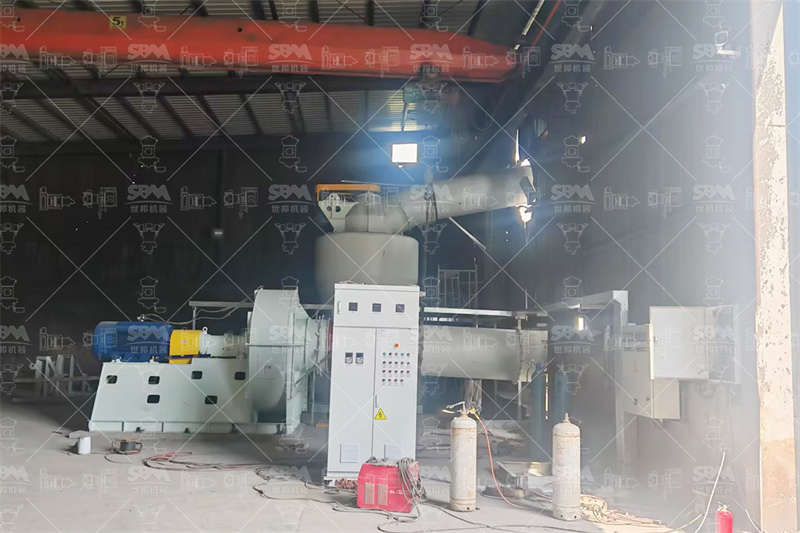
For medium-capacity operations requiring consistent 200-mesh limestone powder, the MTW175G model is a proven performer. With a main power of 160kW, it generates a capacity of 9.5-25 tons per hour. The curved shovel and grinding roller design ensure that materials are effectively thrown between the grinding rings, maximizing the contact area for efficient crushing. However, for operations aiming to produce much finer powders (below 100 mesh), the limitations of a trapezium mill become apparent, often requiring users to look towards ultrafine grinding technologies.
LM Series Vertical Roller Mill: High-Capacity Integrated Solution
For large-scale cement clinker and limestone grinding with a requirement for lower energy consumption, the LM Series Vertical Roller Mill offers a compelling solution. This system integrates crushing, grinding, and selection into a single unit, reducing the floor space required by 50% compared to ball mill systems. The grinding rollers do not directly contact the grinding table, relying on a material layer for crushing. This unique ‘bed grinding’ principle cuts energy consumption by 30-40% compared to ball mill systems. The LM series is available in multiple configurations designed for different materials: the LM-K series for general minerals, the LM-M for pulverized coal, and the LM-N for slag grinding.
Importantly, the LM220K is a robust model suited for minerals like limestone, with a capacity of 36-105 t/h and a fineness range of 170-45 microns. But for cement clinker pre-grinding, the LM-Y series is specifically designed to boost total system output. The modular roller assembly and hydraulic systems allow for rapid maintenance, minimizing downtime. The integrated design also enables outdoor installation, cutting infrastructure costs by 40%. While the initial capital investment might be higher than a trapezium mill, the operational savings in power and wear parts make the LM series a more sustainable long-term asset for high-tonnage operations.
SCM Series Ultrafine Mill: Precision Fineness for High-Value Products
As industries demand higher-quality products with specific surface areas, the need for ultrafine powders (325-2500 mesh or 45-5 microns) becomes critical. This is the domain of the SCM Series Ultrafine Mill. This equipment is not designed simply for crushing; it is engineered for precision classification. The vertical turbine classifier ensures a precise particle size cut, ensuring no coarse powder mixes with the final product. Its efficiency is remarkable: the capacity is double that of jet mills while consuming 30% less energy, making it the most economical choice for micronized production.
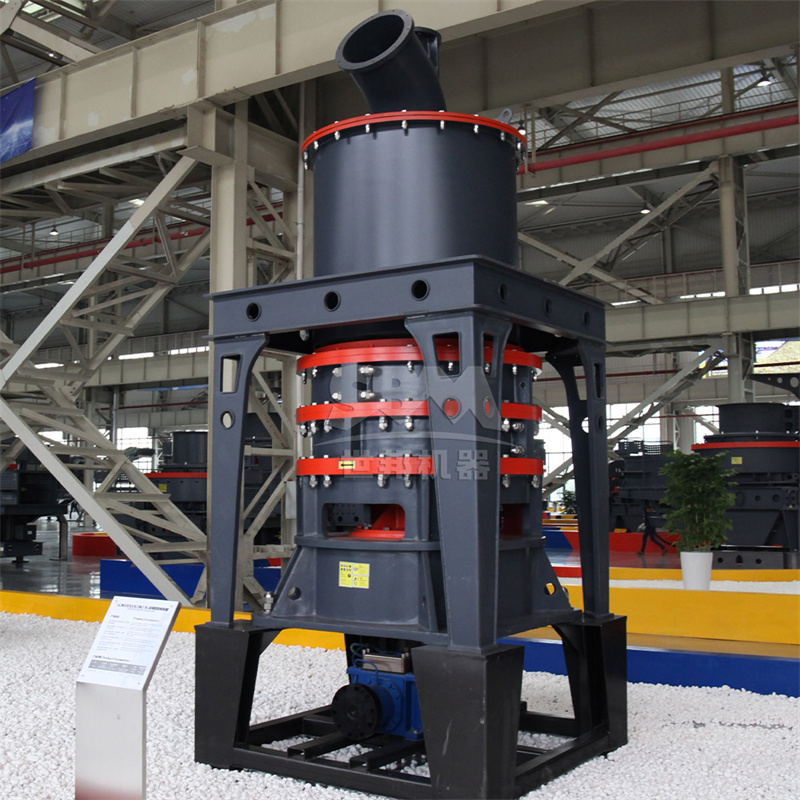
For producers looking to enter the high-value market of ultrafine limestone or clinker powder, the SCM1250 model offers an ideal balance. With a capacity of 2.5-14 tons per hour and a fineness range of 325-2500 mesh, it is the flagship for high-efficiency production. The special material rollers and rings extend service life significantly, while the intelligent control system automatically adjusts the granularity based on real-time feedback. This ensures that the product meets stringent specifications without requiring constant manual oversight, solidifying the SCM series as the go-to machine for premium powder manufacturing.
Selection Strategy and Conclusion
Choosing the right equipment involves mapping your product requirements to machine capabilities. Here is a simplified guide:
- For Coarse Product (0-3mm): Use a Hammer Mill for primary crushing.
- For Standard Fines (30-325 mesh): Choose between the MTW Series for smaller capacities (3-45 t/h) and lower investment, or the LM Series for large scale, high volume production with significant energy savings.
- For Ultrafine Powders (325-2500 mesh): Select the SCM Series Ultrafine Mill to achieve micron-level precision with the lowest energy consumption.
Furthermore, innovations like the MRN Pendulum Mill offer a hybrid approach with thin oil lubrication and high capacity (up to 83 TPH), suitable for medium-fine grinding. The LUM Ultrafine Vertical Roller Mill is another alternative for those requiring 325-2500 mesh output with PLC automation, though the SCM series often proves more cost-effective in terms of specific energy consumption.
In conclusion, there is no single “best” mill. The optimal solution depends on the specific interplay of input size, target fineness, capacity, and energy costs. By evaluating these factors against the operational strengths of each machine type, procurement teams can significantly enhance their production line’s efficiency and profitability, ensuring they remain competitive in the global powder processing market.