
1. Introduction: The Importance of Fly Ash Processing in Modern Construction
Fly ash, a byproduct of coal combustion in power plants, has evolved from an environmental liability into a valuable commodity. When processed correctly, it serves as a key supplementary cementitious material (SCM) in concrete production, enhancing durability, workability, and long-term strength while reducing the carbon footprint of construction projects. The global demand for high-quality processed fly ash continues to rise as governments mandate higher recycling rates and concrete producers seek cost-effective alternatives to Portland cement.
However, the commercial value of fly ash is intrinsically linked to its processing quality. Raw fly ash often contains coarse particles, unburned carbon, and variable moisture content, making it unsuitable for direct use in high-performance concrete. This guide provides a comprehensive overview of fly ash processing equipment, focusing on selection criteria, grinding mill technologies, and cost optimization strategies—essential knowledge for plant managers, project engineers, and procurement specialists in the building materials industry.
2. Understanding Fly Ash Properties and Processing Requirements
Before diving into equipment selection, it is critical to understand the material characteristics that influence processing decisions:
- Particle Size Distribution: Raw fly ash typically ranges from 1 to 100 micrometers. For concrete applications, a fineness of 45 micrometers (325 mesh) or finer is often required to ensure pozzolanic reactivity and particle packing efficiency.
- Loss on Ignition (LOI): High carbon content (LOI > 6%) adversely affects air-entrainment in concrete, necessitating classification or thermal beneficiation.
- Moisture Content: Moisture can cause material handling issues and reduce grinding efficiency. Most mills require feed moisture below 1-2% for optimal performance.
- Abrasiveness: Fly ash, particularly from fluidized bed combustion, can be abrasive. Equipment components must be designed for longevity.
The selection of grinding equipment depends on the target fineness, capacity, energy efficiency, and capital investment constraints. The primary technologies available in the market include vertical roller mills (VRMs), ultrafine mills, ball mills, and pendulum mills, each with distinct advantages.
3. Comparative Analysis of Grinding Mill Technologies
Choosing the right grinding technology is the cornerstone of a profitable fly ash processing plant. Below is a detailed comparison of four major equipment types:
3.1 Vertical Roller Mills (VRMs)
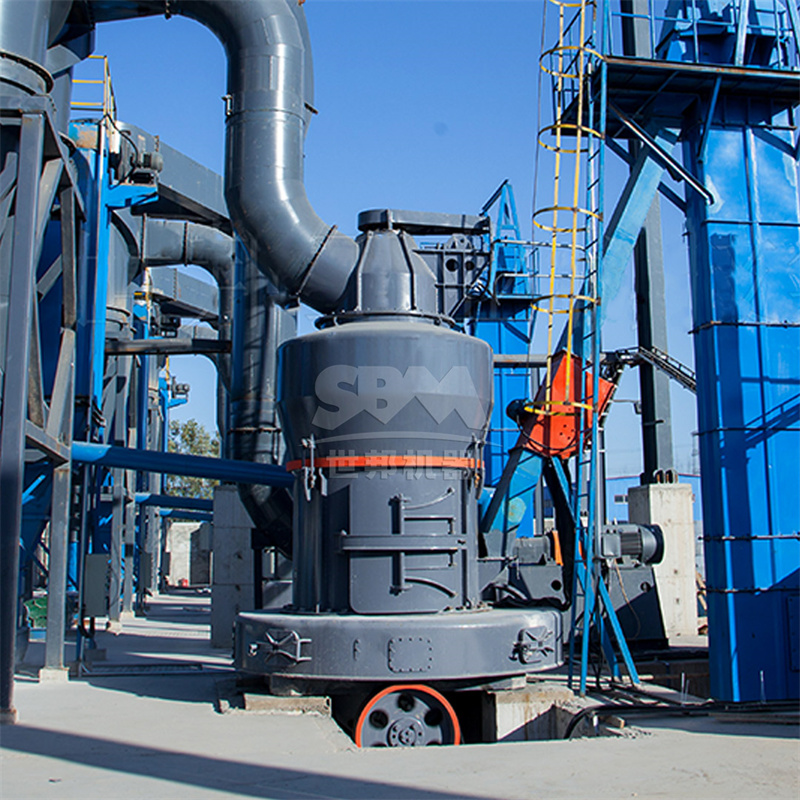
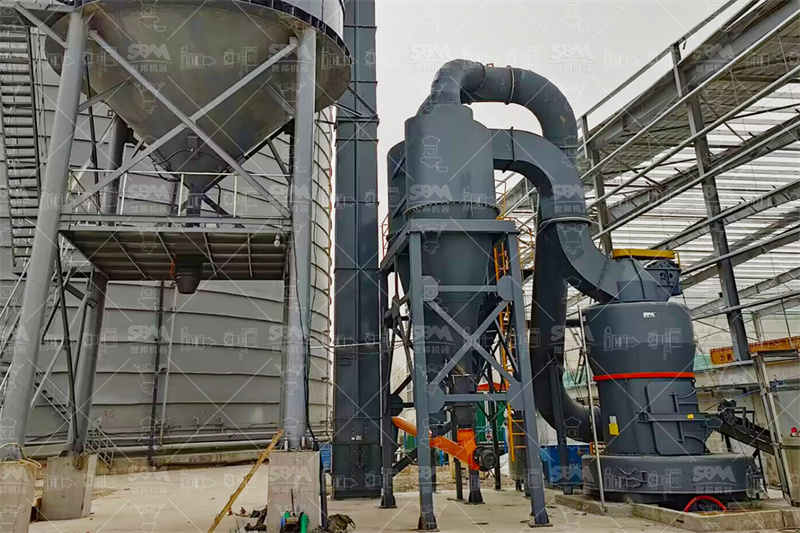
VRMs have become the industry standard for large-scale fly ash grinding operations due to their high efficiency and integrated drying, grinding, and classification capabilities. The material bed grinding principle allows for energy savings of 30-40% compared to traditional ball mills. The sealed negative pressure system ensures dust-free operation, meeting stringent environmental regulations. For applications requiring high throughput (10-45 t/h for fly ash), our LM Series Vertical Roller Mill offers robust performance with table diameters ranging from 1300mm to 3700mm. The non-contact design between the rollers and the grinding table extends wear part lifespan by up to three times, directly reducing maintenance costs.
3.2 Ultrafine Grinding Mills
When the target market demands fly ash with fineness above 325 mesh (e.g., for high-performance concrete or grouting applications), ultrafine mills are the preferred choice. Our SCM Series Ultrafine Mill is designed to produce powder in the 45-5μm range with a capacity of 0.5-25 t/h. Its vertical turbine classifier ensures precise particle size cutting without coarse powder mixing, guaranteeing uniform quality. The energy consumption is 30% lower than that of jet mills, while achieving double the capacity. This makes the SCM series ideal for producers specializing in premium, high-value-added fly ash products.
3.3 Ball Mills
While energy-intensive, ball mills remain relevant for projects with low capacity demands (up to 45 t/h) and extreme abrasive conditions. They offer a crushing ratio of up to 300:1 and can handle feed sizes up to 25mm. Compared to VRMs, ball mills are simpler to operate but require significantly higher maintenance due to grinding media wear. Modern ball mills, such as our GMQG series, incorporate high-chrome steel media and optimized liners to reduce downtime by 40%.
3.4 Pendulum Roller Mills
Pendulum mills, like the MRN and MTM series, offer a middle ground between ball mills and VRMs. They are cost-effective for medium-scale operations (3-45 t/h) with fineness requirements between 30-325 mesh. The damped spring systems ensure stable operations, and design innovations in classifiers and isolation cyclones reduce system resistance by up to 20%, lowering specific energy consumption.
4. Selection Criteria: Matching Equipment to Project Needs
A systematic selection process is essential to avoid capital misallocation. Key parameters to consider include:
- Required Capacity (t/h): Match the mill capacity to your sales forecast. Over-sizing leads to idle energy consumption; under-sizing bottlenecks production.
- Target Fineness & Distribution: For concrete additions, a fineness of 325 mesh with a specific surface area of 400-500 m²/kg is common. Use a mill with a high-precision classifier to achieve a steep particle size distribution.
- Feed Characteristics: The input size and moisture of the fly ash must align with the mill’s specifications. For example, if the raw ash contains lumps over 50mm, a pre-crusher is required before a VRM.
- Energy Costs: Calculate the Total Cost of Ownership (TCO) including energy (kWh/t), grinding media, and replacement parts. VRMs typically exhibit the lowest TCO for large plants.
- Environmental Compliance: Ensure the selected system includes adequate dust collection (pulse-jet bags) and noise reduction features to meet local emission limits.
5. Cost Optimization Strategies for Fly Ash Grinding
Optimizing costs goes beyond selecting the cheapest equipment. It involves a holistic view of plant operations:
5.1 Energy Efficiency
Energy constitutes the largest variable cost in fly ash grinding. Implementing an intelligent control system that automatically adjusts mill parameters based on load ensures that power is not wasted. Our LM Series VRM consumes 30-40% less energy than ball mills. Additionally, using a variable frequency drive (VFD) on the classifier and main motor can reduce consumption during off-peak production periods.
5.2 Wear Part Management
Replacing grinding rollers, liners, and shovels can be a major operational cost. Select mills with specialized alloy materials for wear parts. The MTW Series European Trapezium Mill features a combined shovel blade design and curved grinding rollers, which extend service life and reduce maintenance frequency. The shaftless screw grinding chamber in our SCM mill ensures stable operation and minimizes downtime.
5.3 System Integration
An integrated system that combines crushing, grinding, and classification in a single unit saves significant floor space and infrastructure investment (up to 40%). The LM Series Vertical Mill is designed for outdoor installation, eliminating the need for expensive steel-framed buildings.
5.4 Ensuring Product Consistency
Real-time monitoring of finished product granularity is crucial. Automatic feedback loops adjust the classifier speed to compensate for variations in feed hardness or moisture. This reduces the production of off-spec product, which often needs to be re-milled, incurring infinite costs.
6. Recommended Equipment for Your Operation
Based on many successful installations, we offer two benchmark solutions:
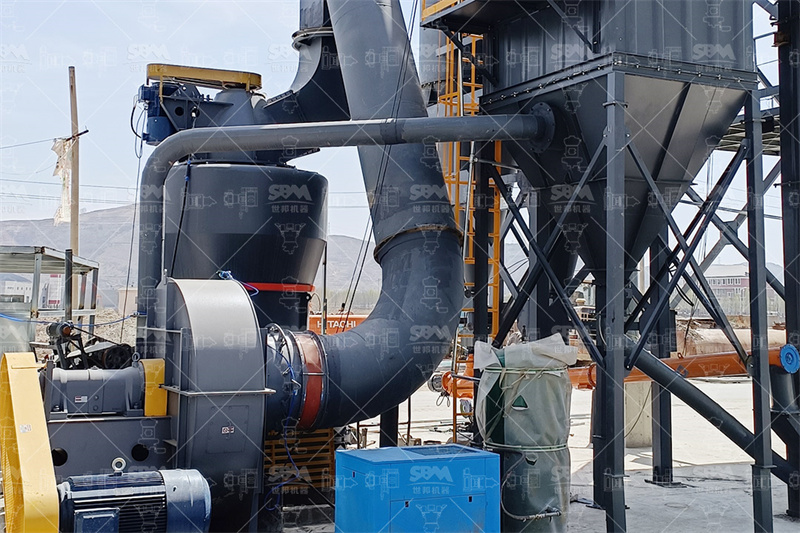
For large-scale producers (Capacity above 10 t/h), the LM Series Vertical Roller Mill (LM130K – LM280K) is recommended. It is the undisputed leader in total cost of ownership, providing high capacity, low wear, and exceptional drying capability for moist fly ash.
For specialized ultrafine fly ash products (Fineness > 800 mesh), the SCM Series Ultrafine Mill is the best-in-class choice. It combines the efficiency of vertical milling with the classification precision of a turbine classifier, ensuring your products meet the most stringent international specifications for high-performance concrete additives.
7. Conclusion
Investing in fly ash processing equipment is a strategic decision that affects your plant’s profitability for decades. The right choice requires balancing technical specifications (capacity and fineness) with economic considerations (energy, maintenance, installation). By leveraging advanced grinding technologies like the LM and SCM series, operators can reduce energy consumption by over 30%, minimize downtime, and achieve the product quality demanded by the modern construction market. Always request a material test and review past case studies to ensure the selected equipment is optimized for your unique fly ash characteristics. Remember, the lowest initial price is rarely the lowest lifetime cost.