
Introduction
Water slag, a byproduct of the iron and steel industry, is increasingly recognized as a valuable raw material for cement production, concrete admixtures, and building materials. To transform this industrial residue into a high-value product, an efficient and reliable grinding plant is essential. Selecting the right water slag processing equipment is the cornerstone of a successful grinding operation, directly influencing product quality, energy efficiency, operational costs, and overall return on investment. This comprehensive guide will walk you through the critical factors to consider, from understanding your material characteristics to evaluating equipment performance, ensuring you make an informed decision.
Understanding Water Slag Properties and Their Impact
Before diving into equipment options, it is crucial to understand the physical and chemical properties of the water slag you will process. Water slag is typically granular, glassy, and highly abrasive. Its moisture content can vary significantly, often ranging from 8% to 20%. These characteristics dictate the type of grinding mill most suitable for your application. High hardness and abrasiveness, combined with the need for a specific fineness (usually 400-600 m²/kg Blaine for cement applications), require equipment that can handle wear and deliver consistent, ultra-fine output.
Key Selection Criteria for Grinding Equipment
Choosing the right system is a multi-faceted decision. Here are the most critical parameters to evaluate:
- Moisture Content: High moisture requires a mill with strong drying capabilities. Vertical roller mills (VRMs) are excellent in this regard, utilizing hot gases from the kiln or a hot air generator for simultaneous grinding and drying. Ball mills require a separate drying system, increasing capex and complexity.
- Abrasiveness: Water slag is highly abrasive. Look for equipment with wear-resistant liners, grinding rollers, and table surfaces. For example, the use of high-chrome steel or composite materials can significantly extend service life.
- Fineness and Particle Size Distribution: The target fineness (e.g., 45μm or 80μm residue) must be achieved with high efficiency. A high-precision classifier is essential to avoid over-grinding and ensure a narrow particle size distribution, which is key for cement strength development.
- Energy Efficiency: Grinding is one of the most energy-intensive processes. Compare the specific energy consumption (kWh/t) of different equipment. Efficient systems can reduce energy use by 30-50% compared to conventional ball mills, offering substantial operational cost savings.
- Operational Costs: This includes maintenance, spare parts consumption, and downtime. Equipment with intelligent control systems and modular designs for quick component replacement will minimize costly interruptions.
Technological Options for Water Slag Grinding
There are primarily three technologies used for water slag grinding: Ball Mills, Vertical Roller Mills (VRMs), and Pendulum Roller Mills. Each has its distinct advantages.
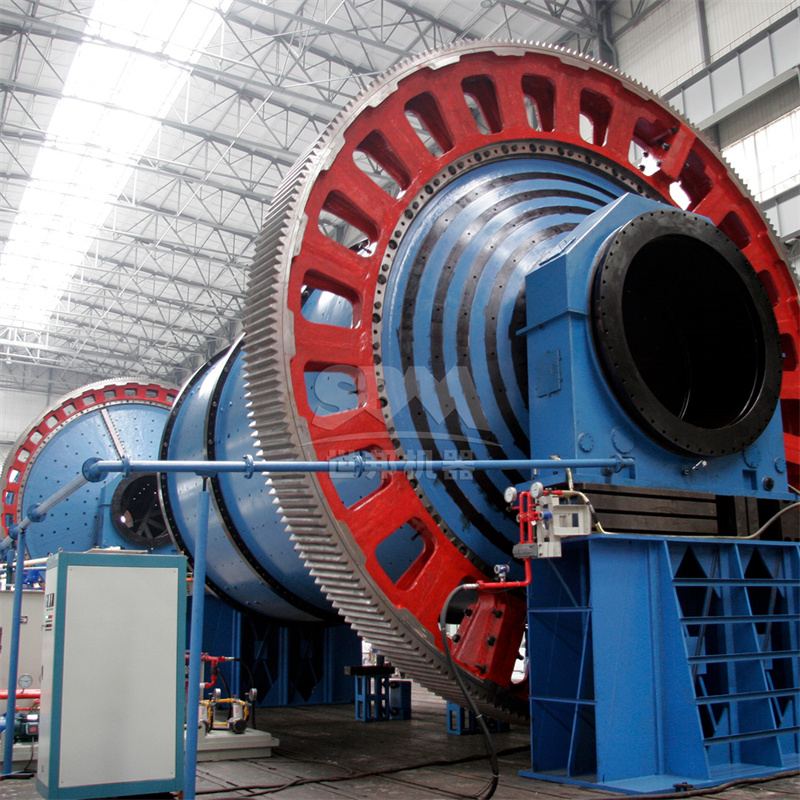
1. Ball Mills:Traditional and robust, ball mills are versatile but are known for high energy consumption. The crushing ratio can be high, and they can handle varying feed sizes. However, they require significant ball charges and are less energy-efficient compared to VRMs. They are less favored for pure water slag grinding due to moisture handling issues and higher operational costs.
2. Vertical Roller Mills (VRMs):Modern and most energy-efficient, VRMs are the industry standard for water slag. They integrate drying, grinding, and classification in one unit. The material bed is ground between a rotating table and stationary rollers, which is more efficient than impact grinding in a mill. Key advantages include:
- High Efficiency: Energy consumption is 30-40% lower than ball mill systems.
- Excellent Drying Capacity: Can handle feed materials with moisture up to 20% by using hot gases.
- Steep Particle Size Distribution: Ideal for cement and concrete applications.
- Small Footprint: Vertical design saves valuable plant space.
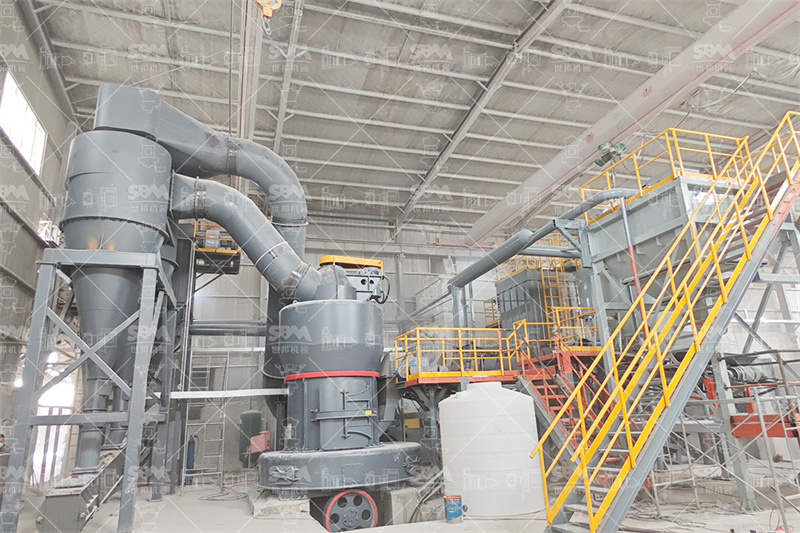
3. Pendulum Roller Mills (MRN):These mills are also effective for grinding non-metallic minerals and slag. They operate on a pendulum principle where rollers pivot against a grinding ring. While not as energy-efficient for large-scale slag grinding as a VRM, they offer high capacity and are robust. To meet the stringent fineness and efficiency requirements of slag processing, advanced models with intelligent control and efficient classifiers are essential.
Case Study: The Role of High-Performance Equipment
Let’s consider a typical requirement: processing water slag with a moisture content of 12% to a fineness of 450 m²/kg Blaine. An outdated ball mill setup would require an external drying drum and a high-power motor, leading to high energy costs and a large plant footprint. In contrast, a modern vertical roller mill is designed to handle this task in a single, efficient operation, utilizing the process heat from the grinding mill itself for drying and achieving a homogeneous product with low energy consumption.
Our Recommended Solution: The SCM Series Ultrafine Mill & LM Series Vertical Roller Mill
At [Your Company Name], we offer a comprehensive range of grinding solutions designed to optimize your water slag processing. For applications requiring high capacity and maximum energy efficiency, we strongly recommend our LM Series Vertical Roller Mill. The LM series is a testament to integrated design, combining crushing, grinding, and selection into one system, which reduces floor space by up to 50% and infrastructure costs by 40%. Its intelligent control system uses expert-level automation for real-time monitoring, ensuring consistent product quality with minimal manual intervention. The unique non-contact design between the rollers and the table extends the life of wear parts by 3 times, dramatically reducing operating costs.
For operations focused on fine and ultra-fine grinding, particularly when targeting market demands for higher Blaine surface areas (e.g., 600-700 m²/kg), our SCM Series Ultrafine Mill is the ideal choice. The SCM series delivers an output fineness of 325-2500 mesh (45-5μm) with a capacity of 0.5-25 t/h.
“The SCM series features a vertical turbine classifier for precise particle size cutting, ensuring no coarse powder mixing. With capacity 2x that of jet mills and 30% lower energy consumption, it’s a smart, eco-friendly investment that maximizes value and minimizes environmental footprint.”
Here is a closer look at the LM series for your water slag application:
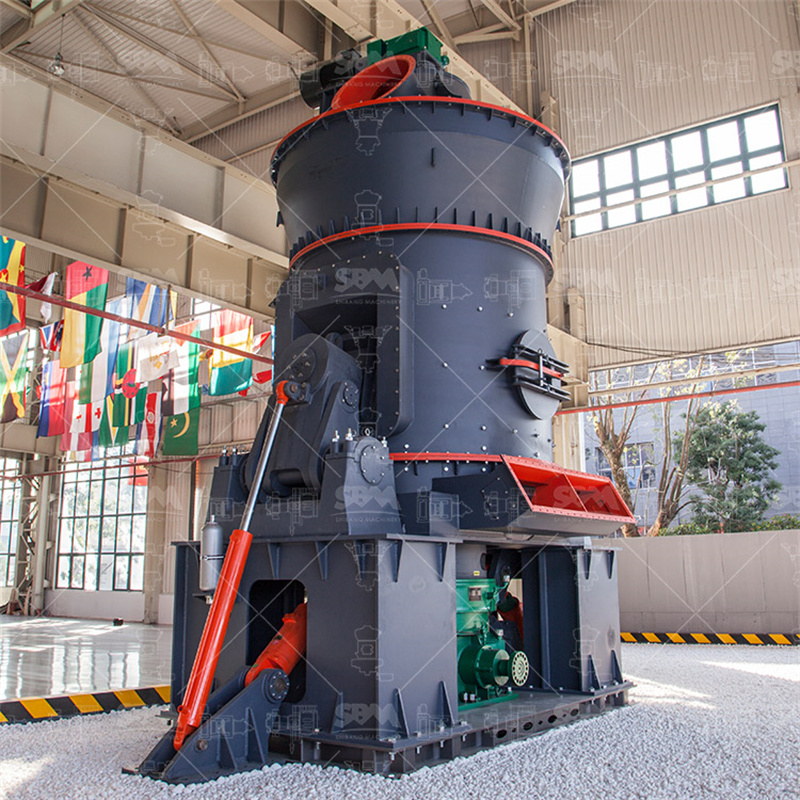
- LM130N to LM370N: Specifically designed for slag grinding, with capacities ranging from 4-110 t/h. They handle moisture content up to 20% and can achieve a specific surface area up to 450 m²/kg, all while consuming 30-40% less energy than traditional ball mills.
- Key Technical Parameters: Main power ranges from 200kW to 3300kW, with feed sizes from 0-50mm. The system is fully sealed and operates under negative pressure, ensuring dust-free operations and noise levels below 85dB.
Economic and Operational Considerations
Beyond the technical specifications, several economic factors should guide your choice:
- Capital Expenditure (CAPEX): While VRMs have higher initial costs than ball mills, the reduced civil works (due to smaller footprint), lower installation costs, and simplified auxiliary equipment can significantly narrow this gap.
- Operational Expenditure (OPEX): Lower energy consumption, reduced wear part replacement frequency, and automated control lead to lower OPEX in the long run. Our LM series reduces maintenance costs by 30% thanks to its wear-resistant volute structure and the MRN model offers a maintenance-free thin oil lubrication system.
- Return on Investment (ROI): A high-efficiency mill can often pay back its initial cost premium in just 1-2 years through energy savings alone. The higher product quality can also command a premium price in the market.
Making the Final Decision
Selecting the right grinding equipment is not just about meeting a capacity number; it’s about ensuring long-term reliability, sustainability, and profitability. Here is a step-by-step approach:
- Conduct a Material Test: Send your water slag sample to a reputable manufacturer for a grinding test. This will provide empirical data on grindability, wear rates, and final product quality.
- Define Long-Term Goals: Consider your 5-10 year business plan. Will you need to increase capacity? What is your target market? This will help determine if a more flexible or specialized machine is needed.
- Evaluate After-Sales Service: Choose a partner that offers robust technical support, spare parts availability, and training for your team. Our company provides comprehensive support from commissioning to ongoing maintenance, guaranteeing your plant runs at peak performance.
- Perform a Total Cost of Ownership (TCO) Analysis: Don’t just compare purchase prices. Calculate the net present value (NPV) of operating costs including energy, maintenance, wear parts, and downtime over a 10-year period. A higher-efficiency machine often has a lower TCO.
Conclusion
Choosing the right water slag processing equipment is a strategic investment that can define the success of your grinding plant. Remember to prioritize energy efficiency, material drying capability, and the ability to achieve a precise particle size distribution. Both the LM Series Vertical Roller Mill and the SCM Series Ultrafine Mill from our lineup represent the pinnacle of modern grinding technology, each offering unique advantages tailored to specific production needs. By focusing on high efficiency and lower operating costs, our equipment ensures you transform water slag from a waste problem into a source of substantial economic value. For a detailed consultation tailored to your specific material and production goals, we invite you to contact our experts.