
Understanding Your Production Requirements
Selecting the appropriate activated carbon powder production equipment is a critical decision that directly impacts your plant’s efficiency, product quality, and profitability. Activated carbon, known for its exceptional adsorption properties, requires precise grinding to achieve optimal surface area and pore structure. The choice of grinding equipment depends on several key parameters, including feed material characteristics, required output fineness, production capacity, and specific application requirements.
Before diving into equipment selection, you must thoroughly assess your raw material specifications. Activated carbon precursors such as coconut shells, coal, wood, and peat each exhibit different hardness, moisture content, and abrasiveness. These characteristics significantly influence the grinding mechanism required and the wear resistance needed in the equipment. Additionally, the intended application of your activated carbon powder—whether for water treatment, air purification, gold recovery, or pharmaceutical use—dictates the required particle size distribution and purity levels.
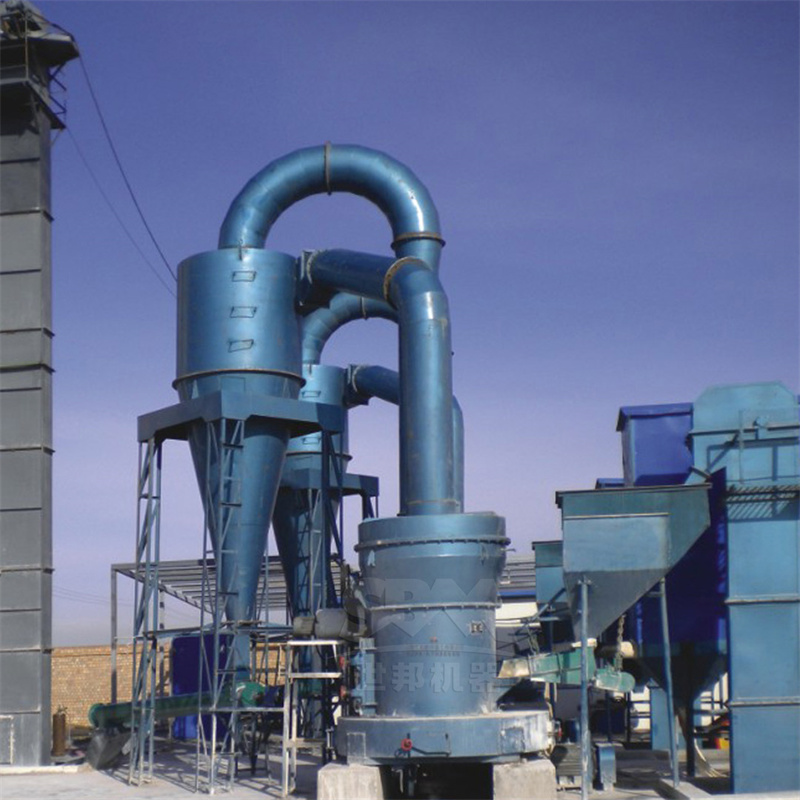
Output Fineness: The Crucial Selection Criterion
One of the most important factors in selecting grinding equipment is the target output fineness. Activated carbon powders typically range from coarse granules (around 600 microns) to ultra-fine powders (as small as 5 microns). For applications like water treatment, a fineness of 45-150 microns is common. However, for high-performance applications such as supercapacitors or medical uses, you may need ultra-fine powders in the 5-45 micron range.
For plants requiring fine to ultra-fine activated carbon powder with fineness between 325 and 2500 mesh (approximately 45 to 5 microns), we strongly recommend our SCM Series Ultrafine Mill. This equipment is specifically engineered for high-efficiency fine grinding. With a capacity range of 0.5 to 25 tons per hour depending on the model, the SCM mill boasts a processing capacity that is twice that of traditional jet mills, while consuming 30% less energy. Its vertical turbine classifier ensures precise particle size cutting without coarse powder mixing, guaranteeing uniform finished products essential for consistent adsorption performance.
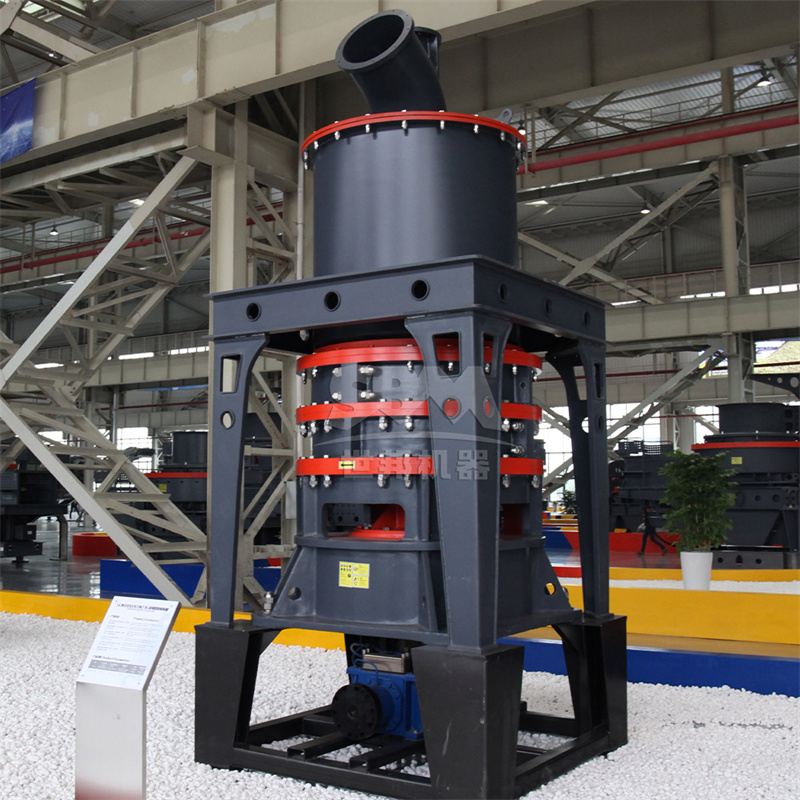
Production Capacity and System Integration
Your plant’s required throughput is another decisive factor. Producing activated carbon powder on an industrial scale demands equipment that can handle continuous operation with minimal downtime. You should carefully evaluate the capacity specifications of potential grinding mills, considering not just the nominal rating but also how the equipment performs under your specific material conditions.
The grinding system’s integration with upstream and downstream processes—such as drying, classification, and dust collection—is equally important. Modern, well-designed equipment incorporates these systems seamlessly. For instance, our MTW Series European Trapezium Mill offers an integral bevel gear drive with up to 98% transmission efficiency, saving valuable floor space and reducing installation costs significantly. Its optimized arc air duct design reduces airflow energy loss, while the anti-wear shovel design ensures lower maintenance costs. The MTW mill handles feed sizes up to 50mm and delivers output fineness from 30-325 mesh, with capacities ranging from 3 to 45 tons per hour depending on the model. This versatility makes it a robust workhorse for medium-to-large scale activated carbon production.
Energy Efficiency and Operating Costs
Energy consumption represents a substantial portion of the total production cost for activated carbon powder. Choosing energy-efficient equipment not only reduces your environmental footprint but also significantly boosts your profit margins. Look for mills that employ advanced grinding principles, such as bed grinding or layer-to-layer grinding, which require less energy than traditional impact or jet milling methods.
Our LM Series Vertical Roller Mill is an excellent example of energy-saving technology. It features an integrated system that combines crushing, grinding, and selection processes, reducing the required floor space by up to 50% and infrastructure costs by 40%. The non-contact design between rollers and table extends wear part life by up to three times, and its energy consumption is 30-40% lower than ball mill systems. This mill series offers capacities from 3 to an astonishing 250 tons per hour, accommodating the most demanding production schedules. With fully sealed negative-pressure operation and noise levels below 85dB, it also ensures environmental compliance and a safe working environment.
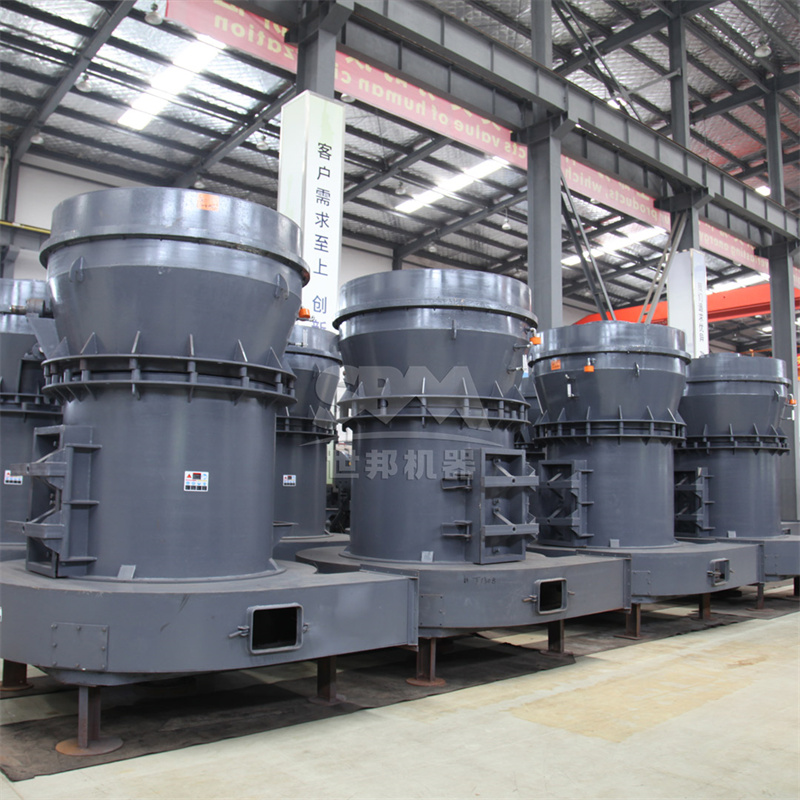
Durability and Maintenance Considerations
In the abrasive environment of activated carbon grinding, equipment durability is not a luxury—it’s a necessity. Frequent downtime for part replacement or repair cripples productivity and inflates operational costs. When evaluating equipment, closely examine the materials used for the grinding rollers, rings, and liners. Special alloys or composite materials can extend service life several times over.
The ball mill remains a reliable choice for larger production volumes. Our Ball Mill series, with capacities from 0.65 up to 450 tons per hour, is constructed for high durability. It features high-chrome or manganese steel grinding media with hardness rated at HRC58-62, and wave or step liners designed to minimize wear. While ball mills consume more energy per ton than vertical roller mills, their proven track record and ability to handle vast throughputs make them suitable for certain large-scale operations.
Intelligent Control and Automation
Modern activated carbon production demands precise control over process parameters to maintain consistent quality. Advanced equipment should offer intelligent control systems that automate the grinding process, monitor key variables in real time, and make adjustments to compensate for variations in feed material or wear.
For example, our MTM Series Medium-speed Trapezium Mill comes equipped with an intelligent spring pressure system that automatically compensates for roller wear, maintaining consistent grinding pressure and extending roller and ring life by 30%. This ensures uniformity in output quality over the equipment’s lifetime. Furthermore, the horizontal pull-rod connection of its innovative roller assembly protects main shaft bearings and allows the equipment to handle larger materials more effectively.
Environmental and Safety Compliance
Activated carbon grinding produces fine dust, which poses both health and safety hazards. Your production equipment must be equipped with effective dust collection and control systems to meet stringent environmental regulations. Look for mills that offer integrated pulse dust collectors capable of achieving emission levels that exceed international standards.
Also, consider the noise levels generated by the machinery. Our SCM Series Ultrafine Mill incorporates a soundproof room design that keeps operational noise to an acceptable level, creating a better working environment for your operators. The fully sealed negative-pressure design of our LM Series Vertical Roller Mill ensures zero dust leakage, protecting your workers and the surrounding community.
Finalizing Your Decision
Ultimately, selecting the right activated carbon powder production equipment is a multi-faceted decision. You must balance initial capital investment against long-term operating costs, and weigh production flexibility against throughput requirements. Partnering with a reputable manufacturer that understands the intricacies of activated carbon grinding is invaluable.
We encourage you to consult with our technical experts to analyze your specific needs and recommend the optimal solution. Whether it is the ultra-fine grinding capability of the SCM Series, the robust versatility of the MTW Series, or the high-capacity integration of the LM Series, we have a proven solution to elevate your activated carbon powder production to new levels of efficiency and quality.