
Introduction
Bentonite is a versatile clay mineral widely used as a thickening, suspending, and rheology-modifying additive in ink manufacturing. Its unique ability to swell and form gel-like structures makes it indispensable for controlling viscosity and preventing pigment settling in inks. However, the performance of bentonite in ink formulations depends heavily on its particle size, surface area, and purity, which are directly influenced by the milling and classification equipment used during production. Selecting the right bentonite additive production equipment is therefore critical to achieving consistent product quality, operational efficiency, and cost-effectiveness. This article provides a comprehensive guide to choosing such equipment, with a focus on the key technical parameters, processing requirements, and available technologies.
Understanding Bentonite Processing Requirements for Inks
In the ink industry, bentonite is typically processed to a fine powder with particle sizes ranging from 45 micrometers (325 mesh) down to 5 micrometers (2500 mesh), depending on the specific application. For example, high-gloss inks require ultra-fine particles below 10 micrometers to ensure smooth film formation and uniform color dispersion. Additionally, the milling process must achieve a narrow particle size distribution to prevent coarse particles from causing print defects such as scratches or uneven gloss. These requirements demand equipment with high-precision classification capabilities and consistent grinding performance. Furthermore, the equipment must handle feed materials with varying moisture levels and hardness, as raw bentonite often contains impurities such as quartz or feldspar, which can cause excessive wear.
Key Selection Criteria
When choosing bentonite production equipment, several factors must be evaluated: output fineness, capacity, energy consumption, wear resistance, and the ability to integrate with upstream and downstream processes. First, the target fineness dictates the mill type and classification system. Second, the required throughput determines the machine size and power configuration. Third, energy efficiency is a major cost driver; modern mills can reduce energy consumption by up to 30% compared to traditional technologies. Fourth, wear-resistant components are essential to minimize downtime and maintenance costs, especially when processing abrasive minerals. Finally, the equipment should support automation and real-time monitoring to ensure stable product quality and reduce manual intervention.
Available Equipment Technologies
The market offers several types of mills suitable for bentonite processing, each with distinct advantages. Ball mills are a traditional option, providing large capacity (up to 450 t/h) and robust operation, but they are less energy-efficient and produce broader particle size distributions. Hammer mills are suitable for coarse crushing (0-3 mm) but are not ideal for fine grinding. For fine and ultra-fine grinding, three technologies stand out: ultrafine mills, vertical roller mills, and trapezium mills.
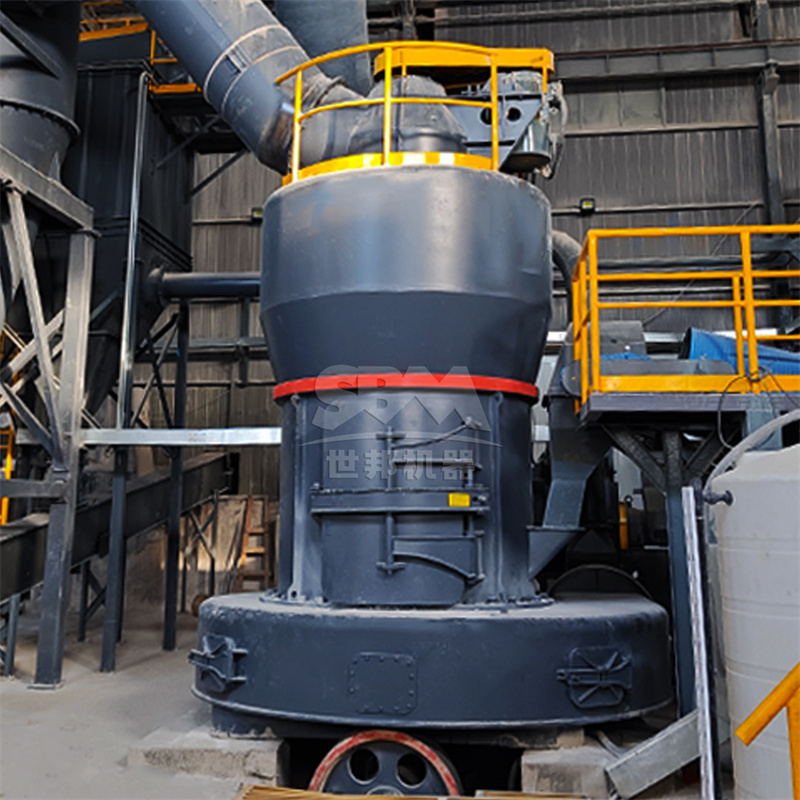
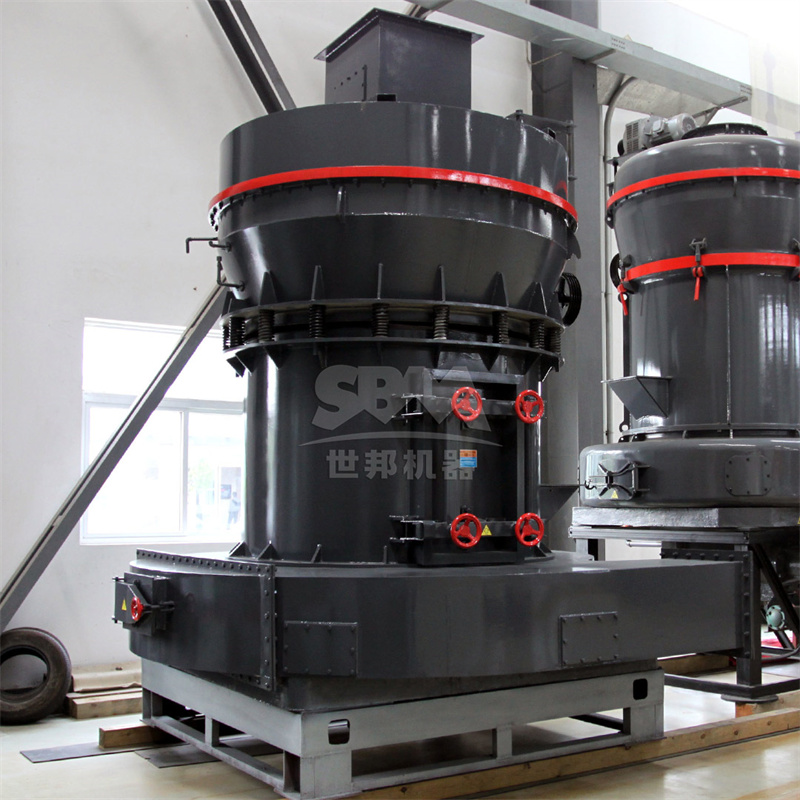
Ultrafine mills, such as the SCM Series, are designed for outputs of 325-2500 mesh and incorporate vertical turbine classifiers for precise particle size control. These mills feature a three-layer grinding ring that disperses material via centrifugal force, achieving capacities up to 25 t/h. Their intelligent control system automatically adjusts parameters based on finished product granularity feedback, ensuring uniform quality. Additionally, the use of special wear-resistant materials extends the service life of rollers and rings by several times, making them a cost-effective choice.
Vertical roller mills, like the LM Series, offer an integrated design that combines crushing, grinding, and classification in one unit, reducing floor space by 50%. Their non-contact roller-to-table design increases wear part life by three times and reduces energy consumption by 30-40% compared to ball mill systems. The LM series is available in multiple configurations for different capacities (3-250 t/h) and fineness levels, including specific models for fine powder (325-600 mesh). The negative pressure operation and soundproof design ensure environmental compliance, which is a growing regulatory requirement.
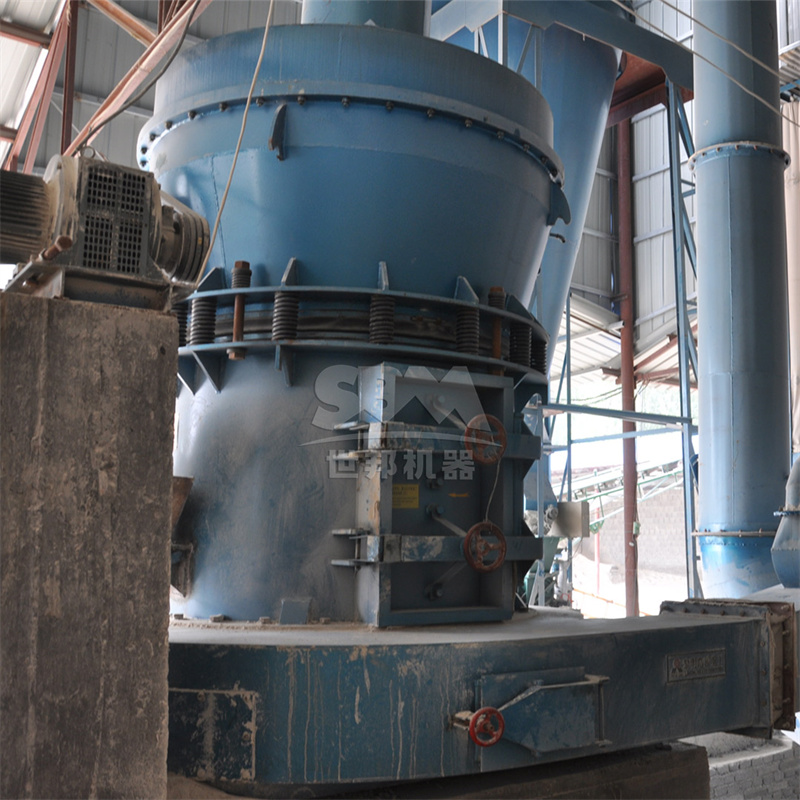
Trapezium mills, such as the MTW Series, provide a balance between capacity and fineness, producing materials in the 30-325 mesh range with capacities up to 45 t/h. Their optimized arc air ducts reduce airflow energy loss, and the integral bevel gear drive achieves transmission efficiency of 98%, saving space and installation costs. The anti-wear shovel design and wear-resistant volute structure further reduce maintenance frequency, lowering operating costs by 30%.
Recommendations for Ink Manufacturing
For ink applications requiring ultra-fine particles (below 20 micrometers), the SCM Series Ultrafine Mill is an ideal choice. Its high-precision classifier ensures no coarse powder contamination, which is critical for print quality. With models ranging from SCM800 to SCM1680, capacities span 0.5 to 25 t/h, allowing scalability from laboratory to industrial production. The energy-saving design, which consumes 30% less power than jet mills, translates into significant long-term savings. Additionally, the pulse dust collection system ensures a clean working environment, meeting stringent industrial hygiene standards.
Alternatively, for manufacturers seeking a versatile solution that handles both medium and fine grinding, the MTW Series European Trapezium Mill combines robustness with efficiency. Its patented internal suction oil lubrication system and internationally advanced pulse dust removal technology make it a reliable and environmentally friendly option. The MTW175G model, for instance, offers a capacity of 9.5-25 t/h with a fineness range of 10-325 mesh, making it suitable for pre-grinding steps before further ultra-fine processing.
Both the SCM and MTW series can be integrated into automated production lines, enabling continuous operation with minimal human oversight. For example, the intelligent control system on the SCM mill monitors grinding pressure, classifier speed, and material flow in real time, adjusting settings to maintain optimal performance. This feature is particularly valuable in ink manufacturing, where batch-to-batch consistency is paramount.
Case Study: Optimizing Bentonite Processing
A hypothetical case study illustrates the selection process. An ink producer requires 2 t/h of bentonite powder with 98% passing 800 mesh (15 micrometers). Using an SCM900 mill, the system can achieve a throughput of 0.8-6.5 t/h with a main power of 90 kW, easily meeting the demand. The vertical turbine classifier ensures that over 98% of particles fall within the target range. The mill’s wear-resistant components, such as manganin rollers, are projected to last over 8,000 hours, reducing replacement costs. Furthermore, the pulse dust collector captures 99.9% of fine particles, preventing environmental contamination and allowing safe recycling of collected material.
Operational and Maintenance Considerations
Beyond initial selection, operational factors influence equipment performance. Regular maintenance schedules, including inspection of grinding rings, classifier blades, and seals, are essential to prevent unexpected downtime. The SCM and MTW designs facilitate easy access to key components, simplifying servicing. For example, the shaftless screw grinding chamber in the SCM series allows quick replacement of worn parts without disassembling the entire mill. Similarly, the MTW’s combined shovel blades reduce maintenance time by 20%. Moreover, training operators to use the intelligent control panels enables proactive adjustments, extending equipment life and optimizing energy use.
Cost-Benefit Analysis
While the initial investment for advanced mills like SCM or MTW may be higher than traditional equipment, the total cost of ownership is often lower. Energy savings of 30% can amount to thousands of dollars annually for continuous operations. Reduced downtime due to durable components adds to the financial benefit. For instance, the SCM1000, with a main power of 132 kW, consumes 40 kW less than an equivalent jet mill, saving about 300,000 kWh per year at 7,500 operational hours, translating to roughly $30,000 in energy costs (at $0.10/kWh). Additionally, the precise classification reduces waste and reprocessing, further improving profitability.
Conclusion
Choosing the right bentonite additive production equipment is a strategic decision that impacts product quality, operational efficiency, and environmental compliance. For ink manufacturing, ultra-fine grinding capabilities, high classification precision, and energy efficiency are paramount. The SCM Series Ultrafine Mill offers exceptional fineness control and low energy consumption, making it the top recommendation for producing high-performance bentonite additives. The MTW Series European Trapezium Mill is a strong alternative for medium-fine applications, providing reliability and cost savings. By evaluating your specific needs against the technical specifications of these mills, you can select equipment that ensures long-term success. Consultation with equipment manufacturers and conducting pilot tests on your own materials are recommended to validate performance. Investing in the right machinery today will enable you to meet the growing demands of the ink industry while maintaining a competitive edge.