
Introduction to Pyrophyllite Powder Processing
Pyrophyllite, a hydrous aluminum silicate mineral, is widely prized across industries such as ceramics, refractories, paper, rubber, plastics, and cosmetics. Its unique properties—high thermal stability, low thermal expansion, excellent dielectric properties, and chemical inertness—make it an indispensable raw material for producing high-quality finished goods. However, unlocking the full commercial value of pyrophyllite hinges on one critical step: powder processing. The size distribution, particle shape, and fineness of the final powder directly influence product performance and market price. Thus, selecting the right milling equipment is not merely a logistical decision; it is a strategic investment that determines operational efficiency, product quality, and long-term profitability.
The selection process becomes even more complex when considering the wide array of grinding technologies available today. From ultra-fine mills capable of producing 2500-mesh powder to large-capacity vertical roller mills designed for bulk processing, the equipment landscape is vast and varied. This guide aims to demystify the selection process by breaking down the key decision factors—raw material characteristics, target fineness, processing capacity, energy consumption, and environmental compliance—and matching them to the optimal machine configurations, including our advanced product lines.
Step 1: Analyze Raw Material Properties and Feed Size
Before evaluating any milling machine, a thorough analysis of the raw pyrophyllite ore is essential. The input size, hardness (typically 1.5-2 on Mohs scale), moisture content, and presence of impurities will dictate the necessary pre-processing (e.g., crushing) and influence the choice of mill type.
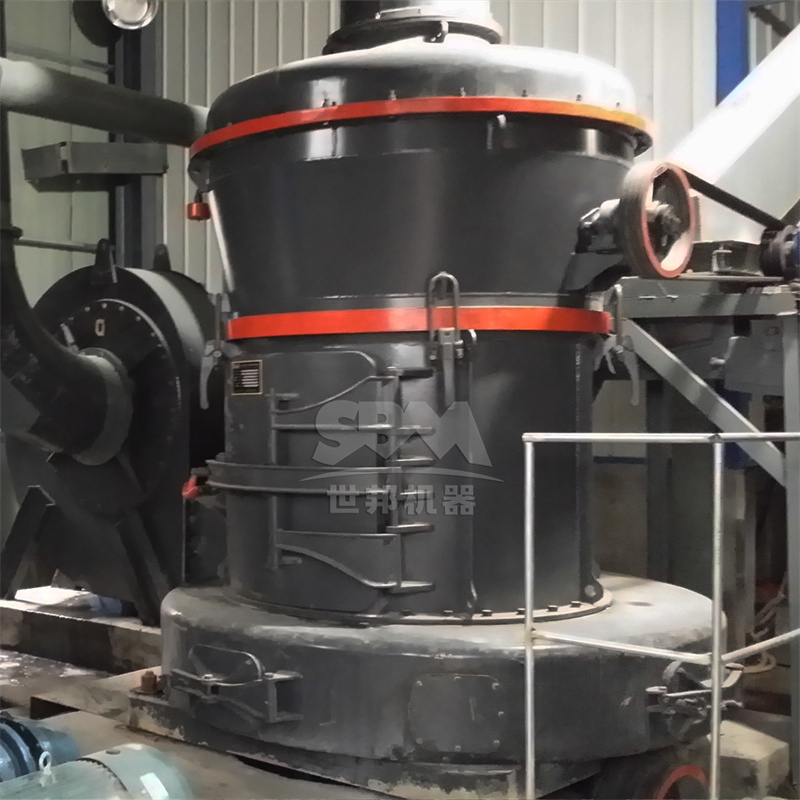
For standard projects where ore is pre-crushed to under 20-35mm, many integrated mills can directly accept the feed. For instance, our MTW Series European Trapezium Mill accepts feed sizes up to 50mm, making it highly versatile for primary processing lines without requiring ultra-fine pre-crushing. Conversely, if you are aiming for extremely fine outputs (down to 5 microns), a mill with a stricter feed requirement (≤20mm) like the SCM series is preferable. Always verify the maximum feed size specification to avoid bottlenecks in your crushing circuit.
Step 2: Define Target Fineness and Classification Precision
The market dictates the fineness. For the ceramics and refractory industry, a fineness of 200-325 mesh (74-45 microns) is often standard. However, for high-end applications like paint extenders, paper coating, or cosmetic fillers, the market demands ultra-fine powders ranging from 800 to 2500 mesh (15 to 5 microns).
- For Medium to Fine Grinding (30-325 mesh): Equipment like the MTW Series or LM Series Vertical Roller Mill is ideal. These machines feature high-efficiency classifiers that guarantee a cut-off point without coarse powder mixing, ensuring uniform particle size distribution essential for slurry viscosity control in ceramics.
- For Ultra-Fine Grinding (325-2500 mesh): You require specialized equipment designed for micronization. Our SCM Series Ultrafine Mill is specifically engineered for this range. Its vertical turbine classifier allows precise particle size cutting, ensuring that 100% of the product passes the specified mesh size. If your business targets high-value niches like cosmetic-grade pyrophyllite, the SCM mill’s ability to maintain extreme fineness consistency is a non-negotiable asset.
Step 3: Determine Capacity Requirements and Energy Efficiency
Your projected annual output should directly correlate with machine capacity. Choosing a mill that is too small leads to operational bottlenecks, while a machine that is too large incurs unnecessary capital expenditure and energy waste. Capacities vary widely: a small pendulum mill might produce 3 tons per hour, while a massive vertical pre-grinding mill can handle over 250 tons per hour.
For mid-sized operations requiring 0.5-25 t/h of ultra-fine powder, the SCM Series offers models that scale comfortably with business growth. It boasts a capacity 2x that of traditional jet mills while consuming 30% less energy. For large-scale industrial applications requiring 3-45 t/h, the MTW European Trapezium Mill is a stellar choice due to its high single-unit capacity and integral bevel gear drive with transmission efficiency up to 98%. In an era of rising energy costs, prioritizing mills with lower specific energy consumption (kWh/ton) will drastically improve your bottom line.
Step 4: Evaluate Equipment Durability and Maintenance Needs
Pyrophyllite, while soft, can contain quartz or other abrasive impurities. Grinding these minerals causes wear on the rollers and grinding rings. High wear leads to frequent maintenance downtime and increased operational costs. Therefore, the material and design of the grinding components are critical.
Look for mills featuring wear-resistant alloys. For instance, our MTW Series incorporates an anti-wear shovel design with combined blades and a curved shape that extends roller life. Additionally, the SCM Series uses special hardened materials for rollers and rings, extending service life several times over standard steel. Consider the lubrication system as well. Mills with thin-oil lubrication (like our MRN pendulum mill series) or internal suction oil systems reduce maintenance frequency dramatically compared to grease-lubricated bearings.
Step 5: Prioritize Environmental Compliance and Operational Safety
Modern industrial regulations mandate strict environmental controls. Pyrophyllite grinding generates fine dust that must be captured to ensure worker safety and prevent atmospheric pollution. The ideal grinding mill should integrate seamlessly with a powerful dust collection system.
Both our SCM and MTW mills are compatible with high-efficiency pulse dust collectors. The SCM Series is designed with a soundproof room option and ensures noise levels are significantly reduced, creating a safer, more comfortable working environment. The LM Series Vertical Roller Mill operates under fully sealed negative pressure, guaranteeing zero dust leakage. When evaluating equipment, always check for compliance with international dust emission standards and noise control measures to secure operating permits and protect personnel.
Step 6: Consider the Total System Integration
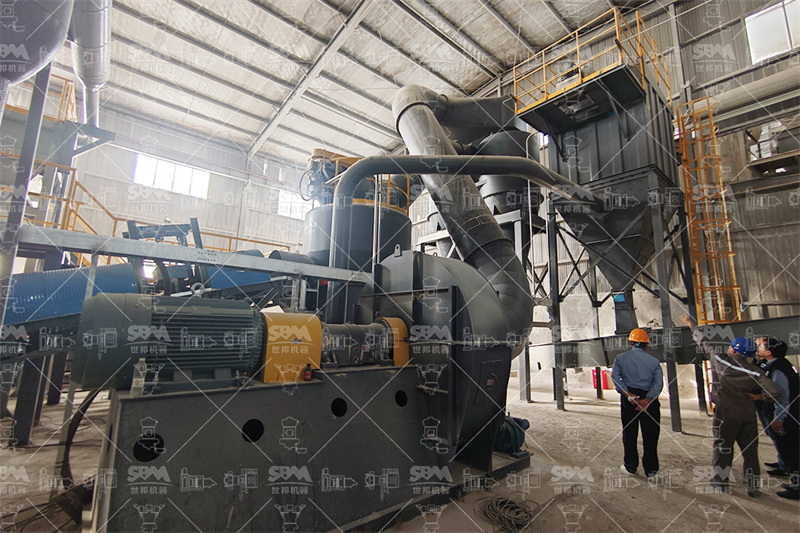
Seldom does a mill operate in isolation. You must consider the entire system: the feeder, the crusher (if needed), the airflow fan, the classifier, and the collection system. Some mills, like the LM Vertical Roller Mill, offer an integrated design that crushes, grinds, dries, and classifies in one unit. This reduces floor space by up to 50% and infrastructure costs by up to 40%, making it a superior solution for large greenfield projects.
For retrofitting existing plants, the compatibility of the new mill with the existing conveying and bagging equipment is vital. The MTW series, for example, with its optimized arc air duct and high-strength guard plates, ensures smooth airflow and reduces resistance, which can optimize the performance of downstream cyclone collectors and fans.
Recommendations: Our Premier Pyrophyllite Processing Solutions
Based on the criteria above, we highly recommend two flagship products from our lineup tailored to different production scales and fineness requirements.
Recommendation 1: SCM Series Ultrafine Mill (for D50 45μm to 5μm)
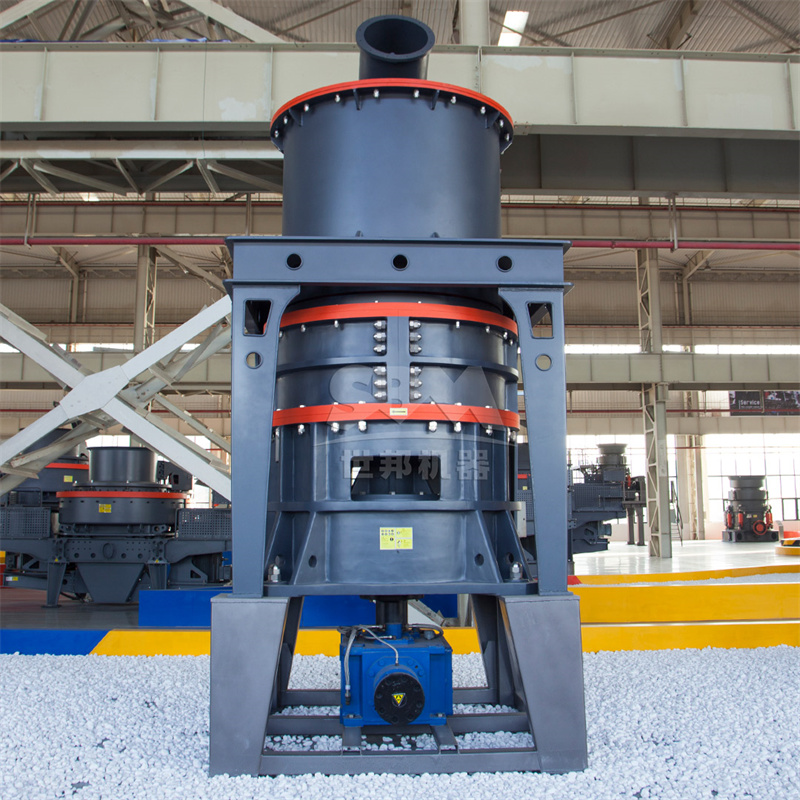
If your target is the high-margin ultra-fine market (e.g., 800-2500 mesh), the SCM series is your best companion. Its key advantage lies in the vertical turbine classifier, which ensures a sharp cut without any coarse powder mixing, guaranteeing premium uniformity. The intelligent control system automatically monitors finished product granularity and adjusts parameters in real-time, ensuring consistent quality without constant manual oversight. With a capacity twice that of jet mills and lower energy consumption, this SCM1250 model offers an output up to 14 t/h, making it a powerful and efficient workhorse.
Recommendation 2: MTW Series European Trapezium Mill (for D50 600μm to 45μm)
For general-purpose applications in ceramics, fireproof boards, and tiles where a capacity of 3-45 tons per hour is required, the MTW series is the industry benchmark. Its patented integral bevel gear drive achieves up to 98% transmission efficiency, leading to substantial savings on electricity—a major factor in grinding economics. The wear-resistant volute structure specifically reduces airflow resistance, improving air selection efficiency by a wide margin and lowering maintenance costs by 30%. The optional MRN158 model within this line offers an excellent balance of power (132kW) and capacity (7-21 t/h), ideal for mid-scale producers.
Conclusion: A Strategic Approach to Purchasing
Choosing the right pyrophyllite grinding equipment is a meticulous process that balances material science with mechanical engineering. It’s not just about the initial purchase price; it’s about the total cost of ownership (TCO) including energy consumption, maintenance, spare parts, and downtime. By rigorously analyzing your feed size, defining your exact fineness requirements (D97 vs. D50), projecting capacity needs, and prioritizing environmental sustainability, you can confidently select a mill that will serve your business for decades.
We invite you to test your specific ore sample in our laboratories. By providing our engineers with your precise target fineness and throughput requirements, we can conduct a full process analysis and recommend the exact model—whether it’s the ultra-fine SCM or the high-capacity MTW—that guarantees a return on your investment. The right choice today paves the way for market leadership tomorrow.