
Introduction
The production of high-quality coking coal powder is a critical process in metallurgy, foundry, and energy industries. It directly impacts the efficiency of blast furnaces, the quality of coke, and the overall cost structure of steel production. As environmental regulations tighten and demand for higher efficiency grows, selecting the right grinding equipment has never been more important. Coking coal requires precise particle size distribution, controlled moisture, and consistent fineness. This article provides a comprehensive guide to the key types of high-efficiency coking coal powder production equipment, a practical selection guide, and actionable cost-saving tips.
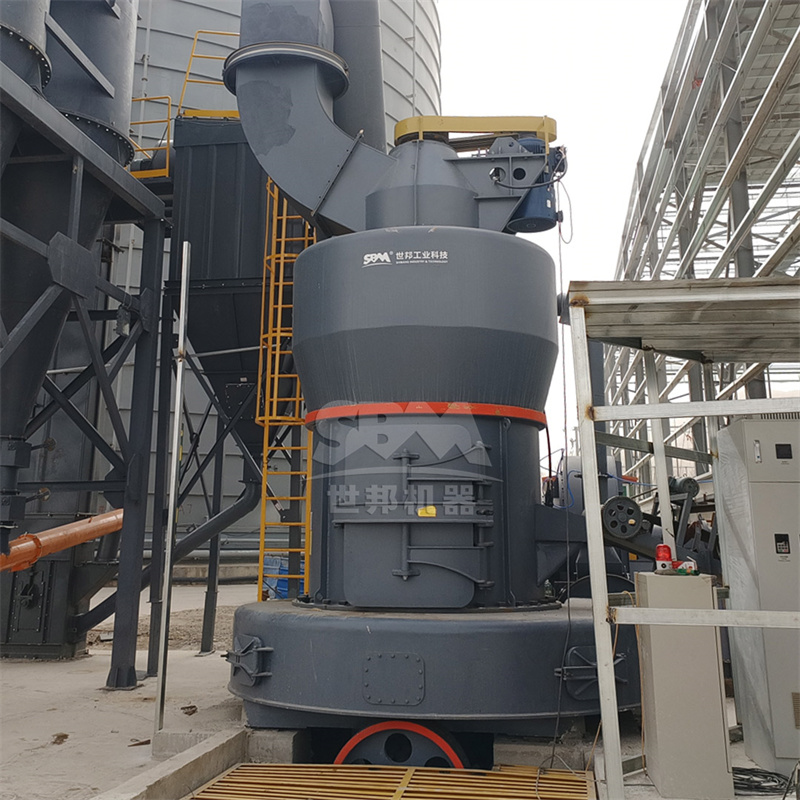
Key Types of Equipment for Coking Coal Powder Production
1. Medium-Speed Trapezium Mills
Medium-speed trapezium mills, such as the MTM series, are versatile machines designed for processing minerals with Mohs hardness below 7. They operate with a spring pressure system that automatically compensates for roller wear, ensuring consistent output. For coking coal, these mills offer robust performance with capacities ranging from 3 to 22 tons per hour. Their innovative roller assembly protects the main shaft bearings, while the dual damping system minimizes vibration and noise. However, their output fineness typically ranges from 45 to 325 mesh, making them more suitable for coarser powder applications or preparation before ultra-fine grinding.
2. Vertical Roller Mills (VRM)
Vertical roller mills are ideally suited for large-capacity operations. They integrate crushing, grinding, and selection in a single system. For coking coal, the LM series vertical coal mill is a standout option, specifically designed for pulverized coal preparation. Featuring capacities from 3 to 90 tons per hour, these mills use a hydraulic system to apply pressure on the grinding table. The non-contact design between rollers and table reduces wear significantly and extends service life. VRMs are known for their low energy consumption—30 to 40% less than traditional ball mill systems—and their ability to handle feed sizes up to 50mm. The expert-level auto-control system provides real-time monitoring and reduces manual intervention, which is essential for maintaining the high quality of coking coal powder.
3. Ultra-Fine Vertical Roller Mills
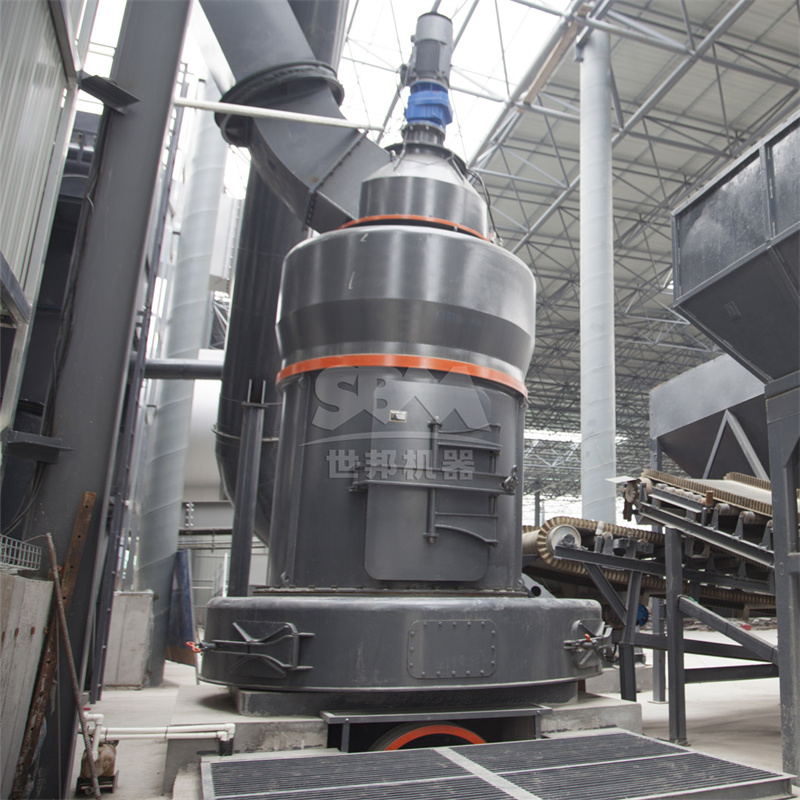
When the demand is for very fine coal powder (60-10 microns, or 2500 to 1250 mesh) for specialized applications like blast furnace injection, the LUM series ultra-fine vertical roller mill is an industry leader. This equipment is designed to produce ultra-fine powders with high precision. It integrates multi-rotor classification technology, ensuring no coarse particles mix into the final product. With PLC automated controls and negative pressure operation, it provides a dust-free environment. The LUM mill performs exceptionally well on materials like coal and petroleum coke, creating high surface area powders that enhance combustion rates. For processing lower hardness materials into very fine powder, the SCM series ultra-fine mill is also a viable option, offering a capacity of 0.5-25 tons per hour and energy consumption 30% lower than jet mills.
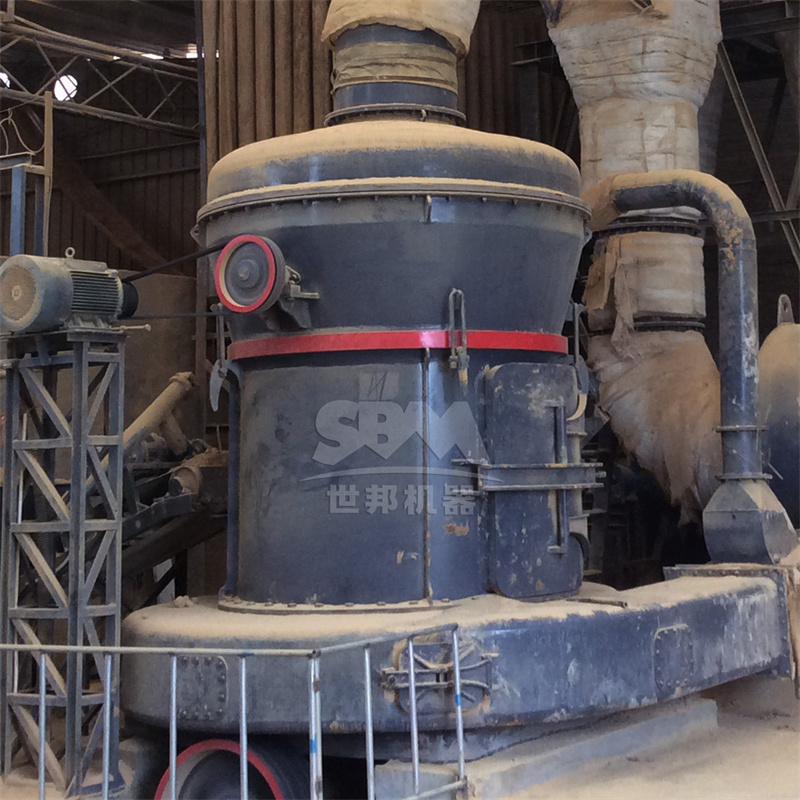
4. Pendulum Mills
Pendulum mills, like the MRN series, are compression grinding machines suited for the medium-fine grinding of brittle materials. They are celebrated for their low investment cost and high throughput compared to other solutions. The MRN158 model, for instance, generates a capacity of 7-21 tons per hour. With a thin oil lubrication system that is maintenance-free and an efficient collector that reduces resistance, these mills are robust and reliable. Their output fineness generally ranges from 30 to 325 mesh. The MRN series is an excellent option for plant managers looking to maximize throughput without the complexity of a massive VRM system.
Selection Guide: How to Choose the Right Equipment
Choosing the optimal equipment requires a clear understanding of several technical parameters. Making the wrong choice can lead to excessive capital expenditure, high operating costs, or a product that fails quality standards. Here is a step-by-step guide to ensure you make the correct selection.
1. Define the Required Fineness
The ‘Fineness’ is the primary determinant. For coking coal, there are three general categories:
- Coarse (30-45 mesh): Used for traditional sintering and various metallurgical blending. The MTW series or MRN pendulum mills are suitable for this output.
- Medium (45-120 mesh): A common range for pulverized coal injection. The LM vertical coal mill or MTM trapezium mill is ideal.
- Ultra-Fine (325-2500 mesh): Required for high-efficiency injection processes that need a high surface area. In this case, the SCM ultrafine mill or LUM ultra-fine vertical mill is mandatory.
If you need to ensure a high percentage of particles under 0.038mm, look for equipment with advanced dynamic classifiers. These ensure that the ‘cut size’ is precise and prevents the mixing of oversized particles.
2. Assess Input Material Specifications
Consider the physical and chemical properties of the raw coal. Key factors include Feed Size, Hardness (Bond Work Index), and Moisture Content. If the feed size is larger than 50mm, pre-crushing may be required. For materials with a high Bond Work Index, stronger machines like the vertical roller mill or ball mill are recommended. The LM series ‘K’ models (for minerals) handle feed sizes up to 50mm, while the MRN series accepts up to 40-50mm inputs. Always ensure the machine’s capability exceeds the maximum input size to avoid clogging and excessive wear on the feeding mechanisms.
3. Evaluate Capacity Requirements
Capacity is determined in tons per hour (t/h). The LM vertical mill series offers the largest capacities, ranging from 3 to 250 t/h in mineral processing, but for coal specifically, models like the LM80M to LM280M cover 3 to 90 t/h. If you are planning a new plant, consider future expansion. A smaller SCM mill might suffice for initial production, but if market demand grows, you’ll need the modular expansion capability that larger VRMs offer. The MRN Series, on the other hand, provides a ‘sweet spot’ for mid-sized operations, with some models rated up to 83 tons per hour.
Cost-Saving Tips for Coal Powder Production
Reducing operational expenditure is just as critical as the initial capital investment. The true cost of ownership includes energy, wear parts, maintenance, and downtime. Here are five strategies to cut long-term costs.
1. Prioritize Energy Efficiency
Energy is the highest operational cost. Comparative data shows that vertical roller mill systems consume 30-40% less energy than ball mills for the same output. Additionally, the SCM series boasts a 30% lower energy consumption than jet mills while delivering double the capacity. By choosing a mill with an efficient grinding bed and airflow design, you directly reduce your plant’s carbon footprint and electricity bills.
2. Invest in Wear-Resistant Components
Wear parts like rollers, rings, and shovels are the most frequently replaced items. Selecting equipment with ‘special material’ rollers and rings can extend service life several times over. The MTW series features a curved shovel design that extends Grinding Roller life. Similarly, the vertical roller mills use modular rollers with specialized hard-facing materials that can be rebuilt several times before replacement. While the upfront cost of these parts is higher, the cost per ton of finished coal powder is significantly lower.
3. Optimize the Classification System
Over-grinding is a silent cost killer. If the classifier is inefficient, the mill may re-grind fine particles, wasting energy and reducing capacity. The vertical turbine classifier found in modern equipment allows for precise particle size cutting, ensuring no coarse powder mixes through and preventing over-grinding of the fine fraction. This improves the uniformity of the product and reduces power consumption.
4. Consider Footprint and Installation Costs
Floor space and civil engineering costs are often underrated. Integrated systems like the LM vertical roller mill combine crushing, drying, and grinding in one unit. This reduces floor space by 50% and allows for outdoor installation, reducing infrastructure costs by up to 40%. Compared to a complex system involving a bucket elevator, ball mill, and external classifier, a standalone grinding unit drastically reduces the cost of construction and installation.
5. Reduce Maintenance Downtime
Automation and condition monitoring are vital. Advanced systems like the intelligent control on the LM or SCM series provide real-time feedback on the fineness and adjust parameters automatically. This ‘auto-control’ reduces the need for manual supervision and prevents off-spec production. Furthermore, maintenance downtime is reduced by 40% with reliable technical designs. The LUM series, with its PLC automation and high-pressure hydraulic system, enables quick roller replacement, reducing downtime from days to hours.
6. Choose the Right Product: Recommendation
Based on our extensive portfolio, we highly recommend the LUM Ultrafine Vertical Roller Mill and the LM Series Vertical Coal Mill for coking coal applications. For high-capacity, medium-fineness production, the LM150M or LM220M offer the perfect balance of energy efficiency and throughput, ensuring a constant supply of 5-20% R0.08mm residue coal powder. However, if your process demands ultra-fine powder for specific injection techniques, the LUM1632 is the ideal choice. It features a multi-rotor classifier that precisely controls the output between 5 and 30 microns, offers 2-13.5 t/h capacity, and is designed to reduce energy consumption drastically while maintaining the highest quality standards. Both models feature negative-pressure sealing to ensure dust does not escape, and their low operating noise makes them ideal for urban industrial settings.
Conclusion
Selecting high-efficiency equipment for coking coal powder production is a strategic investment. By carefully considering the fineness, feed size, and throughput, you can select between a vertical roller mill, a trapezium mill, or a pendulum mill. Our recommended models—the LUM1632 for ultra-fine and the LM vertical coal mill series for standard pulverization—offer high productivity, low energy consumption, superior classification precision, and significant long-term cost savings. Choosing advanced technology is not merely a cost item but a strategic move towards sustainable and profitable steel production.