
Introduction to 120 Mesh Limestone Powder Production
Limestone, a fundamental industrial mineral, is processed into powders of varying fineness to serve diverse sectors including construction, agriculture, power generation, and chemical manufacturing. Among the various specifications, 120 mesh limestone powder (approximately 125 microns) holds particular significance as a versatile raw material for animal feed supplements, asphalt fillers, and soil stabilization agents. Achieving consistent quality and optimal production efficiency at this specification requires a carefully configured equipment line. This guide provides a comprehensive overview of the complete production line for 120 mesh limestone powder, with a primary focus on equipment selection, system configuration, and associated costs.
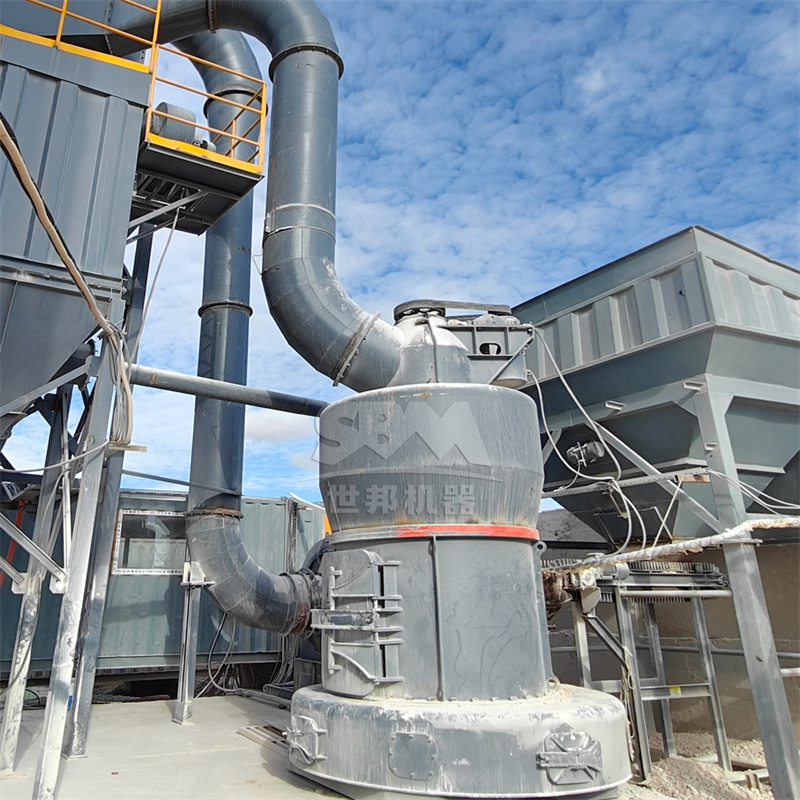
The production of 120 mesh powder typically involves a multi-stage process: primary crushing, secondary crushing or grinding, and classification. While a simple hammer mill might suffice for coarser outputs, producing a high-quality 120 mesh product—with controlled particle size distribution and minimal oversize material—demands a more sophisticated approach. The choice of equipment directly impacts not only capital expenditure (CAPEX) but also long-term operational expenses (OPEX) including energy consumption, wear part replacement, and maintenance labor.
Primary and Secondary Crushing Stage
The journey from run-of-mine limestone (often with lumps up to 500mm) to 120 mesh powder begins with size reduction. A standard configuration includes a jaw crusher for primary crushing, reducing the material to a manageable size of 50-100mm. This is followed by a hammer mill or impact crusher for secondary crushing, further reducing the feed size to below 20-30mm. This pre-processing is critical; feeding oversized material directly into a grinding mill drastically reduces efficiency and risks damaging the equipment.
Core Grinding Equipment Selection: The Heart of the Line
The selection of the main grinding mill is the most critical decision for a 120 mesh limestone powder project. Several technologies are available, each with distinct advantages depending on capacity requirements and specific operational goals.
1. Ball Mill System: For large-scale operations (above 10 t/h), a ball mill is a proven, reliable choice. However, its energy consumption is notoriously high, and achieving a uniform 120 mesh product often requires a separate and efficient air classifier system. While operating costs are moderate, the specific power consumption can be 30-40% higher than more modern technologies.
2. European Trapezium Mill: This technology represents a significant upgrade over traditional Raymond mills. With features like an integral bevel gear drive and an optimized arc air duct, it offers improved efficiency and a higher capacity-to-footprint ratio. For a 120 mesh product, the MTW Series European Trapezium Mill is an excellent choice. Its combined shovel blades and wear-resistant volute structure minimize maintenance interventions, ensuring stable and continuous production.
3. Vertical Roller Mill (VRM): For integrated operations seeking to minimize floor space and energy costs, the LM Series Vertical Roller Mill is the industry’s leading solution. It combines drying, grinding, and classification in a single unit. Its bed-grinding principle significantly reduces energy consumption by up to 40-50% compared to ball mills. For 120 mesh limestone, the LM vertical mill guarantees a uniform particle size distribution, making it ideal for high-volume production (up to 100+ t/h).
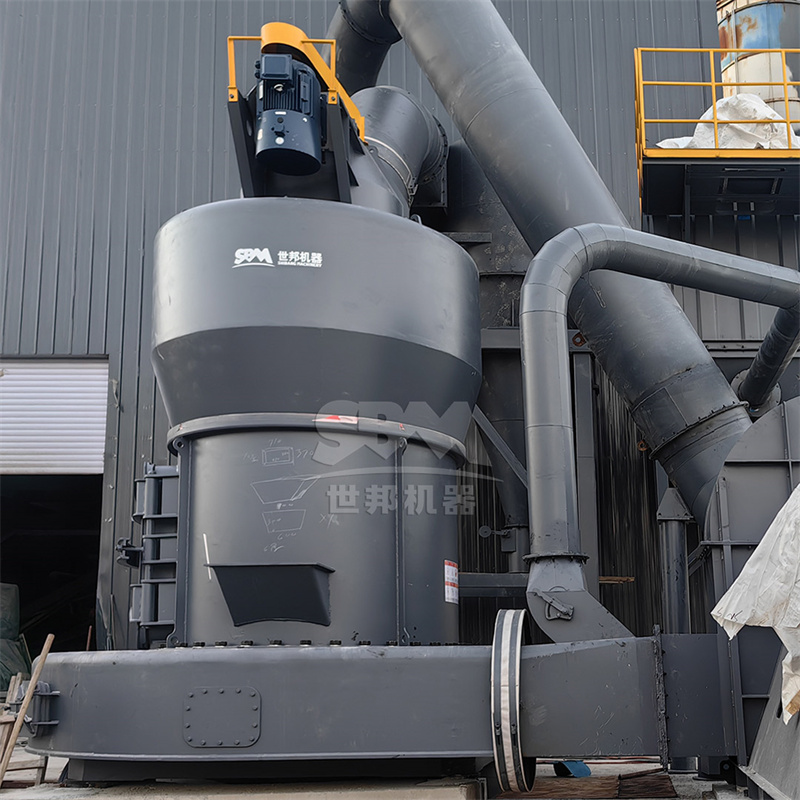
Recommended Solution for 120 Mesh Production: The SCM Ultrafine Mill
While the mills mentioned above can produce 120 mesh powder, the SCM Series Ultrafine Mill offers unique advantages when high precision, high efficiency, and ultra-fine particle consistency are paramount. Although its namesake implies ‘ultrafine’, its operational flexibility allows it to excel in the 120 mesh (125μm) range with unparalleled efficiency. The SCM mill’s vertical turbine classifier ensures precise particle size cutting, meaning no coarse powder is mixed into the final product. This is a critical factor for applications like animal feed, where particle size uniformity is strictly regulated.
For medium to high capacity projects (0.5-25 t/h) requiring superior product quality, the SCM Series delivers a remarkable return on investment.
- Exceptional Efficiency: Its capacity is up to 2 times that of jet mills while consuming 30% less energy.
- Smart & Durable: Intelligent control with automatic fineness feedback and special material rollers that extend service life several times over.
- Environmental Compliance: Pulse dust collection efficiency exceeds international standards, ensuring a clean and safe working environment.
- Model Availability: We offer five SCM models (SCM800 to SCM1680) to perfectly match your required throughput, with capacities ranging from 0.5 to 25 t/h.
For projects prioritizing ultra-high efficiency and the lowest total cost of ownership, we also recommend the LUM Ultrafine Vertical Roller Mill. This mill series provides an unmatched combination of high grinding efficiency and precise classification, utilizing a multi-rotor system to ensure a product with zero coarse particles. Its PLC automation provides stable running and is designed for demanding 24/7 operations, producing 325-2500 mesh powder with ease, and scaled perfectly for the 120 mesh market.
Classification and Collection System
No grinding mill functions alone. After the grinding stage, the material is pneumatically conveyed to a classification system. In an integrated mill like the SCM or LM series, this is done in-built. For external systems, a dedicated air classifier ensures that only particles passing the 120 mesh screen are collected as product. Oversized particles are returned to the mill for further grinding. The final step involves a high-efficiency pulse dust collector and cyclone collector to separate the finished powder from the conveying air.
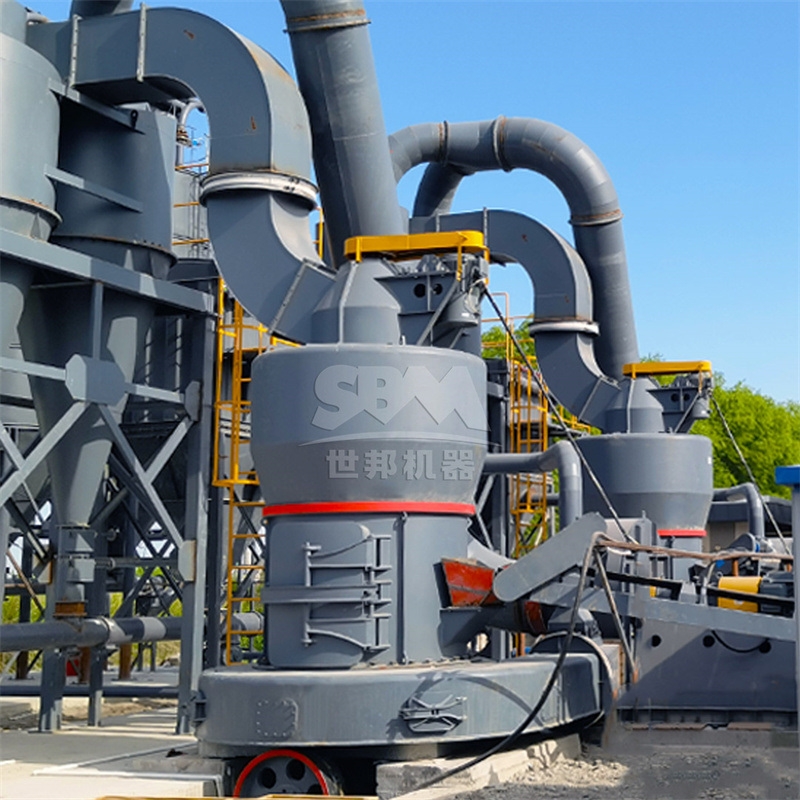
Complete Line Cost Analysis and Factors
Providing a single ‘price’ for such a line is impossible without a detailed site assessment. However, we can break down the cost structure into several main components:
1. Equipment Procurement Cost (CAPEX): This is the most significant portion of the initial investment and varies dramatically based on technology and capacity. A high-efficiency vertical mill system will carry a higher upfront cost than a basic ball mill, but this is offset by significantly lower civil engineering work. For example, the LM vertical mill’s integrated design reduces required floor space and infrastructure costs by up to 40-50%. A 10 t/h line can range from $300,000 to $1,000,000+ depending on the chosen configuration and automation level.
2. Civil and Installation Works: This includes site preparation, concrete foundations, structural steel, and installation labor. Systems with smaller footprints and outdoor installation capabilities (a key LM mill feature) save substantially on this front.
3. Ancillary Equipment: Costs include feeders (vibrating or belt type), bucket elevators or screw conveyors, air blowers, dust collectors, and the complete electrical control panel with transformers.
4. Operational Costs (OPEX): This is where the superior technology shines.
- Energy: The biggest ongoing cost. Our SCM series uses 30% less energy than jet mills, and LM series uses 30-50% less than ball mills. This can save thousands of dollars annually.
- Wear Parts: Grinding rollers, rings, and liners need periodic replacement. The special material used in SCM rollers and the non-contact design in LM mills significantly extend the replacement cycle, reducing downtime and procurement costs.
- Maintenance Labor: Features like the anti-wear shovel design and hydraulic roller change systems (LM-Y) drastically cut labor hours required for upkeep.
Conclusion and Final Recommendations
Choosing the right equipment for your 120 mesh limestone powder project is a strategic decision that balances initial investment against long-term operational efficiency. For a project aiming for high capacity, industry 4.0 integration, and the lowest energy consumption, the LM Series Vertical Roller Mill is the unmatchable market leader. However, for specific applications where precise particle size distribution and lower initial capacities are required, the SCM Series Ultrafine Mill offers superior product quality and significant energy savings.
To provide you with an accurate cost assessment and a tailored equipment list, we invite you to contact our engineering team. We will perform a detailed analysis based on your raw material specifics (moisture content, hardness), required annual output, and site constraints. We provide detailed quotations and project layouts that will help you optimize your investment and secure a profitable operation.