
1. Introduction: The Critical Role of Equipment Selection in Limestone Processing
Limestone powder is a fundamental raw material in industries ranging from construction and cement to agriculture, metallurgy, and environmental remediation. The quality of your final product, the efficiency of your operations, and your plant’s overall profitability are all directly tied to the performance and suitability of your grinding equipment. Choosing the wrong equipment can lead to high energy consumption, frequent downtime, inconsistent particle size distribution, and ultimately, a lower return on investment. This guide aims to provide a comprehensive, technical overview of the key factors to consider when selecting limestone powder production equipment, with a focus on the unique capabilities of the Double-Flying product line.
The selection process can be daunting, given the variety of mill types available – from ball mills and Raymond mills to vertical roller mills and ultrafine mills. There is no ‘one-size-fits-all’ solution. The optimal choice depends on a matrix of factors, including your target fineness, required throughput, input material characteristics, and plant infrastructure. We will break down these factors into an actionable checklist.
2. Key Selection Criterion 1: Target Fineness and Particle Size Distribution (PSD)
The primary purpose of any grinding mill is to achieve a specific particle size, often measured in microns (μm) or mesh. The definition of ‘fineness’ is not universal; it varies by application.
- Coarse Powder (30-100 mesh / 600-150 μm): Often used for agricultural soil conditioners, synthetic gypsum, or as a filler in asphalt.
- Medium Powder (100-325 mesh / 150-45 μm): The standard for cement raw meal, desulfurization, and general industrial fillers.
- Ultra-Fine Powder (325-2500 mesh / 45-5 μm): Required for high-value applications like plastics, rubber, paper coating, and high-end paints. The demand for ultra-fine limestone powder is growing, and it requires specialized mills.
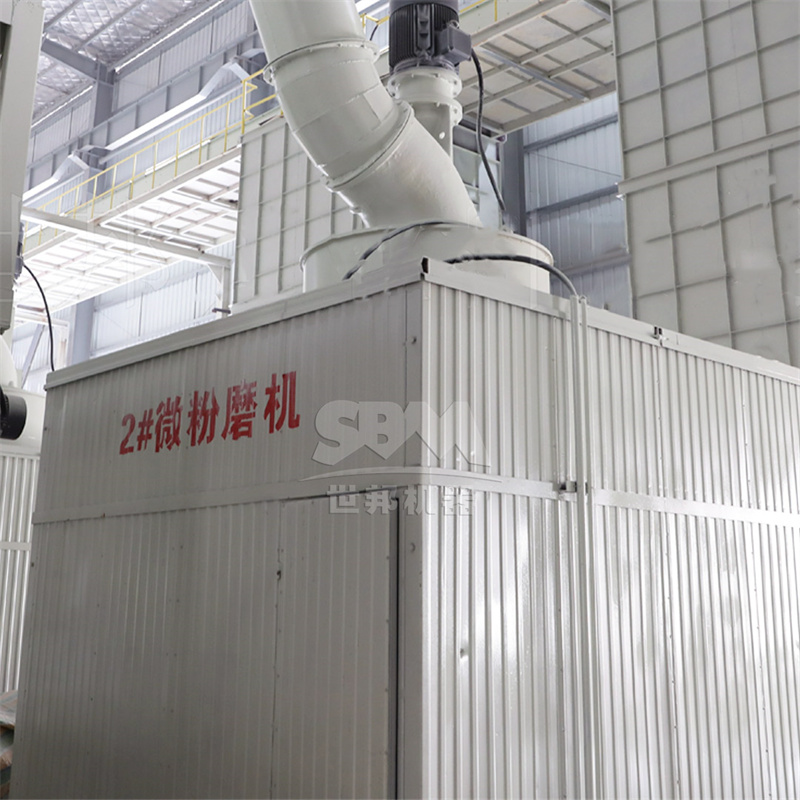
For plants focusing on high-end markets requiring products in the 45-5 μm range, merely using a standard raymond mill will be inefficient and may not produce the necessary uniformity. The vertical turbine classifier in our SCM Series Ultrafine Mill is engineered for high-precision particle size cutting, ensuring no coarse powder mixing and a uniform finished product, which is a critical advantage for premium fillers.
3. Key Selection Criterion 2: Production Capacity and Throughput
Your required capacity, measured in tons per hour (t/h), is a non-negotiable parameter. It dictates the power of the main motor, the size of the grinding chamber, and the overall footprint of the equipment. Underestimating capacity needs can bottleneck your entire downstream process, while overestimating can lead to unnecessary capital expenditure.
4. Key Selection Criterion 3: Input Material Size and Moisture
The feed size of your limestone (e.g., from a primary crusher) determines the type of mill you can use. If your feed material is large (e.g., <50mm) and you require a high-capacity solution for coarser products, a Vertical Roller Mill is an excellent choice due to its ability to handle larger feed sizes. Conversely, for ultra-fine grinding, the feed size must be much smaller (e.g., ≤20mm), requiring a pre-crusher.
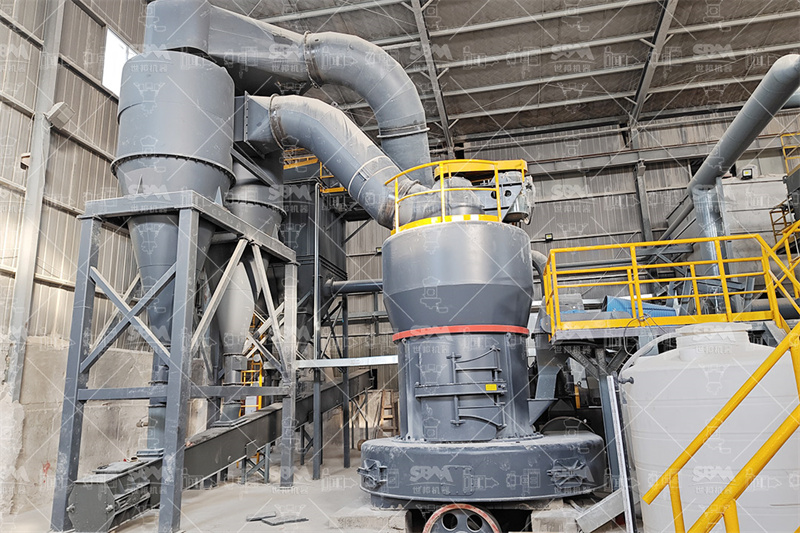
For instance, our MTW Series European Trapezium Mill is designed with an optimized internal structure and anti-wear shovel design, making it highly effective for grinding materials with a feed size up to 50mm, producing a fineness of 30-325 mesh with capacities up to 45 t/h. This makes it a versatile and efficient workhorse for large-scale medium-fine grinding operations.
5. Key Selection Criterion 4: Energy Efficiency and Operating Costs
Energy consumption is often the single largest operational cost in a grinding plant. A mill that is 30% more energy-efficient can provide a massive competitive advantage. Grinding technologies vary significantly in this regard:
- Ball Mills are known for high energy consumption.
- Vertical Roller Mills (VRMs) use a bed grinding principle, consuming 30-40% less energy than ball mills.
- Ultrafine Mills can be more energy-intensive than jet mills, but we have improved the efficiency further.
Double-Flying’s LM Series Vertical Roller Mill is a prime example of energy-efficient design. Its non-contact design between rollers and table extends wear part life by 3 times, significantly reducing maintenance costs. Coupled with an intelligent auto-control system, it minimizes manual intervention and optimizes power usage in real-time, making it a leader in integrated and low-cost operation.
6. Key Selection Criterion 5: Maintenance, Wear, and Reliability
Downtime is the enemy of productivity. The ease of maintenance for wear parts like grinding rollers, rings, and shovels is crucial. Look for designs that feature:
- Long-lasting wear materials (e.g., high-chrome steel).
- Modular or quick-change assemblies to minimize replacement time. Our LM-Y series features a hydraulic system for quick roller change.
- Automated lubrication systems to extend equipment life.
The integral bevel gear drive in the MTW series achieves up to 98% transmission efficiency, ensuring lower operational costs and reduced maintenance. Combined with a wear-resistant volute structure that reduces maintenance costs by 30%, it is built for years of trouble-free service.
7. Selection Guide: Matching the Double-Flying Product to Your Needs
To simplify the decision process, consider the following scenarios:
- Scenario A: Ultra-fine powder (D97=5-45μm) for high-end fillers. Your primary choice should be the SCM Series Ultrafine Mill. Its capacity is two times that of a jet mill at 30% lower energy. It’s the best option for maximizing product value.
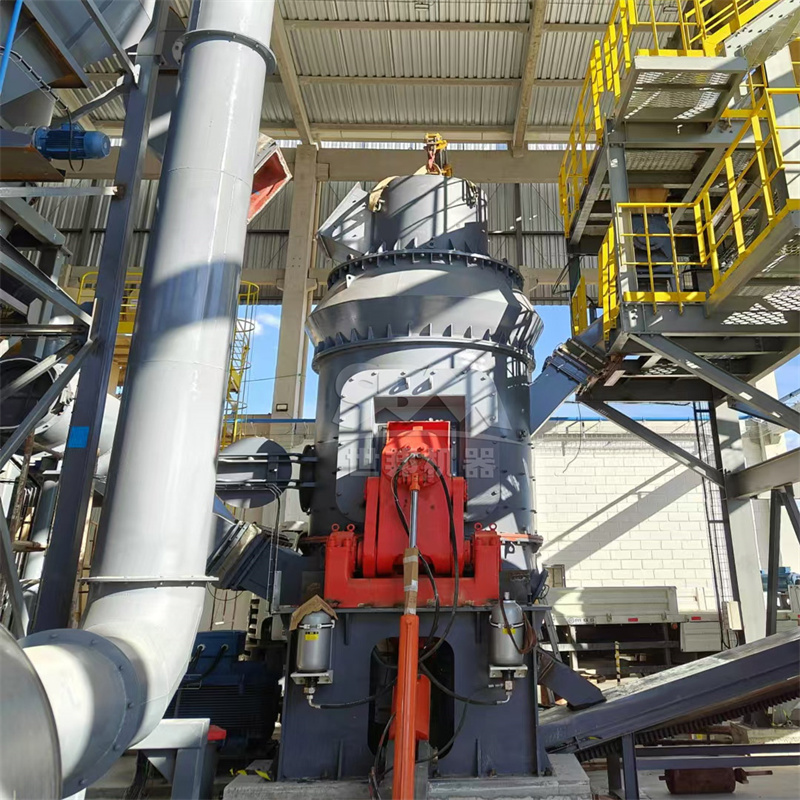
- Scenario B: Large capacity, coarse-to-medium powder (30-325 mesh) with high moisture. The LM Series Vertical Roller Mill is the perfect solution. Its integrated design with hot air drying streamlines the process and reduces plant footprint by 50%.
- Scenario C: High-capacity medium powder, or a reliable secondary grinding stage. The MTW Series European Trapezium Mill offers a robust, high-output solution with low wear rates, ideal for applications like desulfurization and cement raw material.
8. The Importance of After-Sales Support and Pilot Testing
Selecting a brand is not just about the machine; it’s about the partnership. A reputable manufacturer should offer comprehensive after-sales support, including spare parts availability, technical troubleshooting, and on-site installation guidance. A critical step before making a final decision is to have your limestone sample tested in the manufacturer’s facility. This verifies the performance parameters, such as fineness and capacity, under real-world conditions with your specific material. At Double-Flying, we encourage all clients to provide sample materials for testing in our pilot plants to ensure the selected model meets their exact specifications and expectations.
9. Conclusion: The Strategic Advantage of the Right Mill
Choosing the right double-flying limestone powder production equipment is a strategic investment. By meticulously evaluating your needs for fineness, capacity, energy efficiency, and maintenance, you align your machinery with your long-term business goals. Double-Flying’s diverse product portfolio – from the high-efficiency SCM Ultrafine Mill to the robust MTW Trapezium Mill and the integrated LM Vertical Roller Mill – allows you to find the perfect fit for your plant’s specific niche. We highly recommend the SCM Series for it’s market-leading energy efficiency and precise ultra-fine classification, and the MTW Series for its unbeatable throughput and low maintenance in medium-fine grinding applications. Contact us today for a consultation or to arrange material testing for your next plant expansion.