
Introduction to Cement Raw Material Additive Production
The production of cement is a complex industrial process that relies heavily on the efficient processing of raw materials and additives. While the primary components like limestone and clay are essential, the performance, quality, and sustainability of the final cement product are significantly influenced by the precise grinding and classification of additives such as slag, fly ash, pozzolans, and gypsum. These additives require specialized processing equipment to achieve the ultra-fine fineness levels necessary for optimal hydraulic reactivity and strength development. The choice of production equipment is not merely a procurement decision; it is a strategic one that impacts capital expenditure, operational efficiency, energy consumption, and product quality.
For industry professionals, understanding the nuances of different mill technologies is critical. This guide delves into the primary types of cement raw material additive production equipment available in the market, focusing on their operational principles, selection criteria, and cost implications. We will explore the distinct categories of grinding mills, from high-capacity vertical roller mills to energy-efficient ultra-fine mills, providing a comprehensive overview to aid in making informed investment decisions.
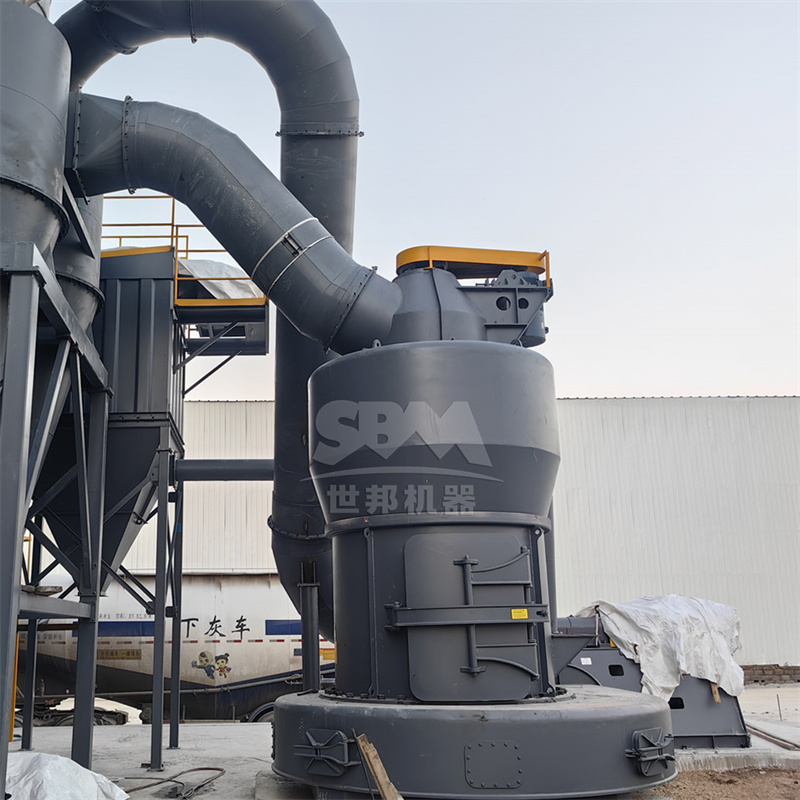
Types of Grinding Equipment for Additives
Based on the required fineness, capacity, and material characteristics, different milling systems are employed. The four main categories that dominate the cement additive sector are Ball Mills, Vertical Roller Mills (VRM), Pendulum Roller Mills, and Ultrafine Grinding Mills. Each technology offers unique advantages that cater to specific production scenarios.
1. Ball Mills
Ball mills are the traditional workhorses of the cement industry. They consist of a rotating cylindrical shell partially filled with grinding media, typically steel balls. As the shell rotates, the balls are lifted and cascade down, crushing and grinding the material through impact and attrition. They are renowned for their reliability and ability to handle a wide variety of materials, including those with higher moisture content.
Performance Characteristics: Ball mills offer a high crushing ratio (up to 300:1) and can produce fineness in the range of 0.074mm to 0.8mm. They are versatile, supporting both dry and wet grinding modes, and can scale to massive capacities, with some models processing up to 450 tons per hour. However, they are notoriously energy-intensive and have a larger footprint compared to newer technologies.
2. Vertical Roller Mills
Vertical Roller Mills have become the industry standard for large-scale cement raw material grinding due to their high efficiency and integration of crushing, grinding, drying, and classifying within a single unit. In a VRM, material is fed onto a rotating grinding table and crushed beneath hydraulic-pressured rollers. Hot process gases transport the ground material to a dynamic classifier above.
Performance Characteristics: VRMs offer significant energy savings, consuming 30-40% less power than ball mill systems for the same output. With an integrated design, they reduce plant footprint by up to 50% and allow for outdoor installation, cutting infrastructure costs by 40%. They are available in massive sizes for slag and cement grinding, with capacities reaching up to 250 tons per hour.
3. Pendulum Roller Mills
The pendulum mill uses a central shaft and suspended rollers that swing outward to press against a grinding ring. This is a mature technology known for its robust construction and lower maintenance requirements. The MRN Pendulum Mill excels in processing non-metallic minerals and industrial additives where moderate fineness is required.
Performance Characteristics: These mills feature advanced thin-oil lubrication systems that are virtually maintenance-free. They are designed with scientific configurations, such as high-efficiency pulse dust collectors and isolated cyclones, to reduce energy consumption. The latest models, such as the MB5X series, offer capacities from 2.7 TPH up to 83 TPH with fineness ranges from 30 to 325 mesh.
4. Ultrafine Grinding Mills
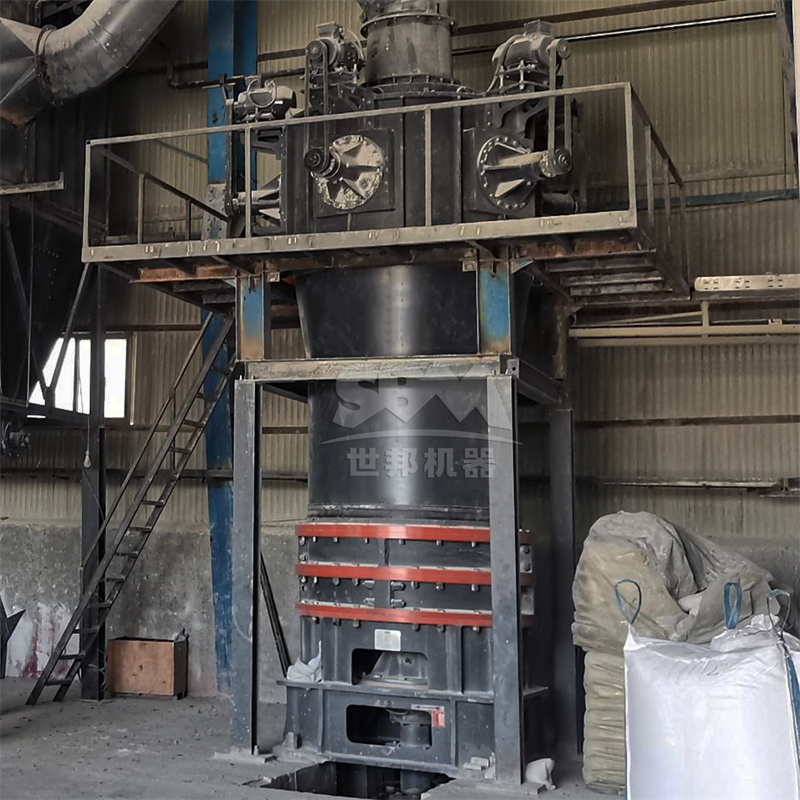
For high-performance additives like slag or fly ash that require high specific surface areas to boost early cement strength, ultrafine mills are essential. These systems are designed to produce particles in the range of 325 to 2500 mesh (45-5 micrometers). This category includes specialized types like the SCM Ultrafine Mill and the LUM Ultrafine Vertical Roller Mill.
Performance Characteristics: Ultrafine mills typically use a multi-stage grinding process with high-precision classifiers built-in to cut particle size strictly, avoiding coarse powder mixing. They often feature intelligent control systems with automatic feedback on product granularity. For instance, the SCM series offers capacities up to 25 tons per hour, with a capacity that is typically 2x that of jet mills while consuming 30% less energy.
Selection Criteria for Additive Production Equipment
Choosing the right mill involves more than just capacity. The physical and chemical properties of the additive, the target fineness, and the overall project investment all play crucial roles.
Material Characteristics
The feed size is a primary determinant. For instance, the SCM Ultrafine Mill requires an input size of ≤20mm, while a Pendulum Mill can accept up to 50mm. If using a VRM for raw mix, the moisture content is a key factor as the system relies on hot air for drying. Furthermore, the abrasiveness of the material dictates the wear life of the grinding parts. For highly abrasive materials, mills with special alloy rollers, such as the MTW European Trapezium Mill, are recommended as they extend service life several times over.
Fineness and Throughput
Your target finishing fineness dictates the technology type. If only 325 mesh (45μm) is required, a standard VRM like the LM series or MTW mill is efficient. However, if producing 800 to 1250 mesh (20-10μm) for premium additives, a dedicated SCM Ultrafine Mill or LUM Ultrafine Vertical Roller Mill is necessary. The required throughput (tons per hour) will then narrow down the specific model within the chosen series. For example, the LM Vertical Pre-grinding Roller Mill in the Y-series offers high circulation capacities for cement clinker, reaching up to 1000 t/h.
Environmental and Energy Costs
Modern regulations push for low emission and low noise equipment. The LM series Vertical Roller Mill from leading manufacturers features a sealed negative pressure operation ensuring zero dust leakage. Additionally, energy costs are a significant factor. When considering the total cost of ownership, the bed grinding principle used in Vertical Roller Mills is superior, reducing power consumption by 30-50% compared to ball mills.
Cost Analysis and Economic Considerations
When evaluating the cost guide, investors must look at the Total Cost of Ownership (TCO). This includes initial procurement, installation, civil works, maintenance, and energy consumption.
Capital Cost: Ball mills often have a lower initial cost per ton of capacity compared to Vertical Roller Mills. However, VRMs and integrated systems reduce auxiliary equipment needs, potentially lowering installation and civil engineering costs. The MTW European Trapezium Mill features an integral bevel gear drive that saves space and reduces installation costs, making it a cost-effective choice for intermediate capacities.
Operational Cost: Energy consumption is the largest operational expense. VRMs are the clear winner here, drastically reducing electricity usage. Maintenance costs are another factor. The SCM series, for example, uses special material rollers and rings that extend service life several times over, reducing the frequency of replacement parts purchase. The MRN Pendulum Mill’s thin-oil lubrication system minimizes downtime for maintenance, enhancing profitability.
Our Recommended Solutions
Based on our extensive experience and product engineering excellence, we recommend two flagship systems to optimize your additive grinding operations. These machines are designed to meet the rigor of the cement industry while maximizing production efficiency and capital returns.
Solution 1: For High-Volume, Coarse-to-Medium Grinding
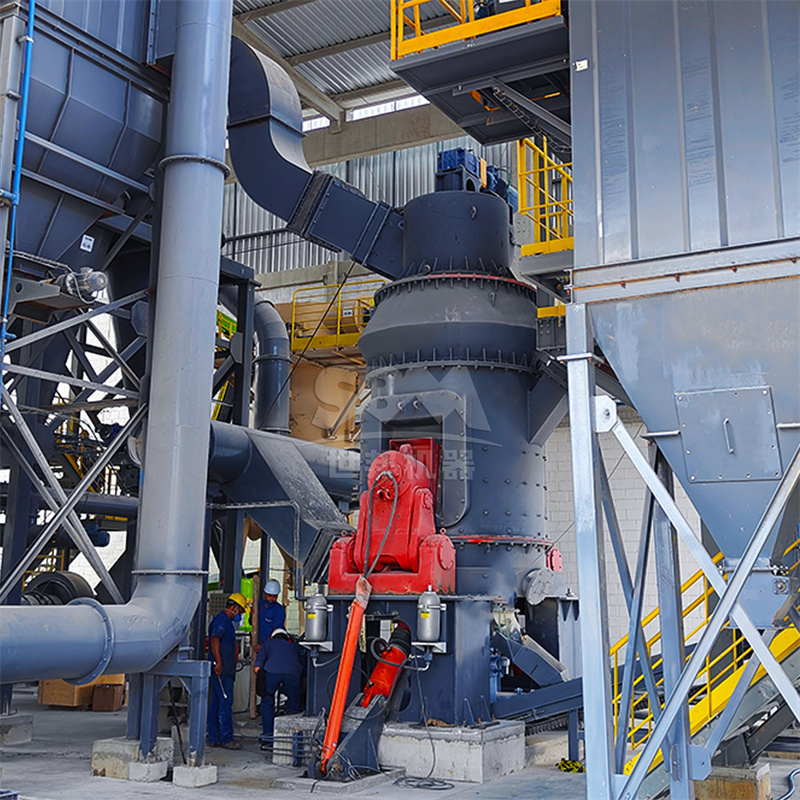
For producers looking to process large volumes of slag or cement clinker at 170-45 μm, we recommend the LM Series Vertical Roller Mill. Its integrated design reduces plant floor space by 50%. The non-contact design between rollers and the table increases wear part life by 3x, ensuring uninterrupted production. With intelligently controlled expert systems, it reduces manual intervention, saving labor costs and human error. Whether you choose the LM170K (18-48t/h) or the powerful LM280K (50-170t/h), this mill provides a 30-40% lower energy cost than traditional systems.
Solution 2: For Ultra-Fine Additive Production
If your goal is to produce high value-added cement additives with a fineness between 325 and 2500 mesh (45-5 microns), we strongly suggest the SCM Series Ultrafine Mill. This equipment offers a distinct competitive advantage due to its high precision classification and high efficiency. Its capacity is double that of jet mills, with a 30% lower energy consumption footprint. Models like the SCM1000 (1.0-8.5t/h) or the SCM1680 (5.0-25t/h) guarantee that no coarse powder mixes with the finished product, ensuring the consistency of your cement’s performance.
Conclusion
In conclusion, the optimal selection of cement raw material additive production equipment is a critical engineering challenge. The industry is trending away from energy-inefficient ball mills towards more dynamic and intelligent systems like Vertical Roller Mills for high-throughput applications and Ultrafine Mills for premium additive quality. By analyzing your specific material parameters, required fineness, and energy budget, you can leverage the technologies discussed above to build a cost-effective and future-proof production line.