
Introduction
Quartz powder, particularly at 400 mesh (approximately 38 microns), is a critical raw material across numerous industries, including glass manufacturing, ceramics, fiberglass, paints, electronics, and construction. The demand for high-purity, uniformly sized quartz powder has never been higher. However, achieving this specification consistently and cost-effectively hinges entirely on selecting the right production equipment.
Choosing a grinding mill is not a one-size-fits-all decision. It requires a thorough analysis of your feed material, targeted capacity, energy costs, and long-term operational goals. This guide provides a comprehensive walkthrough of the selection process, empowering you to make an informed investment for your 400 mesh quartz powder production line.
Step 1: Define Your Project Requirements
Before evaluating any machinery, you must clearly define your baseline parameters. These will serve as the criteria against which all equipment options are measured.
- Feed Size: What is the maximum particle size of your raw quartz? Equipment with a smaller acceptable input size might require a primary crusher before milling, adding costs. Our SCM Series and LUM Series accept up to 20mm, which often aligns well with typical mining output or a preliminary jaw crusher.
- Target Fineness (D97): For 400 mesh, you require a D97 of approximately 38 microns. However, ‘400 mesh’ can have a wide tolerance. A stricter specification might demand a D97 of 35 microns, which requires more grinding energy. Understand your exact customer requirement.
- Throughput Capacity: What is your required hourly or annual output (tons per hour)? This eliminates half the options instantly. For example, if you need 20 tons per hour, many ultrafine mills like the SCM1000 might be too small, but an SCM1680 could potentially fit.
- Moisture Content: Quartz is generally dry, but if your feed material contains moisture above 2-3%, you will need a mill equipped with hot air drying capabilities, such as the LM Vertical Roller Mill.
Step 2: Evaluate Mill Types for 400 Mesh Quartz
Several mill technologies can achieve a 400 mesh output, but they vary significantly in efficiency, capex, and operational costs.
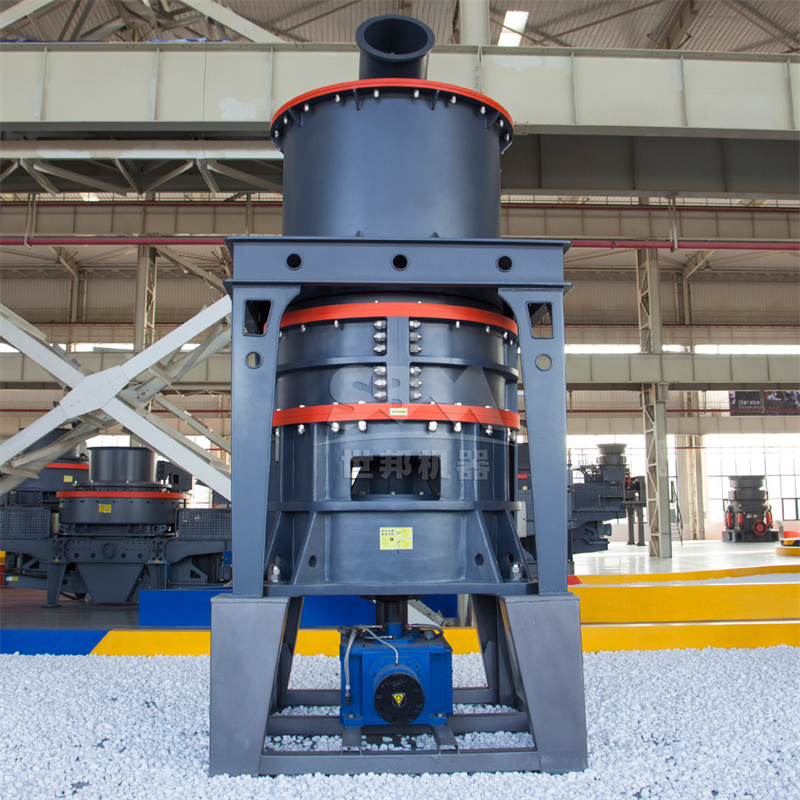
A. Ultrafine Grinding Mills (The Specialist): If achieving sub-100 mesh consistently is your primary goal, an ultrafine mill is the go-to solution. These mills are engineered for high-precision classification and energy efficiency at micron levels. They are ideal for quartz powder aimed at high-end applications like glass fiber and electronics.
B. Ball Mills (+ Classifier System): Ball mills are versatile and widely used. However, producing a fine powder like 400 mesh is energy-intensive. They typically consume 30-40% more energy than a vertical roller mill for the same task. For a finer cut like 400 mesh, a ball mill requires a high-efficiency classifier to return oversized particles, making the system larger and more complex.
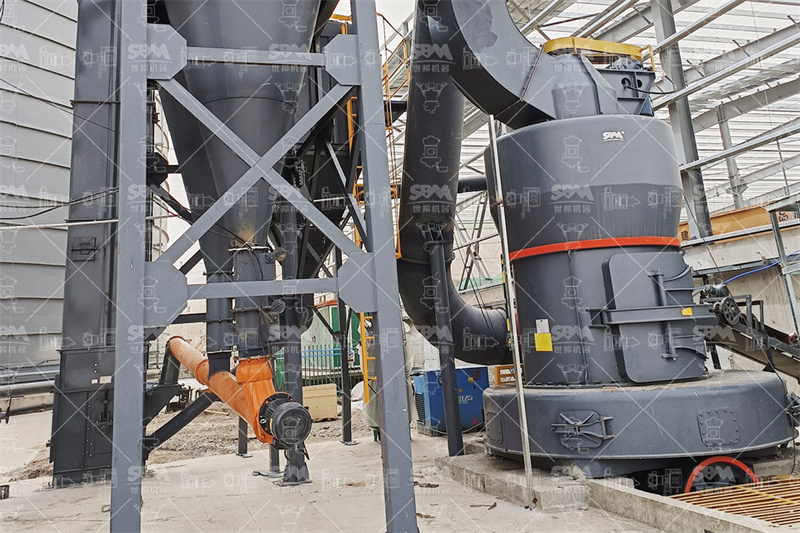
C. Vertical Roller Mills (VRMs): VRMs like our LM Series are excellent for high-capacity requirements. They integrate drying, grinding, and classification in one unit, saving significant footprint. Their bed-of-material grinding principle lowers energy consumption, but achieving a fine cut of 38 microns may be less efficient than an ultrafine mill, and they may struggle to maintain the required narrow particle distribution for some premium applications.
Step 3: Critical Technical Features to Consider
Regardless of the mill type, specific technical features determine its suitability and long-term profitability.
Energy Efficiency
Grinding quartz to 400 mesh is a power-hungry process. Look for mills that offer a low energy consumption per ton. The SCM Series Ultrafine Mill offers a distinct advantage here. Through its unique layer-grinding principle, it yields a capacity that is twice that of jet mills with 30% lower energy consumption. This directly impacts your operational expenditure from day one.
Classification Precision
The sharpness of the cut is crucial. You don’t want a significant percentage of coarse particles (>38 μm) in your final product. A high-precision classifier is mandatory. The SCM Series features a vertical turbine classifier that provides precise particle size cutting. Its self-adjusting intelligent control ensures that coarse powder mixing is avoided, guaranteeing a uniformly graded finished product that will command a premium price on the market.
Wear and Tear
Quartz is a highly abrasive material (Mohs hardness of 7). Grinding components will wear out. The lifespan of the grinding rollers and rings is a key cost factor. For 400 mesh quartz, choosing equipment with specialized wear-resistant materials is non-negotiable. Both our SCM Series and MTW Series use special alloy materials in their grinding parts to extend service life several times over, reducing downtime and replacement parts costs.
Step 4: Process Integration and Automation
Your mill does not operate in a vacuum. It is part of a system that includes feed conveying, dust collection, and product packaging.
- System Integration: Does the mill offer a fully integrated system? The LM Series design integrates crushing, drying, grinding, and classification. This reduces the floor space required by 50% and can reduce infrastructure costs by up to 40%.
- Intelligent Controls: Modern production demands consistent quality and reduced human intervention. The SCM Series is equipped with intelligent control systems with automatic finished product granularity feedback. This allows for real-time adjustments to maintain a consistent 400 mesh output, ensuring stable quality and lowering labor costs.
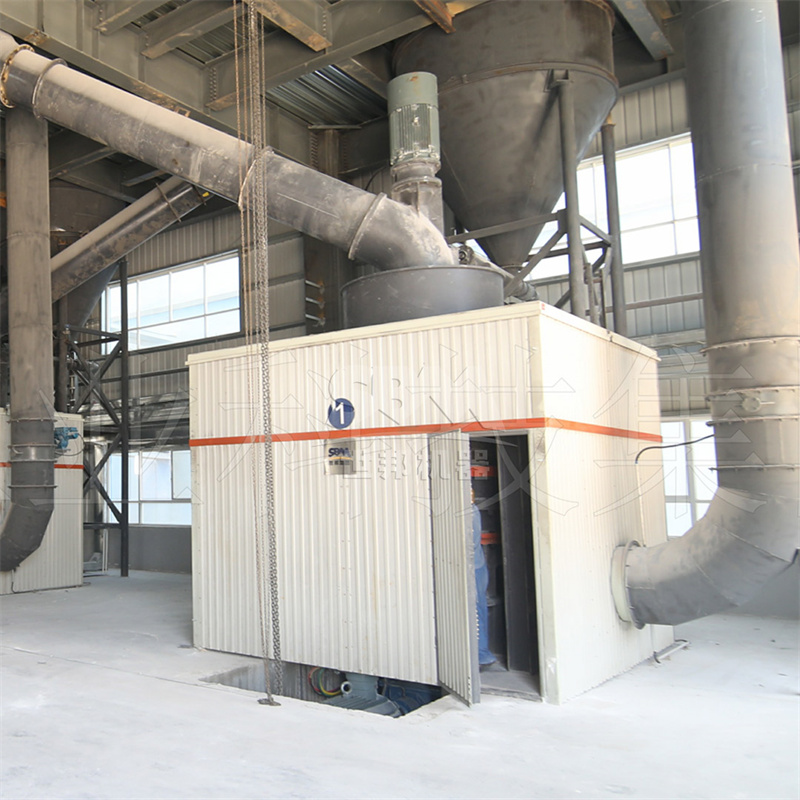
- Environmental Compliance: Dust control and noise reduction are critical. Ensure the mill has a robust pulse dust collection system. The SCM Series’ pulse dust collection efficiency exceeds international standards, and its soundproof room design ensures minimal noise pollution, making it easier to meet environmental regulations and maintain a safe working environment.
Step 5: Beyond the Mill: The Total Cost of Ownership
When comparing quotes, look past the initial purchase price. Analyze the total cost of ownership (TCO), which includes:
- Initial Investment (Capex): The machine price plus foundation, installation, and auxiliary equipment costs.
- Operational Costs (Opex): Energy consumption, wear parts, maintenance, and operator labor.
- Downtime Costs: How quickly can wear parts be changed? A mill like the LM Series features a modular grinding roller assembly with a quick-change system, minimizing downtime and lost production revenue.
- Service and Support: Choose a supplier with robust technical support and a ready supply of spare parts. You are not just buying a machine; you are entering into a long-term partnership.
Product Spotlight: Finding Your Perfect Match
Based on your project scale, we offer state-of-the-art solutions tailored for 400 mesh quartz production.
For Large-Scale Production: The LM Series Vertical Roller Mill (Output Fineness: 30-325 mesh, Capacity up to 250 t/h) is an unbeatable choice. Its integrated design and low energy consumption make it a market leader for high-throughput operations. It is ideal for operations that require vast quantities of powder with consistent quality and minimal space usage.
For High-Precision, Value-Added Production: The SCM Series Ultrafine Mill (Output Fineness: 325-2500 mesh, Capacity up to 25 t/h) is the gold standard for projects focused on premium specs beyond the standard 400 mesh. Its high-precision classification and lower energy use per ton manufacture a superior product with a narrow particle size distribution, crucial for high-end application segments.
Another excellent choice for high-throughput is the MTW Series European Trapezium Mill (Output Fineness: 30-325 mesh, Capacity up to 45 t/h). With its integral bevel gear drive achieving 98% transmission efficiency and an anti-wear shovel design, it offers robust performance, lower maintenance costs, and a compelling return on investment for mid-to-large scale producers.
Key Models to Consider
Our company provides a range of models to match your capacity needs. For the SCM Series, the SCM1250 (2.5-14 t/h) or SCM1680 (5-25 t/h) are top performers for high-volume 400 mesh production. For the MTW Series, the MTW215G (15-45 t/h) is favored for its large capacity and high efficiency. We recommend consulting our engineers to simulate your specific feed conditions and calculate the most suitable model and auxiliary configuration for your goals.
Conclusion
Selecting the right 400 mesh quartz powder production equipment is a strategic decision. It requires a careful analysis of feed size, capacity, efficiency, and precision. While many technologies exist, you need a partner who understands the intricacies of fine powder grinding and offers robust, energy-saving, and intelligent solutions. We invite you to contact us to discuss your project and discover how our range of mills can transform your quartz powder operation into a high-efficiency, profitable venture.