
Introduction
Hydrogenation liquefaction of coal is a critical technology for converting solid coal into high-value liquid fuels and chemicals. The process involves reacting coal with hydrogen under high pressure and temperature, requiring a finely ground coal powder with a strict particle size distribution to ensure maximum reaction efficiency and slurry stability. The production of such high-quality coal powder demands specialized milling equipment that can deliver consistent fineness, high throughput, and low energy consumption. This article explores the key considerations for selecting high-efficiency coal powder production equipment for hydrogenation liquefaction and provides a professional guide to help you make an informed decision.
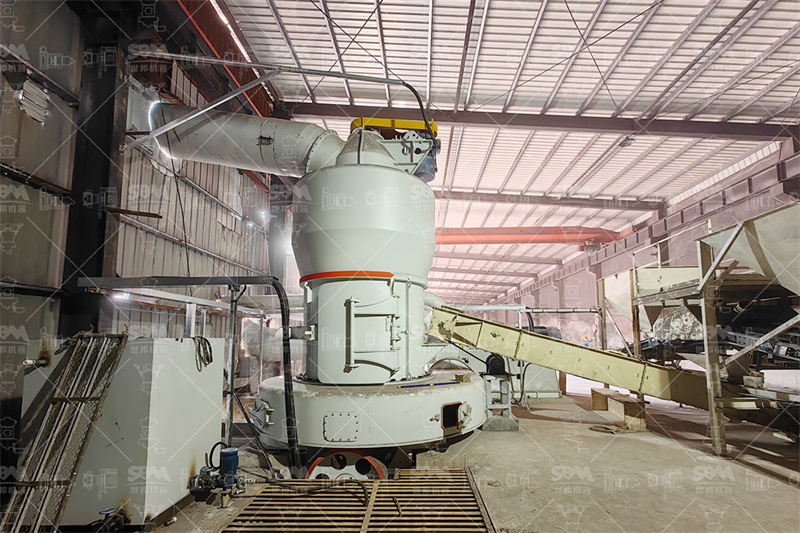
Key Considerations for Coal Powder Production in Hydrogenation Liquefaction
Several critical factors must be evaluated when choosing equipment for coal powder production in hydrogenation liquefaction:
- Fineness and Particle Size Distribution: The coal powder for hydrogenation liquefaction typically requires a fineness of 80% passing 200 mesh (74 μm) or finer, often reaching 325 mesh (45 μm). A narrow particle size distribution is essential to ensure uniform reaction and prevent issues such as plugging or incomplete conversion. The selected mill must have a precise classification system to achieve this.
- High Throughput and Efficiency: Hydrogenation liquefaction plants operate on a large scale, requiring coal powder production rates of tens to hundreds of tons per hour. The milling equipment must offer high capacity while maintaining energy efficiency to keep operating costs manageable. Energy consumption is a significant expense, so mills with lower specific energy (kWh/t) are preferred.
- Moisture Content Control: Coal feed often contains moisture, which must be reduced to a low level (typically <2%) before or during grinding to ensure efficient handling and reaction. The milling system may need to incorporate hot air drying or be compatible with a pre-drying step.
- Wear and Maintenance: Coal is an abrasive material containing inorganic minerals and pyrite. Grinding components such as rollers, rings, and liners are subject to severe wear. Choosing equipment with durable, wear-resistant materials and an optimized grinding mechanism is crucial to extend service life, reduce downtime, and lower maintenance costs.
- Safety and Environmental Compliance: Coal dust is highly explosive, and hydrogenation liquefaction plants have strict safety protocols. The milling system must be designed with explosion-proof features, such as inert gas blanketing, pressure relief panels, and explosion-proof motors. Additionally, dust collection and emission control systems must meet stringent environmental regulations.
- Integration with Downstream Processes: The coal powder production system must seamlessly integrate with the slurry preparation and hydrogenation reactors. A consistent, reliable supply of coal powder with stable properties is essential for process control and product quality.
Types of Grinding Mills for Coal Powder Production
Several mill types are commonly used for coal powder production. Each has its advantages and limitations:
- Ball Mills: Traditional ball mills offer high reliability and can handle tough materials. However, they are energy-inefficient, have a large footprint, and often produce a broader particle size distribution, making them less ideal for demanding hydrogenation applications.
- Vertical Roller Mills (VRM): VRMs are highly efficient, combining grinding, drying, and classification in a single unit. They have a small footprint, lower energy consumption (30-40% less than ball mills), and can achieve fine and consistent fineness. Their integral classifier ensures precise particle size control. This makes them an excellent choice for large-scale coal powder production.
- Ultrafine Mills: For producing very fine powder (e.g., below 325 mesh), specialized ultrafine mills like the SCM Series Ultrafine Mill or LUM Ultrafine Vertical Roller Mill are required. These mills utilize advanced grinding principles and high-precision classifiers to achieve consistent sub-sieve fineness.
- Medium-Speed Mills (e.g., Trapezium Mills): These mills offer a good balance between fineness and capacity. They are often used in coal pulverization for power generation but may need to be evaluated for the specific fineness requirements of hydrogenation.
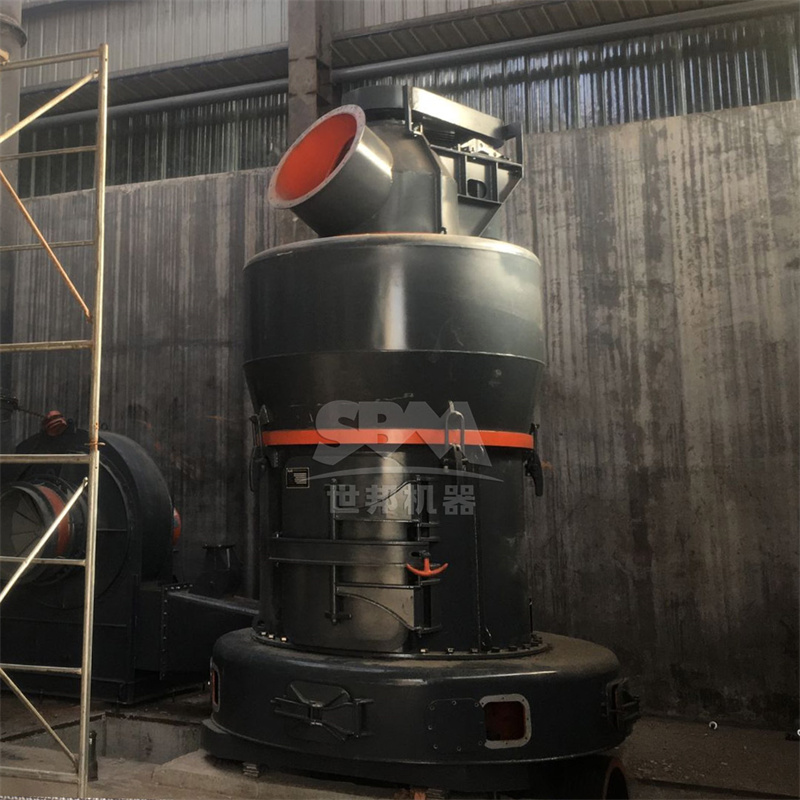
Recommended Equipment: Our SCM Series Ultrafine Mill
For the demanding requirements of hydrogenation liquefaction, particularly when a high proportion of ultra-fine particles is needed, we strongly recommend our SCM Series Ultrafine Mill. This mill is specifically designed for ultra-fine grinding with strict particle size control.
The SCM Series Ultrafine Mill is engineered with a three-layer grinding ring and a vertical turbine classifier. This combination ensures that the fineness can be precisely adjusted between 325 and 2500 mesh (45-5 μm), effectively preventing the mixing of coarse powder and ensuring a uniform finished product. With an input size of up to 20mm, its capacity ranges from 0.5 to 25 tons per hour, depending on the model. The special material used for its rollers and rings extends their service life several times over, reducing maintenance and downtime. Moreover, the SCM mill operates with high efficiency, achieving twice the capacity of jet mills while consuming 30% less energy, leading to significant operational savings. Its intelligent control system includes automatic finished product granularity feedback, ensuring consistent quality.
For example, the SCM1250 model can process 2.5-14 tons per hour with a fineness of up to 2500 mesh, making it ideal for high-capacity hydrogenation liquefaction pre-treatment. The SCM1000, with a capacity of 1.0-8.5 t/h, is a versatile choice for pilot or smaller-scale operations. Furthermore, our LM Series Vertical Roller Mill is an outstanding option for integrated drying and grinding of larger feed sizes. Its models like the LM150M provide capacities up to 38 t/h with a fineness of 80% passing 200 mesh, making it suitable for primary pulverization before the ultrafine step.
Recommended Equipment: Our LM Series Vertical Roller Mill
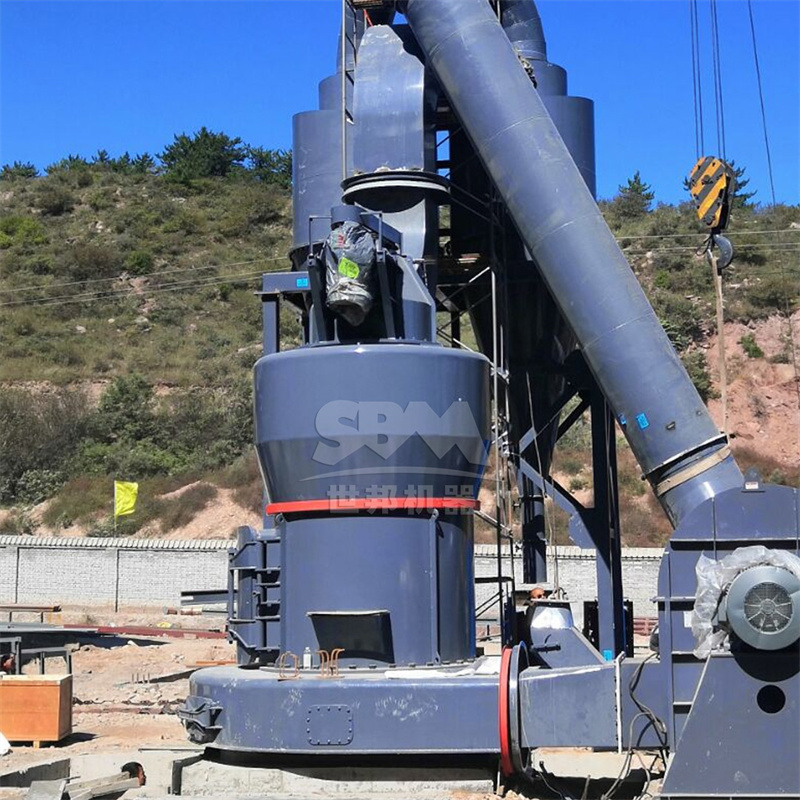
In scenarios where a very large throughput is required, and feed material may have a higher moisture content, our LM Series Vertical Roller Mill is an outstanding choice. This mill integrates crushing, grinding, drying, and classification in one system, significantly reducing the plant’s footprint. Its innovative design minimizes energy consumption by 30-40% compared to traditional ball mill systems. The large-capacity models, such as LM220M, can process up to 90 t/h of coal to a fineness of 5-20% R0.08mm, making it perfect for large-scale hydrogenation plants. The fully sealed, negative-pressure operation guarantees a clean and safe environment, while the modular grinding roller assembly simplifies maintenance.
Conclusion
Selecting the right coal powder production equipment is a pivotal decision for the success of a hydrogenation liquefaction project. The equipment must deliver consistent fineness, high efficiency, low wear, and absolute safety. Both our SCM Series Ultrafine Mill and LM Series Vertical Roller Mill have been developed to meet the highest standards of industrial performance. With features like intelligent control, durable construction, and eco-friendly operation, they offer reliable, cost-effective solutions for producing premium coal powder. Investing in our advanced mills ensures that your hydrogenation liquefaction process operates at peak efficiency, maximizing output and profitability.