
1. Introduction: The Critical Role of Desulfurization Agents in Coal Combustion
In the era of increasingly stringent environmental regulations, controlling sulfur dioxide (SO2) emissions from coal-fired power plants and industrial boilers is a paramount operational and compliance challenge. Flue gas desulfurization (FGD) technologies, particularly those employing pulverized limestone or lime-based agents, remain the most widely adopted and cost-effective methods for achieving high SO2 removal efficiency. The effectiveness of these systems does not solely depend on the scrubber design; it is fundamentally contingent on the quality and fineness of the desulfurization agent. Therefore, selecting the right production equipment for grinding, classifying, and preparing powdered desulfurizers is not merely an investment in machinery—it is a strategic decision that impacts reagent reactivity, consumption rates, and overall plant profitability.
This comprehensive guide explores the critical technical parameters and operational considerations for choosing the ideal coal pulverized combustion desulfurization agent production line. We will delve into the specific requirements of the FGD process, evaluate different mill types, and highlight advanced solutions that offer superior efficiency and reliability.
2. Key Performance Indicators for Desulfurization Agents
Before analyzing equipment, one must first define the product specification. For efficient SO2 capture in both wet and semi-dry FGD systems, the desulfurization agent—typically limestone (CaCO3)—must meet strict criteria:
- Fineness and Surface Area: The reactivity of limestone is directly proportional to its specific surface area. A finer grind (e.g., 325 mesh or 44 microns) with a high percentage of fine particles ensures rapid dissolution and high SO2 absorption rates. Typically, 90% passing 325 mesh is the industry standard for wet scrubbers.
- Uniformity: Consistent particle size distribution (PSD) prevents clogging in slurry preparation systems and ensures predictable stoichiometric ratios. In semi-dry or dry injection systems (CFB), a uniform PSD (e.g., 0-1mm with a high fines fraction) is critical for suspension and complete calcination/absorption in the duct.
- Reactivity: Beyond particle size, the chemical purity and crystalline structure affect reactivity. High-purity limestone (CaCO3 content >90%) is preferred.
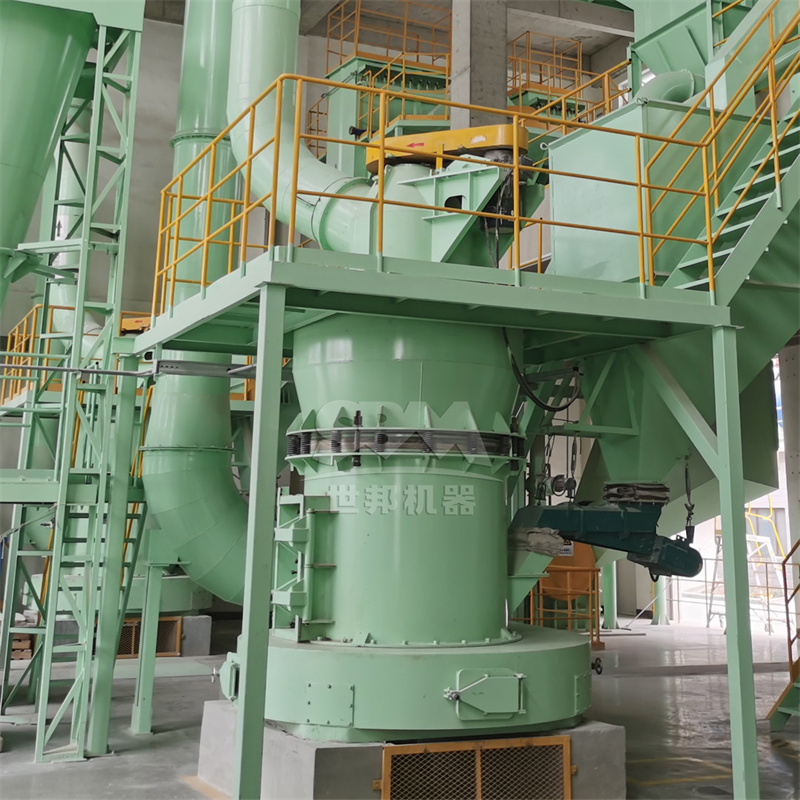
Consequently, the production equipment must be capable of precise classification and high-efficiency grinding to meet these stringent quality metrics without incurring prohibitive energy costs.
3. Evaluating Grinding Technologies: From Coarse to Ultra-Fine
Choosing the right mill type depends on the upstream particle size and the downstream fineness requirement. The decision matrix for desulfurization agent preparation typically involves two stages: primary crushing and fine grinding/pulverizing.
3.1 Primary Crushing and Coarse Grinding
If the feed material (limestone) is large (e.g., 10-50mm), a primary crusher or a traditional pendulum mill for coarse output (30-325 mesh) is required. For the initial reduction, a Hammer Mill (0-3mm) is an excellent choice. Our heavy-duty hammer mills are designed for high-capacity crushing with wear-resistant manganese liners, ensuring a stable feed size for downstream vertical mills. If a coarser granular product (0-3mm) is acceptable for specific desulfurization processes like circulating fluidized bed (CFB) boilers, where the limestone is injected directly into the furnace, a hammer mill is the most efficient and cost-effective solution.
3.2 Fine Grinding and Classification (45-600 μm)
For atmospheric fluidized bed combustion (AFBC) or pulverized coal combustion (PCC) systems where the agent is injected directly into the combustor or duct, a finer grind (e.g., 0-1mm or 60-80% passing 325 mesh) is necessary. Here, the MTW Series European Trapezium Mill and LM Series Vertical Roller Mill stand out.
The MTW Mill (600-45μm) excels in mid-range capacity with features like integral bevel gear drive (98% transmission efficiency) and anti-wear shovel designs. Its optimized arc air duct reduces energy loss, making it a robust solution for small to medium power plants.
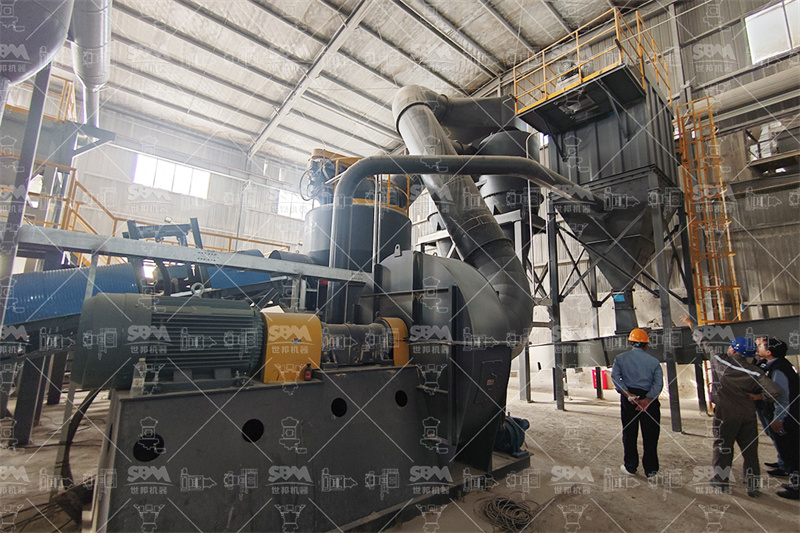
For larger capacities and lower specific energy consumption, the LM Series Vertical Roller Mill (600-45μm) is the undisputed leader. Its integrated design combines crushing, drying, grinding, and classification into one unit, reducing floor space by 50% and infrastructure costs by 40%. The vertical mill operates on the bed grinding principle, which consumes 30-40% less energy than a traditional ball mill system. For coal pulverized combustion applications, the LM Vertical Coal Mill (LM80M to LM280M) is specifically engineered to produce pulverized fuel with a fineness of 5-20% residue on the 80-micron sieve, making it ideal for direct-firing or storage systems. It handles high moisture content efficiently and operates under fully sealed negative pressure, guaranteeing dust-free operation.
4. The Need for Ultra-Fine Agents (45-5μm) and Added Value
Recent advancements in FGD technology indicate a trend towards highly active, ultra-fine desulfurization agents to improve sulfur capture kinetics in semi-dry processes. While standard 325 mesh is common, grinding to 500 or 1000 mesh can significantly boost the utilization rate of the sorbent, reducing limestone consumption by up to 15-20%.
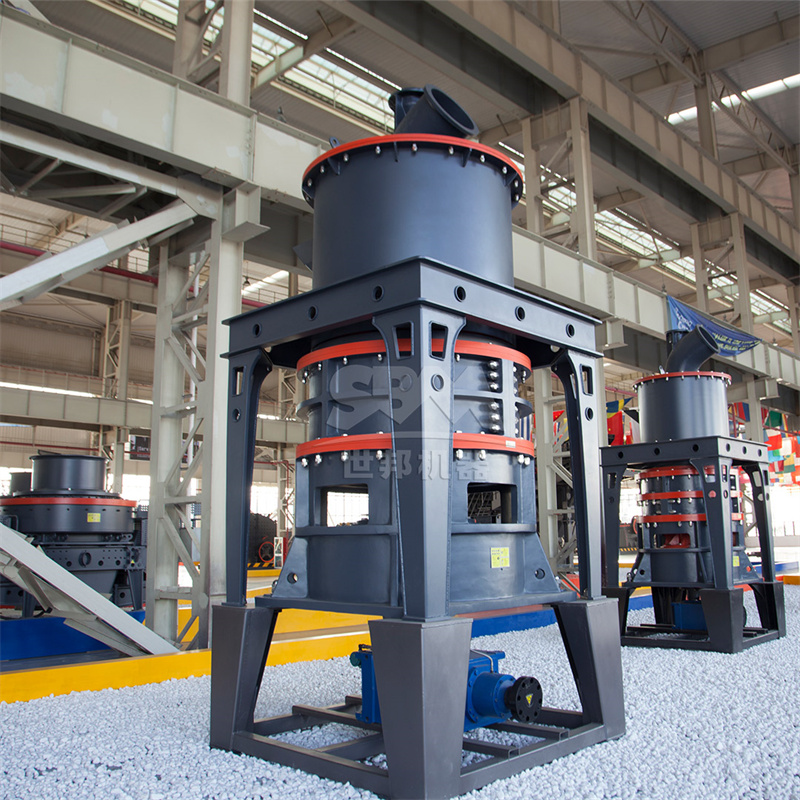
For power plants aiming to maximize sorbent efficiency and handle high-sulfur coal varieties, the SCM Series Ultrafine Mill (45-5μm) is a game-changer. Unlike conventional ball mills, the SCM series adopts a multi-layer grinding ring and high-pressure rollers to crush materials layer by layer. It offers a capacity twice that of jet mills with 30% lower energy consumption. The vertical turbine classifier ensures high-precision particle cutting without coarse powder mixing, delivering a consistently uniform ultra-fine product. Integrating an SCM into a hybrid grinding circuit—where the MTW or LM handles the bulk grinding and SCM polishes the fines—creates a high-efficiency production line. This not only improves SO2 capture but also allows the plant to sell surplus high-value ultra-fine powder to other industries, creating an additional revenue stream.
5. Case Scenario: Building the Optimal Production Line
To illustrate the selection process, let us consider a 300MW coal-fired power plant requiring 10 tons per hour of desulfurization agent with 90% passing 325 mesh (44 μm).
- Stage 1: Feed Preparation – Raw limestone (30mm) is fed into a Hammer Mill (PC4012-90), reducing it to 0-3mm with a capacity of 15-40t/h.
- Stage 2: Main Grinding – The crushed material is then fed into an MTW175G or MRN198 Pendulum Mill. The MRN198, with a capacity of 12-33t/h and thin oil lubrication technology, offers a maintenance-free advantage. It grinds the 0-3mm feed down to 325 mesh effectively.
- Stage 3: Optional Ultra-Fine Polishing – If the plant decides to increase reactivity for lower limestone consumption, a portion of the product can be post-processed via an SCM1000 to achieve 800-1250 mesh for high-value blending.
In this scenario, our LM Vertical Roller Mill could also replace the MTW/MRN combination to handle the entire process in one step, utilizing the hot air from the boiler to dry the material and reduce the plant footprint significantly. The LM170K (18-48t/h) would be the perfect fit.
6. Conclusion: Partnering for Efficiency and Compliance
Investing in the correct pulverizing machinery is critical for ensuring environmental compliance and optimizing operational costs. The choice is not one-size-fits-all; it requires a careful assessment of the sulfur content in coal, the specific FGD technology utilized, and the plant’s energy budget.
For high-capacity, multi-functional needs where energy savings and space are paramount, the LM Series (LM170K or LM190K) is unrivalled. For medium-capacity plants seeking high precision and lower maintenance costs, the MTW Series (MTW138Z or MTW175G) or the MRN Series (MRN198) provide excellent reliability and ROI.
For those pushing the boundaries of sorbent efficiency with ultra-fine grinding, the SCM Series Ultrafine Mill provides that crucial competitive edge. By partnering with a provider that offers a full spectrum of technologies—from hammer mills to vertical roller mills—you ensure that your system is not just a collection of machines, but a synergistic, engineered solution tailored for maximum SO2 removal efficiency and long-term profitability. Contact us today to design your bespoke desulfurization solution.