
Introduction
In the coal processing industry, achieving a fine and consistent powder output—specifically at 600 mesh (approximately 23 microns)—is a critical requirement for many applications, including boiler fuel, carbon electrode manufacturing, and chemical production. Selecting the right equipment for your grinding mill plant is not merely a matter of matching a nameplate capacity; it involves a deep understanding of your raw material characteristics, desired throughput, energy efficiency, and long-term operational costs. This article provides a comprehensive guide to evaluating coal powder production machinery, focusing on key technological factors, and highlights cutting-edge solutions suitable for 600-mesh output.
When we talk about 600-mesh coal powder, we are entering the realm of ultra-fine grinding. Standard pendulum mills or ball mills often struggle to achieve this fineness efficiently, leading to high energy consumption and excessive wear. Therefore, the first step in your selection process is to categorize your needs: do you require a continuous, high-capacity system, or a more flexible unit for smaller batches? The answer will significantly steer your choice between different mill families.
Key Selection Criteria for 600-Mesh Coal Grinding
Before diving into specific equipment models, let’s outline the critical factors that must guide your decision-making process. Overlooking these can lead to operational bottlenecks and inflated costs.
1. Feed Size and Hardness
The maximum feed size your equipment can accept directly impacts the need for pre-crushing. Most ultra-fine mills require a feed size of ≤20mm. If your coal comes from a primary crusher with larger lumps, you will need to incorporate a secondary crushing stage or choose a mill with a more generous feed opening. Additionally, the hardness of the coal (often measured by the Hardgrove Grindability Index, HGI) affects throughput. Softer coals (higher HGI) are easier to grind, but may also cause more sticking, while harder coals (lower HGI) increase wear rates on grinding components.
2. Required Fineness and Classification Efficiency
For 600-mesh output, the classifier becomes the most critical component. A standard classifier may allow coarse particles to pass through, ruining product quality. You need a mill with a high-precision, high-speed dynamic classifier that can reliably cut particle size at 23 microns. Look for specifications that mention ‘no coarse powder mixing’ or ‘vertical turbine classifier’. These features ensure that the final product meets the strict uniformity requirements for applications like slurry fuel or carbon products.
3. Energy Consumption and Operating Costs
Grinding coal to 600 mesh is energy-intensive. Traditional methods like jet milling consume enormous amounts of compressed air. In contrast, mechanical mills that utilize a grinding ring and roller mechanism are significantly more efficient. When comparing, ask for specific energy consumption figures (kWh per ton). A high-efficiency mill might consume 30% less energy than an older design, which, over a year of continuous operation, constitutes a massive cost saving. Furthermore, consider the wear life of the grinding rollers and rings. Designs using special alloy materials can extend service life several times over, reducing downtime and maintenance part expenses.
Technological Approaches to 600-Mesh Coal Powder
There are several mill designs available in the market, but not all are equally suited for this demanding task. Here’s a breakdown of the main options:
Ultrafine Vertical Roller Mills: These are often the preferred choice for coal powder plants due to their high efficiency and integrated drying, grinding, and classifying functions. They operate on the principle of bed grinding, where material is crushed between a rotating table and stationary rollers. Modern versions, like the LUM series, can achieve extremely fine cuts.
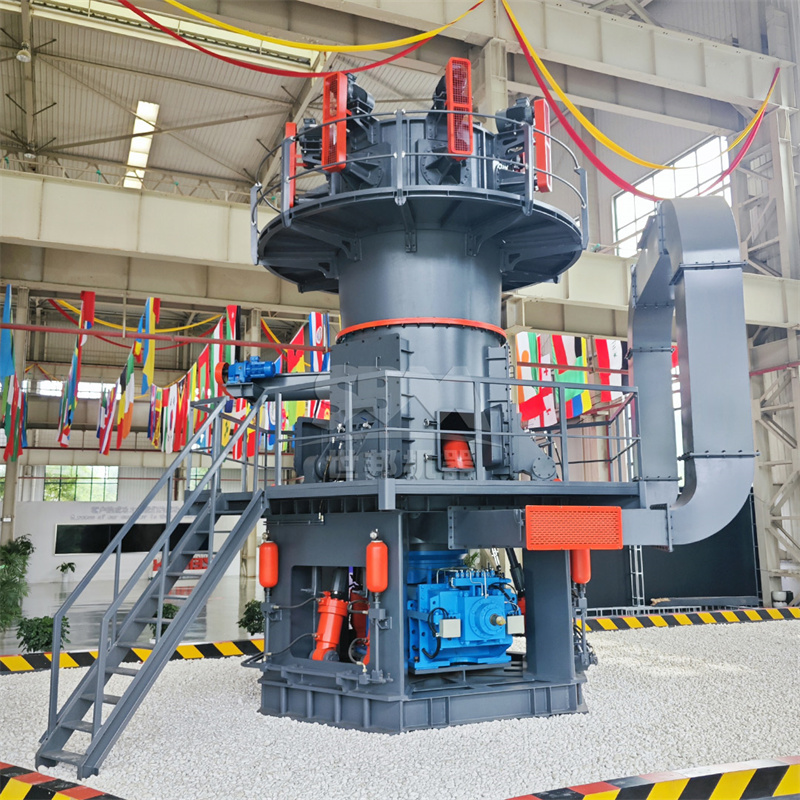
Medium-Speed Trapezium Mills: These are versatile machines using a swinging roller assembly. They are robust and can handle materials with moderate moisture. However, achieving a consistent 600-mesh may require meticulous adjustment of the classifier and might involve lower throughput compared to a dedicated ultra-fine mill.
Ball Mills: While capable of fine grinding, ball mills are notoriously inefficient for ultra-fine powders below 325 mesh. They consume high energy due to the tumbling action of steel balls, produce high noise levels, and take up significant floor space. For a 600-mesh product, they are generally not recommended unless already owned.
In-Depth Review: The SCM Series Ultrafine Mill
Among the equipment we manufacture, the SCM Series Ultrafine Mill stands out as an ideal solution for producing 600-mesh coal powder (or even finer). This mobile equipment is specifically designed for the 325-2500 mesh range, putting 600 mesh well within its optimal operating zone. Its core parameters include a feed size of ≤20mm, a capacity ranging from 0.5 to 25 ton/h depending on the model, and key features that directly address the pain points of coal powder production.
Why SCM for Coal? The SCM mill’s technical advantages are particularly relevant for coal. Firstly, its ‘High Efficiency & Energy Saving’ design offers a capacity 2x that of jet mills while consuming 30% less energy. For a plant that runs 24/7, this means rapid payback. Secondly, the ‘High-Precision Classification’ is achieved through a vertical turbine classifier, which ensures precise particle size cutting without coarse powder mixing—a non-negotiable requirement for 600-mesh consistency. Finally, the ‘Durable Design’ uses special material rollers and rings; we understand that coal is abrasive, so we have engineered these components to last several times longer than standard materials, ensuring stable operation.
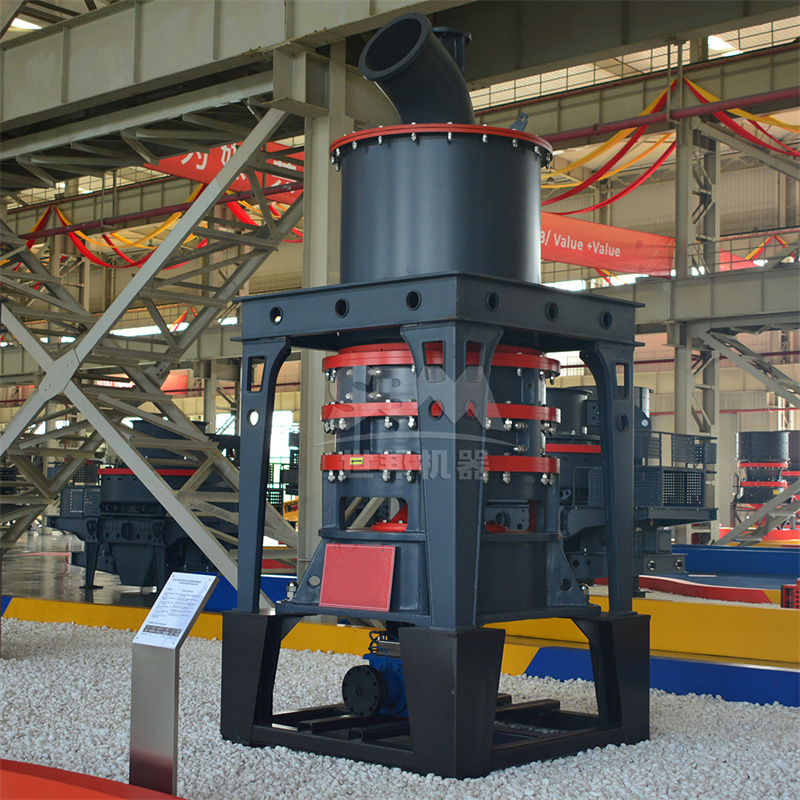
The SCM series comes in several models to match your capacity needs. For small to medium plants, the SCM900 (with a capacity of 0.8-6.5 t/h) or the SCM1000 (1.0-8.5 t/h) are excellent choices. For larger coal preparation plants, the SCM1250 (2.5-14 t/h) and SCM1680 (5.0-25 t/h) provide substantial throughput while maintaining the ultra-fine output. The working principle is straightforward yet effective: the main motor drives multiple grinding rings; material is dispersed by centrifugal force, crushed by roller pressure, and then classified by the turbine.
Alternative: The MTW Series European Trapezium Mill
If your requirement is slightly coarser, perhaps for pre-grinding or for coal powder used in cement kilns where 600 mesh is at the top of the range, the MTW Series European Trapezium Mill is our other primary recommendation. While MTW typically outputs 30-325 mesh (down to 45 microns), its upper fineness range is exceptional, and it is our best-selling mill for high-capacity, medium-fine grinding.
The MTW mill offers unique advantages. Its ‘Integral Bevel Gear Drive’ boasts a transmission efficiency of up to 98%, saving space and reducing installation costs. The ‘Anti-wear Shovel Design’ combines curved blades that extend the grinding roller life, and the optimized arc air duct reduces energy loss, which is crucial for maintaining high production rates. It can handle a feed size of up to 50mm, eliminating the need for a secondary crusher in many setups. However, for a strict 600-mesh product, you would need to use special configurations or consider it as a pre-grinding stage feeding an SCM.
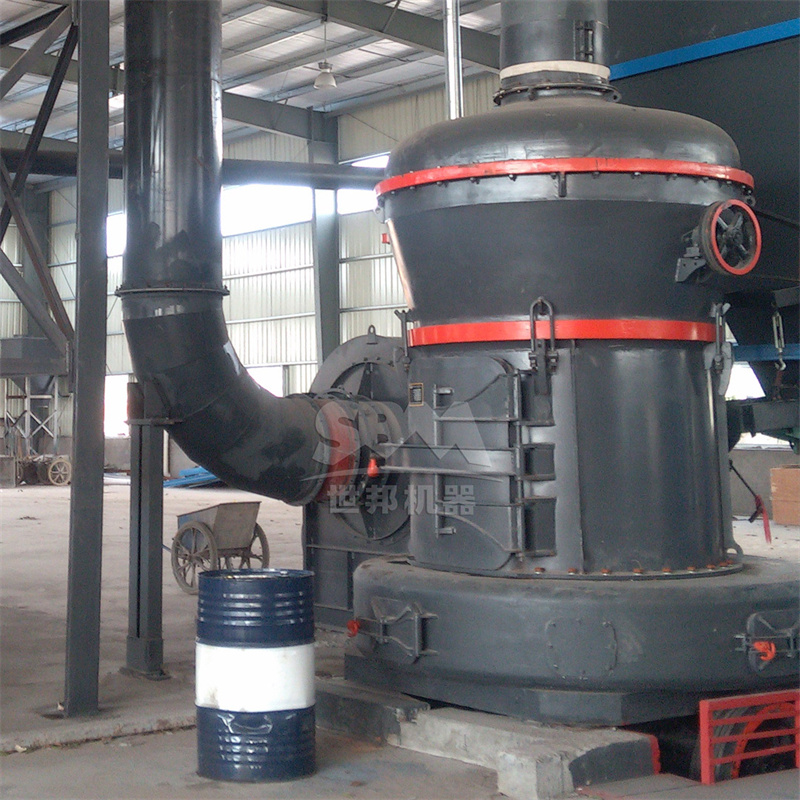
Here is a quick comparison to guide your choice: if a 45-micron (325 mesh) product is acceptable and you have high throughput needs, the MTW is your workhorse. If you absolutely require 23-micron (600 mesh) powder, the SCM is the specialized tool for the job.
Step-by-Step Selection Guide
Based on our experience in the field, we recommend a six-step process to finalize your equipment selection.
Step 1: Define Product Specifications. Clearly state your target D97 (particle size) and the allowable percentage of oversize material. This must be non-negotiable to ensure your final product meets market standards.
Step 2: Determine Throughput. Calculate the required tons per hour (t/h). Be realistic about your plant’s operational hours and future expansion plans. Oversizing leads to wasted capital; undersizing creates a production bottleneck.
Step 3: Analyze Raw Coal Properties. Send a representative sample to the mill manufacturer for a grindability test. The moisture content is particularly critical. If your coal moisture exceeds 10%, you may need a mill with hot air drying capabilities, which the LM Vertical Roller Mill excels at, or you risk material sticking to the mill walls.
Step 4: Evaluate Total Cost of Ownership. Do not base your decision solely on the purchase price. Calculate the predicted energy cost (based on kW), maintenance labor, and replacement part wear life. The SCM series, for example, is designed to have lower maintenance costs due to its specialized wear parts.
Step 5: Consider the Auxiliary Systems. The mill itself is only one component of the system. The baghouse dust collector, the induced draft fan, and the conveying system must all be sized correctly. We strongly recommend a ‘turnkey’ approach where one vendor supplies the entire integrated system to ensure compatibility and performance. Our plants are designed with pulse dust collection systems that exceed international environmental standards, ensuring clean operation.
Step 6: Look for Intelligent Control. In modern process plants, automation is key. Choose a mill with an intelligent control system that provides automatic feedback on finished product granularity. This allows the mill to adjust its parameters in real-time, compensating for variations in coal hardness, ensuring a stable 600-mesh output without constant operator intervention.
Conclusion
Choosing the right 600-mesh coal powder production equipment is a balanced decision involving raw material characteristics, desired output, operational costs, and environmental compliance. For most modern coal grinding plants requiring this ultra-fine specification, the SCM Series Ultrafine Mill stands unmatched for its energy efficiency, classification precision (thanks to its high-end turbine classifier), and durable construction. Whether you need a 0.5 t/h pilot plant or a 25 t/h industrial unit, this series adapts to your demands.
In contrast, if your application leans more towards coarser powders (up to 325 mesh) but with very high throughput capacities and straightforward operation, the MTW Series European Trapezium Mill proves to be a highly robust and economical solution.
We encourage you to contact our engineering team with details of your project, including the HGI of your specific coal source. By leveraging our lab testing capabilities and consulting our experts, you can be certain that your investment will yield maximum returns in efficiency and product quality. Do not compromise on the equipment selection process—it is the deciding factor between a profitable plant and a persistent challenge.