
Introduction to Ceramic Talc Additives Production
In the ceramic industry, talc is a vital additive that enhances thermal shock resistance, reduces firing temperature, and improves mechanical strength. To achieve the desired fineness and consistency for ceramic applications, selecting the right grinding equipment is paramount. This guide provides a comprehensive overview of the top production machines used for processing ceramic talc additives, focusing on key technical parameters, operational advantages, and selection criteria.
Key Characteristics of Talc for Ceramics
Talc (hydrated magnesium silicate) is a soft mineral with a Mohs hardness of 1. When used in ceramics, it is typically ground to a fineness ranging from 45 micrometers (325 mesh) to as fine as 5 micrometers (2500 mesh). The grinding process must preserve the platy structure of talc while achieving uniform particle size distribution. High-efficiency mills that offer precise classification and energy-saving operation are therefore essential.
Ultrafine Grinding for High-Grade Ceramic Bodies
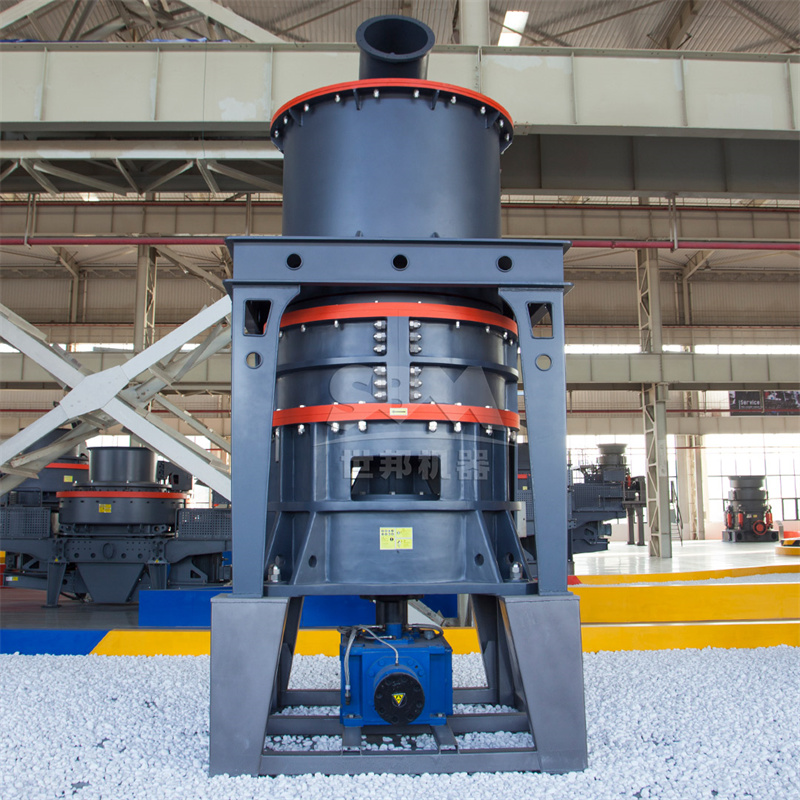
For high-end ceramic products such as sanitary ware, electrical insulators, and advanced technical ceramics, ultrafine talc powder (below 10 micrometers) is often required. The SCM Series Ultrafine Mill stands out in this domain. With an output fineness ranging from 325 to 2500 mesh (45-5 μm) and a capacity of 0.5 to 25 tons per hour, this mill is engineered for precision. Its vertical turbine classifier ensures no coarse powder mixing, providing a uniform product that enhances the density and gloss of ceramic glazes.
We highly recommend the SCM1250 Ultrafine Mill for mid-to-large scale producers. It delivers a capacity of 2.5-14 t/h with a main power of 185 kW, making it an ideal balance between throughput and energy efficiency. The special material rollers and rings extend service life several times over, reducing downtime and maintenance costs. Moreover, the intelligent control system with automatic granularity feedback ensures consistent quality, which is critical for ceramic formulations.
Versatile Medium-Fine Grinding Solutions
When the target fineness is between 45 and 600 micrometers, both the MTW Series European Trapezium Mill and the LM Series Vertical Roller Mill are excellent choices. These machines are known for their high capacity, lower energy consumption, and robust construction. The MTW mill, with its integral bevel gear drive and anti-wear shovel design, offers transmission efficiency up to 98% and reduced maintenance costs. It is ideal for processing talc with a feed size of up to 50mm, producing 3 to 45 tons per hour.
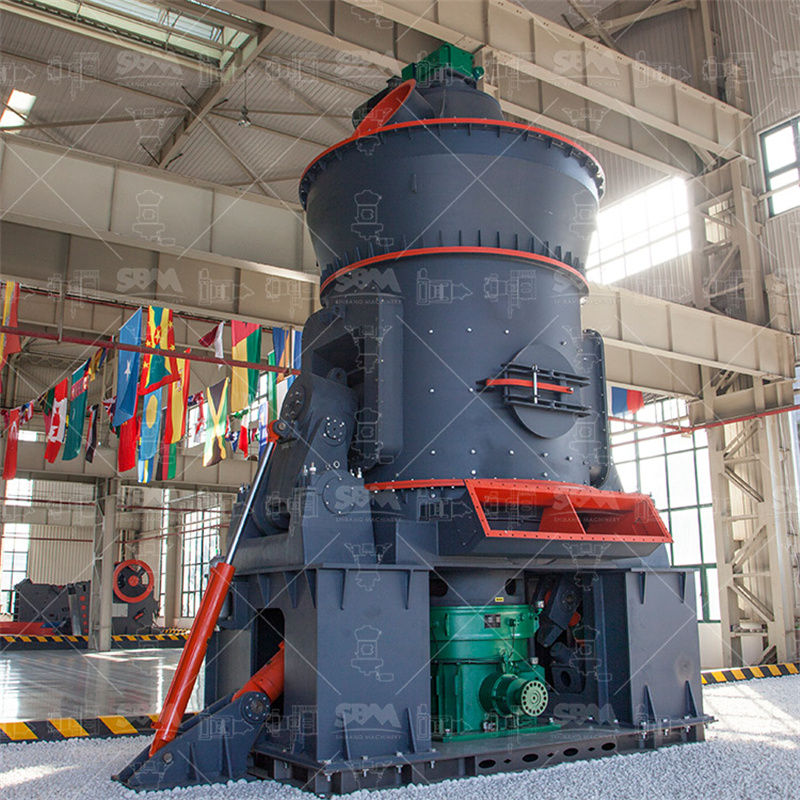
For operations requiring even greater throughput and integration, the LM Series Vertical Roller Mill is unmatched. It combines crushing, grinding, drying, and classification into a single unit, reducing floor space by 50%. The LM170K model, for instance, can process 18-48 t/h of talc to a fineness of 170-40 μm, making it a powerhouse for large-scale ceramic tile manufacturers. Its low operating cost, due to non-contact roller-table design and 30-40% energy savings compared to ball mill systems, makes it a sustainable long-term investment.
Specialized Equipment for Coal and Slag Co-Grinding
In some ceramic plants, talc is co-ground with other additives like coal (as a burn-out agent) or slag. Notably, the LM Series Vertical Coal Mill (LM80M to LM280M) and Vertical Slag Mill (LM130N to LM370N) are designed for these niche applications. The coal mill series ensures a fineness with a residue of 5-20%, while the slag mill is optimized for high specific surface area and moisture content up to 20%. Although not the primary focus for pure talc processing, these machines offer modular flexibility for complex production lines.
Medium-Speed Mills for Standard Ceramic Applications
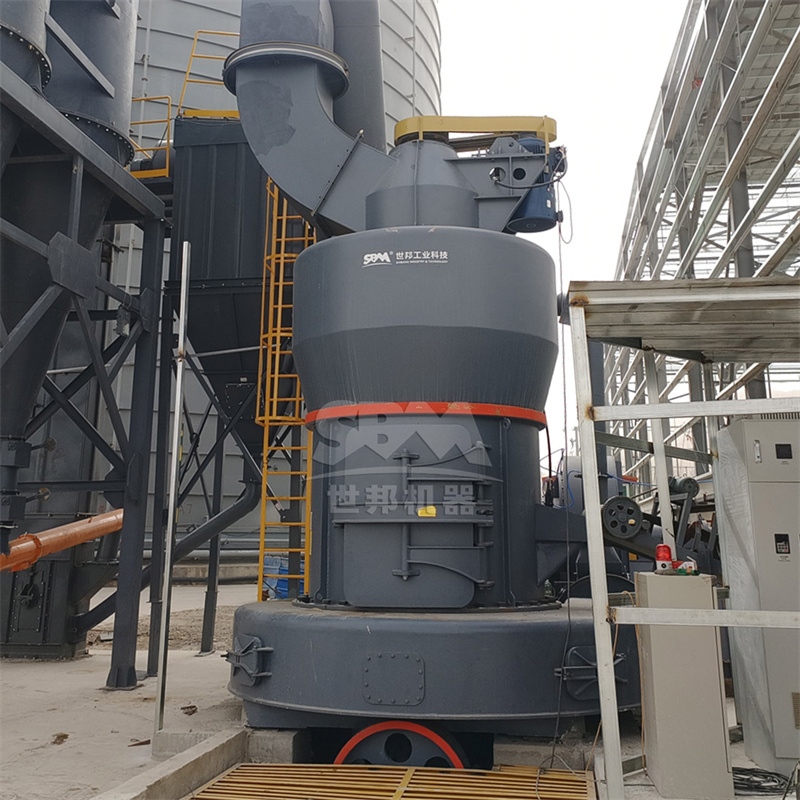
For standard wall and floor tiles, the MTM Series Medium-speed Trapezium Mill provides a cost-effective solution. With a fineness range of 45-325 mesh and a capacity of 3-22 tons per hour, this mill is ideal for medium-sized plants. Its intelligent pressure regulation system automatically compensates for roller wear, extending the life of the grinding parts by 30%. The MTM160 model, with 6 rollers and a main power of 132 kW, is a popular choice for producers needing consistent output without the complexity of larger vertical mills.
Rugged Options for Primary Crushing and Coarse Grinding
Before fine grinding, talc often requires size reduction from run-of-mine ore (up to 40mm) to a workable size. The Hammer Mill (PC series) is perfect for this task, crushing materials to 0-3mm with high capacity and a compact footprint. Models like the PC4015-132 can handle 40-70 t/h, making it an excellent primary crusher in a talc processing line. Additionally, for producers looking to pre-grind cement clinker or hard additives, the LM-Y Vertical Pre-grinding Roller Mill is an innovative option. It can process up to 1000 t/h (for LM340Y) and reduces power consumption by 30-50% via its bed grinding principle.
Selection Guide: How to Choose the Right Mill
Selecting the optimal mill involves several critical factors. First, determine the required fineness. If you need talc for high-strength porcelain, use the SCM ultrafine mill. For general ceramic bodies, MTW or LM mills are sufficient. Second, evaluate your feed size and capacity. For large feed (≤50mm) and high tonnage (up to 250 t/h), only the LM series or MRN pendulum mills qualify. Third, consider energy efficiency and operating costs. Ball mills are cheaper upfront but consume 30-40% more energy. In comparison, vertical roller mills and ultrafine mills offer rapid payback on investment. Finally, check the moisture content of your raw talc; if it is above 10%, you will need a mill with hot air circulation, such as the LM series.
For a comprehensive recommendation, consider the MRN Pendulum Mill for medium-capacity plants. With a feed size of 0-50mm and a capacity range of 2.7 to 83 TPH, it features thin oil lubrication for maintenance-free operation and a pulse dust collector for eco-friendly processing. The MB5X98 model is a balanced choice for beginners, while the MB5X298 is suited for high-volume industrial use. Regardless of your choice, ensuring the mill has a robust classifier and wear-resistant materials is essential for talc due to its abrasive nature during high-shear grinding.
Conclusion and Final Recommendations
The ceramic industry demands precision, efficiency, and reliability. Whether you are producing additives for structural ceramics or advanced technical ceramics, the right grinding equipment can significantly impact your product quality and operational profitability. We strongly recommend integrating our SCM Series Ultrafine Mill for fine talc powders (45-5μm) and the LM Series Vertical Roller Mill for high-capacity, multifunctional processing. These machines embody the latest innovations in grinding technology, offering intelligent control, low energy consumption, and superior particle size distribution. To optimize your line, combine them with our hammer mill for primary crushing. For further technical consultation, please contact our engineering team to discuss your specific talc additive specifications.