
Understanding the Critical Role of Bentonite in Pellet Production
In the iron ore pelletizing industry, bentonite serves as the primary binding agent, ensuring that finely ground iron ore concentrate adheres together to form durable, high-strength pellets. These pellets are subsequently fed into blast furnaces or direct reduction plants. The quality of the bentonite binder directly impacts the green pellet strength, dry pellet strength, and finally, the fired pellet quality. However, the raw bentonite, as mined, typically contains large agglomerates and impurities, rendering it unsuitable for direct use. The bentonite must be processed—dried, ground, and classified—to achieve a specific fineness (typically 80% passing 200 mesh or finer) and moisture content to maximize its binding capacity and swelling index.
Choosing the right processing equipment is therefore a strategic decision that affects the efficiency, cost-effectiveness, and final product quality of the entire pelletizing plant. The wrong mill can lead to high energy consumption, inconsistent particle size distribution, and frequent downtime, ultimately increasing operational costs and compromising pellet quality. This guide aims to provide a comprehensive framework for selecting the optimal bentonite grinding and processing equipment, focusing on key technical parameters and the specific advantages of different mill types.
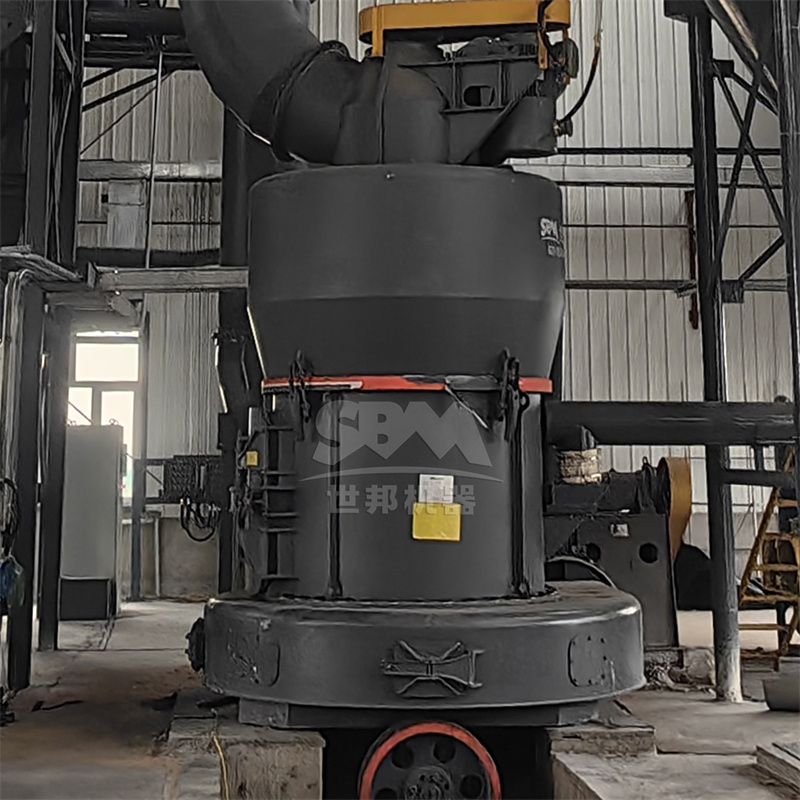
Key Selection Criteria for Bentonite Grinding Mills
Before selecting a specific model, it’s essential to evaluate your project requirements against a set of core criteria. These parameters form the foundation of an informed purchasing decision.
1. Feed Material Properties
The physical and chemical characteristics of the raw bentonite dictate the type of grinding equipment suitable for the task. While most bentonite has a moisture content of 10-15% as mined, it must be dried to less than 6% before fine grinding. The feed size, hardness, and abrasiveness are also crucial. For instance, a high-hardness bentonite may require a mill with robust, wear-resistant grinding components.
2. Required Output Fineness and Capacity
The target fineness is a non-negotiable specification. For bentonite used in pelletizing, the Blaine surface area or the specific particle size distribution determines the swelling index and bonding strength. A finer grind generally improves binding efficiency but requires more energy. Your required throughput (tons per hour) directly influences the scale and model of the mill you need. Over-specifying capacity leads to unnecessary capital expenditure, while under-specifying creates a production bottleneck.
3. Energy Efficiency and Operational Costs
Grinding is an energy-intensive process. The electricity consumption and the wear rate of grinding media and liners are significant contributors to the total cost of ownership (TCO). A mill that offers higher efficiency, such as a vertical roller mill with a grinding bed, can reduce energy consumption by 30-50% compared to traditional ball mills, a critical factor in long-term profitability.
4. System Integration and Automation
Modern processing plants benefit from intelligent control systems that automate the grinding process. Advanced mills now feature PLC-based controls to adjust classifier speed and grinding pressure in real-time, ensuring a consistent product quality with minimal manual intervention. The selected equipment should ideally integrate seamlessly with upstream drying and downstream conveying systems.
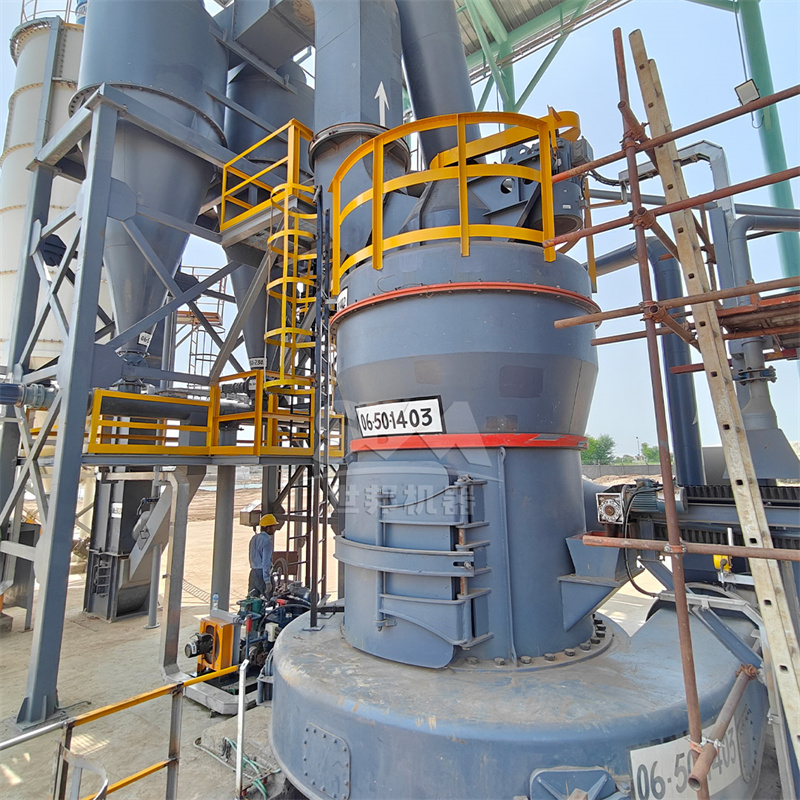
Comparative Analysis of Equipment Options
Several types of mills are used in the mineral processing industry. The most suitable choice for bentonite binder preparation depends largely on the fineness requirements and the desired capacity.
A. For Ultra-Fine Grinding (325-2500 mesh / 45-5 μm)
When the objective is to produce a high-value, ultra-fine bentonite powder for premium pellet binders, the SCM Series Ultrafine Mill is an industry-leading solution. Its patented design offers a significant advantage for this specific application. The key feature of the SCM series is its use of a vertical turbine classifier, which guarantees precise particle size cutting with no coarse powder mixing. This ensures that the final binder has a uniform and consistent particle size distribution, maximizing its surface area for superior binding. Testing demonstrates that the SCM series achieves twice the capacity of jet mills while consuming 30% less energy, a testament to its engineering excellence.
Recommended Product for Ultra-Fine Applications: The SCM1250 Ultrafine Mill is an excellent choice for mid-to-large scale operations. With a capacity of 2.5-14 t/h and a feed size of ≤20mm, it is designed to handle continuous industrial demands. Its ability to produce fineness in the range of 325-2500 mesh (45-5μm) makes it ideal for producing the highest-quality bentonite binder. Furthermore, the special material used for its rollers and rings extends their service life several times over, ensuring low maintenance costs. The intelligent control system automatically adjusts the fineness, ensuring a stable and high-quality output that is critical for pellet uniformity.
B. For Fine Grinding (30-325 mesh / 600-45 μm)
For most standard bentonite binder applications, a fineness of 80-90% passing 200 mesh (74 μm) is sufficient. In this category, the MTW Series European Trapezium Mill and the LM Series Vertical Roller Mill are the most formidable contenders.
The MTW series is renowned for its robust design and high transmission efficiency. Its integral bevel gear drive achieves up to 98% efficiency and its optimized arc air duct reduces airflow energy loss, directly lowering operational costs. The anti-wear shovel design and wear-resistant volute structure ensure the mill remains productive with minimal downtime, cutting maintenance costs by up to 30%.
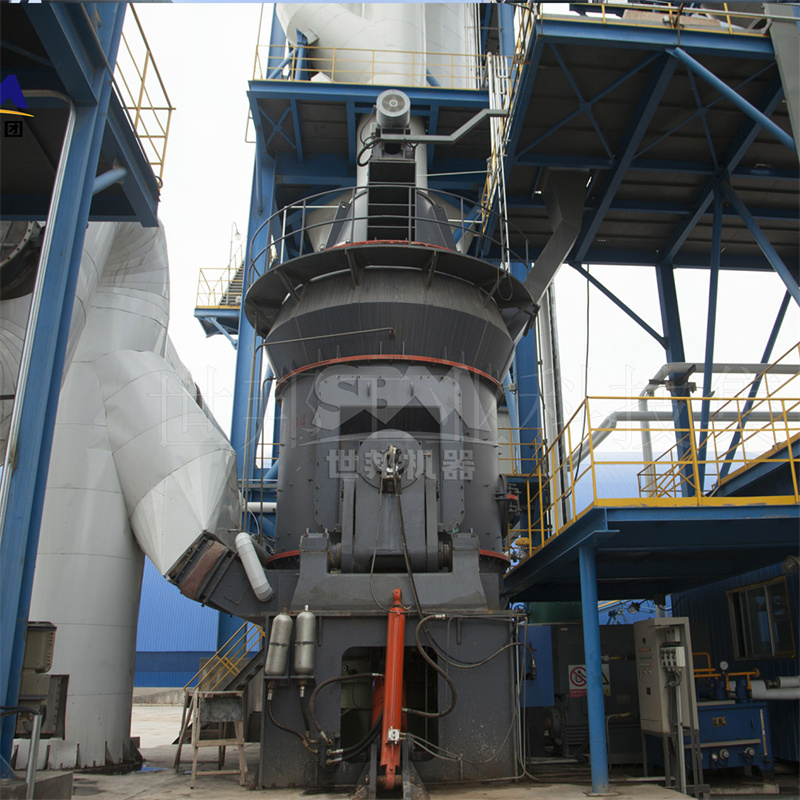
Conversely, the LM Series Vertical Roller Mill excels in high-capacity, cost-efficient grinding. Its integrated design, which combines crushing, grinding, and selection, reduces floor space by 50% and can be installed outdoors, cutting infrastructure costs by 40%. For bentonite processing, the low operating cost is a massive benefit; the non-contact design between rollers and the table increases wear part life by three times compared to ball mills, and its energy consumption is 30-40% lower. The LM series also boasts an expert-level auto-control system, allowing for real-time monitoring of key parameters and reducing the need for manual intervention.
Making the Final Decision
The choice between an SCM Ultrafine Mill and an MTW or LM mill ultimately boils down to your product specification and business goals.
- Choose the SCM Series Ultrafine Mill if your market demands ultra-high fineness binders for high-strength pellets or if you plan to offer a premium product. Its precision classification and energy efficiency make it the most advanced option for fine and ultra-fine grinding.
- Choose the MTW Series European Trapezium Mill for a balanced approach with moderate capacity and high efficiency. It is a reliable workhorse for standard bentonite grinding, offering easy maintenance and robust performance.
- Choose the LM Series Vertical Roller Mill for large-scale, continuous operations where maximizing throughput and minimizing energy costs are the top priorities. Its low TCO and advanced automation make it the best long-term investment for high-tonnage processing plants.
Furthermore, regardless of the primary grinding mill you select, consider integrating a pre-grinding or crushing stage to reduce feed size. A Hammer Mill is an excellent choice for preliminary size reduction (0-3mm) if your raw material feed size is inconsistent. This pre-crushing step reduces the load on the main mill, increasing overall system efficiency and throughput.
In conclusion, selecting the right bentonite processing equipment is a technical decision that should be made in consultation with equipment manufacturers who understand the specific demands of the steel and pelletizing industries. By carefully evaluating your feed material, required fineness, capacity, and operational costs, you can select a mill that not only meets your production targets but also provides a clear competitive advantage. The advanced engineering and proven reliability of the SCM, MTW, and LM series mills from our company represent the cutting edge of this technology, guaranteeing a return on investment through superior efficiency and product quality.