
Introduction to Magnesite Powder Processing
Magnesite (MgCO₃) is a critical industrial mineral used extensively in the production of refractory materials, magnesia cements, and environmental adsorbents. When processed to a 100-mesh fineness (approximately 149 microns), magnesite powder becomes an essential raw material for medium-grade refractory bricks, ramming masses, and chemical applications. Achieving this specific fineness with high efficiency and low operating costs requires a carefully designed production line comprising crushers, grinding mills, classifiers, and dust collection systems. This comprehensive guide explores the technical considerations, equipment options, and cost optimization strategies specifically tailored for 100-mesh magnesite powder production, helping plant operators achieve maximum return on investment.
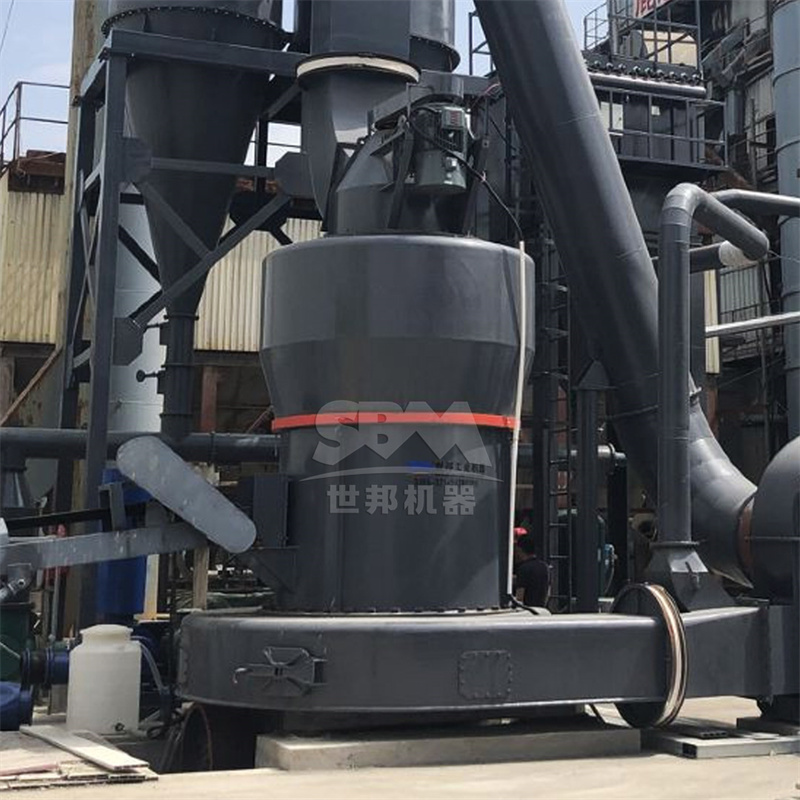
Understanding Raw Material Characteristics
Before selecting equipment, it is essential to understand the physical and chemical properties of the feed material. Natural magnesite typically arrives from mines with a particle size ranging from 5mm to 50mm after primary crushing. The material has a Mohs hardness of 3.5 to 4.5 and a density of approximately 3.0-3.2 g/cm³. When designing a 100-mesh production system, plant managers must consider the material’s abrasiveness, moisture content (typically 2-5% in raw form), and the presence of impurities such as silica, calcium, and iron oxides. These characteristics directly influence the choice of grinding equipment, the configuration of classifiers, and the expected wear rates of grinding media and liners.
A typical 100-mesh magnesite powder production line begins with a jaw crusher or hammer mill for primary size reduction to below 20mm. This intermediate feed is then conveyed to the main grinding mill via a bucket elevator and vibrating feeder. The grinding process itself must achieve a P80 particle size of 150 microns or finer, with minimal over-grinding to avoid energy waste. The classification system then ensures that only particles meeting the 100-mesh specification (less than 149 microns) are collected as finished product, while oversized particles are returned to the grinding chamber for further reduction.
Selection of Grinding Mills for 100-Mesh Magnesite
The heart of any magnesite powder production plant is the grinding mill. For 100-mesh applications, several mill types have proven effective, each offering distinct advantages in terms of capacity, energy efficiency, and product quality. Understanding these differences is crucial for optimizing both initial capital expenditure and long-term operating costs.
Medium-Speed Trapezium Mills are among the most versatile options for magnesite grinding. These mills operate on the principle of grinding rollers pressing against a grinding ring, with air classification integrated into the system. They can process feed sizes up to 35mm and achieve fineness ranges from 45 to 325 mesh, making them well-suited for 100-mesh applications. The MTM series, for example, features intelligent pressure regulation systems that automatically compensate for roller wear, extending equipment life while maintaining consistent output quality. With capacities ranging from 3 to 22 tons per hour and power consumption typically 20-30% lower than traditional ball mills, these units offer excellent cost efficiency for medium-scale operations.
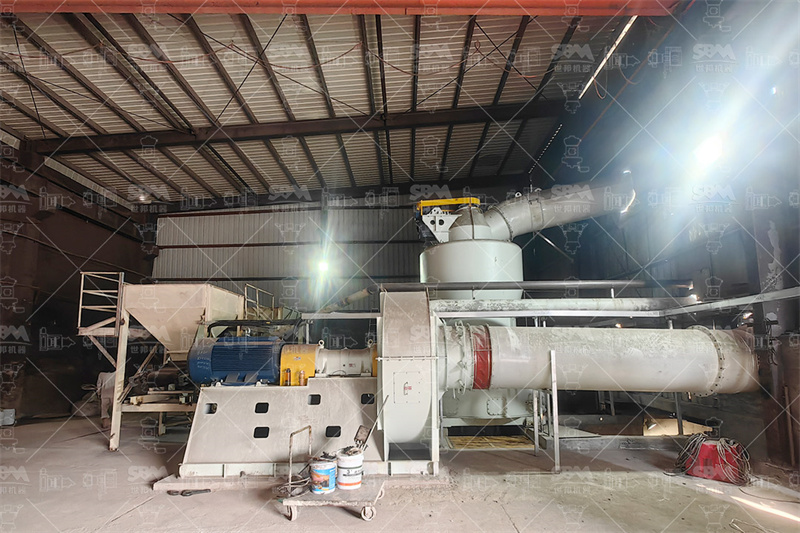
European Trapezium Mills represent a more advanced evolution of medium-speed grinding technology. The MTW series incorporates several proprietary design features that directly benefit magnesite processors. The anti-wear shovel design with combined blade construction significantly reduces maintenance frequency, while the optimized arc air duct minimizes airflow energy losses by approximately 15% compared to conventional designs. Perhaps most importantly, the integral bevel gear drive system achieves transmission efficiency up to 98%, ensuring that virtually all motor power is converted into useful grinding work. For 100-mesh magnesite production, the MTW138 or MTW175 models are typically recommended, offering capacities of 6-17 tons per hour and 9.5-25 tons per hour respectively, depending on specific material characteristics.
For operations requiring extremely high throughput with minimum energy consumption, Vertical Roller Mills provide an attractive alternative. The LM series integrates crushing, grinding, drying, and classification into a single compact unit, reducing floor space requirements by up to 50% compared to traditional systems. The non-contact design between rollers and grinding table means wear parts last significantly longer, and energy consumption is typically 30-40% lower than ball mill systems. While vertical roller mills are often associated with large-scale cement production, the LM130K and LM150K models are perfectly suited for magnesite powder production with capacities of 10-28 tons per hour and 13-38 tons per hour respectively at the required fineness.
When precise particle size distribution and minimal coarse particle contamination are critical, our company offers the SCM Series Ultrafine Mill as a premium solution. While capable of achieving ultra-fine outputs down to 2500 mesh, the SCM series can be configured to operate efficiently at 100-mesh with exceptional classification precision. The vertical turbine classifier ensures a sharp cut between qualified and over-size particles, with zero coarse powder mixing in the final product. The SCM900 model, with its 90kW main power and capacity of 0.8-6.5 tons per hour, represents an excellent choice for high-value magnesite products requiring premium quality specifications. The specialized wear-resistant materials used in the rollers and rings extend service life several times over conventional designs, making the SCM a rational choice for processes demanding the highest operational reliability.
Classifier Optimization for Uniform Particle Size
Producing 100-mesh magnesite powder is not simply about achieving a maximum particle size of 149 microns; equally important is controlling the minimum particle size and the overall distribution curve. A well-optimized classification system ensures that the final product contains minimal ultra-fine particles (below 40 microns), which can negatively affect the rheological properties of refractory formulations. High-efficiency dynamic classifiers, such as the vertical turbine design integrated into most modern grinding mills, allow precise adjustment of the rotor speed to fine-tune the cut point.
For 100-mesh production, the classifier rotor speed is typically optimized to produce a product with a median particle size (D50) of approximately 100-120 microns. Advanced control systems incorporate real-time particle size monitoring with automatic speed adjustment, ensuring consistent product quality even as feed material characteristics fluctuate. The SCM series mills exemplify this intelligent control philosophy, with automatic finished product granularity feedback systems that continuously optimize the classification process without operator intervention. This level of automation not only improves product consistency but also reduces labor costs and minimizes the risk of off-spec production batches.
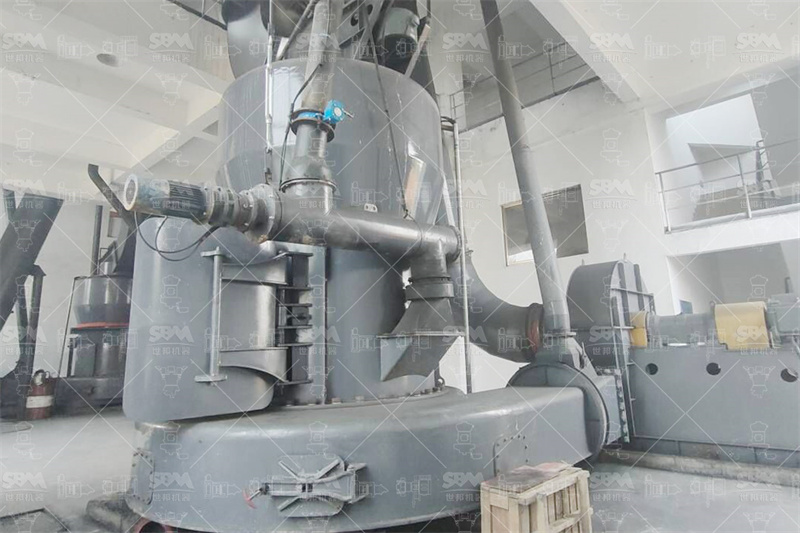
Complete Production System Configuration
A complete 100-mesh magnesite powder production line involves more than just the grinding mill and classifier. The system must incorporate all auxiliary equipment to ensure smooth, continuous, and safe operation. The typical process flow begins with a raw material hopper and vibrating feeder that meters material into a jaw crusher or hammer mill for primary size reduction. For magnesite with feed sizes up to 40mm, a hammer mill can perform initial crushing to below 20mm in a single pass. The crushed material is then transported to a buffer silo via bucket elevator, ensuring a consistent feed supply to the main grinding mill.
From the buffer silo, a screw conveyor or air slide delivers material to the grinding mill’s main feed port. After grinding, the air stream carries the milled powder to the dynamic classifier, which separates qualified 100-mesh product from oversized particles. The oversized fraction is returned to the grinding chamber through a dedicated return path, ensuring continuous processing until all material reaches the required fineness. The fine fraction proceeds to a cyclone collector followed by a pulse-jet baghouse filter, which efficiently separates powder from the conveying air. The collected powder is conveyed to product silos either by pneumatic conveying systems or mechanical conveyors, while clean air is discharged to the atmosphere or recirculated.
Throughout this process, the fan system plays a crucial role in maintaining proper airflow and pressure conditions. For a 100-mesh magnesite production line, the induced draft fan must provide sufficient air volume to achieve the required material conveyance and classification efficiency while managing the system’s total pressure drop. Energy recovery and optimization features, such as hot air circulation systems found in advanced vertical roller mills, can further reduce operating costs by capturing waste heat and reducing the energy required for system operation.
Cost Optimization and Economic Considerations
Total cost of ownership for a magnesite powder production line encompasses initial capital investment, energy consumption, maintenance costs, and operational labor. Achieving true cost optimization requires a holistic approach that considers all these factors together. For most medium-scale producers, a European trapezium mill such as the MTW175G offers the best balance of capital cost versus operational efficiency. With a capacity of 9.5-25 tons per hour, a main power of 160kW, and energy consumption typically 25% lower than ball mills of similar capacity, this system provides rapid return on investment. The wear-resistant volute structure and curved shovel design reduce maintenance costs by approximately 30% compared to conventional trapezium mills, further improving the total cost equation.
For operations planning significant capacity expansion, the LM series vertical roller mill presents compelling economics at scale. The integrated design eliminates separate classifiers and transport systems, reducing both capital expenditure and installation costs. Energy savings of 30-40% compared to ball mill systems translate directly to lower operating costs, which is particularly significant in regions with high electricity prices. The LM150K, offering 13-38 tons per hour capacity with a 280kW main motor, can produce over 300,000 tons of 100-mesh magnesite powder annually while maintaining exceptionally low energy consumption per ton of product.
We would like to highlight two of our flagship products designed to optimize your magnesite powder production. Our MTW138Z European Trapezium Mill is engineered for mid-size operations requiring high efficiency and profitability. With its 90kW main power and 6-17 tons per hour capacity, this system includes advanced features including the anti-wear shovel design, integral bevel gear drive with 98% efficiency, and an optimized arc air duct that reduces energy loss. The pulse dust removal system ensures full environmental compliance while the intelligent control system maintains consistent product quality with minimal operator attention. This model is particularly recommended for producers balancing volume needs with capital constraints, offering an excellent return on investment.
For large-scale producers demanding maximum throughput, we recommend our LM170K Vertical Roller Mill. This system delivers 18-48 tons per hour of 100-mesh magnesite powder with a 400kW main power. Its integrated design reduces building footprint by half and infrastructure costs by 40%, while energy consumption remains 30-40% lower than comparable ball mill installations. The expert-level auto-control system with remote monitoring capabilities reduces labor requirements, and the fully sealed negative pressure operation eliminates dust emissions entirely. The grinding roller quick-change system minimizes downtime during maintenance, ensuring maximum annual production availability.
Energy Efficiency and Environmental Considerations
Modern magnesite processing operations must meet increasingly stringent environmental regulations while maintaining economic viability. Both of our recommended solutions provide proactive answers to these requirements. The MTW series features optional soundproof room designs that reduce operational noise below 85dB(A), protecting workers and meeting workplace regulations. The integrated pulse dust collection system achieves collection efficiencies exceeding 99.9%, ensuring that particulate emissions remain far below national standards.
Energy efficiency audits of similar installations demonstrate that modern grinding systems can achieve specific power consumption of 22-28 kWh per ton of 100-mesh magnesite powder, depending on feed characteristics and exact product specifications. This represents a 30-50% improvement over older conventional systems, translating into substantial annual cost savings. The intelligent control systems include energy monitoring functions that track consumption in real-time, allowing operators to identify and address inefficiencies immediately. Furthermore, the ability to adjust production based on time-of-use electricity pricing allows savvy operators to reduce energy costs by an additional 5-10% through strategic production scheduling.
Conclusion and Implementation Recommendations
Achieving cost-effective, high-efficiency 100-mesh magnesite powder production requires careful equipment selection and system design. The choice between different mill technologies depends on production scale, product quality requirements, available capital, and local operating conditions. Successfully proven systems from our comprehensive product portfolio provide reliable options for every scenario, whether optimizing energy consumption, maximizing throughput, or meeting premium quality specifications.
For best results, we recommend engaging our engineering team to conduct a comprehensive feasibility study covering material testing, system design, and cost analysis before equipment procurement. Our testing facilities can process sample materials to establish definitive grinding parameters and predict exact performance outcomes. We provide complete turnkey solutions including installation supervision, commissioning, operator training, and long-term service support. With spare parts availability guaranteed for the complete lifespan of the equipment and 48-hour response times for emergency technical support, we ensure that your magnesite powder production operates at peak efficiency, producing revenue from day one and continuing to generate profits for years to come.