
1. Introduction to Dolomite Powder Production
Dolomite, a calcium magnesium carbonate mineral (CaMg(CO₃)₂), is a fundamental raw material in the construction industry. Its processed powder form serves as a critical ingredient in building materials such as asphalt mixtures, cement, glass, ceramics, and plaster. The quality of dolomite powder, characterized by its fineness, purity, and uniform particle size, directly impacts the performance and durability of the final construction products. As global infrastructure development accelerates, there is an increasing demand for high-purity and ultra-fine dolomite powder. However, achieving these specifications requires sophisticated processing equipment that balances efficiency, energy consumption, and operational cost. This guide provides a comprehensive overview of the selection, process, and cost considerations for high-efficiency building material grade dolomite powder production equipment, focusing on modern milling technologies that deliver both performance and profitability.
2. Raw Material and Product Specifications
Before delving into equipment selection, it is crucial to define the input and output parameters. For most building material-grade applications, the raw dolomite is quarried and crushed to a feed size ranging from 0 to 50mm. The desired output fineness varies by application: for standard building materials, a fineness of 100 to 325 mesh (150-45 μm) is common; however, high-end applications such as polymer fillers or specialty coatings require ultra-fine powders of 800 to 1250 mesh (18-10 μm) or even finer. The production capacity needs, ranging from a few tons per hour to over 100 tons per hour, also dictate the type and scale of the milling system. Our company’s equipment portfolio is designed to meet these diverse requirements, offering tailored solutions that ensure the precise particle size distribution and throughput efficiency essential for high-grade building materials.
3. Key Equipment Selection Criteria
Selecting the right grinding mill is the most critical decision in the dolomite powder production line. The criteria for selection go beyond simple capacity; they include energy efficiency, wear part durability, and the ability to control product fineness precisely. For coarse to medium fine powders (30-325 mesh), high-capacity vertical roller mills or European trapezium mills are preferred for their high throughput and low energy consumption. However, for ultra-fine powder (325-2500 mesh), an ultrafine grinding mill is indispensable. The choice impacts the overall operational cost, quality of the final product, and the environmental footprint of the plant. We will examine several key technologies that we offer, each optimized for specific segments of dolomite processing.
4. The MTW Series European Trapezium Mill for Standard Production
For large-scale production of building material grade dolomite powder with a fineness range of 30-325 mesh, the MTW Series European Trapezium Mill is an industry benchmark. This equipment excels in processing non-metallic minerals with Mohs hardness below 7. Its integral bevel gear drive system ensures transmission efficiency up to 98%, significantly reducing energy losses compared to traditional mills. The optimized arc air duct and wear-resistant volute structure minimize airflow resistance and maintenance costs by up to 30%. With a capacity ranging from 3 to 45 tons per hour and an input size up to 50mm, the MTW mill can directly process crushed dolomite, streamlining the flow sheet.
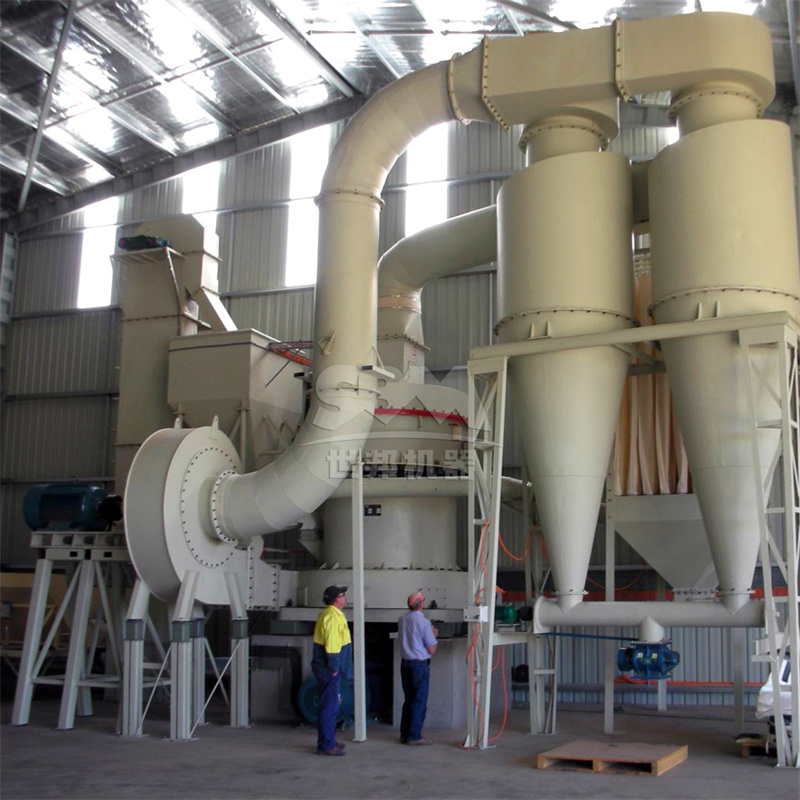
For projects requiring a balance between investment cost and production capacity, our MTW175G Model is a popular choice. It offers a capacity of 9.5-25 t/h with a main power of 160kW, making it an energy-efficient solution for medium-to-large plants. Its robust construction and anti-wear shovel design ensure long service life even under continuous operation.
5. The SCM Series Ultrafine Mill for Premium Products
As the construction industry evolves, there is a growing trend towards using ultra-fine dolomite powder (up to 1250 mesh or finer) to enhance the density and smoothness of high-performance building materials. For this specific requirement, the SCM Series Ultrafine Mill is our flagship solution. It is designed to produce powder in the 325-2500 mesh range (45-5 μm), positioning it as a critical asset for manufacturers targeting premium market segments. The SCM mill features a vertical turbine classifier that ensures high-precision particle size cutting without mixing coarse powder, guaranteeing uniform finished products—a vital factor for high-end building material formulations.
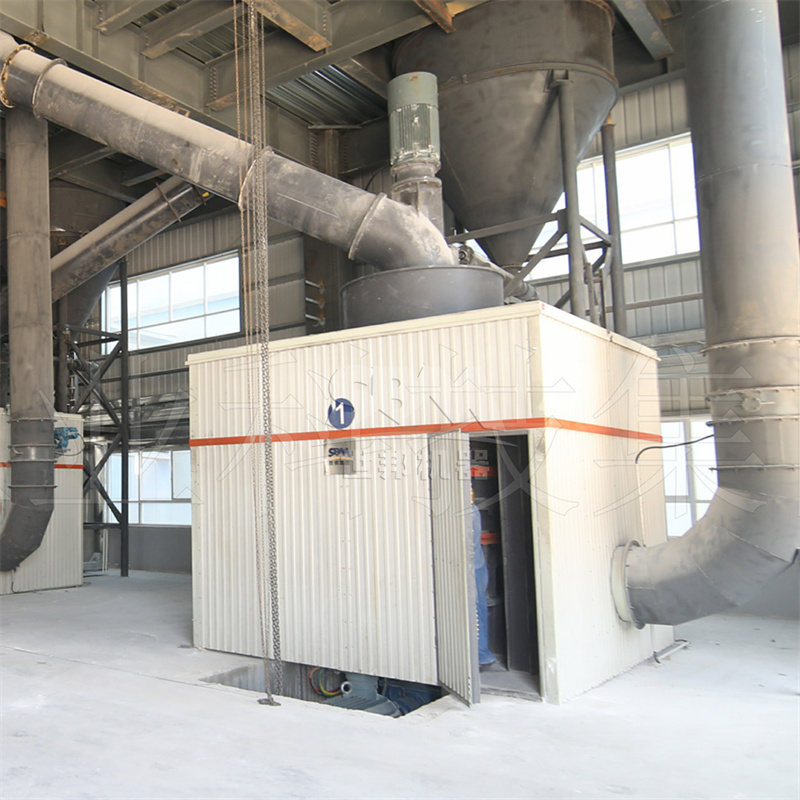
The unique three-layer grinding ring design and special material rollers extend the service life several times over, reducing downtime and maintenance costs. In comparison to jet mills, the SCM series offers twice the capacity with 30% lower energy consumption, making it not only a technical upgrade but also a sound economic investment. To meet diverse production needs, the SCM1250 Model stands out, offering a capacity of 2.5-14 t/h with a main power of 185kW, perfectly suited for large-scale ultra-fine powder production where precision and efficiency are paramount.
6. The LM Series Vertical Roller Mill for High-Capacity Integrated Systems
For very large cement and mineral processing plants requiring capacities up to 250 t/h, the LM Series Vertical Roller Mill offers an unrivalled integrated solution. This mill integrates crushing, drying, grinding, and classification into a single unit, reducing floor space by 50% and infrastructure costs by 40%. The non-contact design between the rollers and the grinding table significantly extends wear part life by up to three times, addressing one of the highest operational costs in mineral grinding. Its energy consumption is 30-40% lower than traditional ball mill systems, a massive advantage in a time of high energy prices.
The LM220K model is a versatile workhorse for dolomite processing, featuring a table diameter of 2200mm, a capacity of 36-105 t/h, and a fineness range of 170-45 μm. Its expert-level auto-control system supports remote monitoring, reducing manual intervention and ensuring stable, unattended operation. This model is ideal for operations that need to process large volumes of material for infrastructure projects, providing a high return on investment through low operating costs and high throughput.
7. The MTM Series Medium-speed Trapezium Mill for Malleable Operations
In operations where feed size varies slightly and job-site conditions demand flexibility, the MTM Series Medium-speed Trapezium Mill provides a durable and adaptable answer. This mill features an intelligent spring pressure system that automatically compensates for roller wear, maintaining consistent grinding pressure and extending the life of consumables by 30%. The innovative horizontal pull-rod connection protects the main shaft bearings from excessive stress, allowing it to handle large materials effectively. While newer models have been introduced, the MTM100 with 4 rollers and a capacity of 3-8 t/h remains a cost-effective option for small-to-medium mining operations or pilot plants focused on building material production.
8. Process Flow and System Integration
A standard dolomite powder production line involves several stages: crushing, conveying, grinding, classifying, and collecting. Typically, raw material is first crushed by a jaw crusher or hammer mill to comply with the grinder’s feed size. The crushed material is then conveyed to a storage hopper via a bucket elevator. A vibrating feeder supplies the mill at a controlled rate. Inside the mill, the material is ground between roller and ring or table. The fine powder is then carried by airflow to a classifier, which separates qualified powder from coarse particles. The coarse particles return to the grinding chamber for another cycle, while the qualified powder is collected by a high-efficiency pulse dust collector and transported to a silo via a screw conveyor.
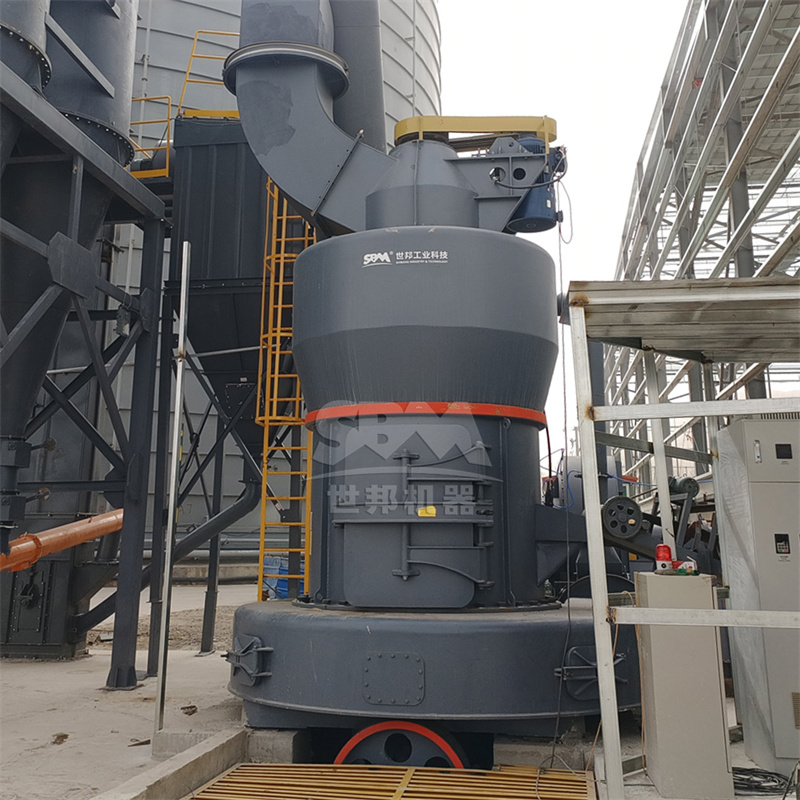
Our equipment is engineered for seamless integration with these auxiliary machines. The negative pressure operation and soundproof room designs in our SCM and LM series not only comply with stringent environmental regulations but also ensure a safe and clean working environment. The intelligent control systems allow for automatic adjustment of the fineness and capacity, providing a fully automated production solution that minimizes labor costs and maximizes operational efficiency.
9. Cost Analysis and Economic Benefits
When evaluating the total cost of ownership for dolomite grinding equipment, one must consider capital expenditure (CAPEX) and operational expenditure (OPEX). Vertical roller mills and ultrafine mills have a higher initial CAPEX compared to ball mills, but their significantly lower OPEX compensates for this within a few years of operation. Energy savings of up to 40% and a reduction in grinding media consumption (since they do not use steel balls) are the primary cost drivers. Wear parts in our specialized roller and ring configurations are manufactured from high-chrome and composite alloys, often extending service life by several times that of conventional materials. For instance, the SCM series’ shaftless screw grinding chamber ensures stable operation with minimal vibration, reducing maintenance frequency. Moreover, the high-precision classification system reduces over-grinding, which increases yield and reduces energy waste. Ultimately, the higher quality of the finished powder—with uniform particle size—command a premium price in the market, directly improving the plant’s profitability.
10. Conclusion and Recommendations
The selection of appropriate dolomite powder production equipment is a strategic decision that influences the quality of building materials and the economics of the production process. For large-scale operations focused on standard grades, the MTW Series offers unmatched efficiency. For high-value ultra-fine applications, the SCM Series Ultrafine Mill is the gold standard. The LM Series provides the ultimate solution for integrated high-capacity systems with the lowest operational cost. Our company provides a comprehensive range of models within these series, supported by our patented technologies in lubrication, dust collection, and wear resistance. We recommend clients perform a detailed material test and consultation with our engineers to design a production line that precisely matches their capacity, fineness, and budgetary requirements. With our advanced equipment, manufacturers can achieve the dual goals of high productivity and low environmental impact, staying competitive in the evolving construction materials sector.