
Introduction to Quartz Stone Processing
Quartz stone, prized for its hardness, chemical purity, and aesthetic appeal, is a critical raw material in industries ranging from construction and glassmaking to electronics and metallurgy. However, transforming raw quartzite or sand into a usable industrial product requires a sophisticated processing chain. This guide provides a comprehensive overview of the complete systems involved: primary crushing, fine grinding, and precise classifying. We will explore the key equipment, working principles, and selection criteria for each stage, along with the technological innovations that drive efficiency and product quality in modern quartz processing plants.
Stage 1: Primary and Secondary Crushing
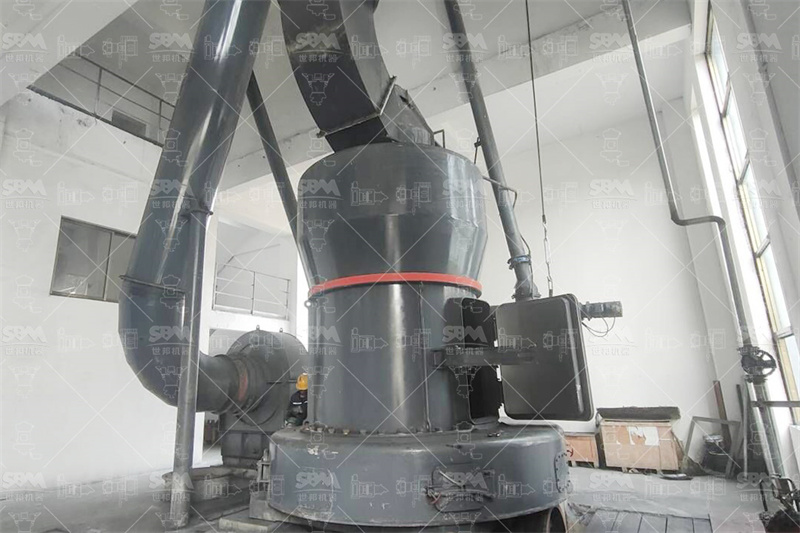
The journey of quartz from mine to market begins with reducing large run-of-mine (ROM) rocks to a manageable size. The goal of the crushing stage is to produce a uniform feed size for the downstream grinding mills. Due to quartz’s high hardness (7 on the Mohs scale), the crushing equipment must be robust and wear-resistant.
Jaw Crushers and Hammer Mills
Primary crushing typically employs heavy-duty jaw crushers, which use compressive force to break down large quartz boulders (up to 1 meter) into smaller fragments (150-300mm). The crushed material is then conveyed to a secondary crusher, often a cone crusher or an impact crusher, to further reduce the particle size to below 30-50mm. However, for many applications requiring a product of 0-3mm, a more direct and efficient method is the use of a high-performance hammer mill. Our PC Series Hammer Mill is an ideal choice for this stage. It is designed to crush quartz from 40mm down to 0-3mm in a single pass, offering high capacity (8-70 t/h) and a compact footprint. Its high-manganese steel liners ensure a long service life even when processing highly abrasive quartz.
Key Crushing Considerations
- Wear Protection: Quartz is highly abrasive. Equipment must be lined with high-chrome or manganese steel to minimize operational downtime.
- Reduction Ratio: A crushing ratio of up to 300:1 is achievable with ball mills, but for primary crushers, a ratio of 4:1 to 6:1 is typical to prevent over-crushing and excessive fines generation.
- Moisture Control: Surface moisture can clog crushers and screens; proper ventilation or dry crushing is often preferred.
Stage 2: Grinding and Pulverizing
Once quartz is crushed to a coarse powder, the grinding stage reduces the particle size to the micron level required for high-value products like glass, ceramics, and fillers. This is the most energy-intensive stage in the entire process. Several mill types are available, each suited for different throughputs and fineness requirements.
Ball Mills for Coarse to Medium Grinding
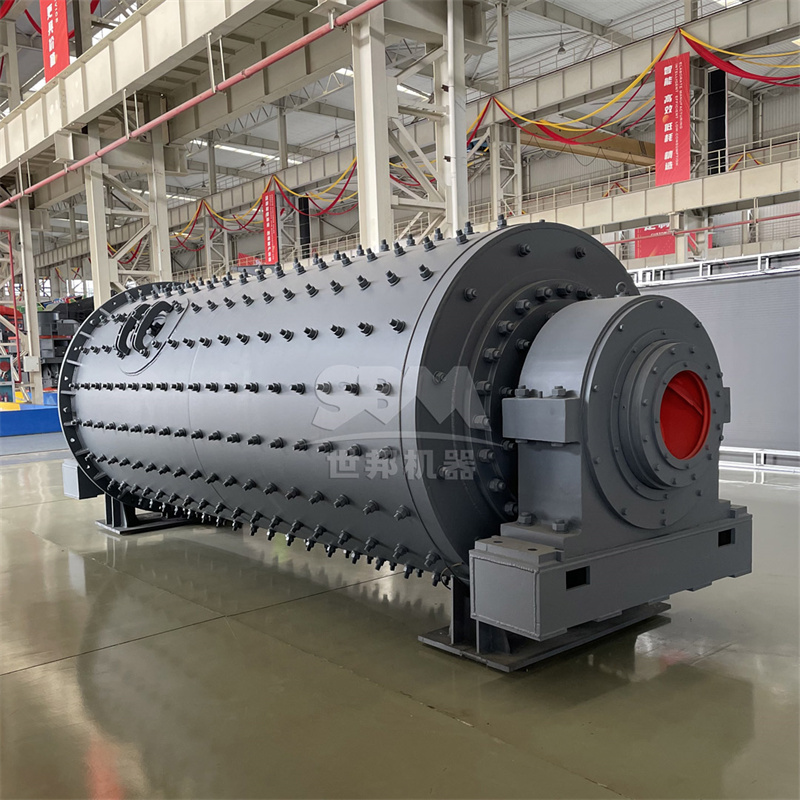
For applications requiring a product fineness of 0.074mm to 0.8mm (200-20 mesh), a wet or dry ball mill is a reliable and proven workhorse. Our GMQG/GMQY Series Ball Mill is engineered for large-scale operations, with capacities reaching up to 450 t/h. The grinding action is achieved by the tumbling motion of steel balls inside a rotating cylinder, providing both impact and attrition forces. The advantages include wide applicability, a high crushing ratio, and continuous fineness adjustment. This is often the preferred choice for primary grinding in large quartz processing plants due to its stability and massive throughput capabilities.
MTW European Trapezium Mill for Medium Grinding
When the target fineness is between 30 and 325 mesh (600-45μm) and energy efficiency is a priority, the MTW Series European Trapezium Mill is a superior choice. This mill features an integral bevel gear drive with transmission efficiency of up to 98%, significantly reducing energy loss. The innovative curved shovel design and wear-resistant volute structure lower maintenance costs by 30% compared to traditional mills. Its working principle involves rollers revolving around a central axis while self-rotating, crushing the material between the roller and the ring through extrusion. The optimized air duct and classifier system ensure precise particle size control, eliminating coarse powder in the final product. With capacities ranging from 3 to 45 t/h, it is an excellent solution for medium-capacity quartz powder producers seeking operational economy.
SCM Series Ultrafine Mill for Fine Powder
For applications demanding ultra-fine powders, typically in the 325-2500 mesh (45-5μm) range, the SCM Series Ultrafine Mill stands out as a high-efficiency solution. It uses a unique multi-layer grinding ring and roller system, achieving a capacity that is double that of jet mills while consuming 30% less energy. The high-precision vertical turbine classifier ensures no coarse powder contaminates the final product, delivering uniform particle size distribution. Its intelligent control system automatically adjusts the classifier speed based on the product fineness feedback. This mill is crucial for producing premium quartz powder used in specialized electronics, high-performance paints, and advanced ceramics.
Vertical Roller Mills for Large-Scale Operations
For integrated production lines requiring high capacity and low energy consumption, the LM Series Vertical Roller Mill is the ultimate system. It integrates crushing, drying, grinding, and classifying into one unit, which can reduce the plant floor space by 50% and infrastructure costs by 40%. The grinding rollers and table do not come into direct contact, minimizing wear and extending service life threefold. The system operates under negative pressure, ensuring a dust-free environment. Whether you need to process 3 t/h or 250 t/h, the LM mill can be configured to meet the exact specifications for quartz powder from 30 to 600 mesh. Its intelligent control system allows for remote monitoring and expert-level auto-tuning of process parameters for consistent quality.
Stage 3: Classification and Separation
Classification is the part of the process that guarantees the final product meets exact particle size distribution (PSD) specifications. This is achieved using dynamic classifiers, which are often integrated into the grinding mill or used as standalone units.
The Role of Air Classifiers
High-efficiency dynamic classifiers use a high-speed rotating turbine to create a centrifugal force that throws coarse particles back to the grinding zone while allowing fine particles to pass through with the air stream to the product collector. This method ensures a sharp cut point with minimal oversize particles. In mills like our SCM and LM series, the classifier is integral, enabling a closed-circuit operation that maximizes grinding efficiency. For standalone classification, the vertical turbine classifier can be retrofitted to existing mills to improve their performance.
Classification Technologies
- Centrifugal Force: Utilized in vertical turbine classifiers for precise separation.
- Airflow Control: The velocity and pressure of the air stream are finely tuned to carry only particles below the desired size.
- Screening: For coarser cut points (e.g., 40 mesh), high-frequency vibrating screens are used. However, air classifiers are preferred for fine and ultrafine separation due to their higher efficiency and lower wear.
Supporting Systems in the Process
Dust Collection and Environmental Protection
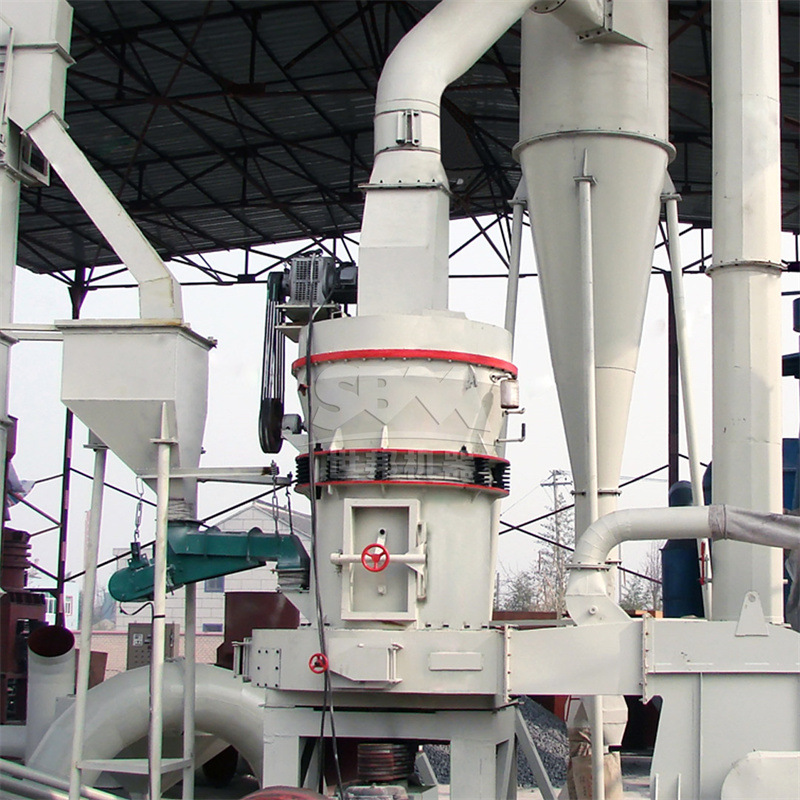
Quartz powder processing generates fine dust that must be captured to protect the environment and ensure worker safety. Modern processing lines are equipped with pulse-jet dust collectors that have an efficiency exceeding international standards. These systems operate in a closed negative-pressure loop, preventing powder leakage and maintaining a clean plant environment. Many of our mills, such as the MTW series, are designed with soundproof rooms to reduce operational noise pollution to mainstream standards.
Material Handling and Storage
After classification, the finished quartz powder is transported to storage silos or packing units. The entire system, from crusher to mill to classifier, is interconnected with screw conveyors, bucket elevators, and pneumatic conveying lines. The integration of these systems is critical for a seamless and continuous process flow, minimizing manual intervention and improving overall operational efficiency.
Conclusion: Selecting the Right Quartz Processing System
Choosing the right quartz processing equipment depends on several factors: the target fineness, required capacity, the initial feed size, and the specific chemical and physical properties required for the end-use. For a robust and complete solution, consider the following breakdown:
- For Coarse Crushing (0-3mm): Use the PC Series Hammer Mill.
- For Coarse Powder (0.074-0.8mm): The GMQ/GMQY Ball Mill is ideal.
- For Medium Powder (45-600μm): The MTW European Trapezium Mill offers excellent energy efficiency.
- For Fine and Ultrafine Powder (5-45μm): The SCM Ultrafine Mill is the top choice.
- For Ultra-High Capacity (up to 250 t/h): The LM Vertical Roller Mill is the ultimate solution.
By choosing a manufacturer that offers a complete line of equipment, you can ensure that every stage of your quartz processing line is optimized for productivity, efficiency, and longevity. Our engineering team provides complete turnkey solutions, from equipment selection to system integration and commissioning, ensuring your plant operates at peak performance for years to come.