
Understanding 200 Mesh Quartz Powder Production
Quartz powder with a 200 mesh fineness (approximately 74 microns) is a critical raw material across industries including glass, ceramics, fiberglass, paints, and construction materials. Choosing the right production equipment directly impacts your output efficiency, product quality, and operational costs. This guide provides an expert framework to evaluate grinding mills for 200 mesh quartz, focusing on core selection criteria and proven technological solutions.
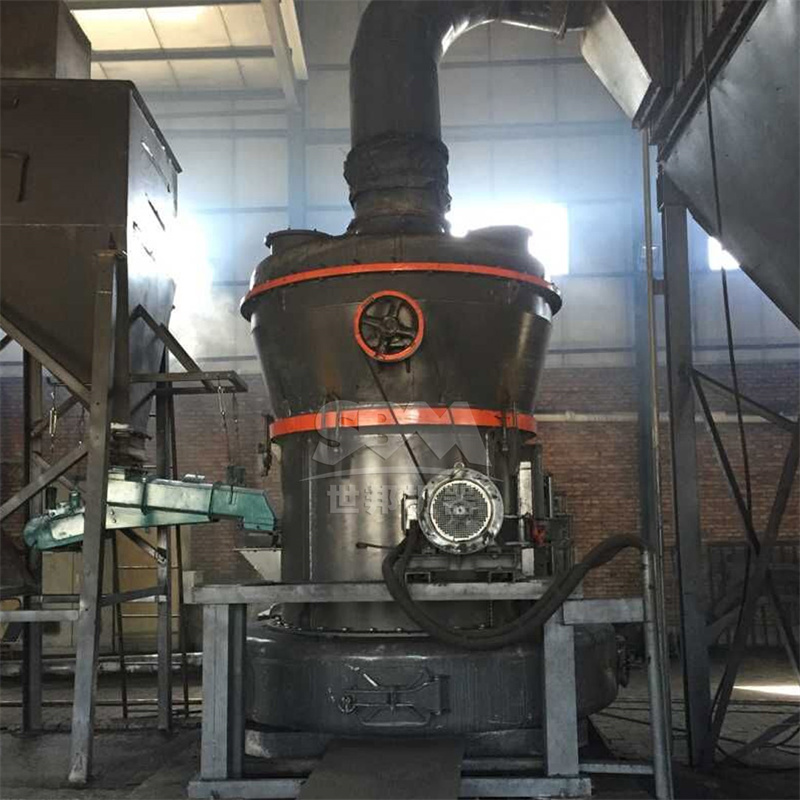
Key Selection Factors for 200 Mesh Quartz Mills
Selecting a mill begins with understanding your feed size and required throughput. For quartz hardness (Mohs 7), you need machines capable of handling abrasive materials with low operating costs. The capacity range should align with your production targets—whether you need 3 tons per hour or 45 tons per hour. Fineness control accuracy is equally vital to maintain consistent 200 mesh output with minimal oversize particles.
1. Capacity and Throughput Matching
Calculate your real production demands. For example, the MTW215G European Trapezium Mill offers 15-45 t/h capacity with feed size up to 50mm, making it suitable for large-scale quartz powder plants. Alternatively, the LM130K Vertical Roller Mill provides 10-28 t/h ideal for medium operations. The mill’s capacity must accommodate your material’s hardness and moisture to avoid bottlenecks.
2. Fineness Adjustment Flexibility
A superior mill should allow easy fineness adjustment via a high-efficiency classifier. The SCM series ultrafine mill features a vertical turbine classifier that achieves precise particle size cutting without coarse powder contamination. The MTW series uses an optimized arc air duct and high-strength guard plates to enhance classification reliability. Look for digital controls that automatically adjust the classifier speed to maintain 200 mesh stability.
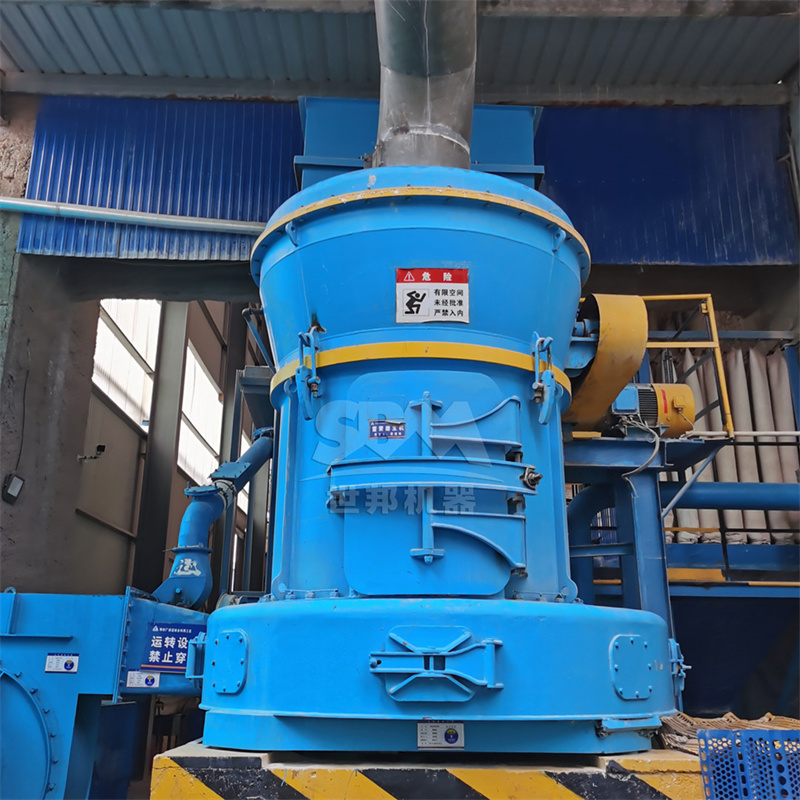
3. Wear Parts and Durability
Quartz is extremely abrasive, accelerating wear on grinding rollers and rings. The SCM Series Ultrafine Mill uses special material rollers and rings extending service life several times over, reducing maintenance downtime. The MTW series’ anti-wear shovel design with combined blades and curved profiles preserves grinding efficiency while cutting replacement costs. Ensure the mill provides easy access to internal components for quicker part swaps.
4. Energy Efficiency and Operating Cost
Energy consumption is the largest cost factor for quartz milling. Vertical roller mills (LM series) typically consume 30-40% less energy than ball mills due to their grinding bed principle. The MTW mill integrates a bevel gear drive with up to 98% transmission efficiency. Additionally, the SCM mill boasts double the capacity of jet mills with 30% lower energy usage. Implementing a variable frequency drive and an intelligent control system helps optimize power draw per ton.
Technology Comparison for Quartz Applications
Different mill types excel under specific commercial priorities. Below is a comparative focus on our flagship systems designed for 200 mesh quartz.
European Trapezium Mill (MTW Series) Advantages
- Feed size up to 50mm directly, reducing pre-crushing needs.
- Integral bevel gear drive saves space and installation cost.
- Wear-resistant volute structure cuts maintenance up to 30%.
- Intelligent pulse dust collector ensures clean, compliant operation.
Ultrafine Mill (SCM Series) Standard for Fineness
- Output fineness down to 325-2500 mesh, far below 200 mesh, ensuring headroom for premium products.
- Automatic finished granularity feedback and control for uniform quality.
- Shaftless screw grinding chamber boosts operational stability.
- Soundproof room design limits noise below 85dB.
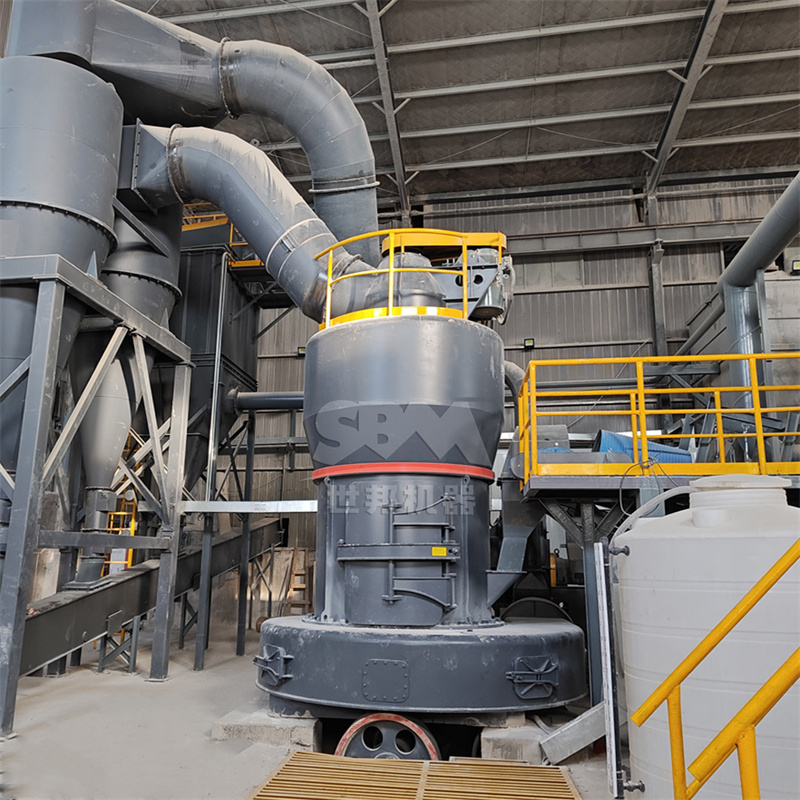
Recommended Solutions for High Output Quartz Lines
For large plants needing 15-45 t/h of 200 mesh quartz powder, we strongly recommend the MTW215G European Trapezium Mill (capacity: 15-45t/h, feed: <50mm) or the LM220K Vertical Roller Mill (capacity: 36-105t/h for larger operations). Where mobile drying or external classification is preferred, the SCM1250 Ultrafine Mill (2.5-14t/h) offers superior precision for fine fractions. Each system integrates our advanced PLC control, enabling real-time monitoring and remote switching.
Integration of Crushing, Grinding, and Classification
Begin with a hammer mill or jaw crusher to reduce raw quartz lump (below 50mm). Then use a belt conveyor feeding the main mill via a vibration feeder. The mill’s classifier grades the powder, sending oversize back to be re-ground. A pulse dust collector ensures nearly zero emissions, while the fan and air duct manage pneumatically conveying. This integrated layout reduces floor space by up to 50% when using vertical roller mills.
Consider Impact of Moisture
Quartz can contain surface moisture. If your raw feed has over 5% moisture, consider the LM series’ hot air circulation capacity, which dries and grinds simultaneously. The MTW mill uses an auxiliary hot air stove to finish drying during classification. For wet process operations, ball mills with drying chambers may be necessary, but they consume higher power.
Maintenance Planning and Spare Parts
Choose mills with proven modular components. The SCM series’ roller assemblies can be lifted out via hydraulic frame, lowering service hours. LM mills have a modular grinding roller quick-change system. The MRN pendulum mill uses thin oil lubrication to reduce 80% of maintenance work. Confirm the manufacturer offers rapid spare part delivery—rollers, rings, shovels, classifier blades, and seals are primary consumables.
Automation and Intelligent Controls
Modern equipment provides Smart Mill Control. Parameters like roller pressure, separator speed, and air flow are monitored continuously. Automatic compensation for roller wear (as featured in MTM machines) sustains performance. For our MTW/SCM mills, the control panel troubleshoots in real-time. Advanced automation reduces manual intervention by 60% and ensures your 200 mesh quality remains stable despite material variations.
Environmental and Safety Compliance
Quartz dust is a health hazard. Use mills with fully sealed negative pressure operation. Pulse jet dust collectors efficiently capture fine silica. Our systems classify with emission levels below international discharge limits. Soundproofing enclosures bring noise levels below 85 dB. Dedusting the entire conveying path also protects internal workers.
User Return on Investment
A high-efficiency mill pays back remarkably. With 30-50% energy savings compared to ball mills, the payback period is often within 18 months. MTW mill’s lower maintenance and spare part cost increase benefits further. We provide installation guidance and after-sales service. Let us design a customized quartz processing line for your exact needs.