
Introduction to Dolomite Powder Production
Dolomite, a carbonate mineral composed of calcium magnesium carbonate (CaMg(CO₃)₂), is widely used in industries such as construction, ceramics, glass, agriculture, and environmental protection. The production of high-quality dolomite powder requires specialized grinding equipment that ensures precise particle size distribution, high throughput, and energy efficiency. This guide provides an in-depth look at modern grinding mills and complete processing lines designed for dolomite powder production, focusing on equipment selection, operational principles, and technological innovations.
Key Considerations in Dolomite Grinding
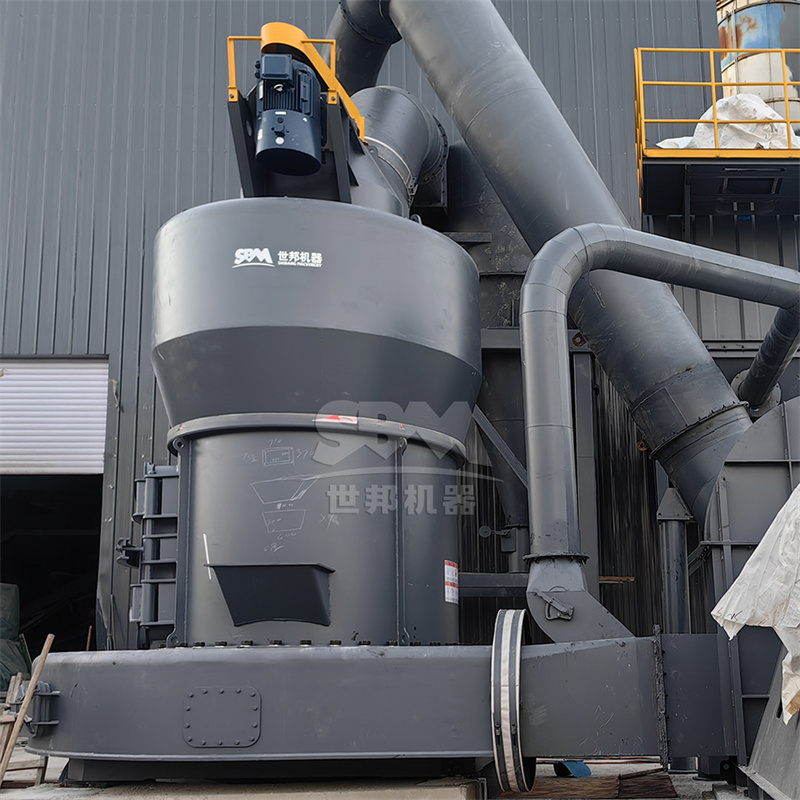
When designing a dolomite powder production line, several factors must be considered: feed size, required fineness (typically from 30 mesh to 2500 mesh), capacity (ranging from a few tons to hundreds of tons per hour), and the physical properties of dolomite (hardness, moisture content). Dolomite has a Mohs hardness of 3.5-4, making it moderately hard and grindable. The choice of grinding mill depends on the target fineness and capacity, as well as energy efficiency and operational stability.
For fine to ultra-fine grinding (325-2500 mesh), air-swept mills or vertical roller mills with high-performance classifiers are preferred. For medium fineness (30-325 mesh), European trapezium mills and pendulum mills are ideal. For coarser outputs, ball mills or hammer mills may be utilized. Understanding these distinctions ensures optimized production economics and product quality.
Ultrafine Grinding for Dolomite (325-2500 Mesh)
Ultrafine dolomite powder, with particle sizes ranging from 5 to 45 microns, is increasingly demanded in plastics, rubber, paper, paint, and sealant applications. Producing such fine powders requires advanced ultrafine grinding mills. Our SCM Series Ultrafine Mill is built for this exact purpose. With an input size of up to 20mm, the SCM mill grinds dolomite down to 325-2500 mesh (45-5μm) with a capacity ranging from 0.5 to 25 tons per hour, depending on the model. Its key advantages include an energy consumption that is 30% lower than jet mills while delivering twice the capacity, and a vertical turbine classifier that ensures precise particle size cutting without coarse powder contamination. This results in exceptionally uniform finished products, crucial for high-performance applications.
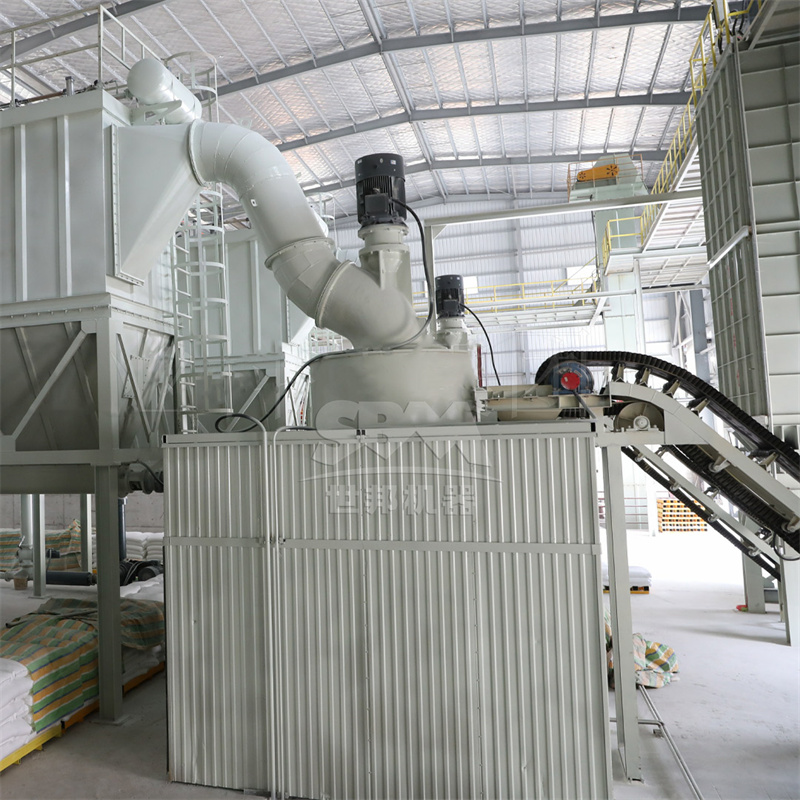
For customers targeting a production capacity above 2 tons per hour with ultra-fine output, we offer the LUM Ultrafine Vertical Roller Mill series. This machine combines fine grinding and precise classification in one system. It features multi-rotor classifiers, PLC automation, and a negative-pressure environment that prevents dust leakage. The LUM1525 model, for instance, offers a capacity of 1.6 to 11.5 tons per hour with fineness ranging from 5 to 30 microns, powered by a 220-250kW motor. Its unique roller and liner curves significantly improve grinding efficiency, while the intelligent control system ensures unobstructed, stable operation. The LUM mill is ideal for large-scale industrial dolomite powder producers.
Medium and Fine Grinding (30-325 Mesh)
For applications like animal feed, fertilizer, glass, and construction fillers, dolomite powder with 30-325 mesh fineness is sufficient. In this domain, the MTW Series European Trapezium Mill stands out as a high-performance, economical solution. It accepts a feed size of up to 50mm and produces fineness between 30 and 325 mesh (down to 0.038mm), with capacities reaching up to 45 tons per hour. The MTW mill incorporates innovative engineering, like an internal suction-oil lubrication system, an integral bevel gear drive that achieves up to 98% transmission efficiency, and optimized arc air ducts that reduce airflow energy loss. The anti-wear shovel design and wear-resistant volute structure minimize maintenance costs by up to 30%.
Another excellent option is the MRN Pendulum Mill (also known as the MB5X series), which uses thin oil lubrication for a maintenance-free operation. It processes feed up to 50mm and delivers 30-325 mesh powder with capacities from 2.7 to 83 tons per hour. This mill is recognized for its high efficiency, European-style design, and adoption of square pipes that reduce air resistance. Models like MRN158 and MRN198 are commonly integrated into complete production lines. For less demanding capacities, the MTM Series Medium-speed Trapezium Mill is an ideal alternative, providing 45-325 mesh output with a spring-pressure system that automatically compensates for roller wear, thereby extending service life by 30%.
Complete Dolomite Processing Lines: From Crushing to Packaging
A truly efficient dolomite powder plant is more than just a grinding mill; it is an integrated processing line. Typically, such a line includes: 1) A primary jaw crusher to reduce run-of-mine dolomite to a workable size; 2) A bucket elevator and feeder to supply material into the mill hopper; 3) The main grinding mill; 4) A classifier to control product fineness and reject oversized particles; 5) A pulse dust collector for emission control and powder recovery; and 6) A blower, air duct, and discharge valve to convey finished powder to a silo or packing machine.
In such systems, the proposed host equipment determines the line’s overall performance. For example, our LM Series Vertical Roller Mill integrates all these functions into a single, compact unit, reducing infrastructure costs by up to 40% and energy consumption by 30-40% compared to traditional ball mill systems. This line of products includes multiple modules: LM-K for minerals (capacity up to 250 t/h), LM-M for coal, LM-N for slag (with specific surface areas targeted), and LM-X for fine powder (325-600 mesh). The LM mill’s negative-pressure, fully sealed operation also boasts low noise and no dust emission, making it an environmentally friendly choice for modern plants.
Technical Recommendations & Product Showcase
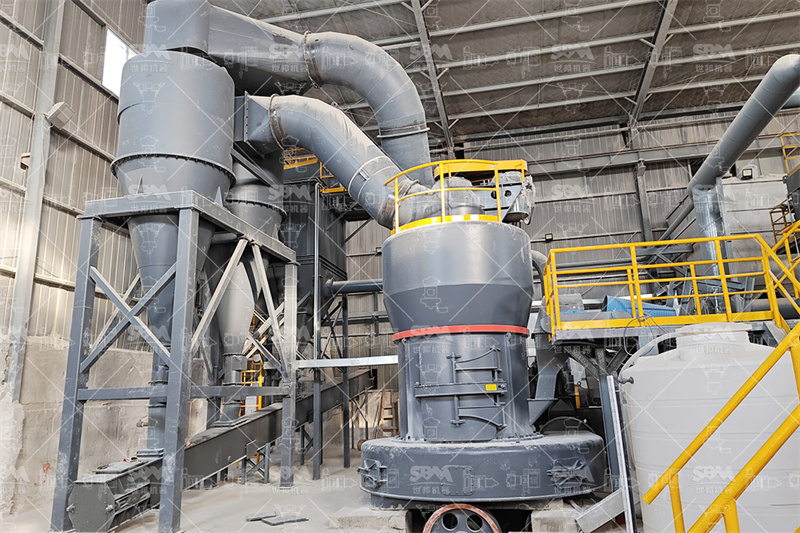
In selecting equipment, you must match your production goals with the correct machine. For ultra-fine dolomite powder (2500 mesh), we strongly recommend the SCM Series Ultrafine Mill. For general fine powder (325-600 mesh) with high capacity, the LUM Ultrafine Vertical Roller Mill is optimal. Our SCM series includes SCM800 (0.5-4.5t/h), SCM900 (0.8-6.5t/h), SCM1000 (1.0-8.5t/h), SCM1250 (2.5-14t/h), and SCM1680 (5.0-25t/h), each allowing a 325-2500 mesh range. If you specifically require the large-scale production of medium-fine powder (45-325 mesh) with high power efficiency, the MTW218 (15-45 t/h) and MRN198 (12-33 t/h) models serve as flagship solutions, with advanced classification systems that guarantee precise particle separation and product fineness.
Features & Benefits in Modern Machine Design
Several technological trends define today’s successful dolomite grinding equipment. Intelligent Control Systems: Modern mills come equipped with PLC controllers and servo-throttle systems that automate the entire grinding process, adjusting parameters in real time to ensure consistent quality and optimize output. Wear-Resistant Materials: Grinding rollers and rings made from special materials (e.g., ZG30Mn) have service lives increased 2-3x, and the use of high chromium alloy liners with a hardness of HRC58-62 in other components minimizes downtime. Environmental Protection: Pulse-jet cartridge dust collectors are now standard, achieving a dust emission concentration of less than 30mg/m³. Structures like soundproof enclosures ensure equipment operation noise stays below 85 dB.
Conclusion
At [Your Company Name], we are dedicated to providing the highest-efficiency grinding solutions tailored to your project’s unique demands. Each of our mills—from the dynamically versatile SCM ultrafine mill to the massive production capacity of the LM vertical grinding machine—incorporates tried-and-tested design to lower energy costs and maximize powder quality. For an accurate recommendation and a complete process flow diagram for your dolomite grinding plant, please contact our engineering team. Our experts are available to simulate throughput and optimize the plant design regarding both machinery and airflow dynamics.