
1. Introduction: The Critical Role of Cobalt Powders in Alloy Binders
Cobalt-based powders have become indispensable in the production of high-performance alloy binders, particularly within the cemented carbide and diamond tool industries. As a binder phase, cobalt provides the necessary toughness, corrosion resistance, and high-temperature performance that allows tungsten carbide (WC) composites to withstand extreme operational stresses. The quality of the cobalt powder—characterized by its particle size distribution, morphology, and purity—directly influences the final product’s hardness, transverse rupture strength, and overall microstructure homogeneity. Inconsistent particle sizes can lead to cobalt pooling, porosity, or inadequate wetting during liquid-phase sintering, compromising the integrity of the cutting tools or wear parts. Therefore, producers must implement meticulous control over the physical characteristics of cobalt powder from the very beginning: the grinding and classification stage. This article outlines a comprehensive framework for selecting high-performance processing equipment, optimizing grinding parameters, and establishing robust quality control protocols, leveraging advanced milling technologies essential for modern powder metallurgy.
2. Selection Criteria for Cobalt Grinding Equipment
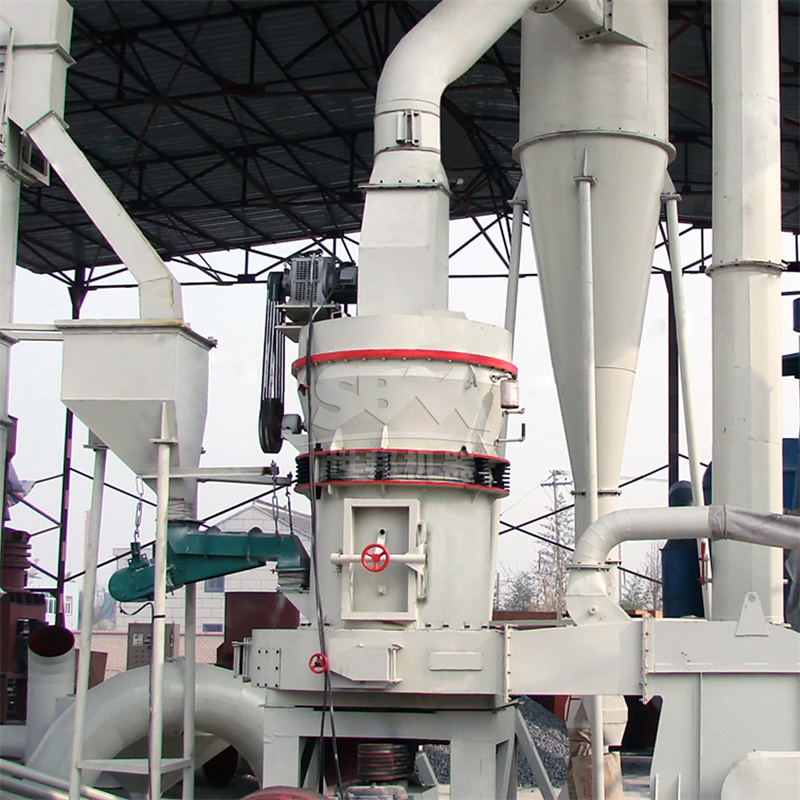
Selecting the appropriate milling equipment for cobalt powder binders is a nuanced decision that hinges on several factors: target particle size (typically ranging from 45 μm down to 5 μm for binder applications), throughput requirements, energy efficiency, and the prevention of contamination. Traditional ball mills often fall short in achieving the ultra-fine, narrow distribution required for high-end binder applications without excessive milling times or introducing iron contamination. For operations requiring exceptionally fine powders (325-2500 mesh / 45-5 μm), the grinding mechanism must rely on inter-particle attrition and high-pressure roller action rather than impact alone.
3. The Ultrafine Advantage: SCM Series for Precision Binder Production
When the target specification for cobalt binder demands fineness in the range of 45 μm down to 5 μm, the SCM Series Ultrafine Mill emerges as the optimal solution. Unlike conventional mills that struggle with micronization, the SCM series utilizes a multi-layer grinding ring and high-pressure roller system to generate intense shear and compressive forces. With an input size of ≤20mm, it can directly process pre-crushed cobalt granules. The output fineness is precisely adjustable from 325 to 2500 mesh, providing the flexibility necessary to formulate binders for various hard-grade alloys. The vertical turbine classifier is a standout feature; it offers high-precision particle size cutting, ensuring that no coarse powder contaminates the final binder, which is critical for preventing brittle fracture in the sintered part. Furthermore, the intelligent control system provides automatic feedback on finished product granularity, allowing operators to maintain a consistent PSD (Particle Size Distribution) batch after batch.
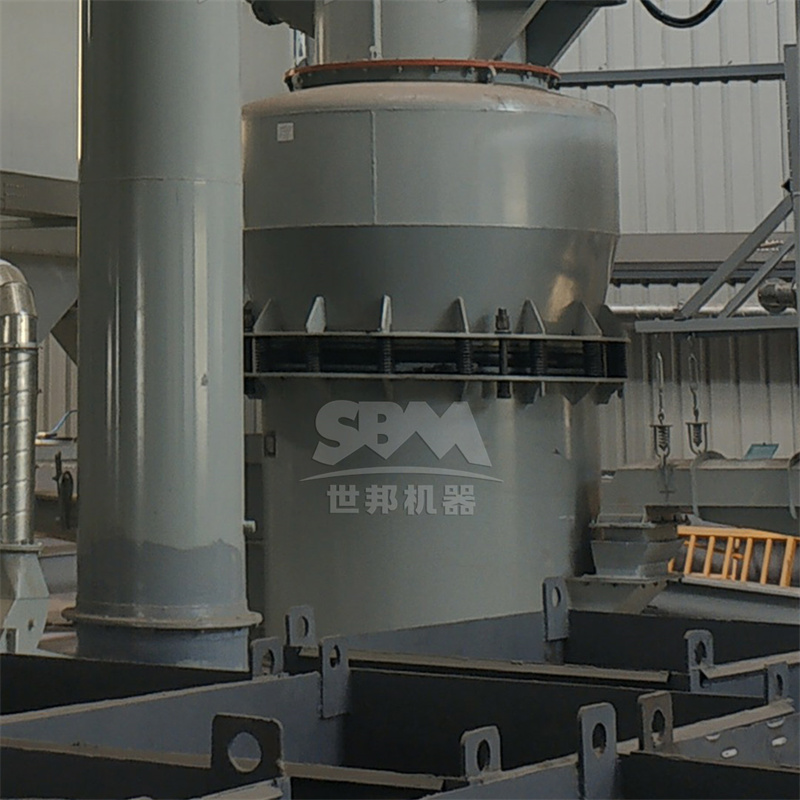
For producers aiming to maximize throughput while maintaining ultra-fine output, we recommend the SCM1250 Ultrafine Mill. With a capacity of 2.5 to 14 tons per hour and a main power of 185kW, this model balances operational economics with high-volume output. Its specialized wear-resistant materials for rollers and rings significantly extend service life—several times longer than standard equipment—reducing downtime and ensuring the purity of the cobalt powder by minimizing equipment wear debris in the product stream.
4. Grinding Process Optimization for Cobalt Binders
Once the equipment is selected, the grinding process must be optimized to achieve the desired binder properties. Dry grinding of cobalt requires careful control of the atmosphere to prevent oxidation; therefore, the mill system should operate under negative pressure, a standard feature of modern vertical and ultrafine mills. The working principle of the SCM series, for instance, involves the main motor driving three layers of grinding rings. Material is dispersed into the grinding path via centrifugal force, getting caught between the rollers and the ring. It is crushed layer-by-layer, which is far more energy-efficient than impact crushing. To standardize the grinding process:
Feed Rate & Stability: Utilize a variable frequency feeder to ensure a constant material bed. Fluctuations in feed rate cause inconsistent grinding pressure, leading to a wide PSD.
Classifier Speed: The rotational speed of the vertical turbine classifier dictates the cut size. For finer cobalt powder (D50 < 5 μm), higher classifier speeds are required. Operators should use the intelligent control feedback to trend the fineness and adjust the speed dynamically to compensate for roller wear.
Moisture Content: Cobalt powder must be kept dry. The use of a hot air stream, even in an ultrafine mill, can help evaporate surface moisture, preventing agglomeration that hinders classification.
5. Coarse to Medium Grinding: The Role of MTW and LM Series
While the SCM series is for ultrafine work, the initial reduction of larger cobalt alloy chunks or recycled binder materials may require a different approach. High-volume production of standard mesh binders (e.g., 100-325 mesh) benefits from the high-efficiency grinding of the MTW Series European Trapezium Mill or the LM Series Vertical Roller Mill. The MTW mill, with its output fineness of 600-45 μm, is ideal for primary or secondary grinding stages. Its anti-wear shovel design reduces maintenance costs, while the integral bevel gear drive achieves a transmission efficiency of up to 98%, directly lowering energy costs per ton of cobalt powder processed. Although this article focuses on high-performance binders, cost-effectiveness in the 45-100 μm range can be achieved via the LM vertical mill, which integrates drying, grinding, and selection in one unit, utilizing a bed grinding principle that limits over-grinding and slime generation.
6. Strict Quality Control: From Equipment to Finished Powder
Quality control in cobalt processing does not stop at setting the mill parameters; it requires a holistic approach to the system environment and downstream processing.
Particle Size Analysis (PSA): Implementing laser diffraction PSA is mandatory. The vertical turbine classifier in the SCM machine guarantees no coarse particles, but the distribution slope must be monitored via the intelligent control system’s real-time data logging. A steep distribution curve (high n-value) indicates a uniform, homogeneous binder, which is critical for uniform shrinkage during sintering.
Contamination Monitoring: The use of ‘special material rollers and rings’ is not just a marketing point; it is a quality necessity. Standard steel alloys can introduce iron, which is detrimental to cobalt binder properties. The pin-pointed contamination from machine wear must be monitored by regular chemical analysis. The shaftless screw grinding chamber design aids in reducing these contamination risks as well as ensuring stable operation.
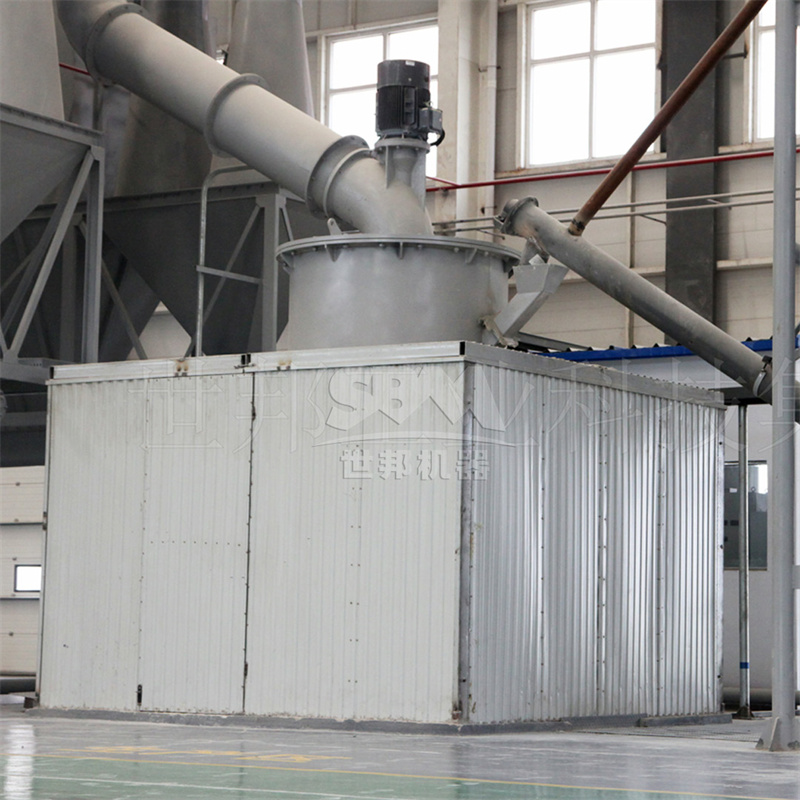
Environmental & Operational QC: Temperature-sensitive cobalt powder requires stringent temperature control. The pulse dust collection system not only recovers valuable fine product but also maintains a clean working environment, preventing cross-contamination. A soundproof room design ensures a stable acoustic environment for operators, while the noise levels remain low, adhering to international workplace safety standards.
7. Conclusion: Elevating Binder Performance Through Advanced Technology
The production of high-performance cobalt powder alloy binders is contingent upon the seamless integration of advanced grinding machinery and rigorous quality control procedures. Equipment selection must align with the desired particle size: SCM ultrafine mills are essential for micronized binders essential for premium grades, while MTW or LM series provide robust solutions for standard or pre-grinding applications. By utilizing equipment that features high-precision classification, energy-saving designs, and e-co-friendly operation, manufacturers can ensure that their cobalt binders deliver consistent, predictable results in the final cemented carbide product. The specific technological advantages—such as the intelligent pressure regulation and durable grinding components—minimize operational variability. Ultimately, investing in a high-performance system like the SCM Series is not merely an operational expense but a strategic move to dominate the competitive landscape of advanced powder metallurgy, ensuring that every batch of cobalt binder meets the critical demands of the industry.
Product Recommendation Summary
For general grinding needs down to 45 microns, the MRN Pendulum Mill serves as a robust workhorse. For our customers specializing in ultra-fine binders below 10 microns, the SCM Ultrafine Mill stands as the ultimate choice. Both systems support high-precision classification and maintain a negative-pressure environment that prevents dust leakage and oxidation, ensuring your cobalt binder production is both safe and supremely efficient.