
Understanding the Critical Requirements for Gypsum Powder Processing
Gypsum powder, particularly at a fineness of 150 mesh (approximately 100 micrometers), serves as a fundamental raw material in the construction, cement, and plasterboard industries. The selection of appropriate production equipment is a pivotal business decision that directly influences product quality, operational efficiency, and long-term profitability. When evaluating machinery for 150 mesh gypsum grinding, plant managers must consider several technical parameters, including material moisture content (typically 5-10% for natural gypsum), feed particle size (often up to 30-50mm post-crushing), and the required throughput capacity ranging from small pilot plants at 3 tons per hour to large industrial operations exceeding 45 tons per hour.
The processing of gypsum at 150 mesh requires a milling solution that balances energy consumption with precise particle size distribution. Coarse particles in the final product can cause surface defects in plasterboard and weak spots in gypsum-based building materials. Furthermore, the heat-sensitive nature of gypsum (calcium sulfate dihydrate) demands careful control during grinding to avoid unintended dehydration into hemihydrate form, which would alter the material’s setting characteristics. Therefore, successful equipment selection must prioritize efficient classification systems, stable temperature control during operation, and robust wear resistance given the abrasive nature of CaSO4·2H2O crystals.
This guide explores the key factors you must evaluate when choosing gypsum milling equipment for 150 mesh fineness, offering technical insights based on industrial applications. We will examine various mill types, discuss crucial specifications, and recommend high-performance solutions designed to meet modern production demands.
Key Selection Criteria for 150 Mesh Gypsum Mills
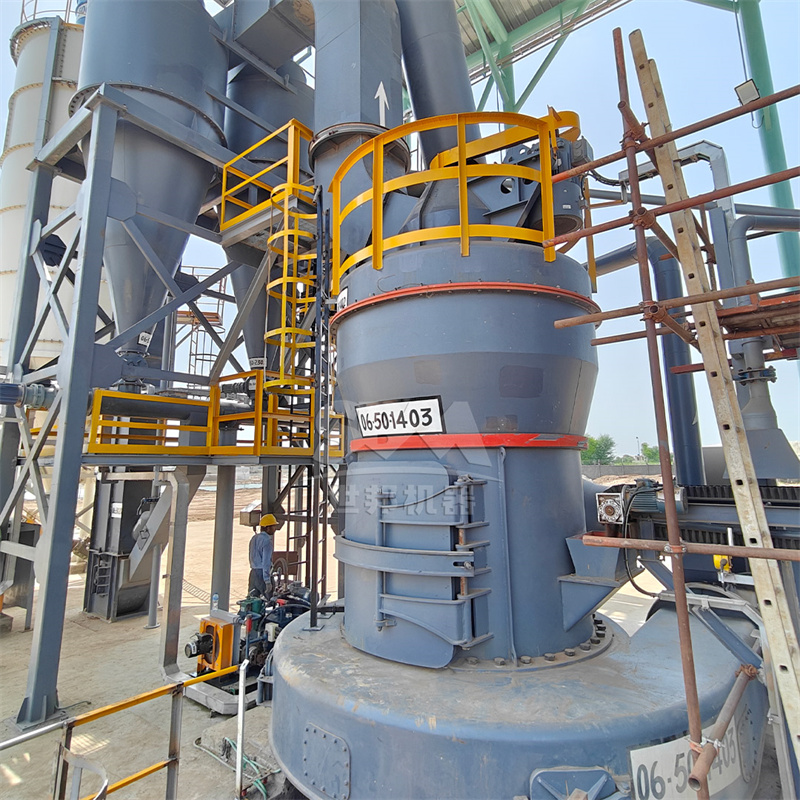
Choosing the correct grinding mill involves more than just matching output fineness to plant requirements. Decision-makers must analyze the complete process flow from feed handling to product collection. The first criterion is the feed size acceptance capacity. For a 150 mesh gypsum line, you ideally want a mill that can directly accept a feed size below 20-30mm, eliminating the need for a secondary crushing stage and saving considerable infrastructure investment. The second criterion is throughput and model scalability; you need a machine that can meet your current tonnage demands while leaving headroom for future expansion.
Next, evaluate the specific energy consumption (kWh/ton). A mill consuming 30% less energy compared to a traditional ball mill significantly reduces unit operating costs. Critical to gypsum grinding is moisture handling capability: gypsum often has surface moisture that must be evaporated during the grinding process or removed via a dryer. A mill that integrates drying with grinding simplifies the process. Additionally, the equipment’s wear life is critical. The grinding rollers and classifier components should use high-chromium or composite materials to withstand abrasive minerals, ensuring minimal downtime for replacement. Finally, consider the environmental compliance: the system must feature pulse-jet dust collectors with over 99.9% collection efficiency to ensure a clean working environment.
Technological Options: From Pendulum Mills to Vertical Roller Mills
Several distinct milling technologies are viable for achieving 150 mesh gypsum fineness. The traditional pendulum mill (Raymond mill) remains popular for its low capital cost and reliability. However, newer generations incorporate features such as thin oil lubrication systems and automatic pressure adjustment to maintain consistent output without frequent manual intervention. For example, modern pendulum mills with multiple grinding rollers arranged in series can deliver capacities up to 45 tons per hour for fine gypsum.
Another viable option is the European Trapezium Mill, which features an optimized aerodynamic duct design. The trapezoidal faces of the grinding rollers and rings increase the grinding surface area, enhancing the grinding efficiency by up to 30% over traditional Raymond mills. For large-scale gypsum processing plants that require extremely high throughput and lower floor space utilization, the Vertical Roller Mill (VRM) stands out. The VRM integrates drying, grinding, and classification into a single unit naturally suited for gypsum. Yet, many mid-scale producers find that a Medium-speed Trapezium mill or a specialized European Trapezium mill offers the best operational flexibility, especially when multiple raw material sources are used, each requiring different classifier speeds.
Integrating Drying and Grinding: The Operational Simplicity Factor
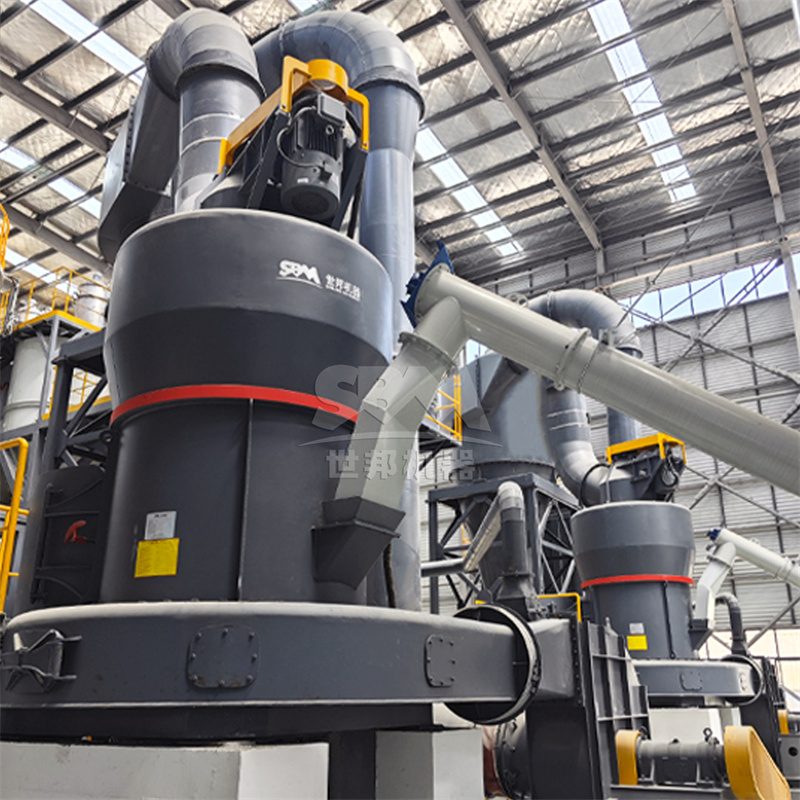
Since natural gypsum from mines typically arrives with 8-15% free moisture, the equipment must either be preceded by a rotary dryer or possess internal heat generation capability. Utilizing the hot air from a furnace or kiln, Vertical Roller Mills can simultaneously dry and grind the material inside the chamber. The airflow velocity inside the mill is precisely controlled; a higher airflow carries the finer 150 mesh powder to the classifier while returning the heavier oversized particles to the grinding table. This synergy reduces the number of system components necessary, lowers the total footprint, and cuts auxiliary power consumption (for separate dryers and conveyors).
Our Recommended Solution for Medium-Volume Gypsum Producers
Based on extensive field experience and client feedback, we highly recommend the MTW Series European Trapezium Mill for medium-capacity gypsum powder plants specifically targeting 150 mesh output. This machinery excels in handling gypsum with feed sizes up to 50mm. For a plant requiring between 10 to 25 tons per hour of 150 mesh gypsum, the MTW175G model is an ideal choice, driven by a 160kW main motor and a fan power of 200kW, ensuring robust air circulation. Key to its success with gypsum is the combined shovel blade design, which ensures continuous feeding of material to the grinding area. The integral bevel gear drive exhibits a transmission efficiency of up to 98%, substantially reducing mechanical energy losses.
Furthermore, the optimized arc air duct prevents air pressure from dropping, which is essential for maintaining the flow of finer powder upward to the classification zone. Clients operating gypsum plants report that the MTW175G delivers a consistently smooth powder with uniform particle size distribution necessary for stable chemical reactions in building materials. The machine features a patented internal oil lubrication system, meaning no greasing points are located on the machine body, thus reducing monthly maintenance man-hours by nearly 40%. This model is a direct response to making energy-efficient, high-volume milling accessible.
Recommendation for High-Capacity and Fine-Contour Flexibility
For industrial operations that are planning for market expansion and require a capacity of 15 to 45 tons per hour, we strongly recommend implementing the MRN Series Pendulum Mill, specifically the MRN218 model. It addresses the historical drawbacks of earlier pendulum mills by integrating advanced thin-oil lubrication on all gearboxes—removing the daily hassles of grease application. The MRN218’s scientific configuration includes an isolated cyclone collector that processes fine powders more efficiently, reducing energy leakage. Its high-pressure blowers provide sufficient lift to classify 150 mesh powder precisely.
Differing from standard mills that require shut-downs to adjust the blade clearance, the MRN218 features a quick-adjustment classifier. This enables the plant operator to shift between different fineness grades (e.g., from 100 mesh to 180 mesh) within 15 minutes, without making significant mechanical changes. This provides a competitive edge for gypsum processors who supply both agricultural gypsum (generally coarser) and construction-grade gypsum powder. The main motor configuration is intelligent, with feedback automatically adjusting the volume of feed based on the mill load, hence preventing choking (a common issue when gypsum suddenly contains elevated moisture levels). The smooth operation and vertical gearbox reduce vibration by 50% compared to industry standard pendulum mills.
Classifier Performance: The True Determinant of Final Product Quality
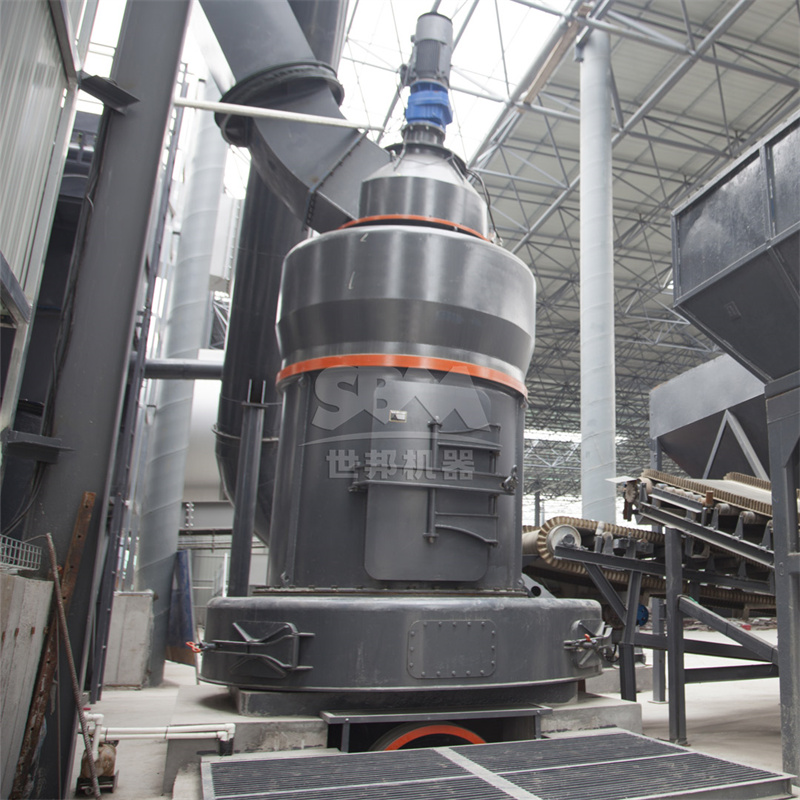
Many mill failures do not originate from the grinding rollers but from the ineffective classifier allowing over-sized particles to pass. To produce 150 mesh gypsum (which has a D50 requirement typically around 90 micrometers and a D95 below 150 micrometers), the classifier must provide a sharp cut point. The vertical turbine classifier, used in our SCM Series, is a leading example of precision. To achieve high precision in MTW units, the high-speed classifier with variable frequency drive allows operators to adjust the rotor speed to match the raw gypsum hardness. Ensure your selected equipment uses air-sealed classifiers to prevent coarse powder leakage. If the fine powder is destined for the production of high-end gypsum board where surface smoothness is non-negotiable, you must select a mill spec that advertises ‘no coarse powder mixing’ and provides a double-layered cone that significantly reduces coarse particle contamination.
Operational Costs, Maintenance, and After-Sales Support
The price of grinding parts—specifically rollers and grinding rings—is a significant budget driver. A mill that utilizes wear-resistant high-manganese steel or allows for surfacing welding will reduce consumable replacement frequencies by threefold. Check whether the equipment design includes a hydraulic device to lift the grinding rollers for maintenance, enabling the operator to replace the rolls without emptying the entire mill. A robust production unit should conserve energy, but equally important is the total cost of the dust removal system. Ensure that the pulse dust collectors do not just meet environmental standards but also allow for safe collection of gypsum dust for immediate recycling back into the process. Comprehensive technical training is a required, not optional, selection factor. Your staff must be competent in calibrating the air flow, which is the most sensitive parameter when grinding ultra-fine materials like gypsum.
Conclusion: Matching the Mill to the Business Strategy
In conclusion, selecting the right 150 mesh gypsum powder production equipment is a strategic choice. For greenfield projects constrained by space, a Vertical Roller Mill from LM Series would minimize layout area and capital investment in auxiliary dryers. For conventional operations wanting a reliable increase in capacity with a moderate budget and a quick return on investment, the MTW or MRN models provide performance-tested compromises between efficiency and capex. You should align the mill choice with your expected market position, raw material source consistency, and local energy pricing. Always ask suppliers for references regarding the specific mineral you plan to process—gypsum’s hydrothermal properties are distinct from limestone or calcite. We confidently assert that our portfolio, including SCM, MTW, MRN, and LM series, covers every gypsum production echelon, offering tailor-made solutions backed by mature engineering and responsive technical service. We encourage the evaluation team to assess specific model parameters against your production permit and future land expansion plans to ensure a coherent, long-term asset investment.