
Introduction
Calcite is one of the most widely used mineral fillers in cement production. It not only serves as a functional additive to improve cement performance but also acts as a key component in the raw meal blending process. With the cement industry continuously pursuing higher quality, lower energy consumption, and stricter environmental standards, the selection of calcite grinding equipment has become a critical decision for plant managers and project engineers. The right grinding mill can significantly enhance production efficiency, reduce operating costs, and ensure the final product meets the required fineness and particle size distribution. This article provides a comprehensive guide on how to choose the appropriate grinding mill for calcite processing in cement production, based on the latest equipment technologies and practical experience.
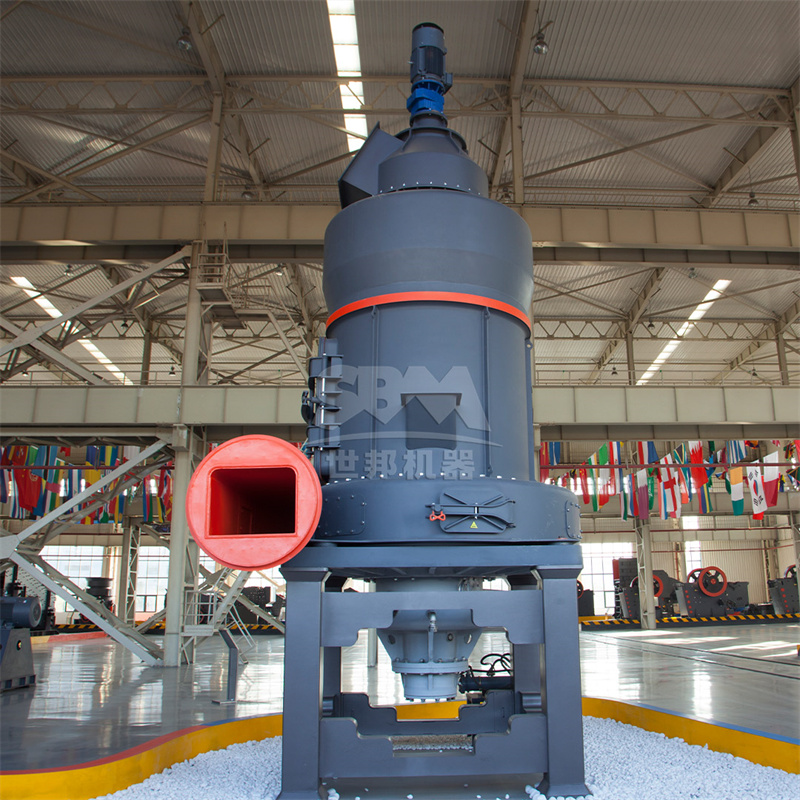
Why Calcite Matters in Cement Manufacturing
Calcite (CaCO3) is a common mineral found in limestone, marble, and chalk. In cement production, calcite is primarily introduced through limestone, which is the main raw material for clinker. Additionally, finely ground calcite powder is often added to cement as a filler or to improve workability and reduce clinker consumption. The fineness of calcite powder directly affects the reactivity, strength development, and durability of cement. Therefore, the grinding process must achieve a consistent particle size distribution, typically in the range of 325 to 2500 mesh (45 to 5 microns) for high-performance applications. This requires grinding equipment that can deliver precise classification, high capacity, and low energy consumption.
Key Factors in Selecting a Calcite Grinding Mill
When choosing a grinding mill for calcite processing, several factors must be carefully evaluated:
- Fineness Requirement: Different cement formulations demand different fineness levels. For ordinary Portland cement, a fineness of 300-400 m2/kg (approximately 325-600 mesh) is common, while special cements may require ultrafine calcite down to 5 microns.
- Capacity and Scalability: The mill must match the production capacity of the cement plant, from a few tons per hour to over 100 tons per hour. Future expansion should also be considered.
- Energy Efficiency: Grinding is one of the most energy-intensive processes in cement production. Choosing a mill with low specific power consumption (kWh/t) is crucial for reducing operating costs.
- Product Quality: Uniform particle size distribution, minimal coarse particles, and consistent quality are essential for cement performance.
- Environmental Compliance: Dust emissions, noise levels, and maintenance requirements must meet increasingly stringent environmental regulations.
- Investment and Operating Costs: The total cost of ownership includes initial investment, installation, maintenance, wear parts, and energy.
Overview of Grinding Mill Technologies for Calcite
Several types of grinding mills are suitable for calcite processing in cement production. Each has its own advantages and limitations. The most common types include:
- Ball Mills: Traditional and robust, capable of producing fine powders but with high energy consumption and large footprint.
- Vertical Roller Mills: Energy-efficient, compact, and capable of high capacities. They are widely used for raw meal and slag grinding.
- Trapezium Mills: Improved versions of Raymond mills, offering higher capacities and finer fineness.
- Ultrafine Mills: Specialized for producing powders down to 5 microns, often used for high-value applications.
- Hammer Mills: Used for coarse crushing to 0-3 mm, often as a pre-grinding step.
Among these, the SCM Series Ultrafine Mill and the MTW Series European Trapezium Mill stand out for calcite processing in cement production, offering a balance of efficiency, fineness, and reliability.
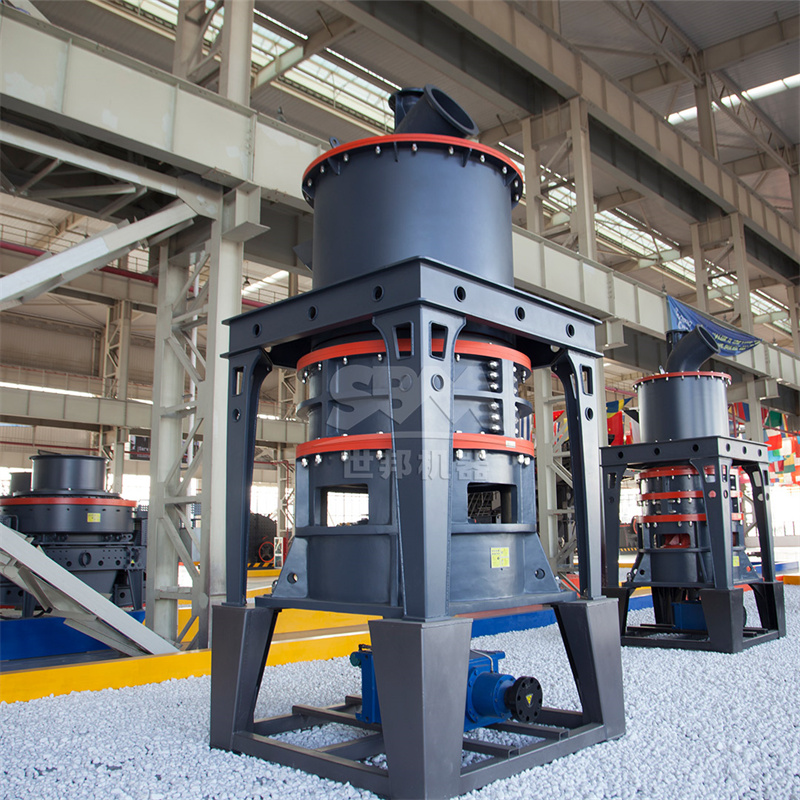
SCM Series Ultrafine Mill: Precision and Efficiency for Ultrafine Calcite
When the cement production process requires ultrafine calcite powder (325-2500 mesh), the SCM Series Ultrafine Mill is an excellent choice. This mill is designed to deliver high efficiency, precise classification, and durable operation. Its technical advantages include:
- High Efficiency & Energy Saving: The SCM mill has a capacity twice that of jet mills while consuming 30% less energy. Its intelligent control system provides automatic feedback on finished product granularity, ensuring consistent quality.
- High-Precision Classification: A vertical turbine classifier achieves precise particle size cutting, eliminating coarse powder mixing and ensuring uniform finished products.
- Durable Design: Special material rollers and rings extend service life several times over. The shaftless screw grinding chamber ensures stable operation.
- Eco-friendly & Low Noise: Pulse dust collection efficiency exceeds international standards, and the soundproof room design keeps noise levels low.
The SCM Series includes models from SCM800 (0.5-4.5 t/h) to SCM1680 (5.0-25 t/h), with main power from 75 kW to 315 kW. For a cement plant requiring ultrafine calcite for specialty cement, the SCM1250 or SCM1680 models offer excellent capacity and fineness control. The working principle involves a main motor driving three layers of grinding rings, with materials dispersed by centrifugal force and crushed by roller pressure, followed by cyclone collection and pulse dust removal.
MTW Series European Trapezium Mill: Versatile and Reliable for Medium-Fine Calcite
For cement production that requires calcite fineness in the range of 30-325 mesh (down to 0.038 mm), the MTW Series European Trapezium Mill is a proven solution. It combines advanced engineering with robust construction to deliver high capacity and low maintenance. Key features include:
- Anti-wear Shovel Design: Combined shovel blades reduce maintenance costs, and the curved design extends grinding roller life.
- Optimized Arc Air Duct: Reduces airflow energy loss and improves transmission efficiency, with high-strength guard plates protecting the air duct working surface.
- Integral Bevel Gear Drive: Transmission efficiency up to 98%, saving space and reducing installation costs.
- Wear-resistant Volute Structure: Non-resistance flow design improves air selection efficiency, reducing maintenance costs by 30%.
The MTW Series offers a wide range of models, from MTW110 (3-9 t/h) to MTW215G (15-45 t/h), with fineness adjustable from 10 to 325 mesh. For a typical cement plant needing 20-30 t/h of 200-300 mesh calcite powder, the MTW175G or MTW215G are ideal choices. The mill’s working principle involves the main motor driving grinding rollers to revolve around the central axis while self-rotating, generating centrifugal force. Shovels throw materials between the ring and rollers to form a material layer, achieving efficient crushing through extrusion. The classification system precisely controls the finished product size.
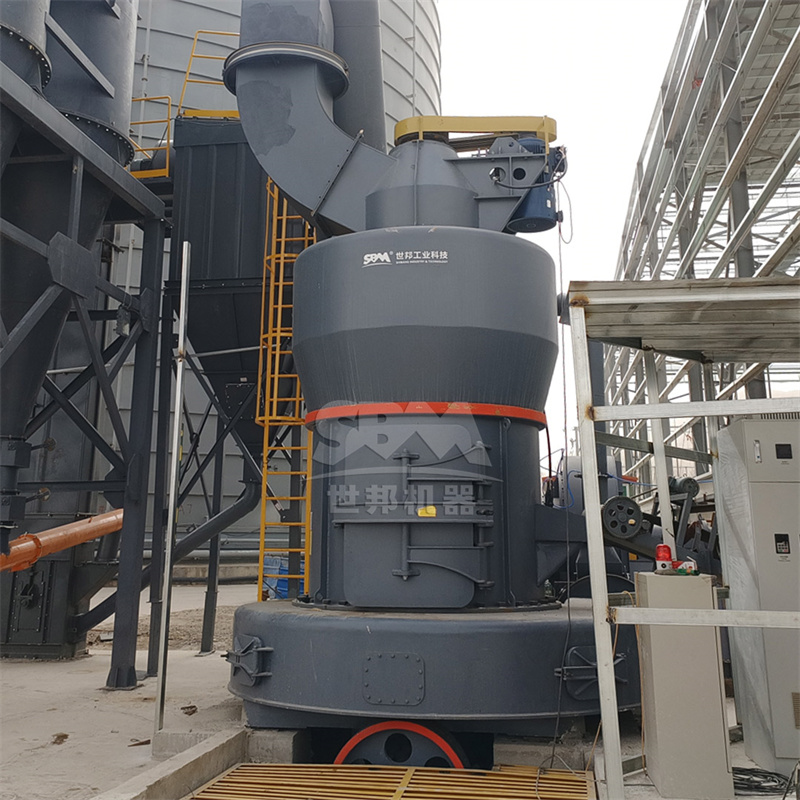
Comparing SCM and MTW for Calcite Processing
Both the SCM Ultrafine Mill and the MTW European Trapezium Mill are excellent choices for calcite processing in cement production, but they serve different needs. The SCM is best suited for ultrafine applications where fineness up to 2500 mesh is required, and where high precision and energy efficiency are paramount. It is ideal for producing high-performance cement additives or specialty fillers. The MTW, on the other hand, is more versatile for medium-fine grinding, with higher capacities (up to 45 t/h) and a broader fineness range (30-325 mesh). It is well-suited for general cement raw meal preparation or as a pre-grinding step before ball mills. In terms of energy consumption, the SCM mill is more efficient for ultrafine grinding, while the MTW mill offers lower specific power for coarse to medium grinding. The choice ultimately depends on the specific fineness target, capacity requirement, and budget.
Other Grinding Mills for Calcite in Cement Production
In addition to SCM and MTW, other mills can be considered. The LM Series Vertical Roller Mill is known for its large capacity (up to 250 t/h) and low operating cost, making it suitable for high-volume calcite grinding. The MTM Series Medium-speed Trapezium Mill offers intelligent pressure regulation and is a reliable choice for 45-325 mesh. The LUM Ultrafine Vertical Roller Mill is another option for ultrafine grinding, with models up to 15 t/h. For pre-grinding, the LM-Y Vertical Pre-grinding Roller Mill can process up to 100 t/h of cement clinker and limestone. Hammer mills are used for coarse crushing to 0-3 mm. Ball mills, while less energy-efficient, are still used in some plants for their robustness and ability to handle abrasive materials. However, for new installations, vertical and trapezium mills are generally preferred due to their lower energy consumption and smaller footprint.
Practical Considerations for Selection
When selecting a grinding mill for calcite in cement production, consider the following practical aspects:
- Feed Size: Ensure the mill’s input size matches the available feed material. For calcite, typical feed sizes are less than 20-50 mm, depending on the mill.
- Moisture Content: If the calcite has high moisture, a mill with integrated drying (such as the LM vertical mill) may be necessary.
- Wear Parts: Evaluate the wear resistance of rollers, rings, and liners. Mills with special materials (e.g., high-chrome alloys) offer longer life and lower maintenance.
- Automation: Intelligent control systems can optimize grinding parameters, reduce manual intervention, and ensure consistent product quality.
- Dust Collection: Choose a mill with efficient pulse dust collection to meet environmental standards and minimize product loss.
- Supplier Support: Work with a reputable supplier that offers comprehensive technical support, spare parts, and after-sales service.
Conclusion
Choosing the right grinding mill for calcite processing in cement production is a strategic decision that impacts product quality, operational efficiency, and profitability. The SCM Series Ultrafine Mill and the MTW Series European Trapezium Mill from our company are two outstanding options that cater to different fineness and capacity requirements. The SCM mill excels in ultrafine grinding with high precision and energy savings, while the MTW mill offers versatility and high capacity for medium-fine applications. By carefully assessing your specific needs, you can select the mill that best aligns with your production goals. With the right equipment, you can achieve high-quality calcite powder that enhances cement performance while minimizing costs and environmental impact. For more information on our products and to discuss your project requirements, please contact our technical team today.