
Introduction to Kaolin and Its Applications
Kaolin, also known as china clay, is a naturally occurring hydrated aluminum silicate mineral with a wide range of industrial applications. Its unique properties—including whiteness, plasticity, fine particle size, and chemical inertness—make it indispensable in industries such as paper, ceramics, paints, rubber, plastics, cosmetics, pharmaceuticals, and fiberglass. The global demand for processed kaolin powder continues to grow, driven by expanding applications in high-tech and traditional sectors alike.
To transform raw kaolin into a marketable powder product, a carefully designed production line is essential. Among the various stages—crushing, grinding, classification, and collection—the grinding mill is the heart of the operation. Selecting the right mill directly impacts product quality, energy consumption, production capacity, and overall profitability.
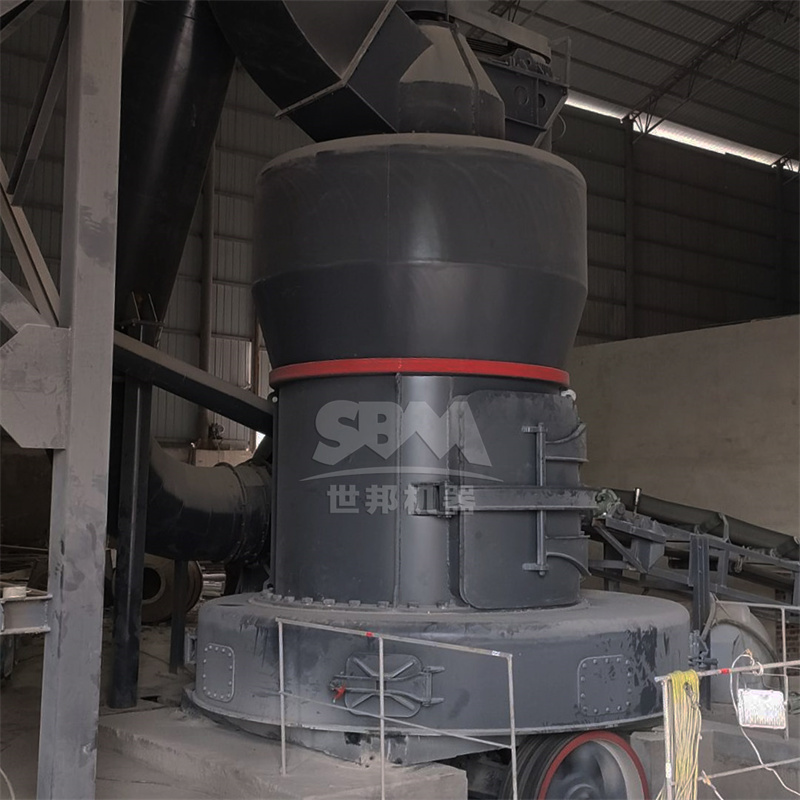
Key Factors in Choosing a Kaolin Mill
Before diving into specific equipment recommendations, it’s important to understand the critical parameters that dictate mill selection:
1. Desired Product Fineness
Kaolin products are typically classified by their fineness, measured in mesh or microns. Common specifications include 200 mesh (74 μm), 325 mesh (44 μm), 800 mesh (18 μm), 1250 mesh (10 μm), and even 2500 mesh (5 μm). Ultrafine grades (below 5 μm) are required for high-end paper coating and specialty applications. Your target fineness range will narrow down the mill types suitable for your line.
2. Production Capacity
Capacity requirements can range from a few tons per hour for small-scale operations to over 50 tons per hour for large industrial plants. The mill must be sized to meet your production targets without excessive downtime or energy waste.
3. Feed Size and Moisture Content
Raw kaolin may come in lumps up to 50 mm or more, and moisture content can vary. Some mills require pre-drying or pre-crushing, while others can handle moderate moisture directly. Understanding your feed characteristics ensures smooth operation and avoids bottlenecks.
4. Energy Efficiency
Grinding is an energy-intensive process. The specific energy consumption (kWh per ton of product) is a major operating cost. Modern mills with advanced classification and material transport systems can significantly reduce power draw.
5. Wear Parts and Maintenance
Kaolin is abrasive, so wear on grinding rollers, rings, and liners is inevitable. Mills with durable wear-resistant materials and easy maintenance access reduce downtime and long-term costs.
6. Environmental Compliance
Dust emission and noise levels must comply with local regulations. Effective dust collection systems and soundproofing are essential features of modern mills.
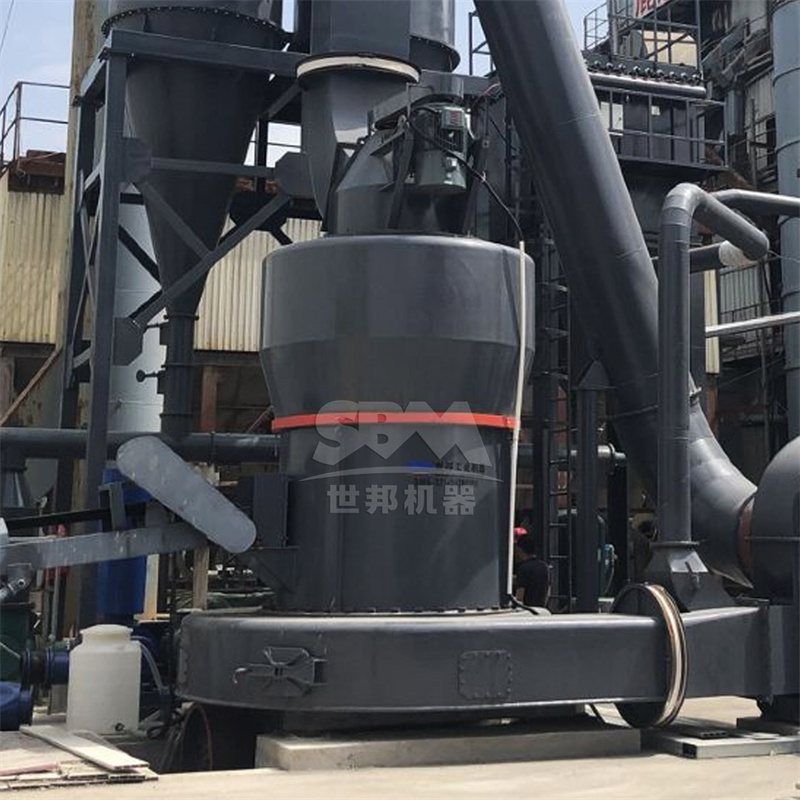
Overview of Mill Technologies for Kaolin Processing
Several types of grinding mills are used in kaolin processing, each with distinct advantages and limitations. Let’s examine the most common options:
Raymond Mill / Pendulum Mill
Traditional Raymond mills (including pendulum mills like the MTM and MRN series) are widely used for producing 80–400 mesh kaolin. They are reliable, easy to operate, and relatively low in initial cost. However, for ultrafine grinding below 10 μm, their efficiency drops, and they may struggle to achieve consistent product quality.
Ball Mill
Ball mills are versatile and can grind kaolin to fine sizes, but they are bulky, noisy, and consume high energy per ton of product. They are often used in wet processing or when very fine grinding is needed, but for dry powder production lines, they are less favored due to low efficiency and high maintenance.
Hammer Mill
Hammer mills are typically used for coarse crushing (0–3 mm) rather than fine grinding. They serve as pre-crushing equipment in a kaolin line, preparing material for the main mill.
Vertical Roller Mill (VRM)
Vertical roller mills, such as the LM series, offer high capacity and energy efficiency for medium to fine grinding (30–325 mesh). They are compact, have integrated drying and classifying functions, and are well-suited for large-scale kaolin production. However, achieving ultrafine sizes below 10 μm may require additional equipment.
Ultrafine Mill
For ultrafine kaolin powder (325–2500 mesh), specialized ultrafine mills like the SCM series are the go-to solution. They use high-precision classifiers and multi-layer grinding to produce narrow particle size distributions with minimal coarse particles. Energy consumption is optimized compared to jet mills, and the product quality meets the stringent demands of paper coating and high-end ceramics.
Recommended Mills for Your Kaolin Production Line
Based on our extensive experience and product portfolio, we recommend two outstanding mills that cover a wide range of kaolin processing needs:
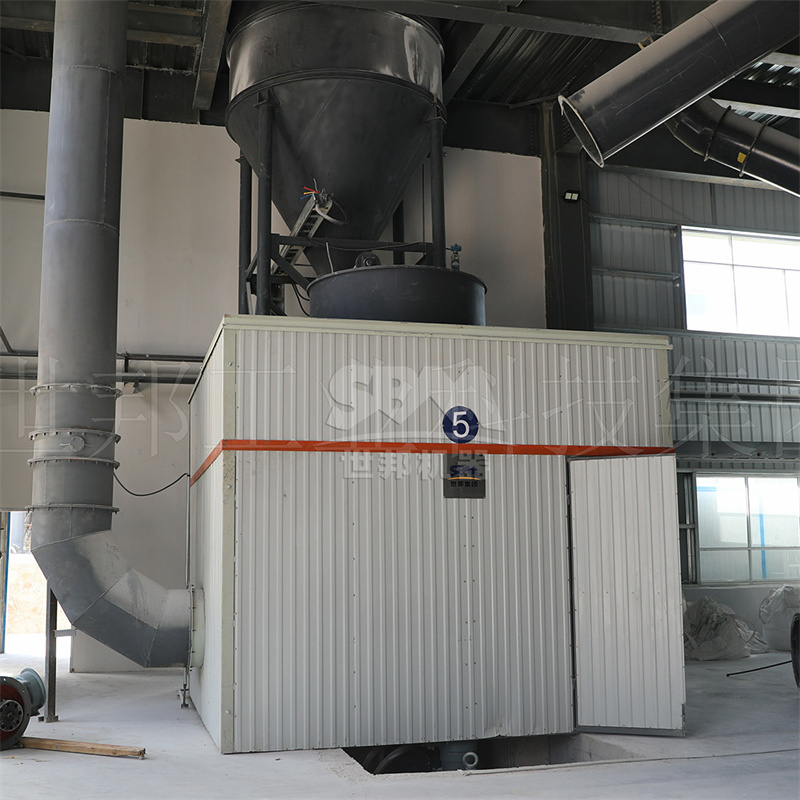
SCM Series Ultrafine Mill: For Ultrafine Kaolin (45–5 μm)
The SCM Series Ultrafine Mill is specifically engineered for producing ultrafine powders with exceptional precision. It is ideal for kaolin applications requiring fineness between 325 and 2500 mesh.
Technical Advantages:
- High Efficiency & Energy Saving: Capacity is twice that of jet mills, with 30% lower energy consumption. Intelligent control with automatic finished product granularity feedback ensures consistent quality.
- High-Precision Classification: A vertical turbine classifier achieves precise particle size cutting, eliminating coarse powder mixing and ensuring uniform finished products.
- Durable Design: Special material rollers and rings extend service life several times over. The shaftless screw grinding chamber ensures stable operation.
- Eco-friendly & Low Noise: Pulse dust collection efficiency exceeds international standards. Soundproof room design ensures noise levels are kept low.
Working Principle: The main motor drives three layers of grinding rings to rotate. Materials are dispersed into the grinding path by centrifugal force, crushed by roller pressure, and ground layer by layer. Finally, powder collection is completed by a cyclone collector and a pulse dust removal system.
Models & Specifications:
- SCM800: Capacity 0.5–4.5 t/h, Main Power 75 kW, Feed Size 0–20 mm, Fineness 325–2500 mesh
- SCM900: Capacity 0.8–6.5 t/h, Main Power 90 kW, Feed Size 0–20 mm, Fineness 325–2500 mesh
- SCM1000: Capacity 1.0–8.5 t/h, Main Power 132 kW, Feed Size 0–20 mm, Fineness 325–2500 mesh
- SCM1250: Capacity 2.5–14 t/h, Main Power 185 kW, Feed Size 0–20 mm, Fineness 325–2500 mesh
- SCM1680: Capacity 5.0–25 t/h, Main Power 315 kW, Feed Size 0–20 mm, Fineness 325–2500 mesh
MTW Series European Trapezium Mill: For Medium to Fine Kaolin (600–45 μm)
The MTW Series European Trapezium Mill is a versatile and efficient solution for producing kaolin powders in the 30–325 mesh range. It combines advanced engineering with robust construction, making it a reliable workhorse for medium-scale to large-scale production.
Technical Advantages:
- Anti-wear Shovel Design: Combined shovel blades reduce maintenance costs. Curved design extends grinding roller life.
- Optimized Arc Air Duct: Reduces airflow energy loss and improves transmission efficiency. High-strength guard plates protect the air duct working surface.
- Integral Bevel Gear Drive: Transmission efficiency up to 98%. Saves space and reduces installation costs.
- Wear-resistant Volute Structure: Non-resistance flow design improves air selection efficiency. Maintenance costs reduced by 30%.
Working Principle: The main motor drives the grinding rollers to revolve around the central axis while self-rotating to generate centrifugal force. Shovels throw materials between the ring and rollers to form a material layer, achieving efficient crushing through extrusion. The classification system precisely controls the finished product size.
Models & Specifications:
- MTW110: Capacity 3–9 t/h, Main Power 55 kW, Feed Size <30 mm, Fineness 10–325 mesh
- MTW110Z: Capacity 3–10 t/h, Main Power 55 kW, Feed Size <30 mm, Fineness 10–325 mesh
- MTW138Z: Capacity 6–17 t/h, Main Power 90 kW, Feed Size <35 mm, Fineness 10–325 mesh
- MTW175G: Capacity 9.5–25 t/h, Main Power 160 kW, Feed Size <40 mm, Fineness 10–325 mesh
- MTW215G: Capacity 15–45 t/h, Main Power 280 kW, Feed Size <50 mm, Fineness 10–325 mesh
- MRN158: Capacity 7–21 t/h, Main Power 132 kW, Feed Size <40 mm, Fineness 10–325 mesh
- MRN198: Capacity 12–33 t/h, Main Power 220 kW, Feed Size <45 mm, Fineness 10–325 mesh
- MRN218: Capacity 15–45 t/h, Main Power 280 kW, Feed Size <50 mm, Fineness 10–325 mesh
Complementary Equipment for a Complete Kaolin Line
While the mill is the core, a complete kaolin processing line also requires:
- Crushing Equipment: Jaw crushers or hammer mills to reduce raw kaolin to <20–50 mm.
- Feeding Systems: Vibrating feeders or screw feeders for consistent material flow.
- Classification: Air classifiers or dynamic classifiers to ensure precise cut points.
- Dust Collection: Pulse jet bag filters to capture fine particles and maintain a clean environment.
- Conveying: Pneumatic conveying or bucket elevators to transport material between stages.
- Storage and Packing: Silos, screw conveyors, and automatic packing machines for final product handling.
Our company offers a full range of auxiliary equipment to complement our mills, ensuring a seamless and efficient production line.
Case Study: Kaolin Processing with SCM and MTW Mills
A recent project in Southeast Asia involved processing kaolin for the paper industry. The client required two product lines: one for 800 mesh (18 μm) coating kaolin at 6 t/h, and another for 1250 mesh (10 μm) filler kaolin at 3 t/h. After a thorough analysis, we recommended:
- Line 1: MTW138Z European Trapezium Mill for 800 mesh product, with a capacity of 6–17 t/h.
- Line 2: SCM1000 Ultrafine Mill for 1250 mesh product, with a capacity of 1.0–8.5 t/h.
The combination allowed the client to produce both grades efficiently, with low energy consumption and minimal maintenance. The pulse dust collection systems ensured compliance with local emission standards, and the intelligent controls reduced operator intervention.
Conclusion
Choosing the right mill for your kaolin powder production line is a critical decision that affects product quality, operational costs, and profitability. For ultrafine grades (45–5 μm), the SCM Series Ultrafine Mill offers unmatched precision and energy efficiency. For medium to fine grades (600–45 μm), the MTW Series European Trapezium Mill provides robust performance and high capacity.
We invite you to consult with our engineers to determine the optimal configuration for your specific kaolin processing needs. With our comprehensive range of mills and auxiliary equipment, we can help you build a production line that meets your exact requirements and exceeds your expectations.
For more information or to request a quote, please contact us today.